The Man who designed The White House & The Capitol Building in Washington.
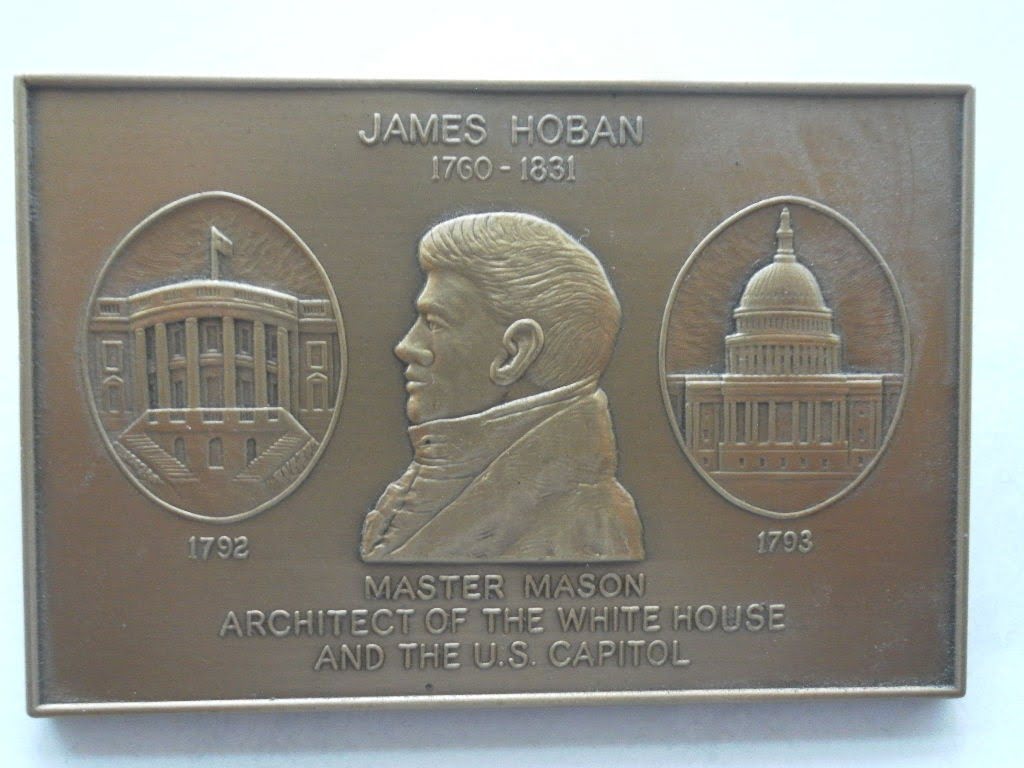
james-hoban-whitehouse-architect-obverse The White House, then known as “the President’s House,” was the first public building to be erected in…
Promoting the Fraternity across the World
james-hoban-whitehouse-architect-obverse The White House, then known as “the President’s House,” was the first public building to be erected in…
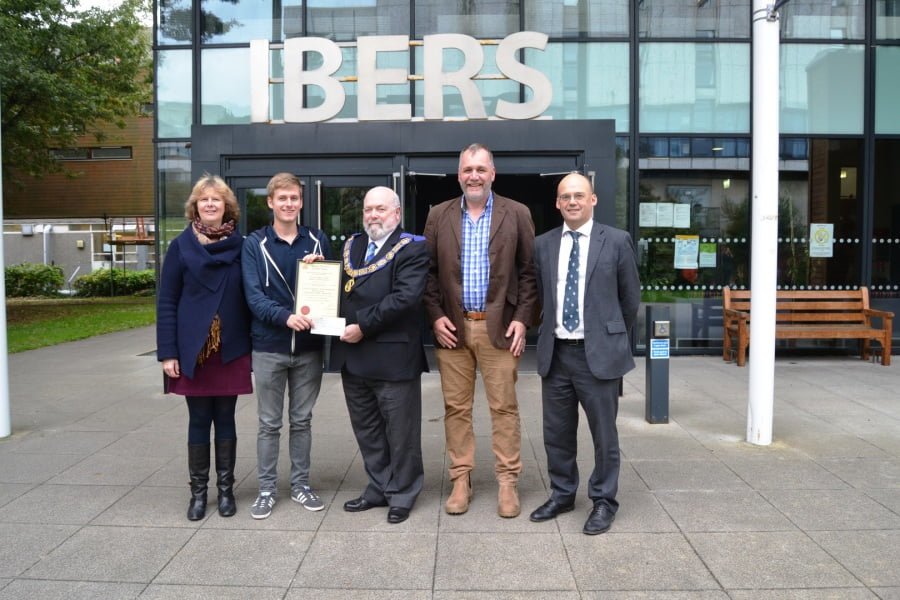
Left to right: Dr Mina Davies Morel; Daniel Stout, RW Bro Stephen Hookey, Dr Mike Rose, Prof Mike Gooding Daniel Stout is the recipient of the…
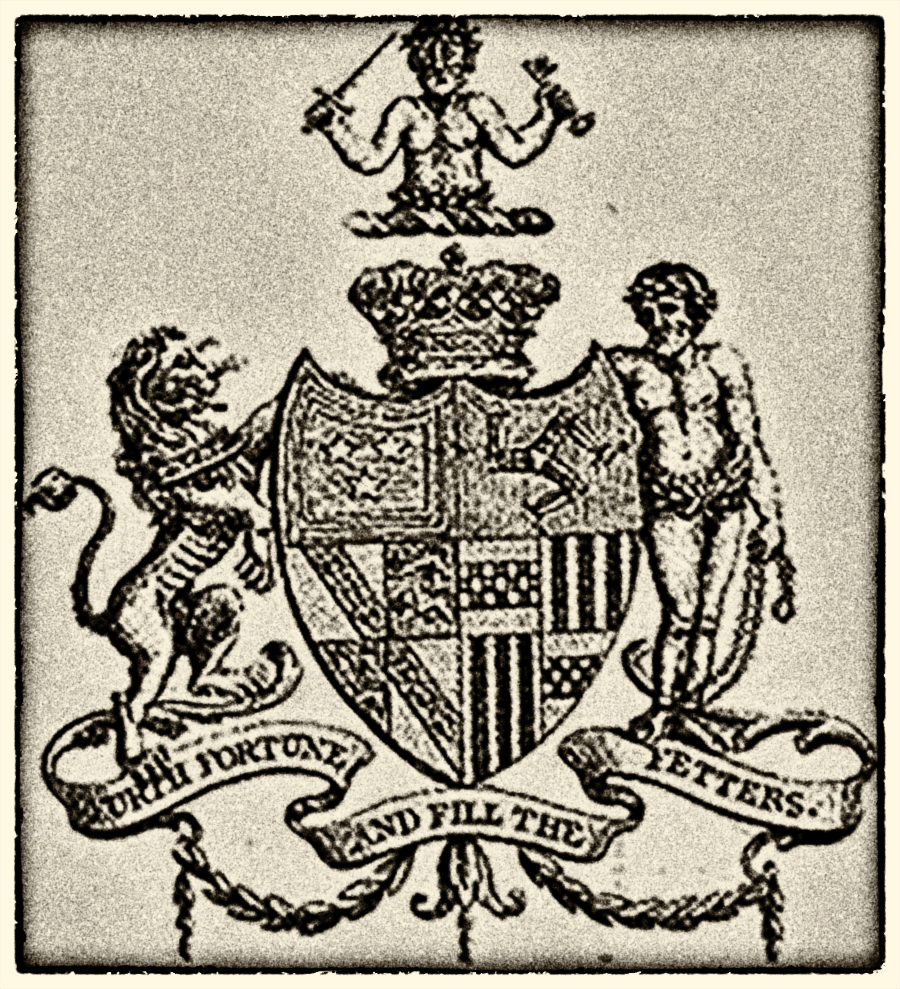
As the more energetic of the Grand Lodges, which formed the United Grand Lodge of England in 1813 was denominated the “Ancients” and the majority of the Lodges under its supervision were known as “Atholl” Lodges, it appeals to us that an article consisting of references thereto by many of the Masonic writers may not prove uninteresting.
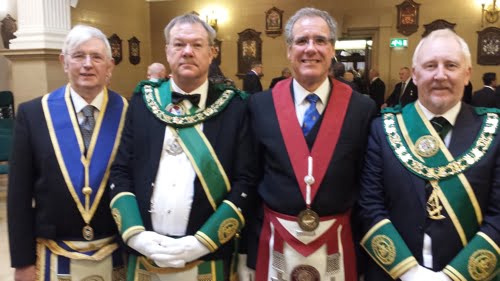
Following the Annual Provincial Meeting in May this year two newly appointed Provincial Grand Stewards wasted no time in visiting ancient and interesting…
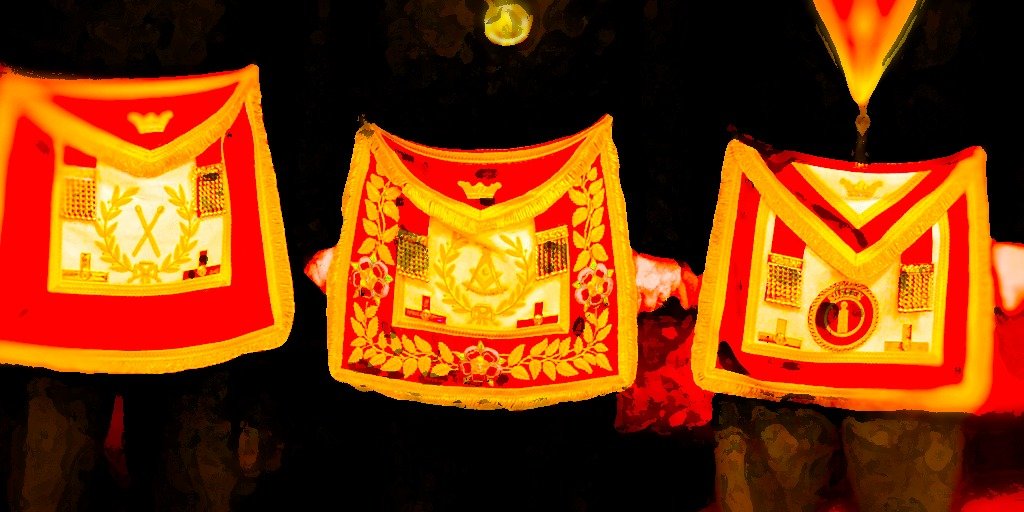
WHY IS IT THAT OUR Fraternity bears the name “Freemasonry” instead of “Masonry”? Why the “free” in it? Far back in the Middle Ages a freemason was the name of a builder who could design buildings as well as construct them. He was what we should now call an architect.
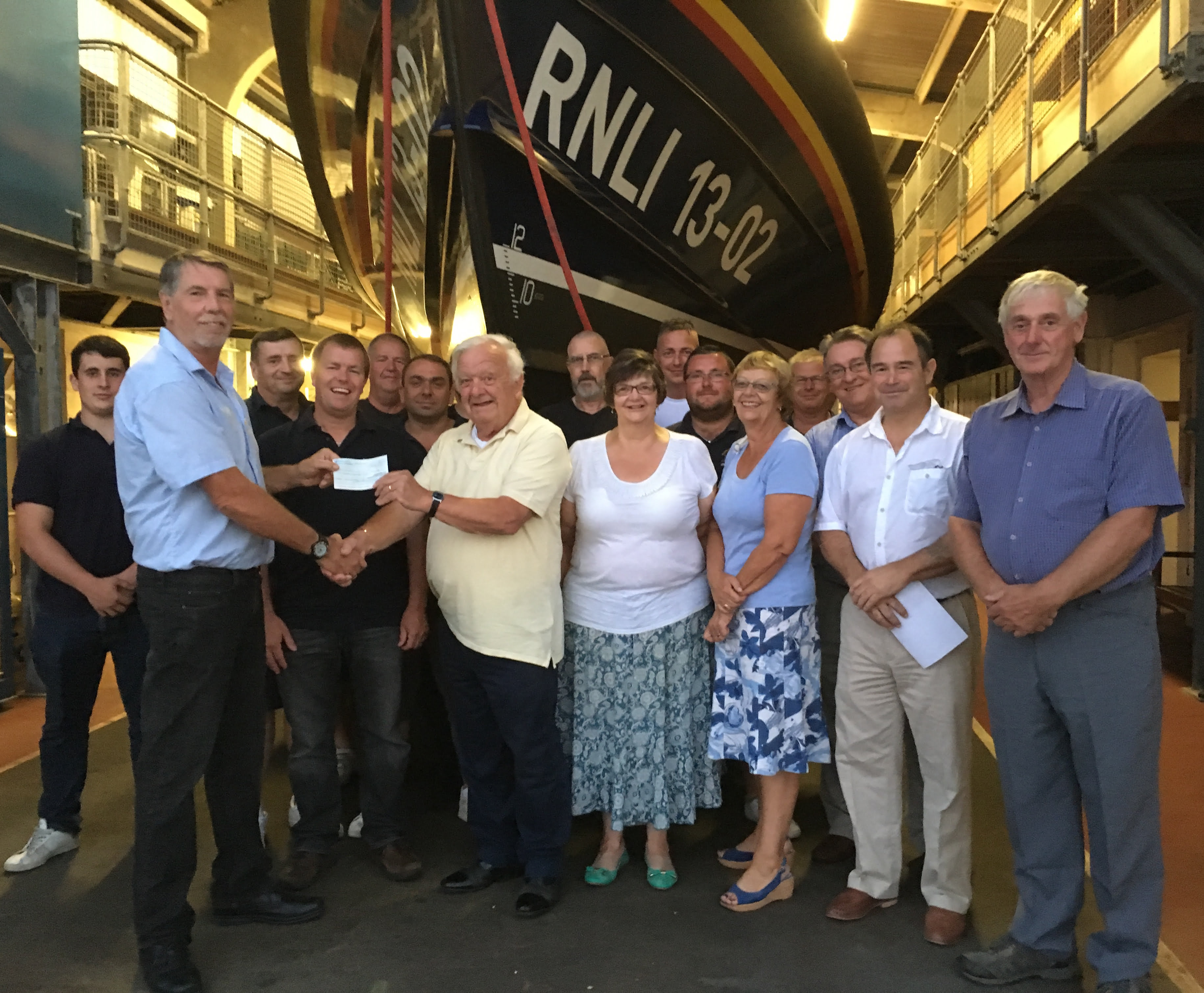
At the Dungeness lifeboat training evening on Wednesday 14 September, the Worshipful Master from the local Romney Marsh Freemasons Lodge, John King presented a cheque for £500 to Roger Gillett, the lifeboat operations manager of the lifeboat station.
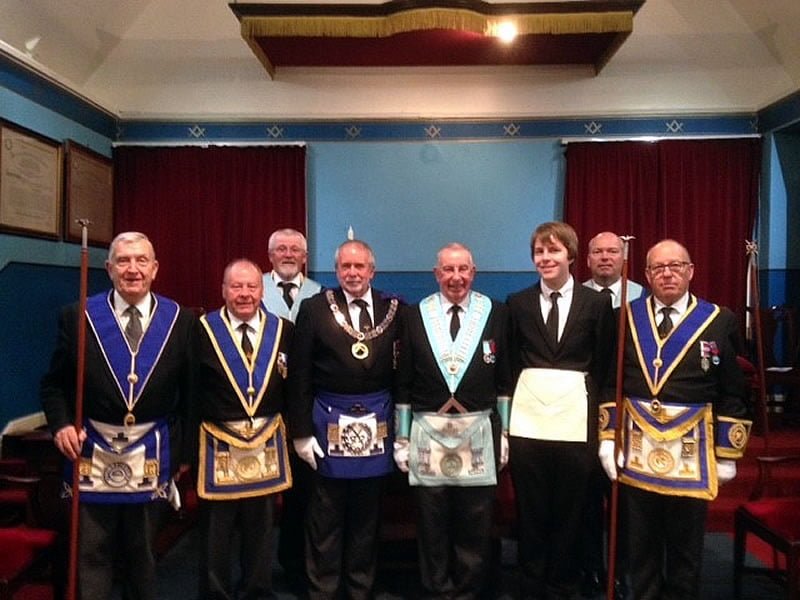
On Saturday 3rd September, the Worshipful Master of Brigantes Lodge, Bro. Ralph Hutchings, led his team of officers in the ceremony of initiation. The candidate was the 26 years old Martin James Hepworth.

I have often wondered at parts of our ritual which have no ready explanation, nor any forthcoming, and which are routinely committed to memory and recited when called upon to do so. One such is “The Perfect Points of Entrance” that demonstrate proof of being a Freemason.
The emerging of freemasonry in China in the 18th century has been reported a British invention, coming from the historical conflict, the Opium War, that involve Great Britain and China in a dispute about the trading routes in the Eastern Chinese coast and commerce of the narcotic product among the Chinese population.