A Masonic Honor for Dr. Raj Bhalla

83e20e5630d9400b46e7d8a0be5086fd

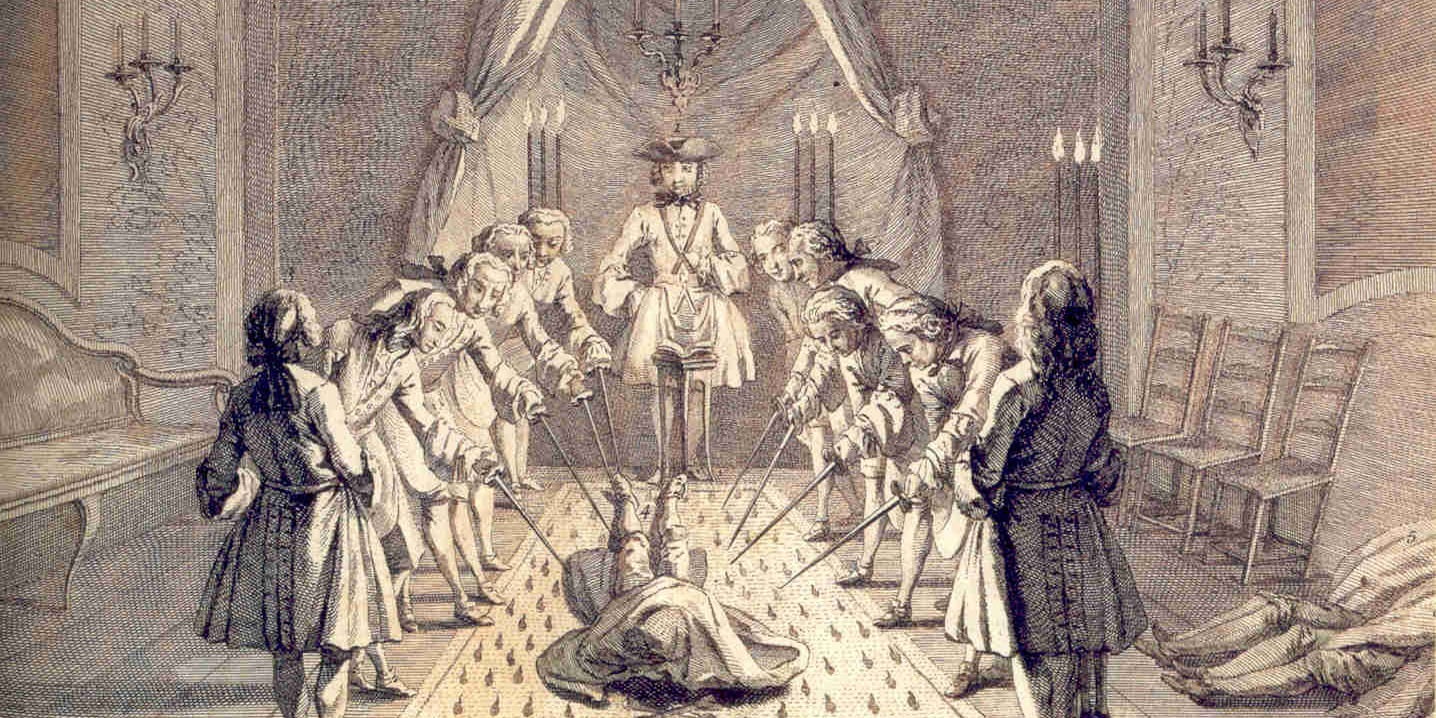
The annals of the work of the freemasons are filled with many worthy deeds, each performed in the spirit of the fraternity that has been inspired since the order was first established long ago in 1717 when the first Grand Lodge of England was formed in London. Personal growth and social betterment via individual involvement and philanthropy have been the guiding lights of the stonemason guilds that have survived through the ensuing centuries.
We are a mirror of society

Old Freemasons Image

A member of society Would you describe Freemasonry as a product of the class struggle? In his 2016 Prestonian Lecture, Dr Richard Berman defines…

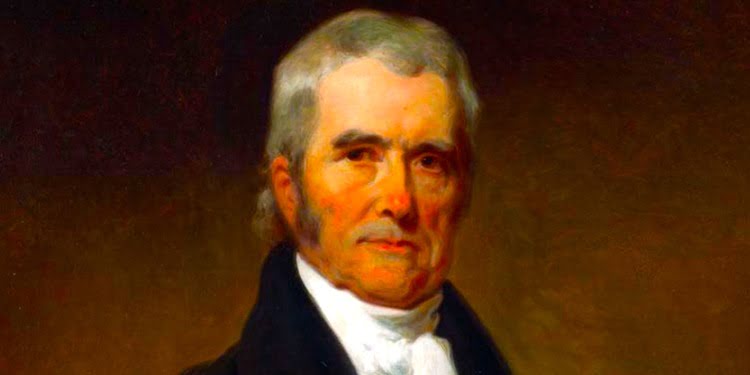
Brother John Marshall

John Marshall Freemason

John Marshall was born on September 24, 1755 at Germantown (now Midland) in what became Fauquier County, Virginia four years later. He served first as lieutenant, and after July, 1778, as captain in the Continental Army in the Revolutionary War. John Marshall spent the winter of 1777-1778 with the troops in Valley Forge.In 1781, he resigned his military commission and studied law

The first French speaking Lodge in the United States

Masonic 1386

When the Grand Orient of France chartered La Loge Française of Richmond, Virginia, in 1849, it became the first French speaking Lodge in the United States. Later that year on November 1, members of the Grand Lodge of Virginia and St. Johns Lodge #36 met with the brothers of La Loge Française in the first recognition of a “regular” or English Lodge and a “clandestine” or French Rite Lodge to take place in America.

FREEMASONRY IN THE EARLY 1600 AND 1700

Bro. W.J. Hughan

There is such an abundance of evidence in proof of the continuity of Freemasonry during the period selected, that it is only necessary to study the special records of the old Lodges, happily still preserved, the Rolls of the “Old Charges”, and especially the extant minutes of the Masons’ Company of London, to be assured that the Freemasons of the present day are the lineal descendants of the operative builders, who in the 17th century, and earlier, admitted speculative or non-professional members.