Library and Museum of Freemasonry
The Old Charges Revisited
Since 1717, this has been a subject of passionate concern to almost every Freemason. There remain a mass of competing views and theories, and this question has dominated research into Freemasonry.
New public exhibition on Freemasonry opens in Leicester
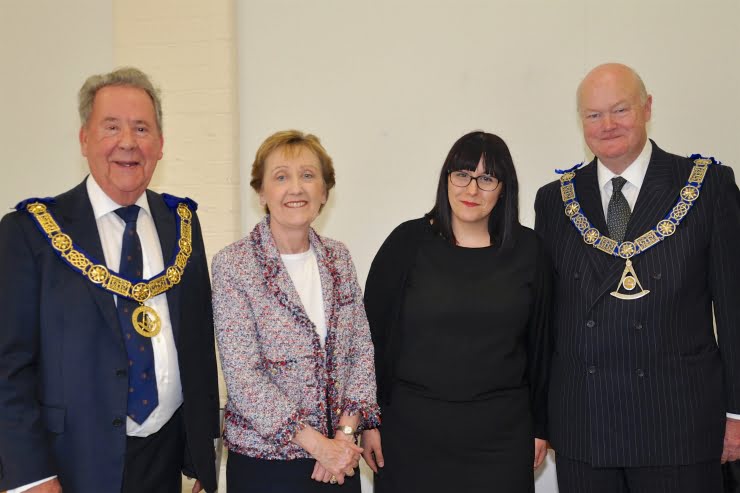
A new and exciting exhibition opened in Leicester on Friday 6th October 2017, as local Freemasons marked the celebration of the 300th anniversary of the…

Oscar Wilde – A University Freemason – by W.Bro. Yasha Beresiner
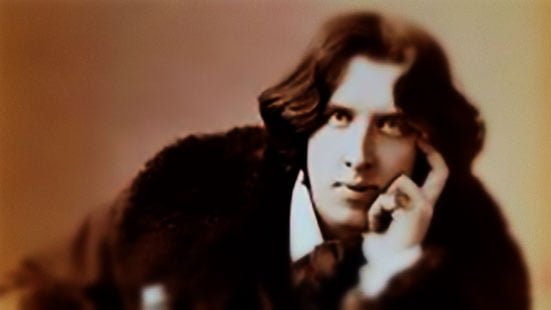
Today no one will deny the genius of Oscar Wilde. Yet during his own lifetime he was spurned and humiliated in spite of the success of much of his work. He was a victim of the society into which he was born. The Victorian middle-class, whose sacred institutions of morality Wilde was to infringe, simply had no patience or tolerance for him. The saddest of the tragedies that Wilde was to write could not match the events that were to unfold and Freemasonry, which did play a significant part during his time at Oxford
Celebrating 100 Years of Masonic Relief in Covina
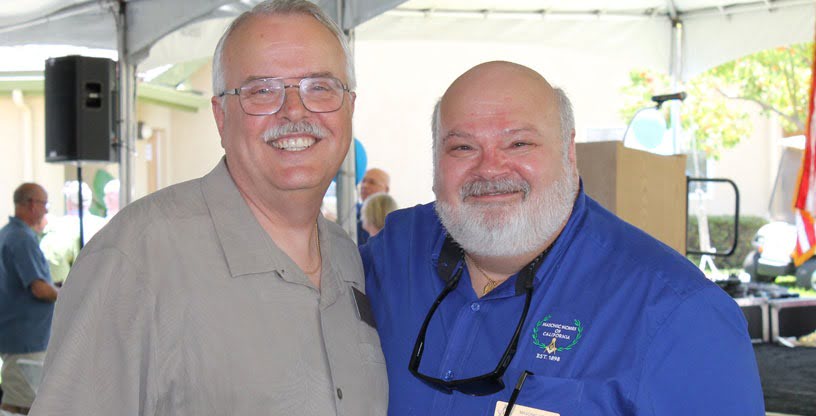
On June 26, 2016, thousands of Masonic family members and friends came to the Masonic Home at Covina to take part in the campus’ highly anticipated centennial celebration.
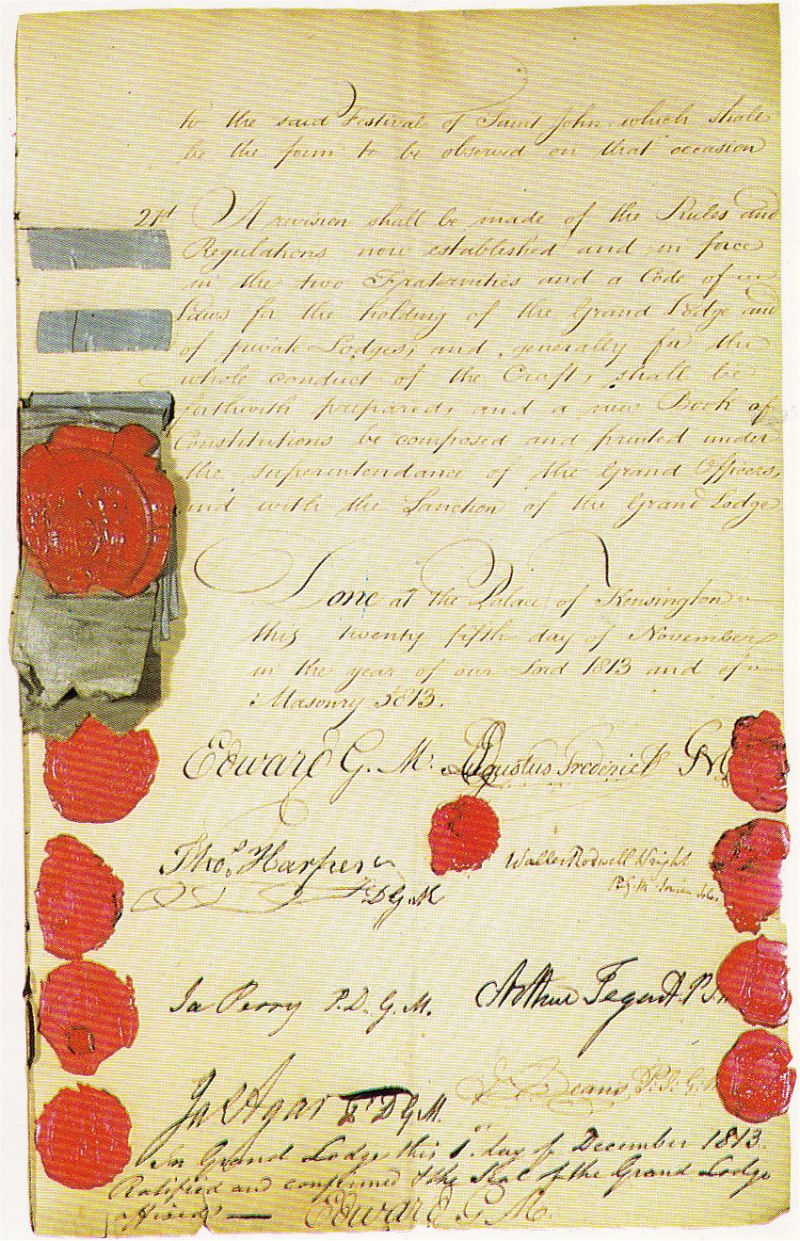
1813 Revival by Sussex of Restoration Chapter No 1 – 1769
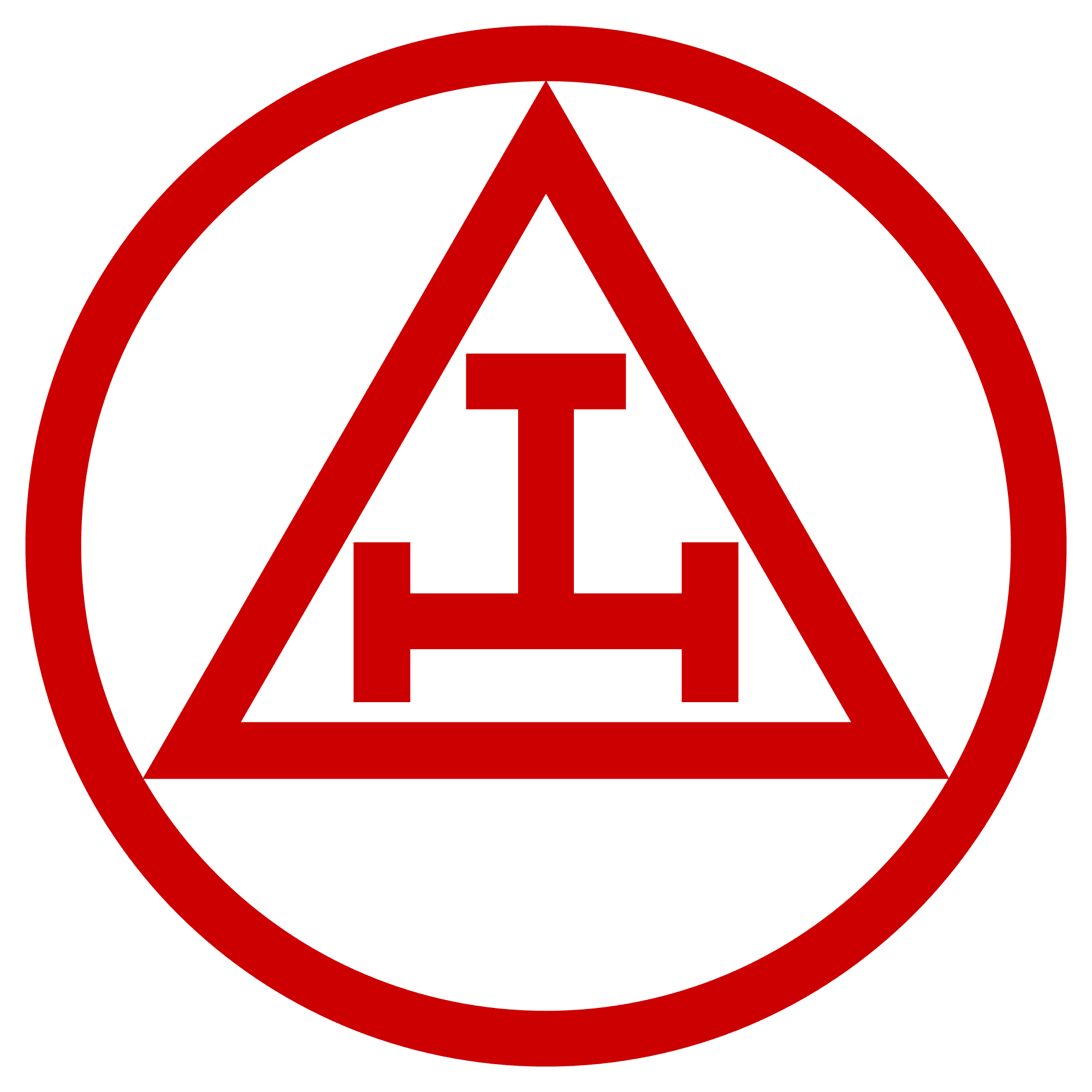
Records of Royal Arch activity in England, in today’s Supreme Grand Chapter, start with the entry in the first minute book of the unnamed ‘Excellent Grand and Royal Chapter’. They are dated 22 March 1765 and show the first meeting to have been held at the mysterious and still unidentified Mr Inge’s premises, until the move to The Turk’s Head in Gerrard Street, Soho, London on 12 June of the same year. It took a further four years before Supreme Grand Chapter issued warrants establishing the first new Chapters under the jurisdiction of the Order.
Dr Robert Thomas Crucefix
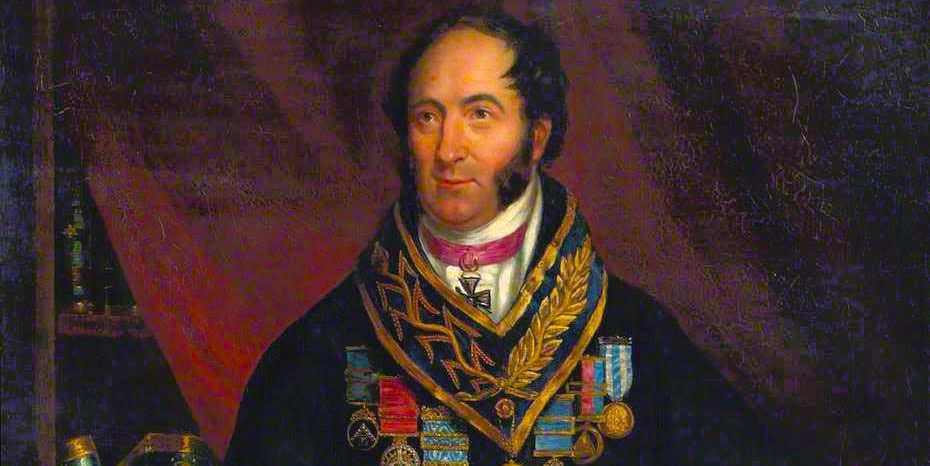
An English Freemason, distinguished for his services to the Craft. Robert Thomas Crucefix, M.D., I·.D., was born in Holborn, England, in the year 1797, and received his education at Merchant Tailors’ School. After leaving school, he became the pupil of Doctor Chamberlayne, a general and celebrated practitioner of his day, at Clerkenwell ; he afterward became a student at Saint Bartholomew’s Hospital and was a pupil of the celebrated Abernethy.
Masonic Jewels ( Past Exhibitions ) | Sheffield Freemasonry
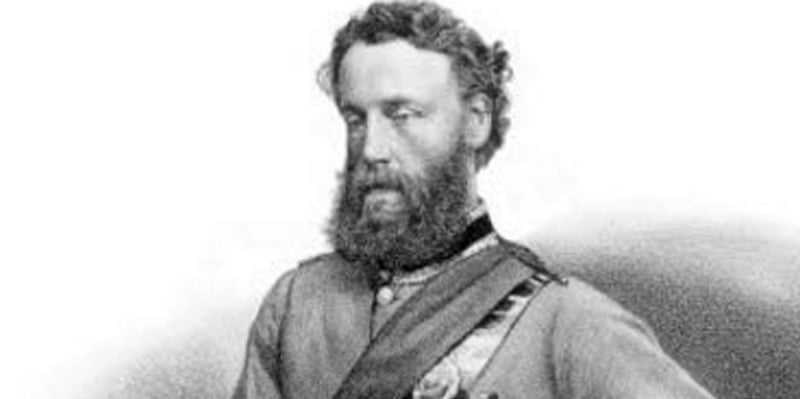
To mark the 150th Anniversary of the presentation of the first medals in 1856, the Library and Museum of Freemasonry had a exhibition about some holders…
John Bowes: Freemason, civil rights advocate and philantrhopist
Public display Civil rights advocate and art collector John Bowes seemed destined for masonic greatness. Philippa Faulks discovers the Provincial…