King Camp Gillette – Freemason & Innovator
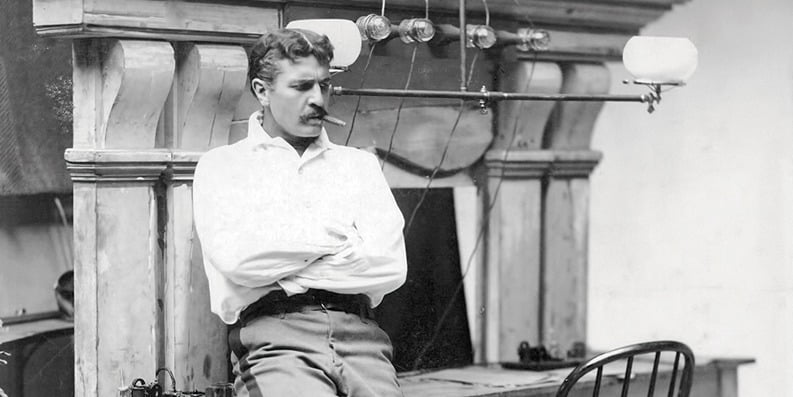
Gillette was born on January 5th, 1855 in Fond du Lac, Wisconsin. He was later raised in Chicago, Illinois with his entire family surviving the Great Chicago Fire in 1871 when he was 16.
Promoting the Fraternity across the World
Gillette was born on January 5th, 1855 in Fond du Lac, Wisconsin. He was later raised in Chicago, Illinois with his entire family surviving the Great Chicago Fire in 1871 when he was 16.
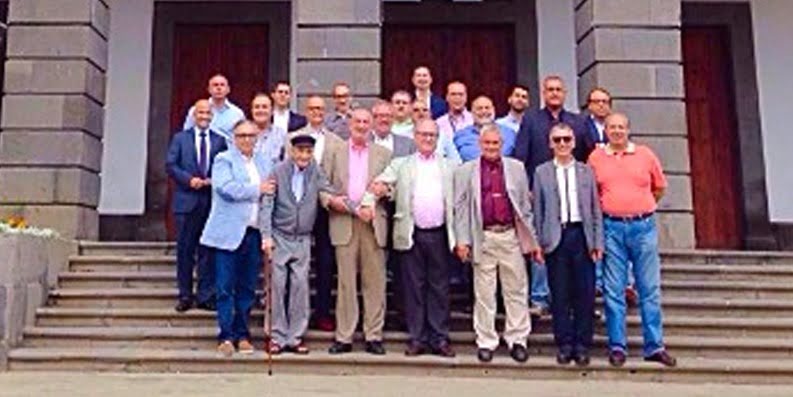
Las Palmas unanimously Demands the restoration of the honor of the Spanish Freemasonry
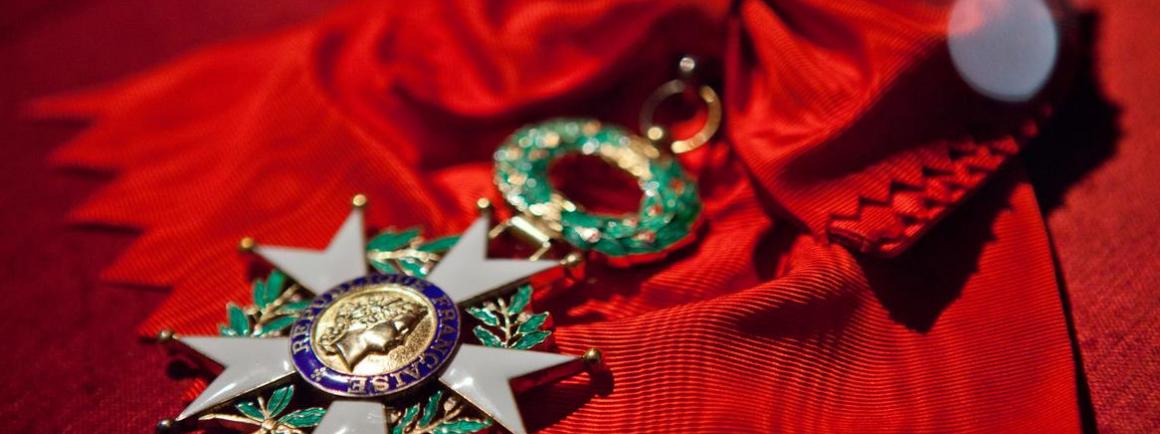
The Legion d’Honneur is the highest French order for military and civil merits, established in 1802 by Napolean Bonaparte.
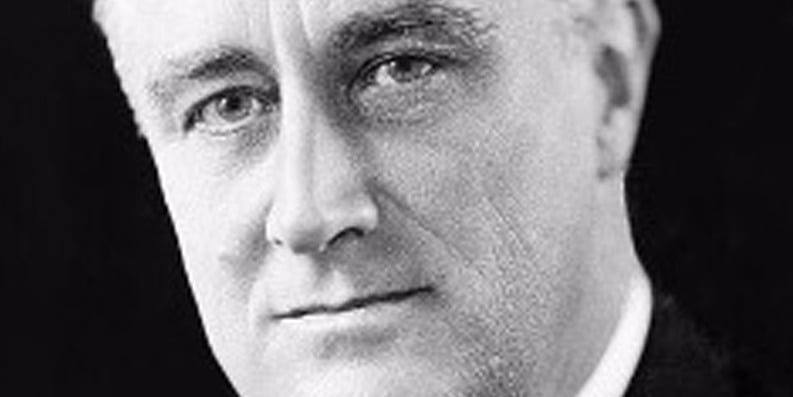
Considered by many to be one of the quintessential American leaders of the 20th century, Franklin Delano Roosevelt, who quickly became known as FDR, was the 32nd President of the United States of America. His leadership, guidance, and solutions to national issues made him a central figure in world politics for some of the most defining moments, both nationally and internationally, in recent memory
For centuries Masonic historians have been puzzled by the motives for, and the purpose of, the formation of the craft of freemasonry, both in its operative, and speculative form, and whilst endeavouring to investigate the mysteries surrounding the formation of our order, it seems that the riddle actually forms itself into three distinct questions
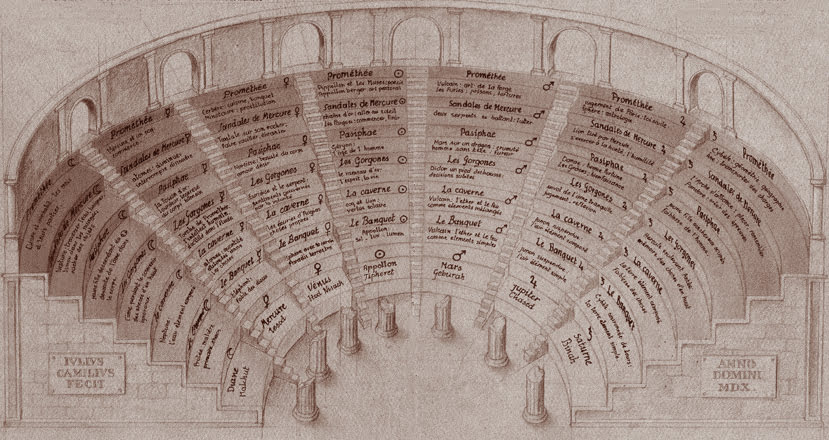
Why is memory so important to Freemasons? I’m sure to many of you, that will seem obvious. Yet, beyond memorizing material so that you can do things like prove up to a higher degree, perform your ritual part well, do the floorwork, deliver a charge or even deliver a tracing board, there is a great deal more to this topic than one might think at first glance. Thus, in this brief paper, I hope to sketch out three interrelated areas in which memory may – whether consciously or inadvertently – be of significance to Freemasons.
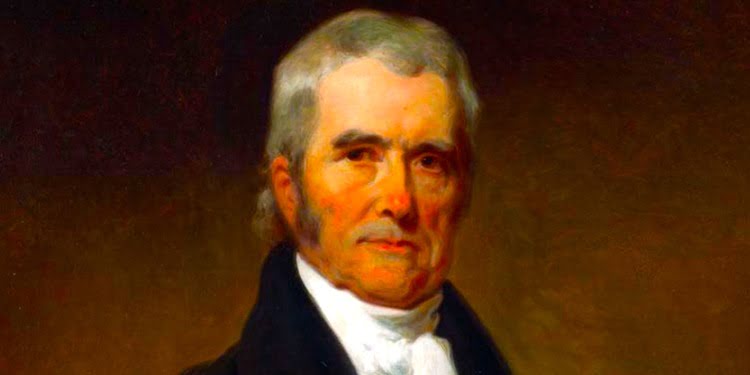
John Marshall was born on September 24, 1755 at Germantown (now Midland) in what became Fauquier County, Virginia four years later. He served first as lieutenant, and after July, 1778, as captain in the Continental Army in the Revolutionary War. John Marshall spent the winter of 1777-1778 with the troops in Valley Forge.In 1781, he resigned his military commission and studied law
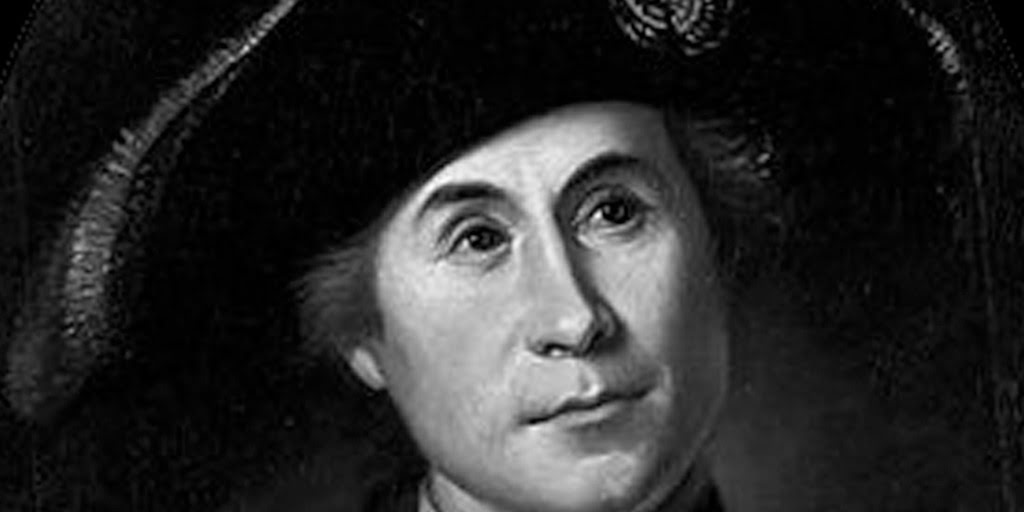
John Paul Jones is probably the best known Naval figure of the Revolutionary War He was born John Paul (The Jones was added later in America) in Kirkeudbright Scotland on July 6, 1747. His father, also named John Paul, was a gardener and his mother was Jean MacDuff. There were seven children in his family, John was number five. His oldest brother William Paul migrated to Fredericksburg, Virginia and was an important point of contact on this side of the Atlantic.
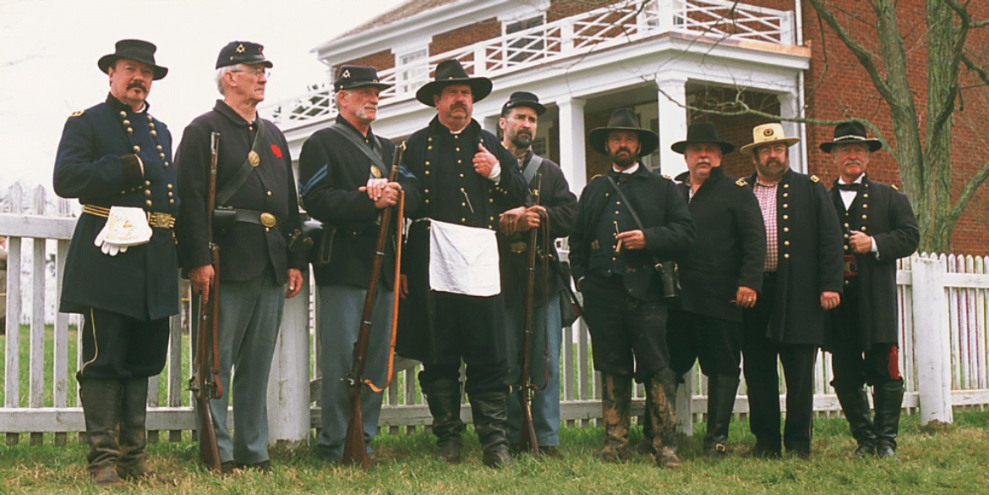
On April 10, 2015 to commemorate the Sesquicentennial (150 years) of Confederate General Robert E. Lee’s surrender to Union General Ulysses S. Grant. These notable Civil War reenactors, calling from north to south, each share one thing in common – they are all brother Masons – with many of them hailing from Pennsylvania Lodges.
.
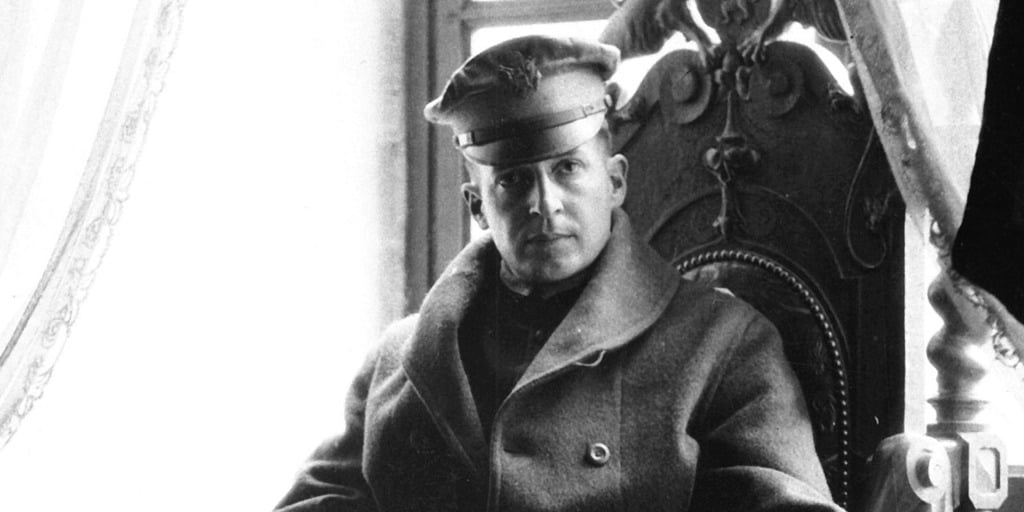
Douglas MacArthur lived his entire life, from cradle to grave, in the United States Army. He spent his early years in remote sections of New Mexico, where his father, Arthur MacArthur Jr., commanded an infantry company. As a teenager, Arthur had served with distinction in the Union Army, eventually earning the Congressional Medal of Honor for leading a courageous assault up Missionary Ridge in Tennessee. But he soon discovered that life in the post-Civil War U.S. Army held little of the glamour he knew during the war.