Masonic Charity helps Greater Manchester Scouts prepare for World Jamboree
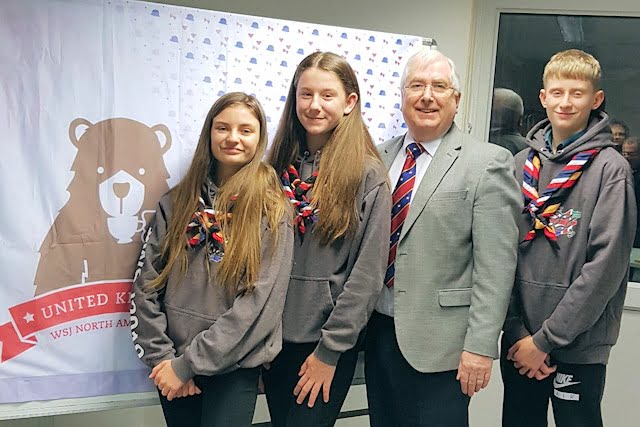
Masonic Charity helps Greater Manchester Scouts prepare for World Jamboree
Promoting the Fraternity across the World
Masonic Charity helps Greater Manchester Scouts prepare for World Jamboree
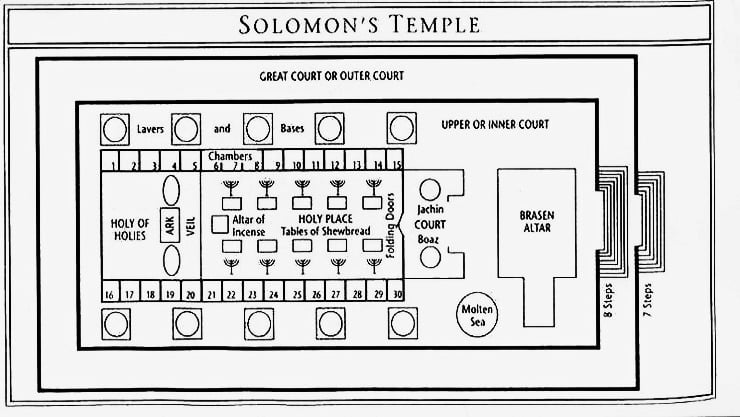
In being associated with the construction industry and in having our lodges as a representation King Solomon’s Temple, there is in myself and perhaps many…

2018 Quatuor Coronati Conference at GW Memorial 8/14-16/2018 Call For Papers
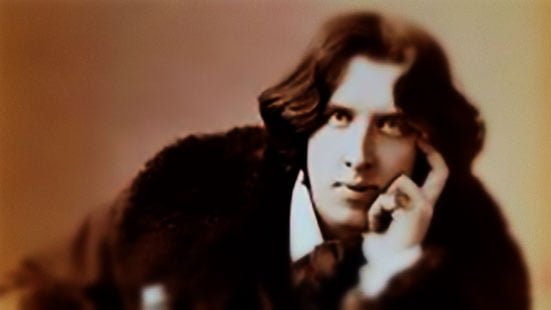
Today no one will deny the genius of Oscar Wilde. Yet during his own lifetime he was spurned and humiliated in spite of the success of much of his work. He was a victim of the society into which he was born. The Victorian middle-class, whose sacred institutions of morality Wilde was to infringe, simply had no patience or tolerance for him. The saddest of the tragedies that Wilde was to write could not match the events that were to unfold and Freemasonry, which did play a significant part during his time at Oxford
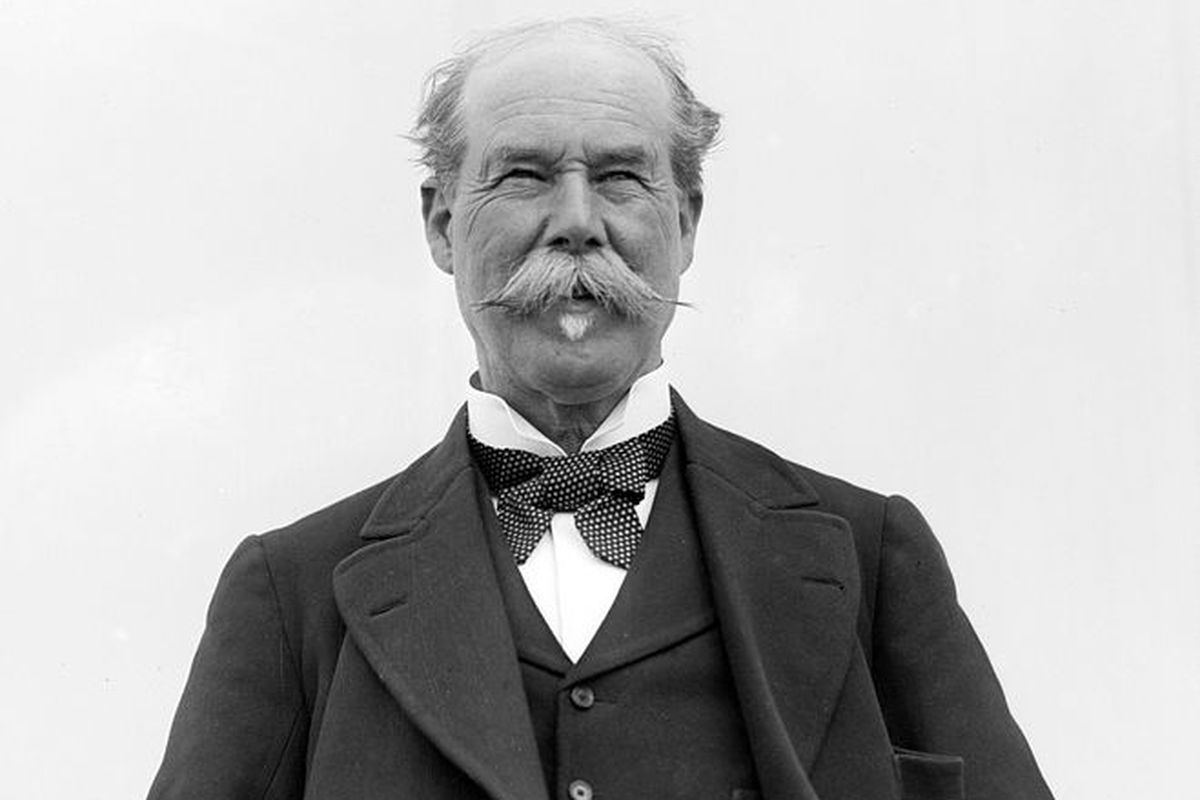
A self-made man who brought tea to the British masses, Freemason Sir Thomas Johnstone Lipton also campaigned for the sick and the poor, as Philippa Faulks discovers
Many masonic lodges around the world can boast of a famous member among their ranks, but Glasgow’s Lodge Scotia, No. 178, has one rather remarkable brother – Sir Thomas Johnstone Lipton. As with many other masons quietly carrying out acts of philanthropy, Lipton remains an unsung hero.
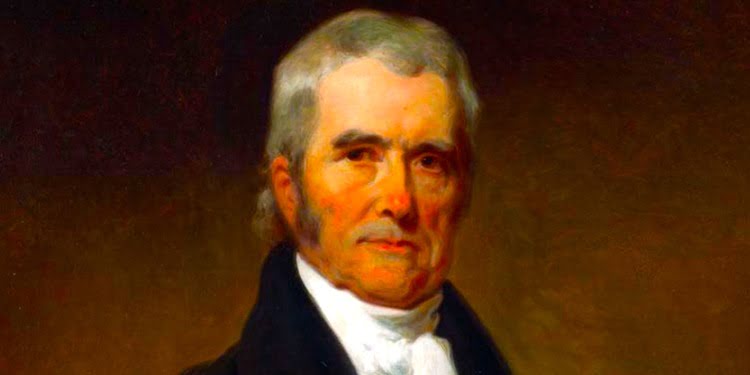
John Marshall was born on September 24, 1755 at Germantown (now Midland) in what became Fauquier County, Virginia four years later. He served first as lieutenant, and after July, 1778, as captain in the Continental Army in the Revolutionary War. John Marshall spent the winter of 1777-1778 with the troops in Valley Forge.In 1781, he resigned his military commission and studied law
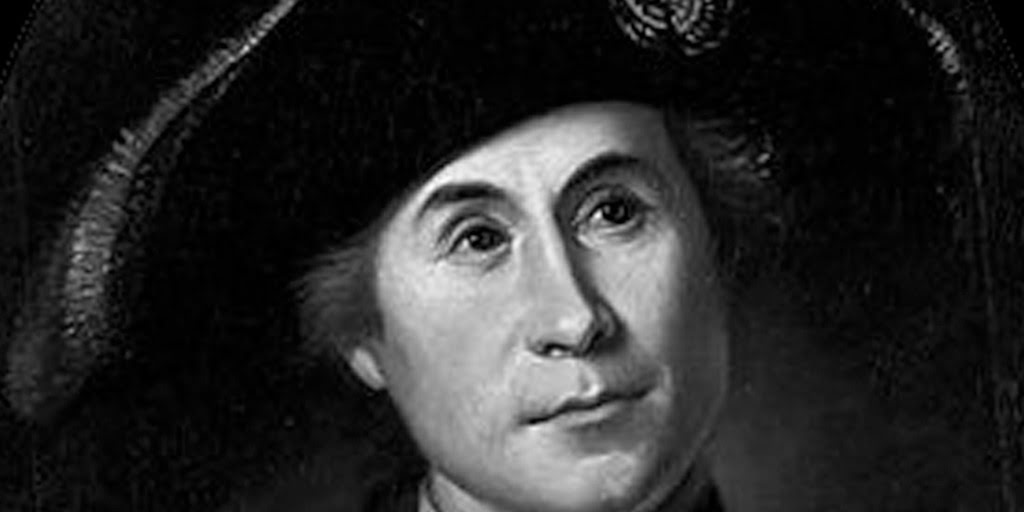
John Paul Jones is probably the best known Naval figure of the Revolutionary War He was born John Paul (The Jones was added later in America) in Kirkeudbright Scotland on July 6, 1747. His father, also named John Paul, was a gardener and his mother was Jean MacDuff. There were seven children in his family, John was number five. His oldest brother William Paul migrated to Fredericksburg, Virginia and was an important point of contact on this side of the Atlantic.
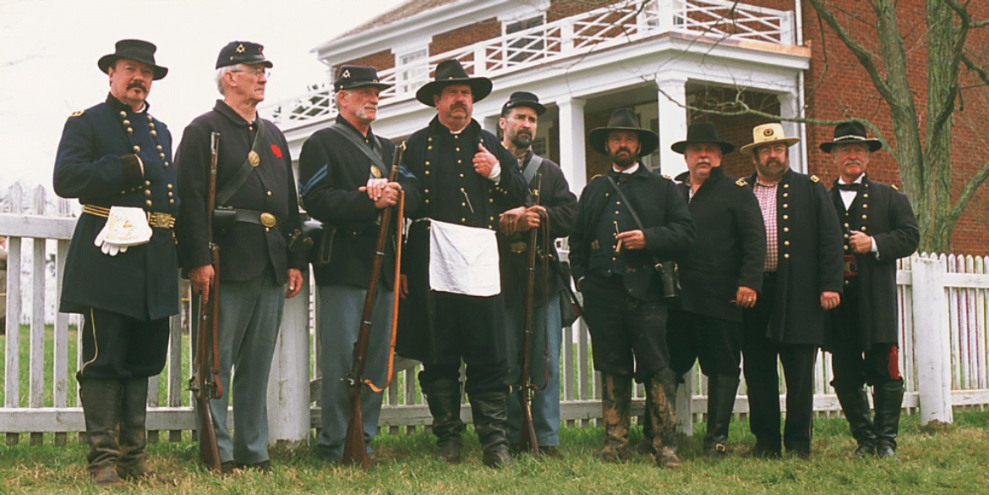
On April 10, 2015 to commemorate the Sesquicentennial (150 years) of Confederate General Robert E. Lee’s surrender to Union General Ulysses S. Grant. These notable Civil War reenactors, calling from north to south, each share one thing in common – they are all brother Masons – with many of them hailing from Pennsylvania Lodges.
.
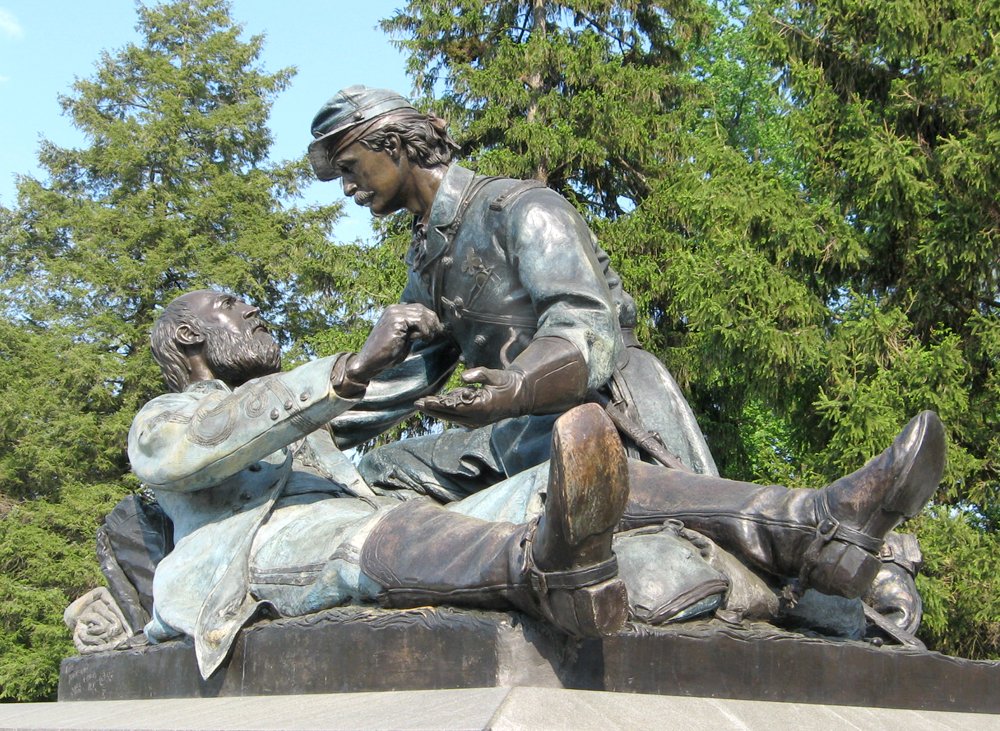
When the Grand Orient of France chartered La Loge Française of Richmond, Virginia, in 1849, it became the first French speaking Lodge in the United States. Later that year on November 1, members of the Grand Lodge of Virginia and St. Johns Lodge #36 met with the brothers of La Loge Française in the first recognition of a “regular” or English Lodge and a “clandestine” or French Rite Lodge to take place in America.

When General Horatio King asked William McKinley how he happened to become a Mason, he explained,” After the Battle of Opequam, I went with our surgeon of our Ohio regiment to the field where there were about 5,000 Confederate prisoners under guard. Almost as soon as we passed the guard, I noticed the doctor shook hands with a number of Confederate prisoners. He also took from his pockets a roll of bills and distributed all he had among them. Boy-like, I looked on in wonderment; I didn’t know what it all meant. On the way back from camp I asked him: