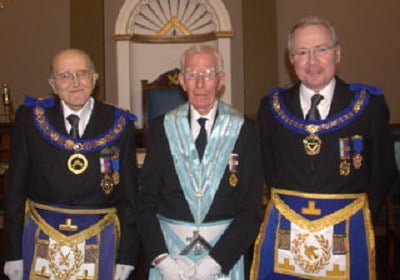
Sir William J Clarke – First Grand Master of the United Grand Lodge of Victoria
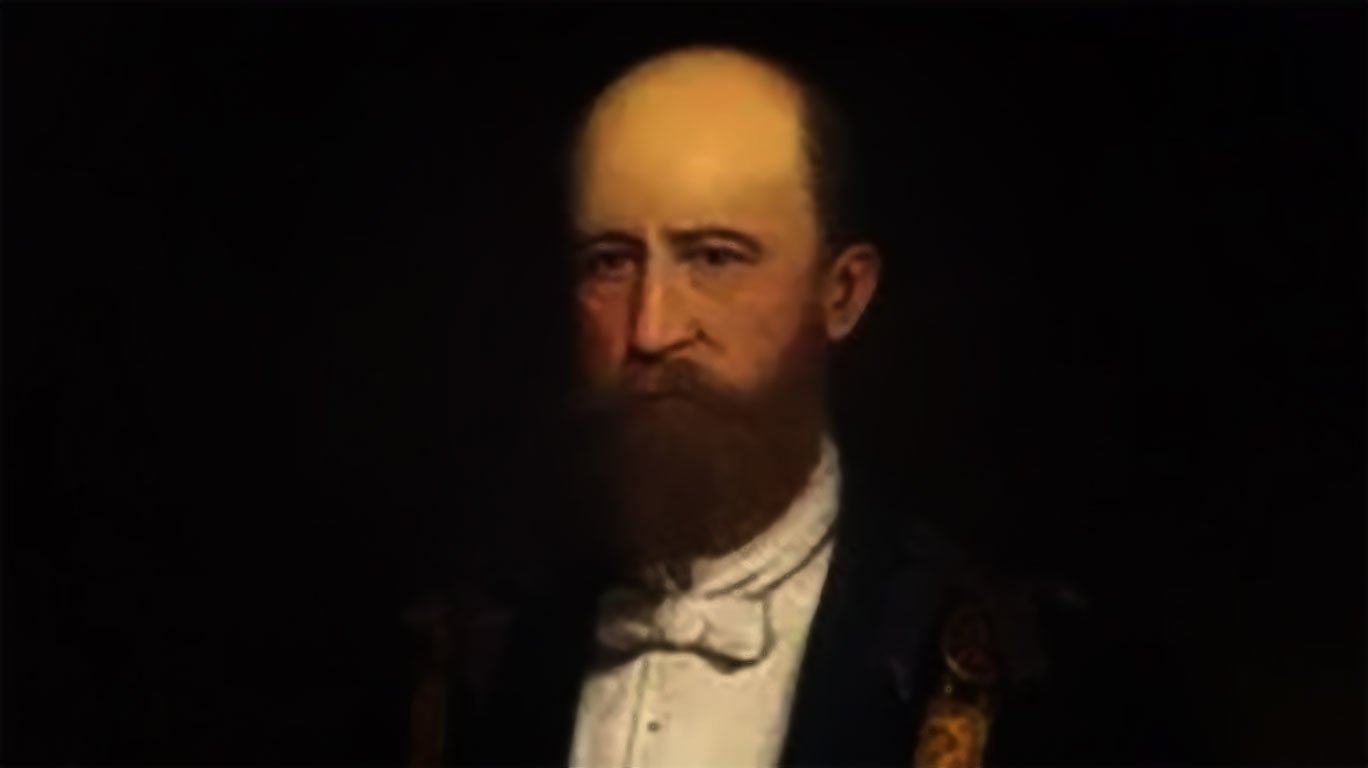
Sir William J Clarke – First Grand Master of the United Grand Lodge of Victoria

The foundation stone of the Freemasons Hall in Melbourne was laid by him in March 1885, the finished building being consecrated by him to Masonic purposes in March 1887. In 1889 he became the very first Most Worshipful Grand Master of the United Grand Lodge of Victoria, an amalgamation of the three bodies that had operated at that time under their own constitutions. In 1885 he had largely financed the building of the Freemasons’ Hall at 25 Collins Street.
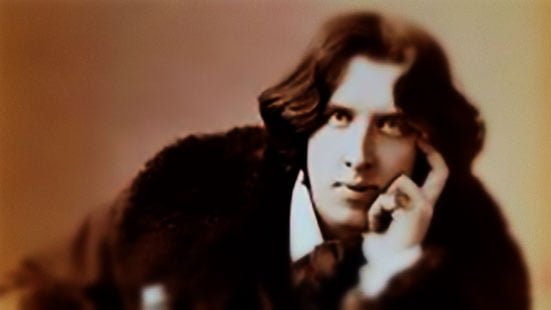
Oscar Wilde – A University Freemason – by W.Bro. Yasha Beresiner

Oscar Wilde – A University Freemason

Today no one will deny the genius of Oscar Wilde. Yet during his own lifetime he was spurned and humiliated in spite of the success of much of his work. He was a victim of the society into which he was born. The Victorian middle-class, whose sacred institutions of morality Wilde was to infringe, simply had no patience or tolerance for him. The saddest of the tragedies that Wilde was to write could not match the events that were to unfold and Freemasonry, which did play a significant part during his time at Oxford

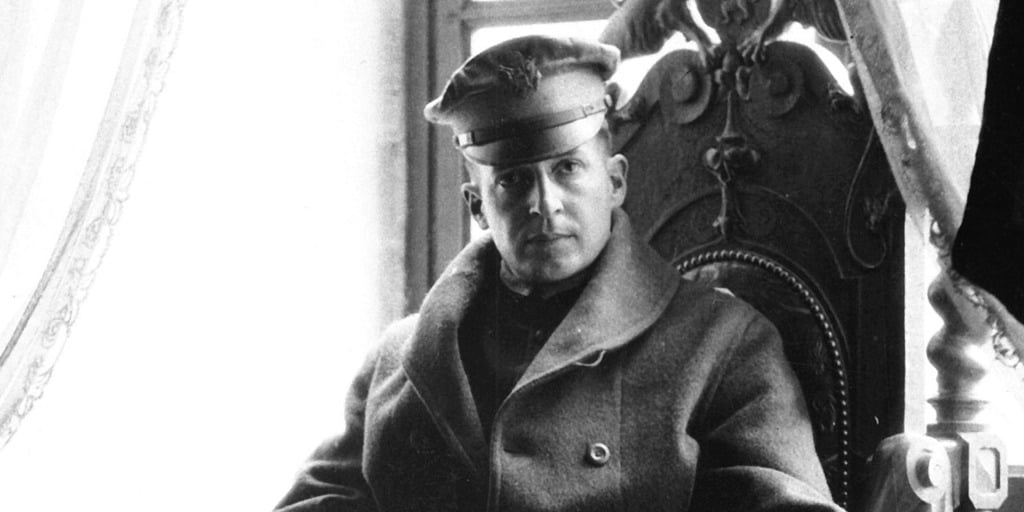
Douglas MacArthur – Freemason, American five-star general and field marshal of the Philippine Army

Douglas MacArthur   Freemason , American five star general and field marshal of the Philippine Army

Douglas MacArthur lived his entire life, from cradle to grave, in the United States Army. He spent his early years in remote sections of New Mexico, where his father, Arthur MacArthur Jr., commanded an infantry company. As a teenager, Arthur had served with distinction in the Union Army, eventually earning the Congressional Medal of Honor for leading a courageous assault up Missionary Ridge in Tennessee. But he soon discovered that life in the post-Civil War U.S. Army held little of the glamour he knew during the war.

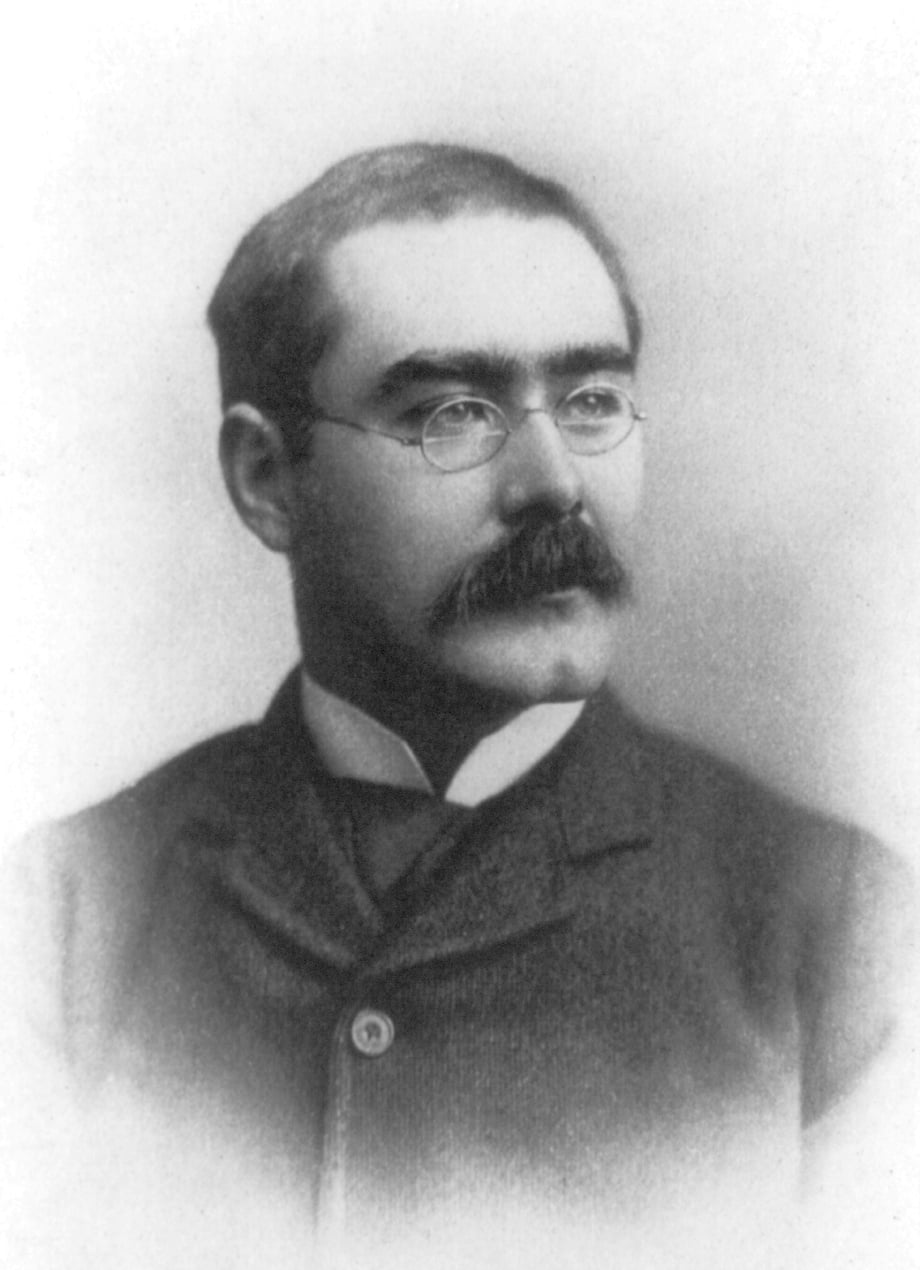
Kipling and the Craft

Image of Rudyard Kipling who wrote thhis Tylers Toast

The need for this further essay was first made apparent to me when—in my capacity as Secretary of the Lodge and Editor of the Transactions—I began to receive inquiries from Brethren as far away as Vancouver and Singapore, asking for materials and information which might help them to complete their own papers on Kipling, and I found, to my surprise, that while our library contains a great deal of relevant material, there has never been a paper on Kipling in our Transactions.