The Different Types of Freemasons By Mason Pratt
I would like to make something absolutely clear at the onset of this presentation. I do not wish to or infer from any of the following definitions that I…
Promoting the Fraternity across the World
I would like to make something absolutely clear at the onset of this presentation. I do not wish to or infer from any of the following definitions that I…

East Kent Freemasons have given a grant of £31,000 to the Canterbury Cathedral Trust to support the fourth year’s training for a young apprentice stonemason at the Cathedral, which comes through the Masonic Charitable Foundation
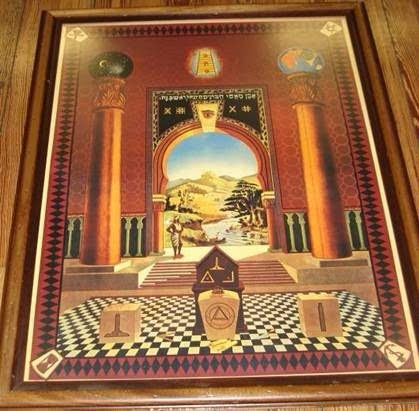
The Mark is a ceremony or degree [sometimes called the ‘friendly’ degree], conferrable today only to Master Masons and forms part of a hierarchical organization. In Craft Masonry it was quite a late innovation making its appearance during the mid-1700s. However we do know that Operative Masons, without any kind of ceremony, were taking marks 150 years before the Mark came into use as part of that particular ceremony.
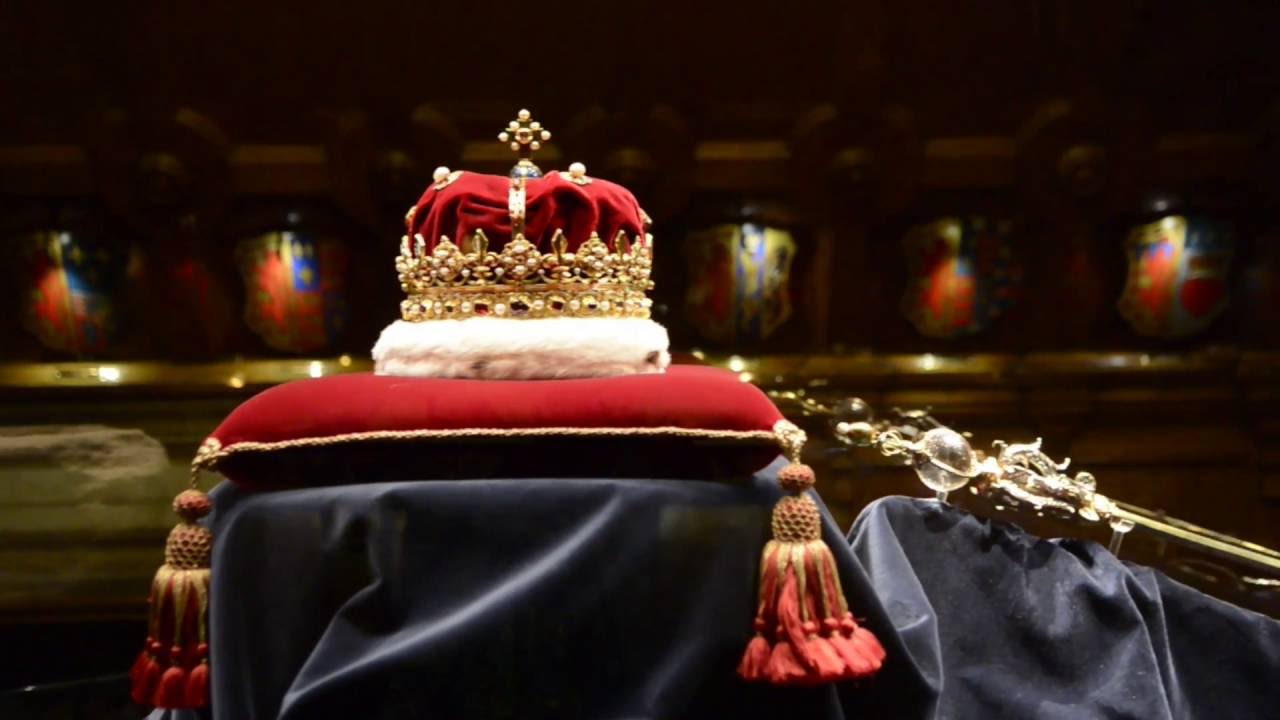
‘From time immemorial’ we have been very fortunate in that our Craft has had the support of Royalty. Without that support I doubt that we would be in…
Freemasonry is founded on a commitment to support each other in friendship, fellowship and service to mankind. For thousands of years, people have found spiritual and philosophical fulfilment through freemasonry, which still operates on the same core values.

There is so much miss information in the Public domain about Freemasonry, this article goes to some length in explaining answers to criticisms that its receives.
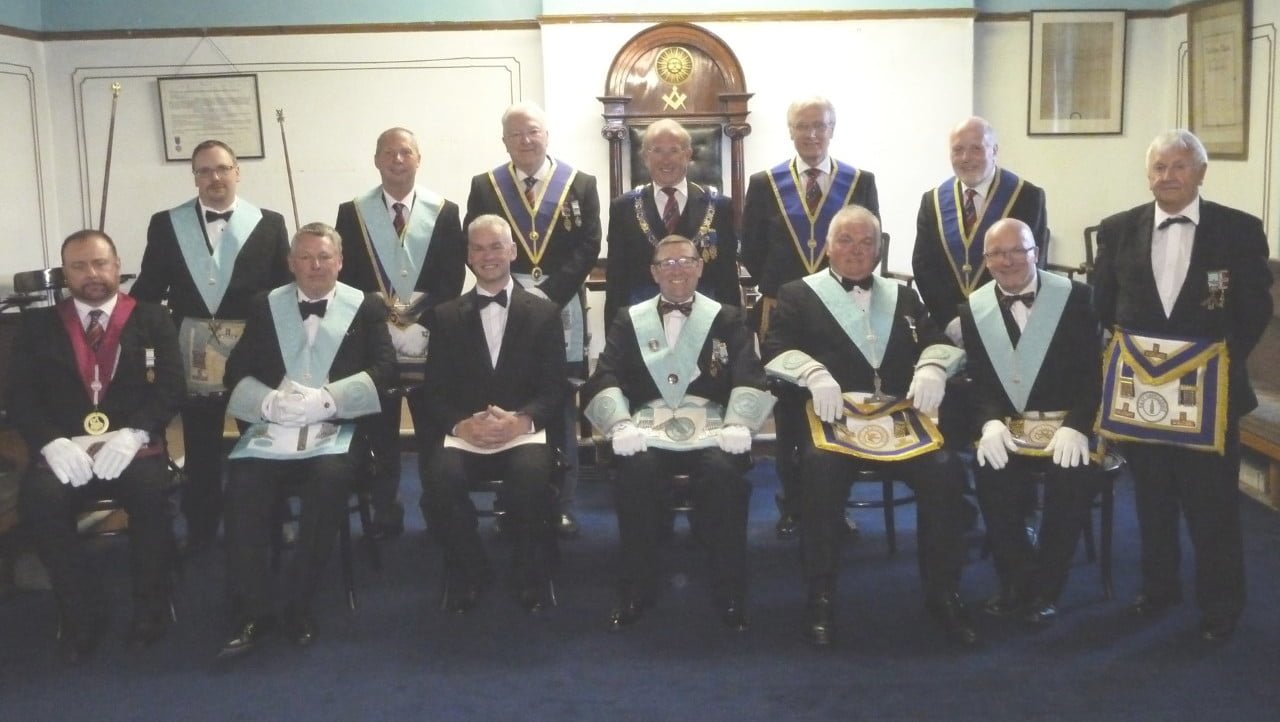
Roclyffe Lodge No 5198 that meets at Bacup have recently had two applicants for Initiation into their Lodge. The first of these Initiations took place on Thursday 25th May but, due to holidays and other commitments of their members, they had a shortfall of numbers of their members who were able to take part in the Initiation Ceremony
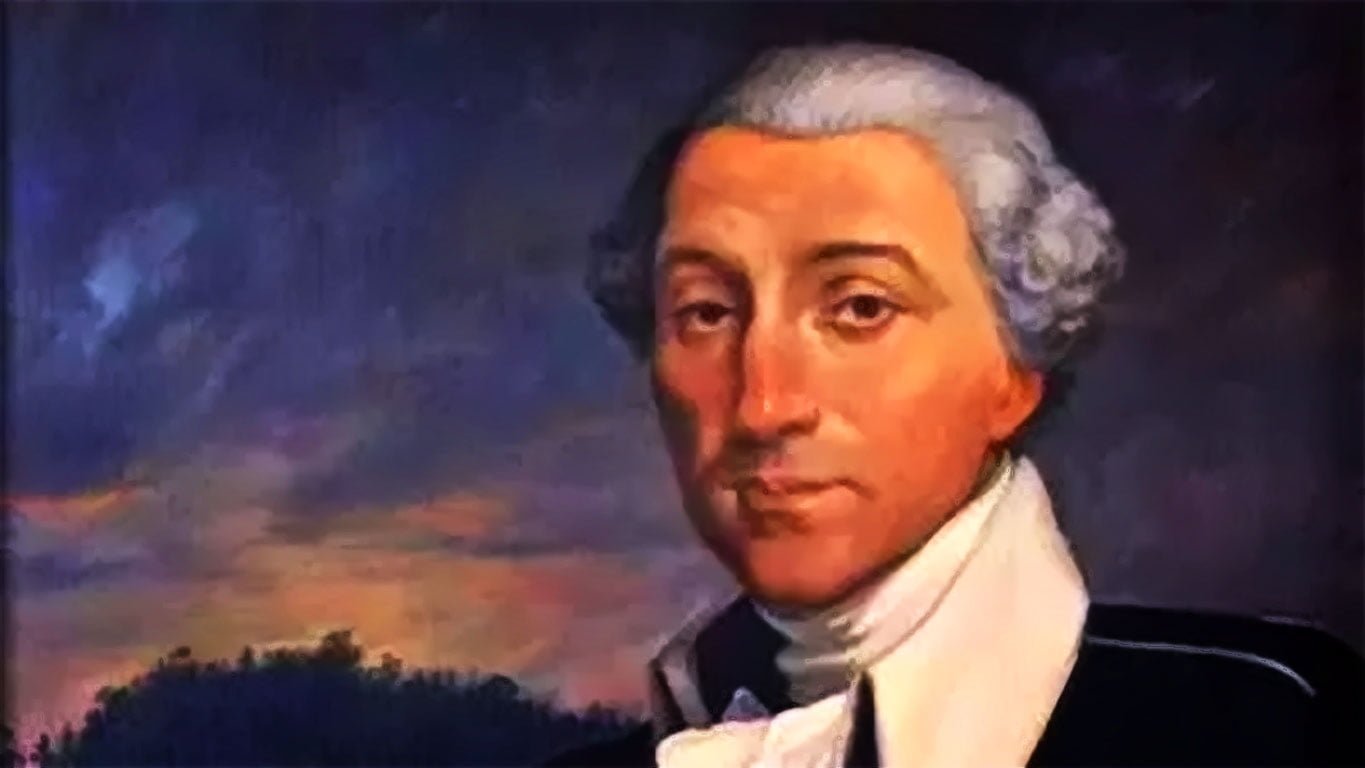
French-born American architect and civil engineer, Pierre Charles L’Enfant established a successful and highly profitable civil engineering firm in New York City and is best known for designing the original layout of the streets of Washington, D.C. in 1791.

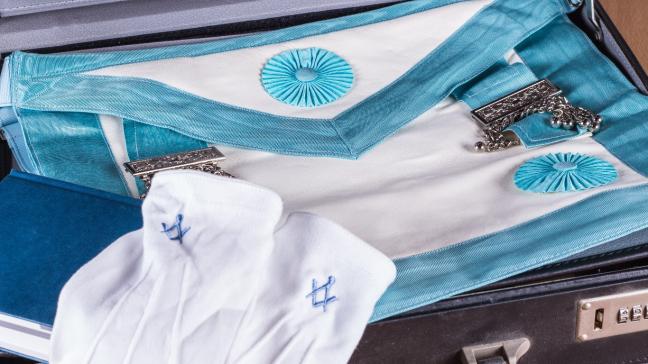
Perhaps the most universal symbol of Masonry, other than the Square & Compass or the seemingly all pervasive letter G, is that singular mark of distinction which every Entered Apprentice is first presented with –the white lambskin apron. Recognised around the globe as the distinguishing “badge” of the Mason, the lambskin apron is rich with symbolism and practical instruction for the speculative initiate of our Craft who is willing to seek more Light.
