Thomas Harper Royal Arch Jewel – 1819
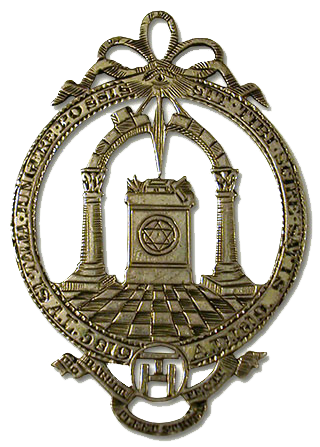
On the bottom scroll is inscribed the motto “Nil nisi clavis deest, nothing but the key is wanting”, which may be taken in its literal sense. Then the…
Promoting the Fraternity across the World
On the bottom scroll is inscribed the motto “Nil nisi clavis deest, nothing but the key is wanting”, which may be taken in its literal sense. Then the…

I have often wondered at parts of our ritual which have no ready explanation, nor any forthcoming, and which are routinely committed to memory and recited when called upon to do so. One such is “The Perfect Points of Entrance” that demonstrate proof of being a Freemason.
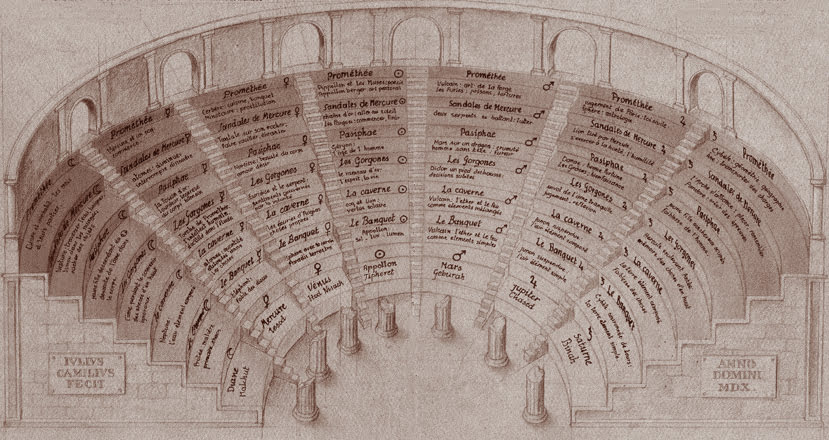
Why is memory so important to Freemasons? I’m sure to many of you, that will seem obvious. Yet, beyond memorizing material so that you can do things like prove up to a higher degree, perform your ritual part well, do the floorwork, deliver a charge or even deliver a tracing board, there is a great deal more to this topic than one might think at first glance. Thus, in this brief paper, I hope to sketch out three interrelated areas in which memory may – whether consciously or inadvertently – be of significance to Freemasons.
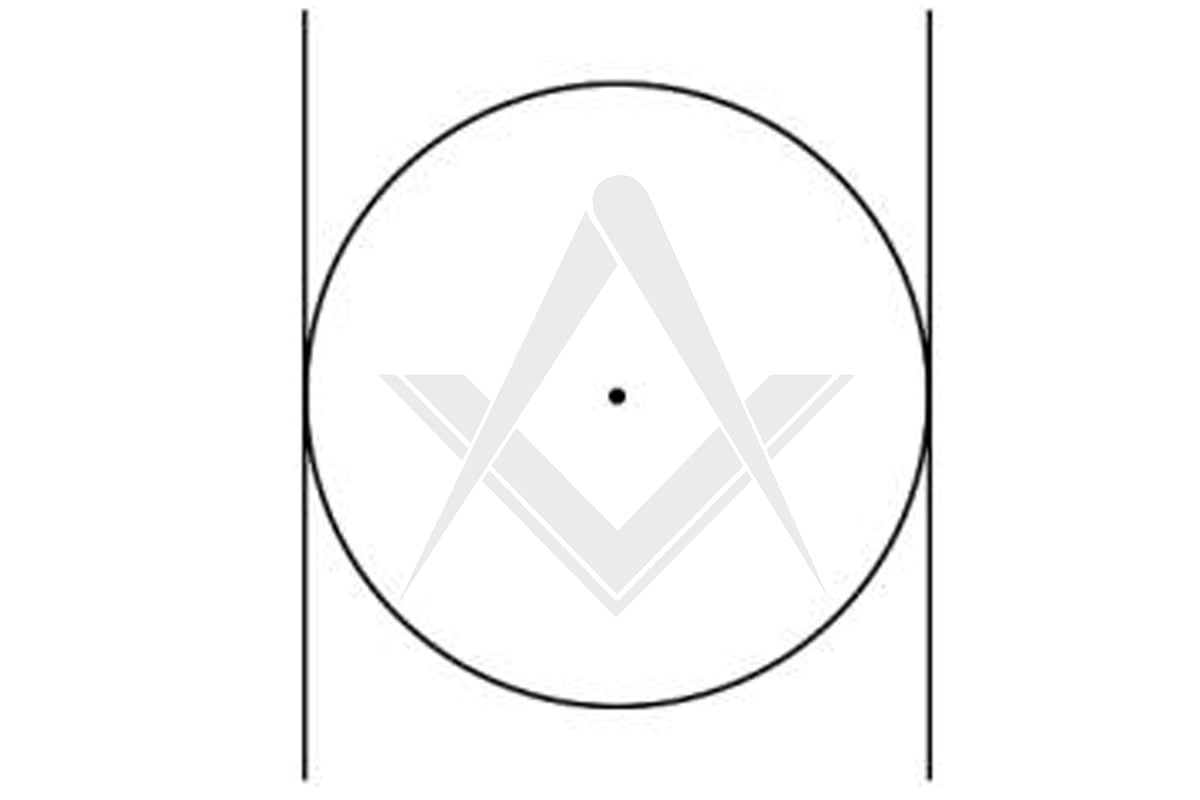
As Masons, we are all introduced during our ritual lectures to the Masonic symbol of the Point Within a Circle, and instructed in its’ allusion. The most interesting thing to me during my own such introduction was that the figure representing this symbol contained not only a point within a circle, but also two straight vertical lines touching the sides of the circle. It was explained during the ensuing lecture that these lines represented the two Holy Saints John, namely John the Baptist, and John the Evangelist. This struck me as peculiar to say the least, and I have been trying to figure out this peculiarity ever since.
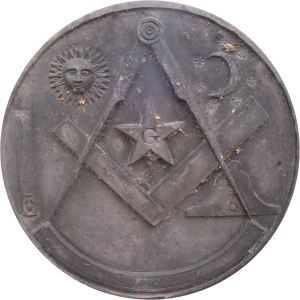
there has been very little agreement among our scholars either as to its (the letter ‘G’) origin or to its meaning. Usually, we can hit upon the manner in which a symbol was introduced into the Ritual by studying the records of the early eighteenth century in England, at which time and place the Ritual was cast in its modern form, but such a study cannot help us here because the eighteenth century Masons were themselves confused about the matter
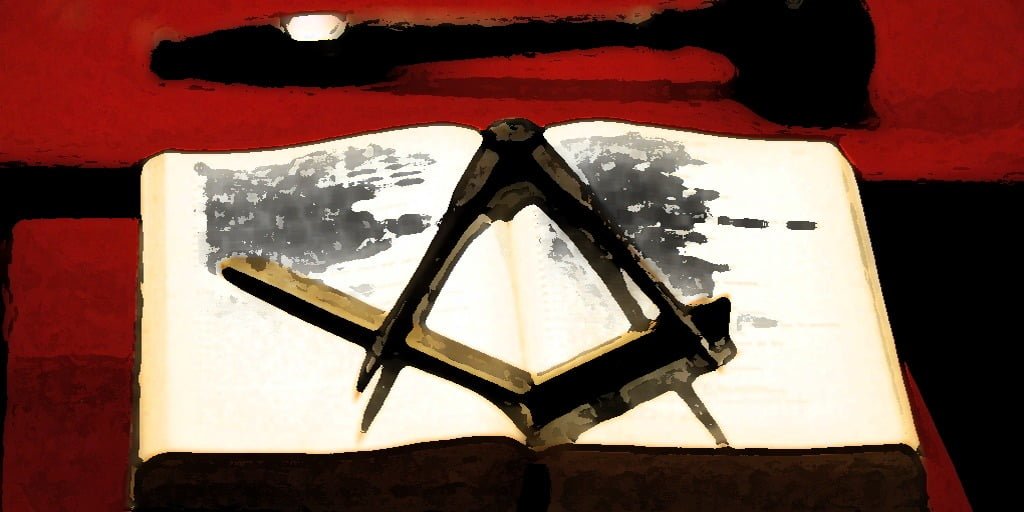
The concept of what constitutes a man is time honored and tested. The traditional role of men has been essential to the development and maintenance of society. Learning to think for ourselves, to form our own judgments, to trust our decisions, to comprehend, to expand our knowledge, to choose this course of action over that, to decide between good and bad, have through the millennia been recognized as the attributes that define a man.
A review of Freemasonry in England in the last century is a subject for an
entire book. The only logical method to present this brief review is to select
some dates of importance in the past 110 years, emphasizing the significance and consequence of the historic events as they occurred in a chronologic sequence.
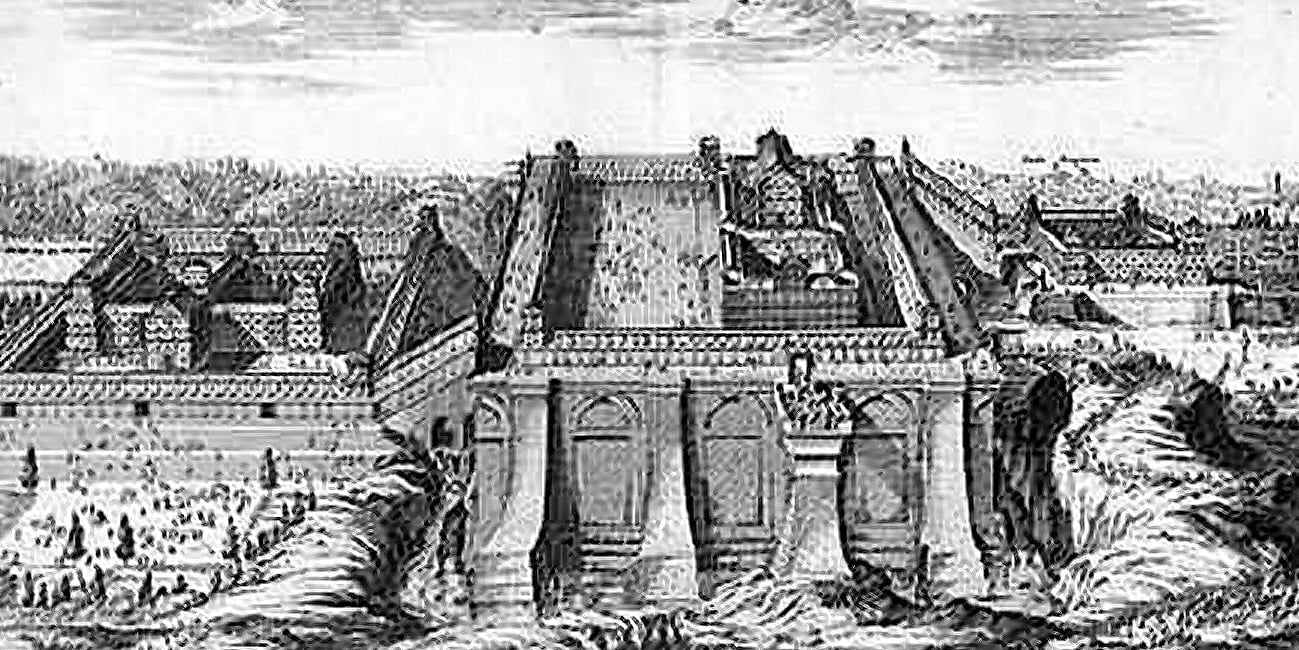
References to the construction of King Solomon’s temple at Jerusalem have been included in the rituals of the operative freemasons since ancient times. In operative lodges the layout of the lodge room in each of the several degrees symbolises either a stoneyard or the temple building at one of the various stages of construction
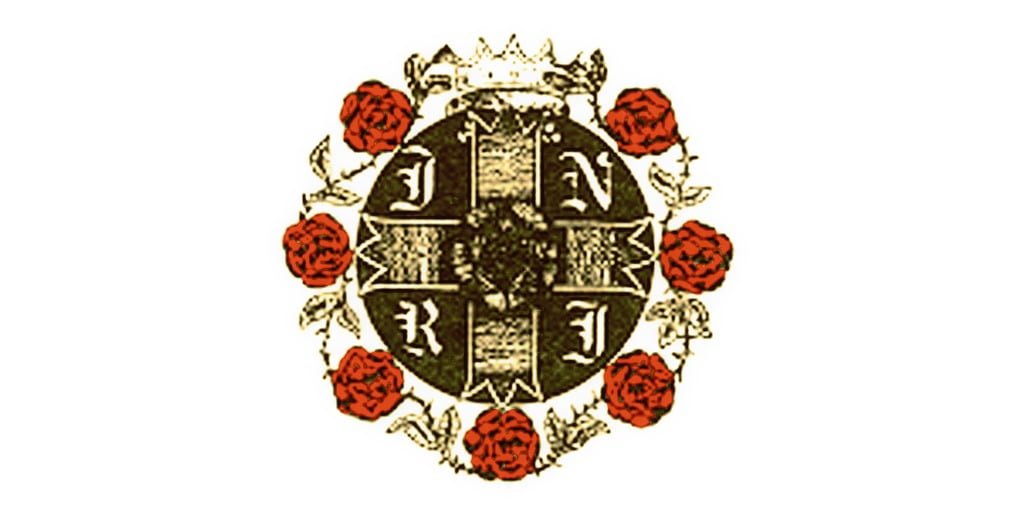
It is around 1755 in Germany that different groups called the Golden Cross, and the Rosy Cross appeared. At this time, none of these groups were real parts of Freemasonry.
It seems that these groups were not organized together and continued to be isolated from each other for some years after their creation. However, close contacts were initiated between these groups and Freemasons interested in esotericism