A Comparison of Biblical & Masonic Accounts of the Building of King Solomon’s Temple
KING SOLOMON’S TEMPLE
Promoting the Fraternity across the World
KING SOLOMON’S TEMPLE
Elias Ashmole (1617 – 1692) was not the first Speculative Freemason. Nor was he the second, third or even tenth! The first Speculative Freemasons were William, Lord Alexander his brother Anthony Alexander (the King’s Maister o’ Wark – Master of Works) and Sir Alexander Strachan of Thornton
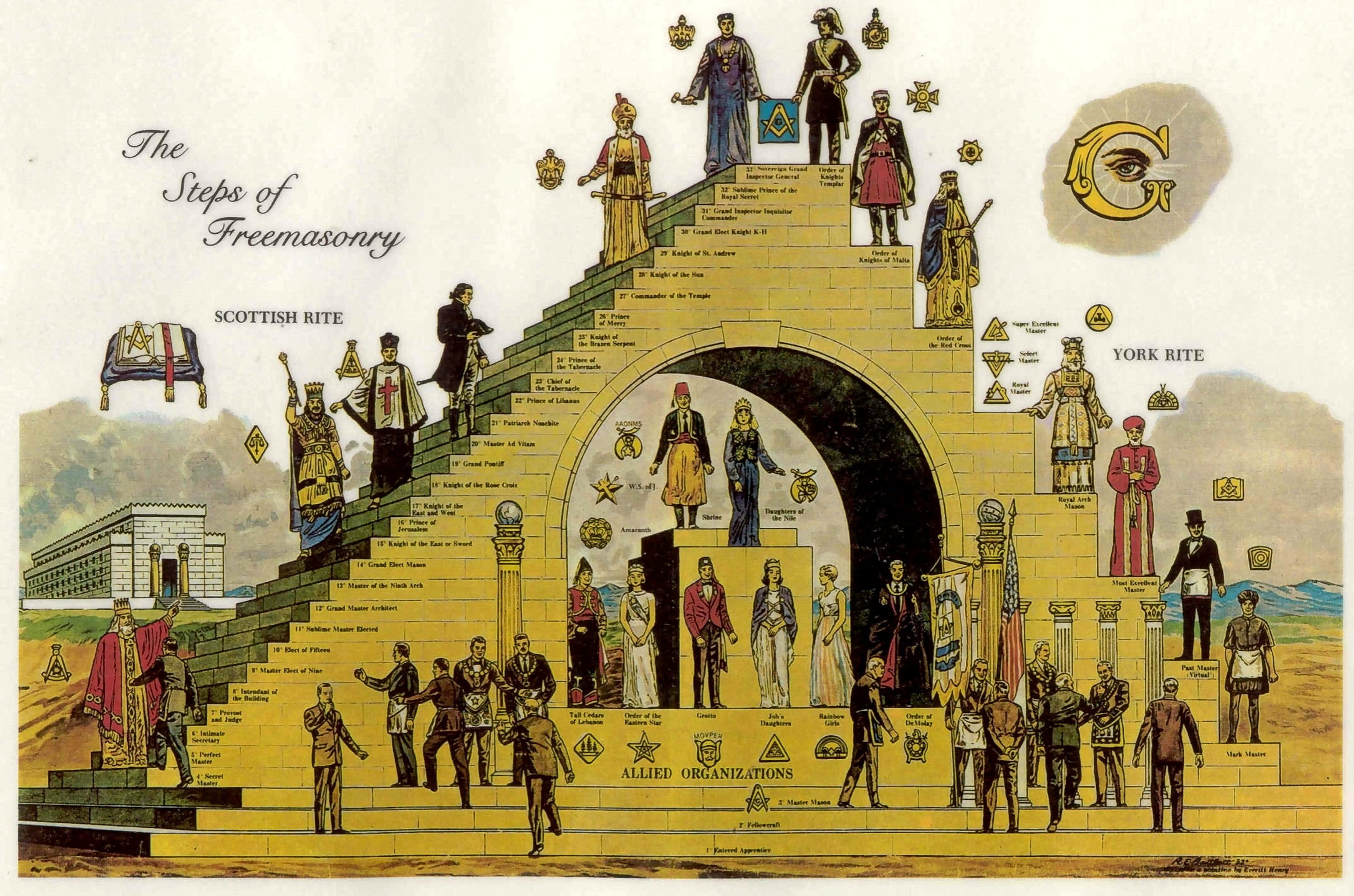
Over the years, there have been published several charts or plans of the degrees and orders of Freemasonry. Masonic editions of the Bible, presented to newly raised members, often include such a chart.
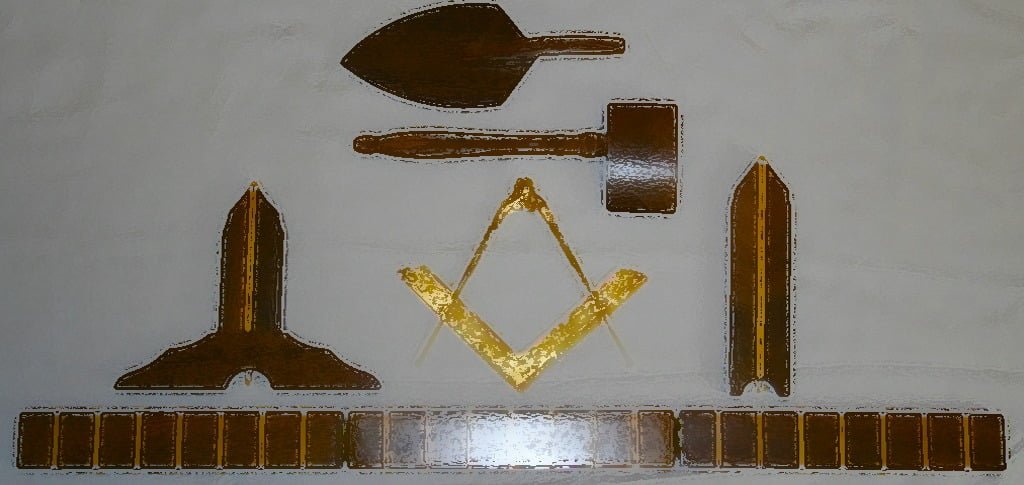
How did the “Working Tools” come into our ceremonies? Were all our present-day “W.T.s” used and moralized from the earliest times, or were they introduced gradually?
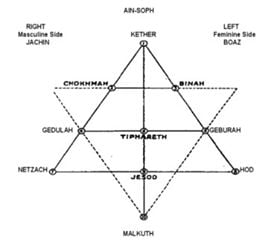
At one time the Dionysians referred to themselves as Sons of Solomon, and one of the most important of their symbols was the Seal of Solomon–two interlaced triangles
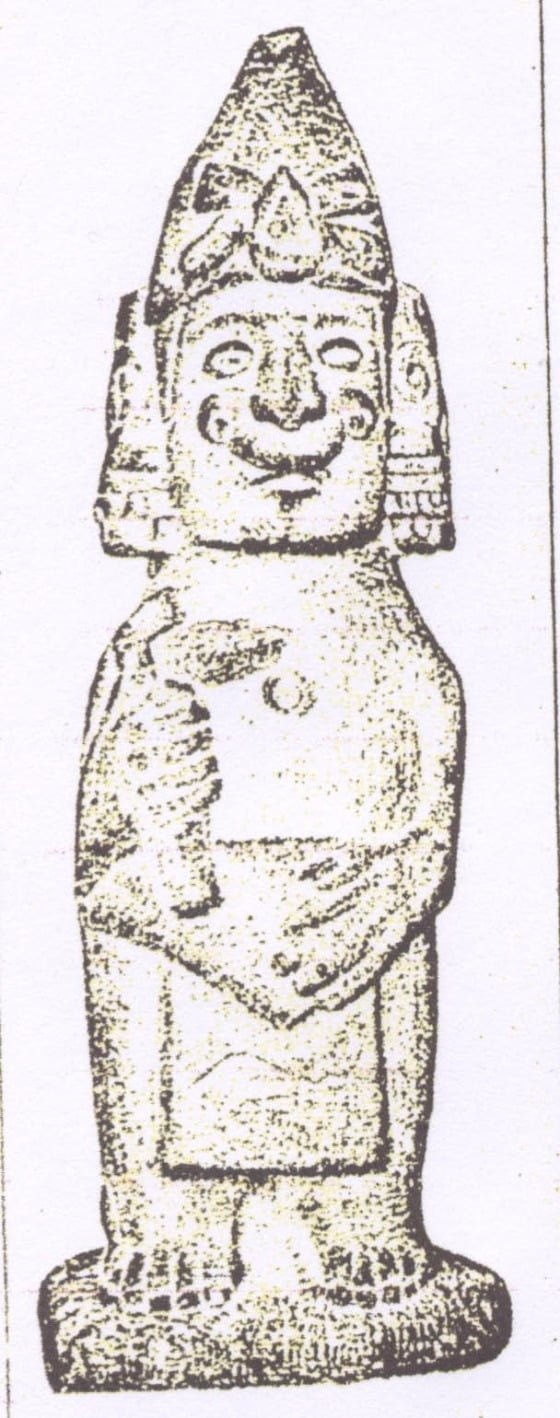
The Apron is not a modern invention; in fact it is the most ancient of all garments. In the 3rd Chapter of genesis these words are written: “and the eyes of them both were opened, and they knew they were naked, and they sewed fig leaves together, and made themselves aprons.”
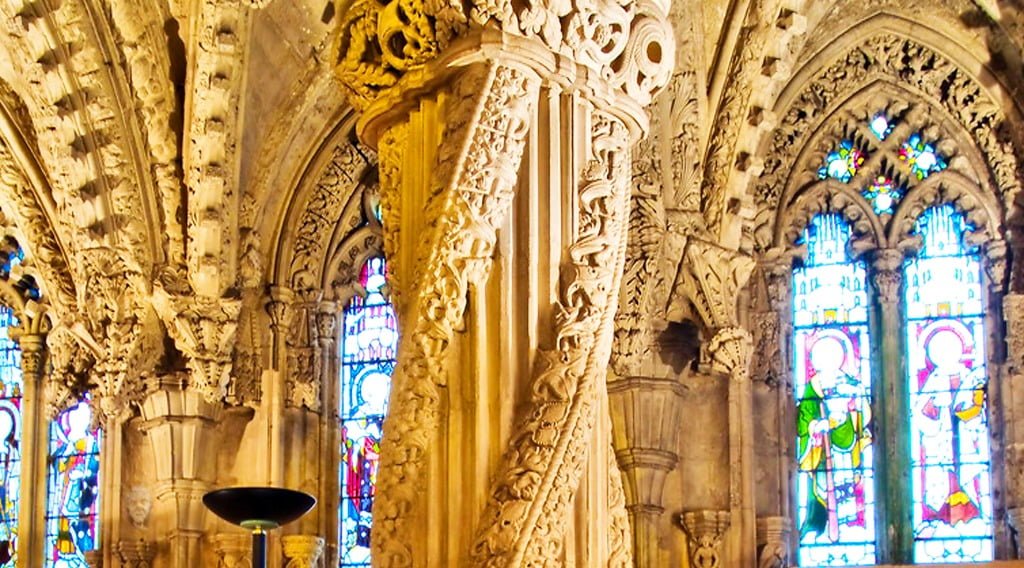
Of the many mysteries and legends which envelop Rosslyn Chapel few can be so well known as that surrounding the ‘Apprentice’ Pillar. The legend concerns the murdered apprentice with its overt references to the initiation rituals of ancient guilds of stonemasons which stretch back to the murder of Hiram Abif
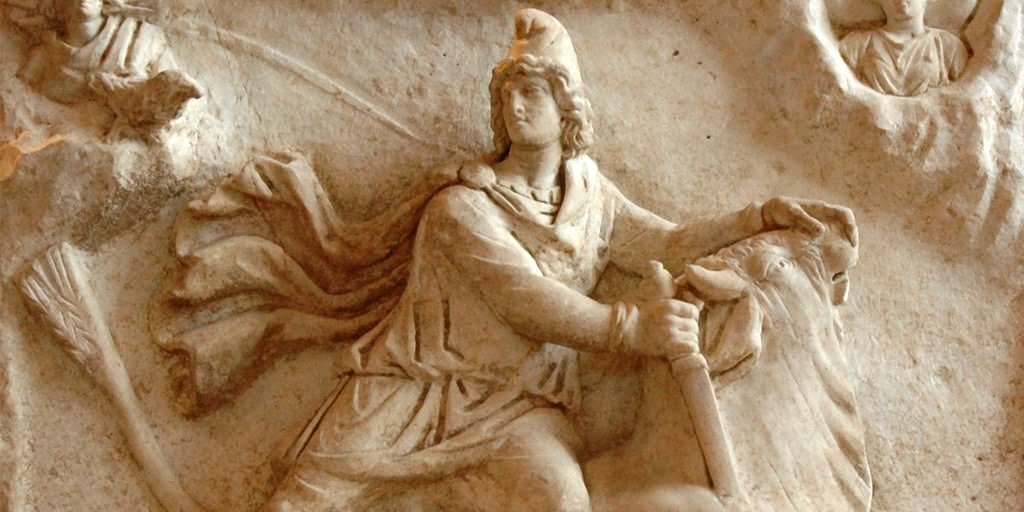
THE THEORY that modern Freemasonry is in some sense a direct descendant from the ancient Mysteries has held a peculiar attraction for Masonic writers this long time, and the end is not yet, for the world is rife with men who argue about the matter up and down endless pages of print
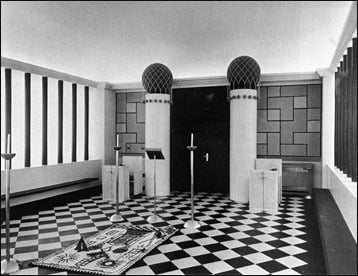
Presented November 20, 1998, at the Vancouver Lodge of Education and Research. In mid September, when the Worshipful Master originally asked me to present…
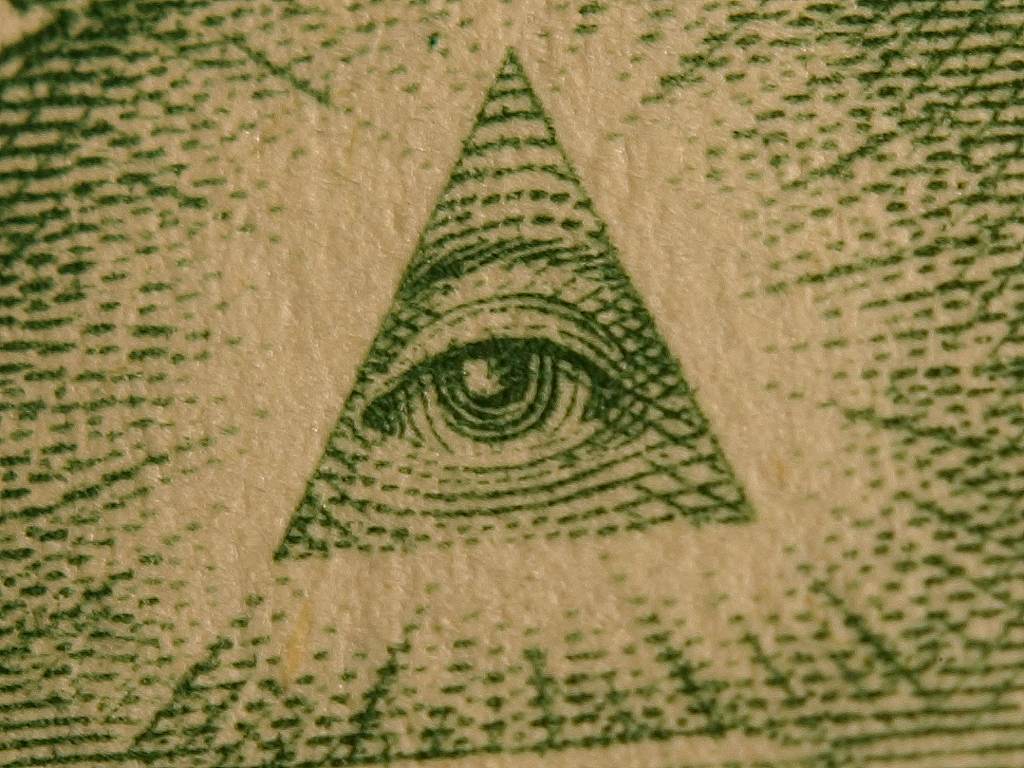
Dr. Albert C. Mackey interpreted the All-Seeing Eye as a symbol of God’s omniscience, and in doing so had at the time (about 1870) the support of the Masonic students of his generation