The Influence of Kings on Craft Freemasonry
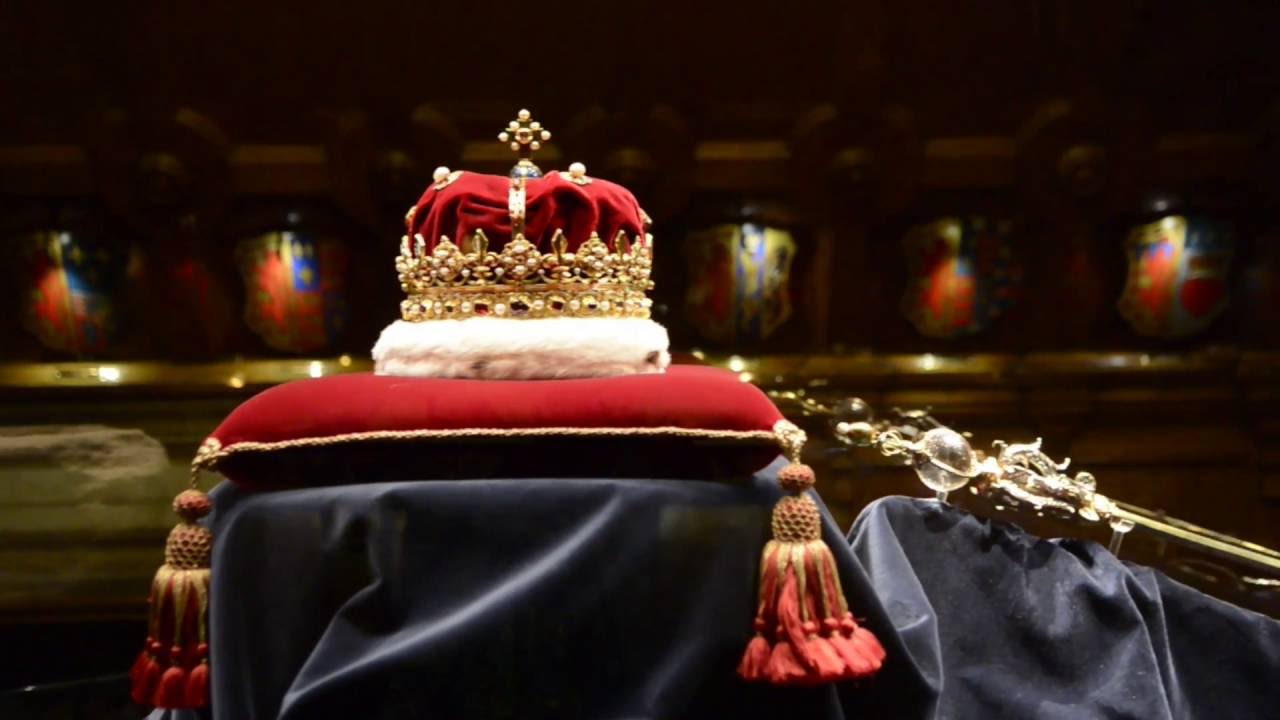
‘From time immemorial’ we have been very fortunate in that our Craft has had the support of Royalty. Without that support I doubt that we would be in…
Promoting the Fraternity across the World
‘From time immemorial’ we have been very fortunate in that our Craft has had the support of Royalty. Without that support I doubt that we would be in…
Freemasonry is founded on a commitment to support each other in friendship, fellowship and service to mankind. For thousands of years, people have found spiritual and philosophical fulfilment through freemasonry, which still operates on the same core values.

There is so much miss information in the Public domain about Freemasonry, this article goes to some length in explaining answers to criticisms that its receives.
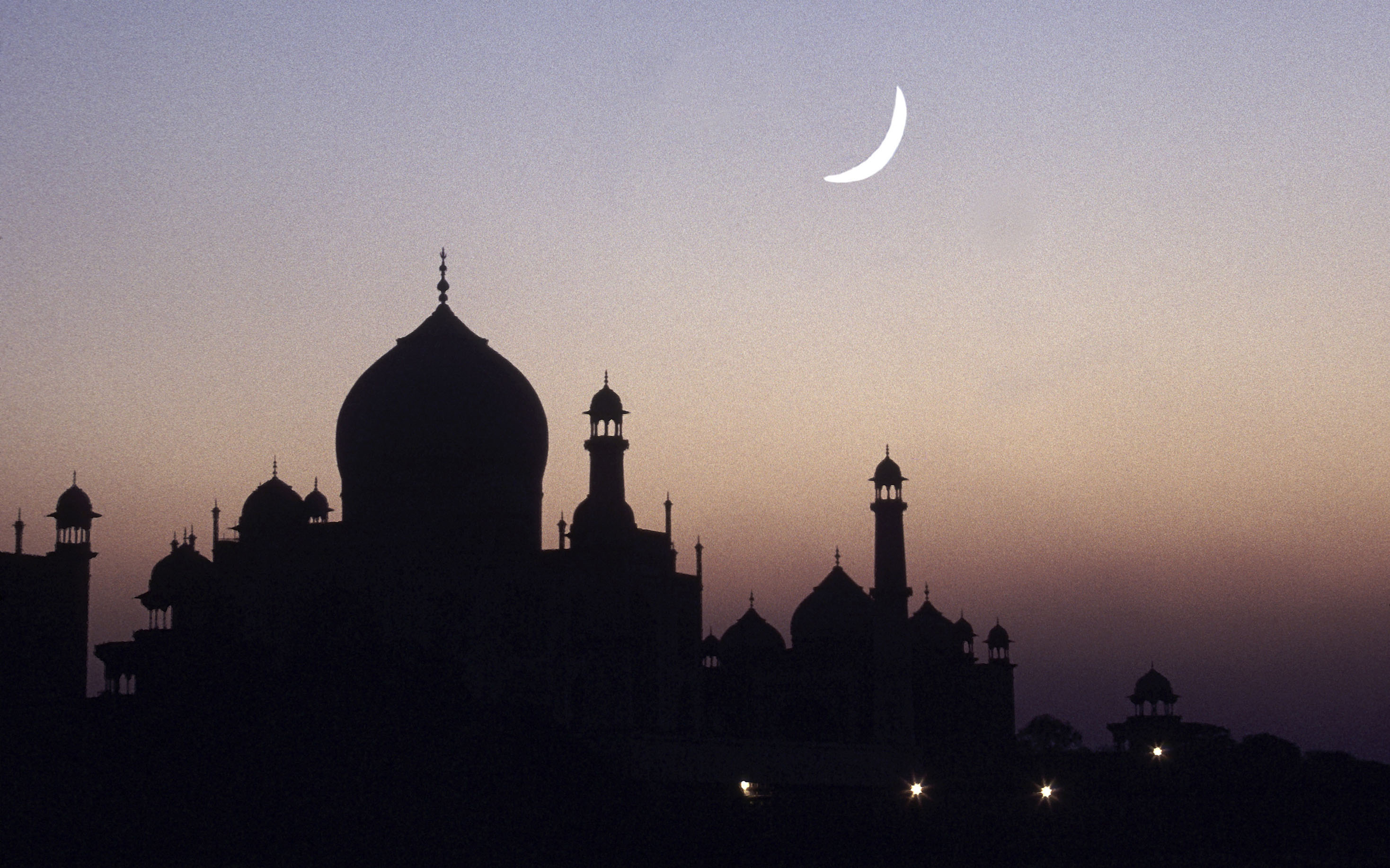
Freemasonry may even be considered complementary to Islam as its principles only go to reinforce a Muslim brother’s own faith; contrary to the misconceptions widely held among my Muslim brethren from various sects. The distrust perhaps arises from the fact that masonic symbols are derived from segments of the Old Testament such as the Temple of King Solomon

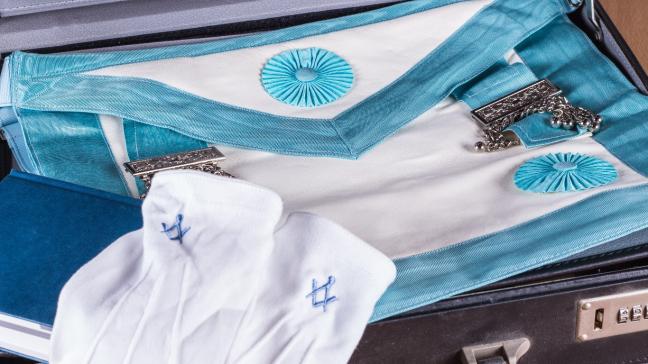
Perhaps the most universal symbol of Masonry, other than the Square & Compass or the seemingly all pervasive letter G, is that singular mark of distinction which every Entered Apprentice is first presented with –the white lambskin apron. Recognised around the globe as the distinguishing “badge” of the Mason, the lambskin apron is rich with symbolism and practical instruction for the speculative initiate of our Craft who is willing to seek more Light.

The Provincial Grand Lodge Northern Division of the Grand Lodge of South Africa, the local chapter of the Freemason’s organisation, recently made a number of meaningful donations in the greater Johannesburg area by donating blankets and warm clothes to those in need.

The annals of the work of the freemasons are filled with many worthy deeds, each performed in the spirit of the fraternity that has been inspired since the order was first established long ago in 1717 when the first Grand Lodge of England was formed in London. Personal growth and social betterment via individual involvement and philanthropy have been the guiding lights of the stonemason guilds that have survived through the ensuing centuries.
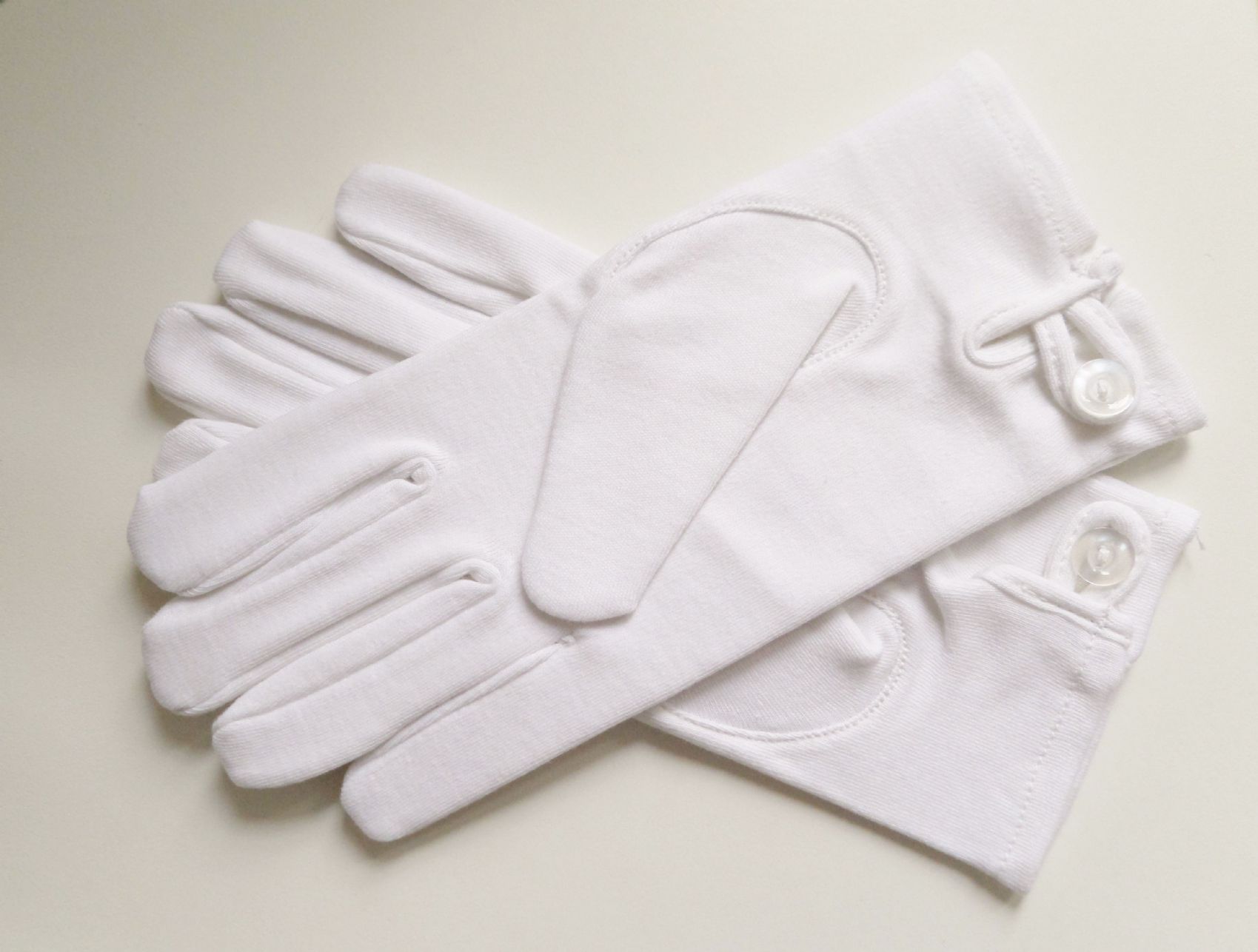
Apart from their practical uses to protect the hands from cold and injury, gloves have symbolic connotations. The old illustrations of operative masons at work do not show them wearing gloves. Their use, then, must have been mostly ceremonial, and their adoption in speculative Freemasonic ritual must be explained by their symbolism. The Italian writer Vanni considers that the origin of the symbolism lies not in their use by certain craftsmen or as protection against the cold, but rather in their military use.
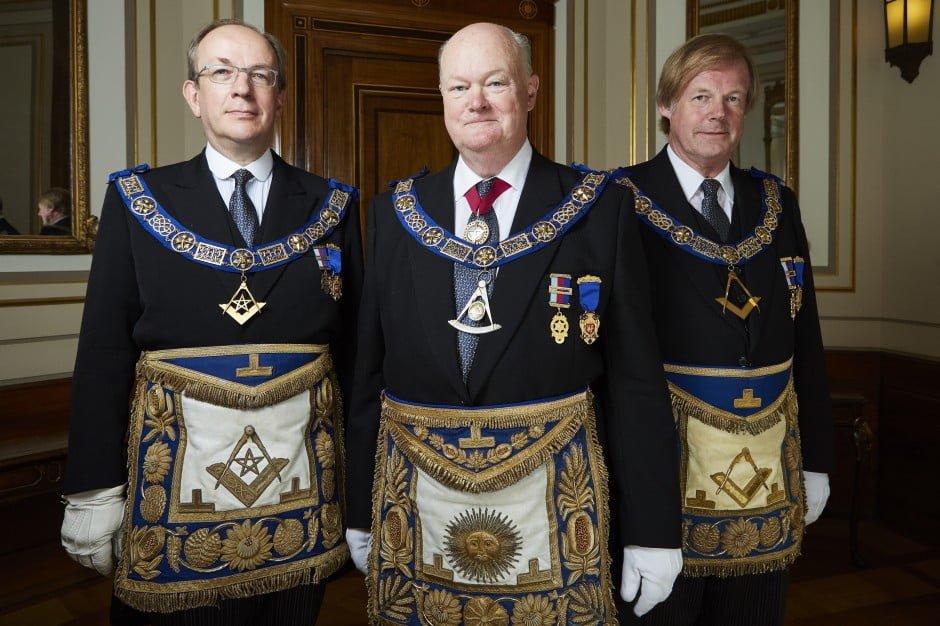
The production looks at the Fraternity as one of the oldest social networking organisations in the world; a fraternal order that welcomes members regardless of their status, creed or political persuasion.