Thomas Harper Royal Arch Jewel – 1819
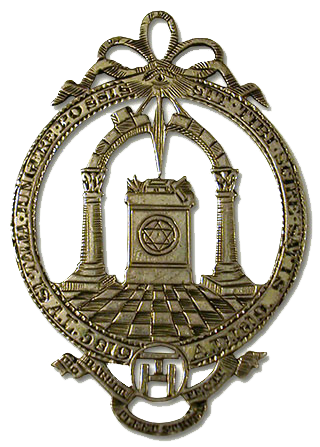
On the bottom scroll is inscribed the motto “Nil nisi clavis deest, nothing but the key is wanting”, which may be taken in its literal sense. Then the…
Promoting the Fraternity across the World
On the bottom scroll is inscribed the motto “Nil nisi clavis deest, nothing but the key is wanting”, which may be taken in its literal sense. Then the…
Quarterly Communication 14 September 2016 An address by Diane Clements and Stephen Greenberg: ‘From Concept to Reality: Creating an Exhibition about…
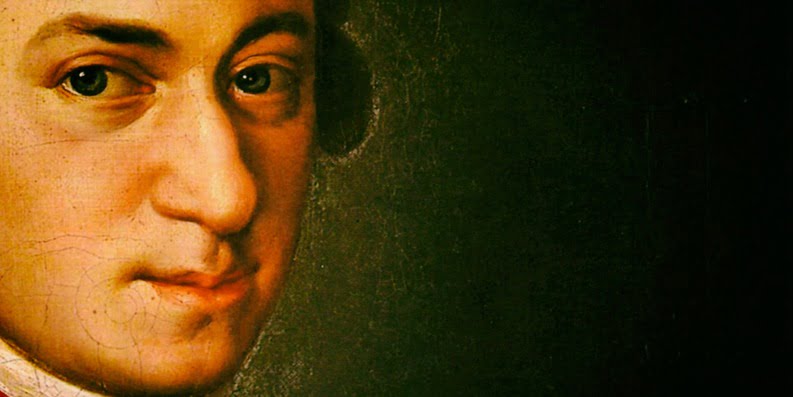
Born in Salzburg on 27th January 1756, he was baptized the following day at St. Ruperts Cathedral as Johannes Chrysostomus Wolfgangus Theophilus Mozart. Theophilus means ‘beloved of God’ and Mozart later used the Latin form Amadeus, -stylized sometimes as Amade or Amadeo- or the German form Gottlieb. His father, Johann Georg Leopold Mozart was born in Augsburg in Bavaria, where the Mozart family can be traced back to the 14thCentury
For centuries Masonic historians have been puzzled by the motives for, and the purpose of, the formation of the craft of freemasonry, both in its operative, and speculative form, and whilst endeavouring to investigate the mysteries surrounding the formation of our order, it seems that the riddle actually forms itself into three distinct questions

All Freemasons, and the Scots are no exceptions, love to decorate all sorts of items with Masonic symbols.
It is almost as if the old army adage of: ‘If it moves salute it, if it is stationary, paint it’ applies to Freemasonry.
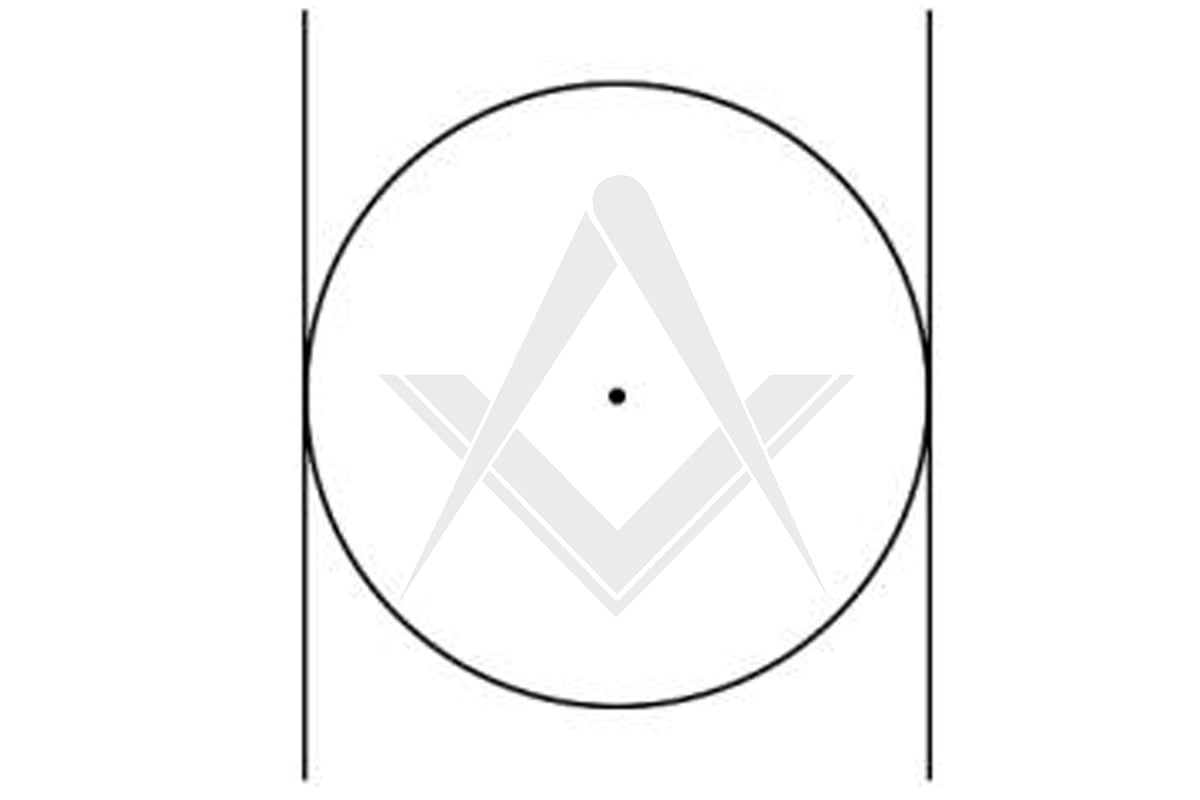
As Masons, we are all introduced during our ritual lectures to the Masonic symbol of the Point Within a Circle, and instructed in its’ allusion. The most interesting thing to me during my own such introduction was that the figure representing this symbol contained not only a point within a circle, but also two straight vertical lines touching the sides of the circle. It was explained during the ensuing lecture that these lines represented the two Holy Saints John, namely John the Baptist, and John the Evangelist. This struck me as peculiar to say the least, and I have been trying to figure out this peculiarity ever since.
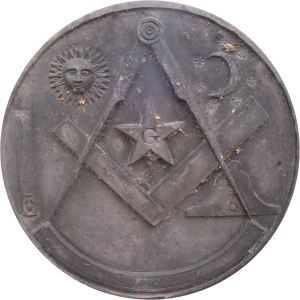
there has been very little agreement among our scholars either as to its (the letter ‘G’) origin or to its meaning. Usually, we can hit upon the manner in which a symbol was introduced into the Ritual by studying the records of the early eighteenth century in England, at which time and place the Ritual was cast in its modern form, but such a study cannot help us here because the eighteenth century Masons were themselves confused about the matter
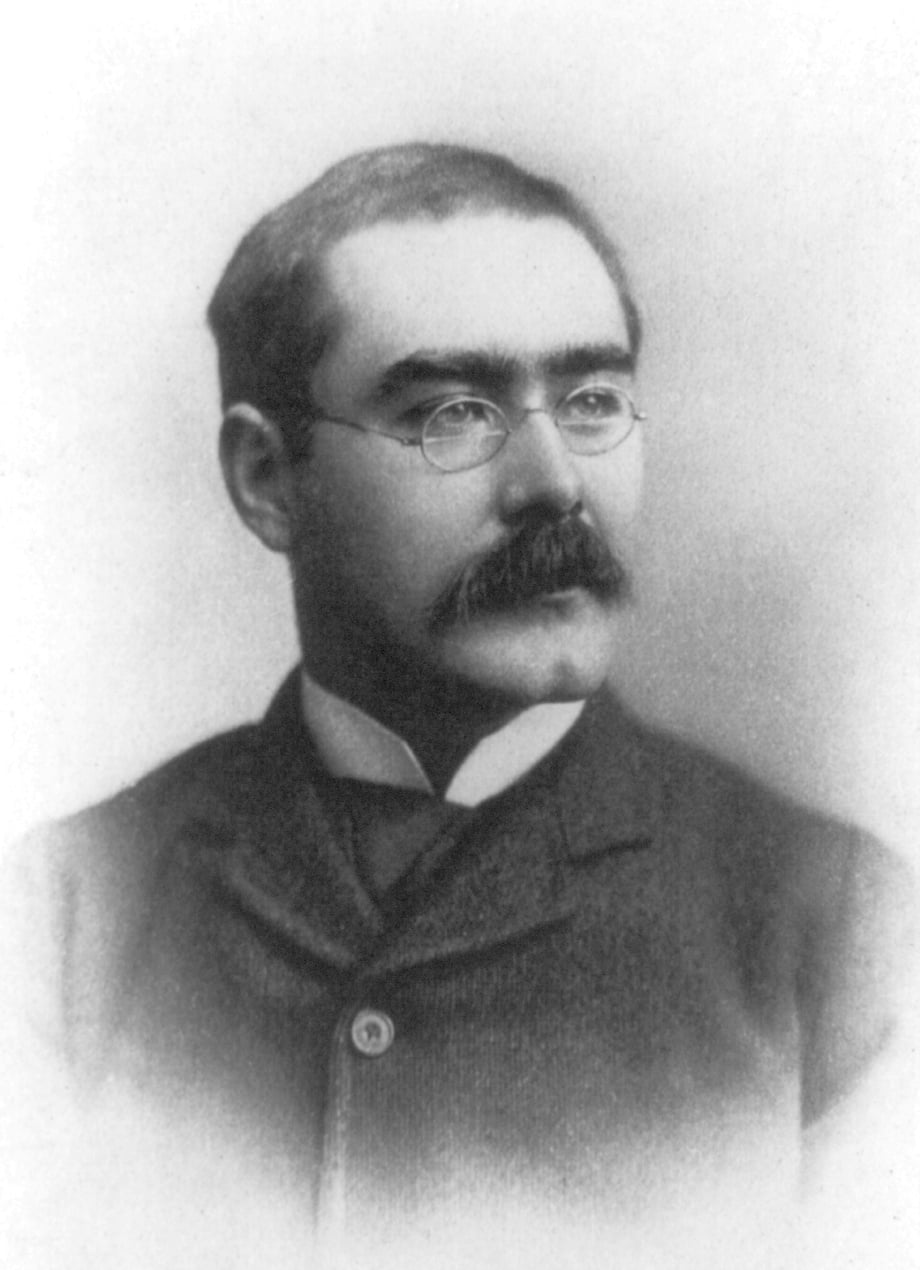
The need for this further essay was first made apparent to me when—in my capacity as Secretary of the Lodge and Editor of the Transactions—I began to receive inquiries from Brethren as far away as Vancouver and Singapore, asking for materials and information which might help them to complete their own papers on Kipling, and I found, to my surprise, that while our library contains a great deal of relevant material, there has never been a paper on Kipling in our Transactions.
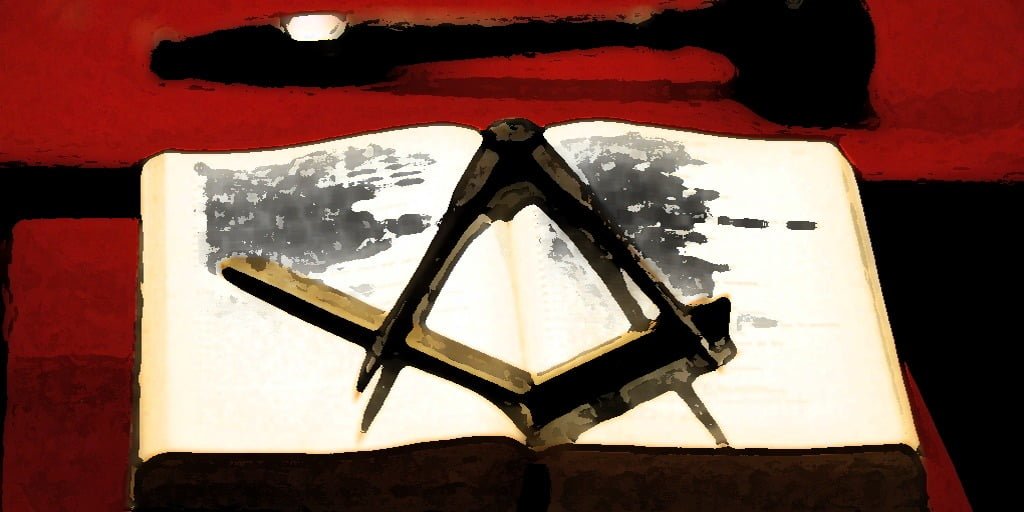
The concept of what constitutes a man is time honored and tested. The traditional role of men has been essential to the development and maintenance of society. Learning to think for ourselves, to form our own judgments, to trust our decisions, to comprehend, to expand our knowledge, to choose this course of action over that, to decide between good and bad, have through the millennia been recognized as the attributes that define a man.

June 24th, Freemasons celebrate the Feast of St. John Baptist. A curious thing for a non-sectarian group to do. Freemasonry historically acknowledges St. John the Baptist and St. John the Evangelist as its patron saints, reveres their memory, points to their exemplary lives in its ritualistic work, and dedicates its Lodges to them.