How to Become a Mason
Can you become a freemason

Freemasonry is founded on a commitment to support each other in friendship, fellowship and service to mankind. For thousands of years, people have found spiritual and philosophical fulfilment through freemasonry, which still operates on the same core values.
A Masonic Honor for Dr. Raj Bhalla

83e20e5630d9400b46e7d8a0be5086fd

The annals of the work of the freemasons are filled with many worthy deeds, each performed in the spirit of the fraternity that has been inspired since the order was first established long ago in 1717 when the first Grand Lodge of England was formed in London. Personal growth and social betterment via individual involvement and philanthropy have been the guiding lights of the stonemason guilds that have survived through the ensuing centuries.

Atheism and Freemasonry by Bro. Joshua L. Rubin

Atheism and Freemasonry by Bro. Joshua L. Rubin

There is a universal Masonic requirement of belief in Deity, which is followed by all regular Grand Lodges of the world. As Entered Apprentices, receiving Light for the first time, Masons are cautioned that no Atheist may be made a Mason

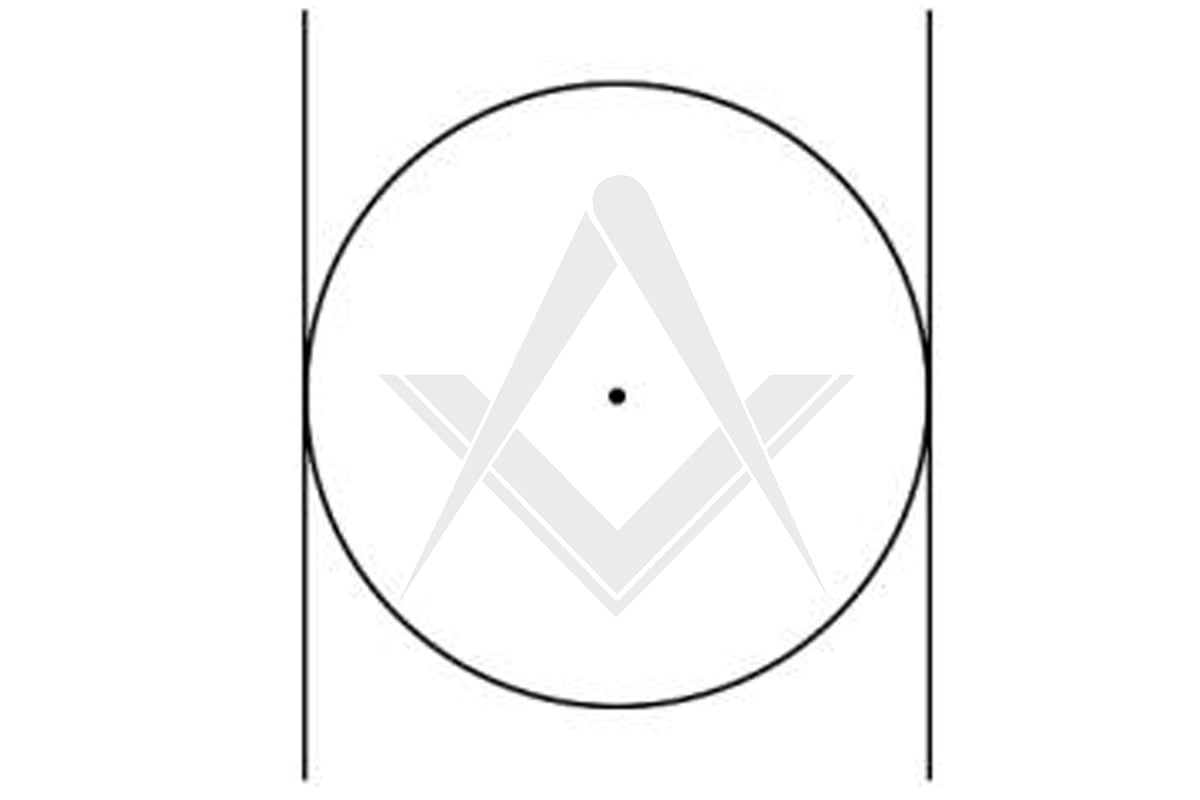
The Point Within a Circle

A point withing a Circle Freemasons

As Masons, we are all introduced during our ritual lectures to the Masonic symbol of the Point Within a Circle, and instructed in its’ allusion. The most interesting thing to me during my own such introduction was that the figure representing this symbol contained not only a point within a circle, but also two straight vertical lines touching the sides of the circle. It was explained during the ensuing lecture that these lines represented the two Holy Saints John, namely John the Baptist, and John the Evangelist. This struck me as peculiar to say the least, and I have been trying to figure out this peculiarity ever since.

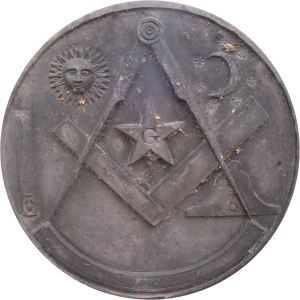
The Blazing Star

Blazing star e897a92bcef903116495f308a8fb2bd35c277f09

there has been very little agreement among our scholars either as to its (the letter ‘G’) origin or to its meaning. Usually, we can hit upon the manner in which a symbol was introduced into the Ritual by studying the records of the early eighteenth century in England, at which time and place the Ritual was cast in its modern form, but such a study cannot help us here because the eighteenth century Masons were themselves confused about the matter