Dürer’s polyhedron: 5 theories that explain Melencolia’s crazy cube
Cheesed off cherubs: Melencolia I is one of the best-known works of the Northern Renaissance. But what on Earth is that geometrical solid in the middle left of the picture?
Promoting the Fraternity across the World
Cheesed off cherubs: Melencolia I is one of the best-known works of the Northern Renaissance. But what on Earth is that geometrical solid in the middle left of the picture?
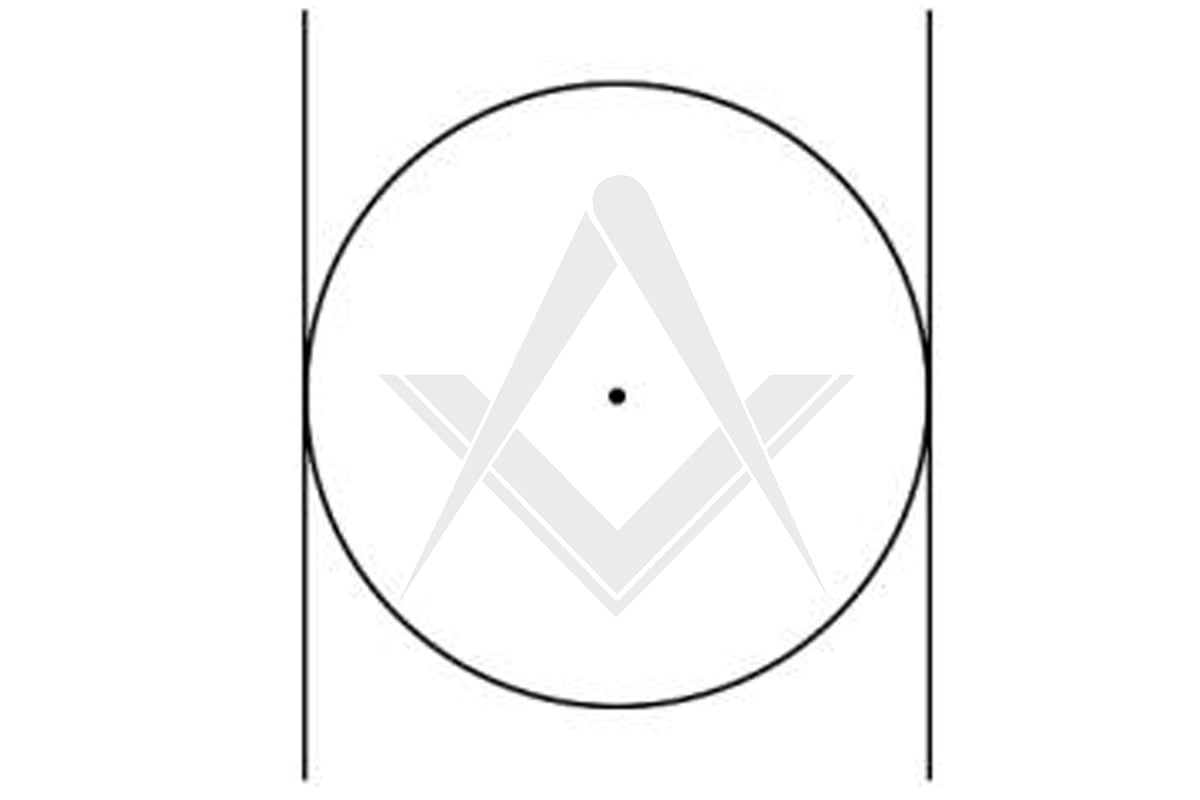
As Masons, we are all introduced during our ritual lectures to the Masonic symbol of the Point Within a Circle, and instructed in its’ allusion. The most interesting thing to me during my own such introduction was that the figure representing this symbol contained not only a point within a circle, but also two straight vertical lines touching the sides of the circle. It was explained during the ensuing lecture that these lines represented the two Holy Saints John, namely John the Baptist, and John the Evangelist. This struck me as peculiar to say the least, and I have been trying to figure out this peculiarity ever since.
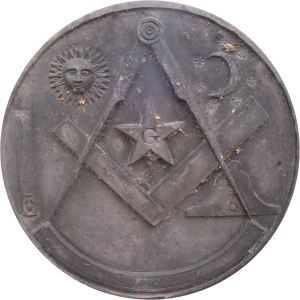
there has been very little agreement among our scholars either as to its (the letter ‘G’) origin or to its meaning. Usually, we can hit upon the manner in which a symbol was introduced into the Ritual by studying the records of the early eighteenth century in England, at which time and place the Ritual was cast in its modern form, but such a study cannot help us here because the eighteenth century Masons were themselves confused about the matter
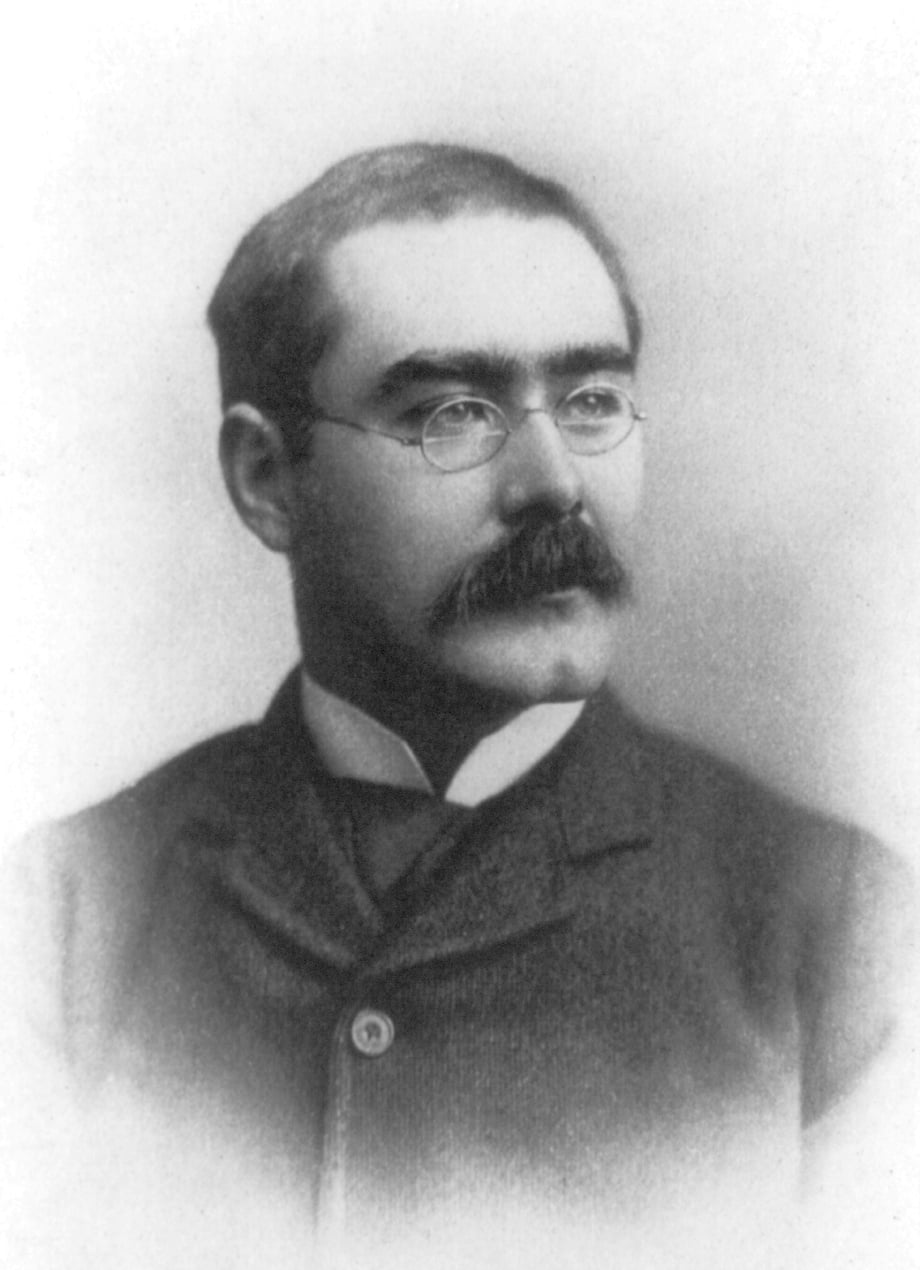
The need for this further essay was first made apparent to me when—in my capacity as Secretary of the Lodge and Editor of the Transactions—I began to receive inquiries from Brethren as far away as Vancouver and Singapore, asking for materials and information which might help them to complete their own papers on Kipling, and I found, to my surprise, that while our library contains a great deal of relevant material, there has never been a paper on Kipling in our Transactions.
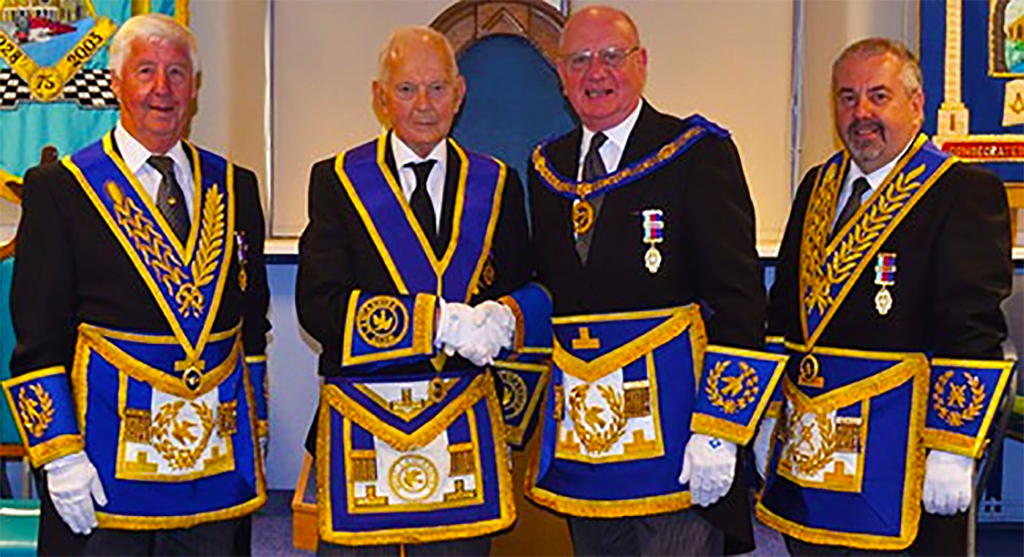
Daniel James Wilson (Jim) achieved a momentous milestone and celebrated his Masonic diamond jubilee at Kerneforde Hall, Carnforth, in a ceremony led by Assistant Provincial Grand Master David Grainger and hosted by Carnforth Lodge No 4951. David was accompanied and supported on this occasion by Lancaster and District Group Chairman Jim Wilson (no relation!) and fellow grand officer Chris Butterfield
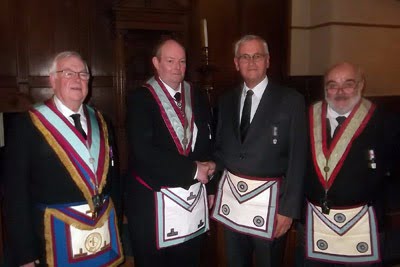
An excellent attendance at the Masonic hall, Hoyle Court on Monday 11 April to witness the advancement of Brother Howard Henry Thompson and the presentation of two Grand Lodge Certificates, not that exceptional you may say, but read on.
A Slider, Mark
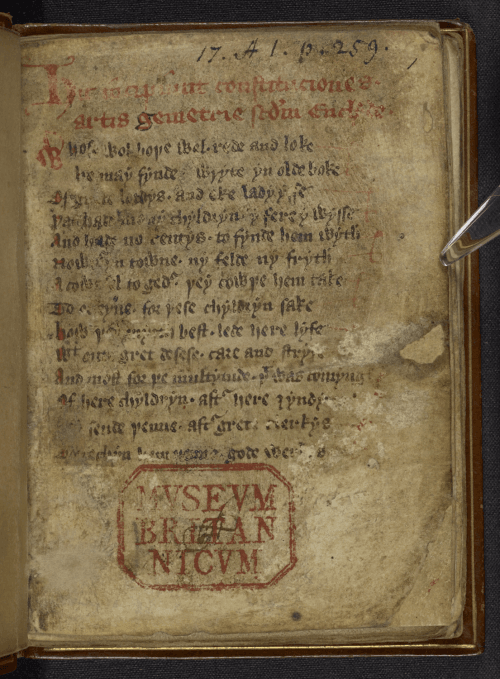
What do the masons who built medieval cathedrals, the philosopher Voltaire and the artist Marc Chagall have in common? Give yourself a pat on the back if you knew that they are all associated with freemasonry. The history of freemasonry is the subject of a major exhibition at the Bibliothèque nationale de France, open until 24 July 2016, to which the British Library has loaned two medieval manuscripts.
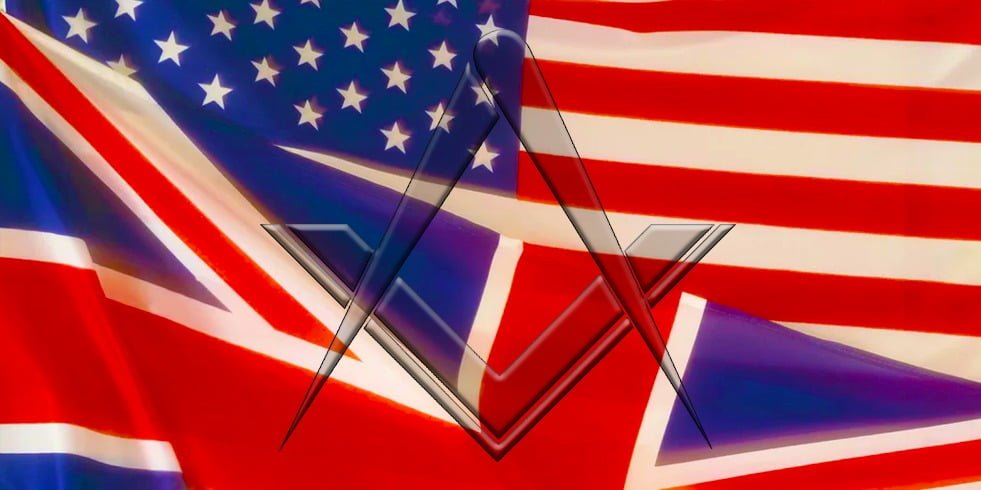
THE MASONIC RELIEF ASSOCIATION OF THE UNITED STATES OF AMERICA, appears to have made contact with the Grand Lodge of Scotland, in the midst of the 1st World War
There was read to Grand Committee a letter from Right Worshipful Brother W. H. Melish of Cincinnati, the Chairman of the Executive Committee of an Association which has been organised in the United States of America, for the purpose of raising a Relief Fund to aid the needs of Freemasons and their families who are sufferers through the European War
The concept of what constitutes a man is time honored and tested. The traditional role of men has been essential to the development and maintenance of society. Learning to think for ourselves, to form our own judgments, to trust our decisions, to comprehend, to expand our knowledge, to choose this course of action over that, to decide between good and bad, have through the millennia been recognized as the attributes that define a man.