Liberté Cherie – a Masonic Melodrama by Richard Simmons and Dafydd Bullock

Liberté chérie was one of the very few Masonic lodges founded within a Nazi concentration camp during the Second World War. On November 15, 1943,…
Promoting the Fraternity across the World
Liberté chérie was one of the very few Masonic lodges founded within a Nazi concentration camp during the Second World War. On November 15, 1943,…

The Flower of Life – Where Masonry and Spirituality Meet
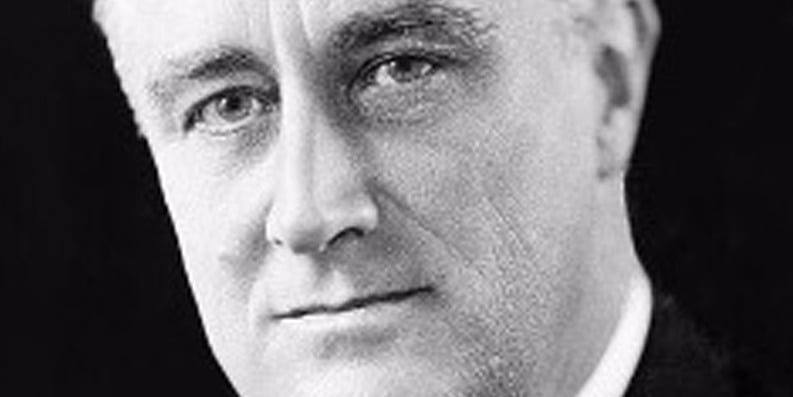
Considered by many to be one of the quintessential American leaders of the 20th century, Franklin Delano Roosevelt, who quickly became known as FDR, was the 32nd President of the United States of America. His leadership, guidance, and solutions to national issues made him a central figure in world politics for some of the most defining moments, both nationally and internationally, in recent memory
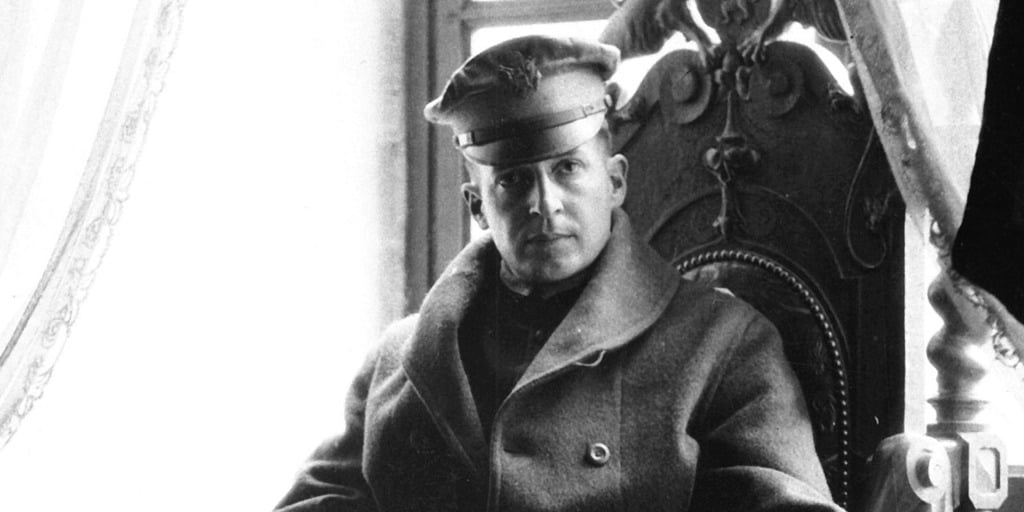
Douglas MacArthur lived his entire life, from cradle to grave, in the United States Army. He spent his early years in remote sections of New Mexico, where his father, Arthur MacArthur Jr., commanded an infantry company. As a teenager, Arthur had served with distinction in the Union Army, eventually earning the Congressional Medal of Honor for leading a courageous assault up Missionary Ridge in Tennessee. But he soon discovered that life in the post-Civil War U.S. Army held little of the glamour he knew during the war.
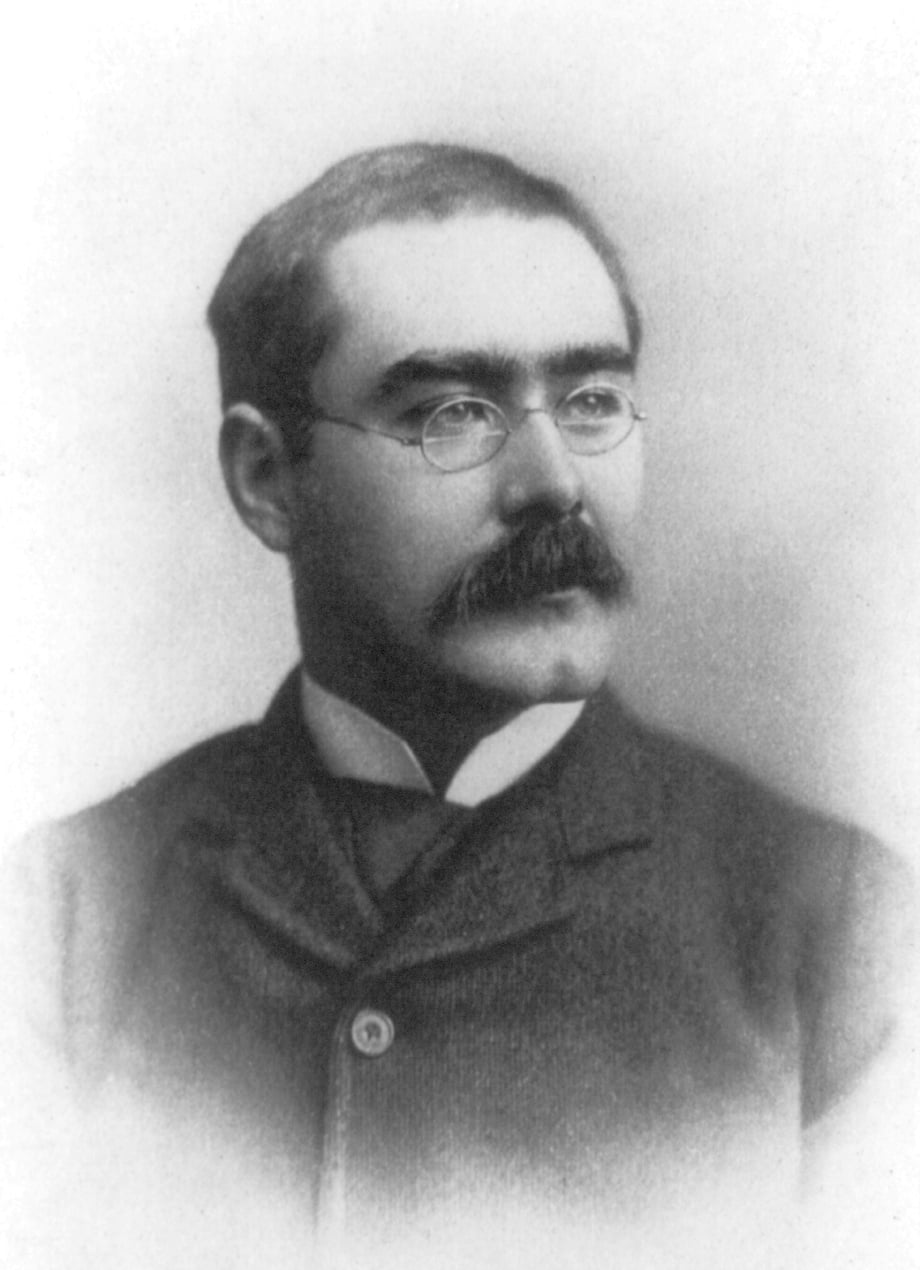
The need for this further essay was first made apparent to me when—in my capacity as Secretary of the Lodge and Editor of the Transactions—I began to receive inquiries from Brethren as far away as Vancouver and Singapore, asking for materials and information which might help them to complete their own papers on Kipling, and I found, to my surprise, that while our library contains a great deal of relevant material, there has never been a paper on Kipling in our Transactions.
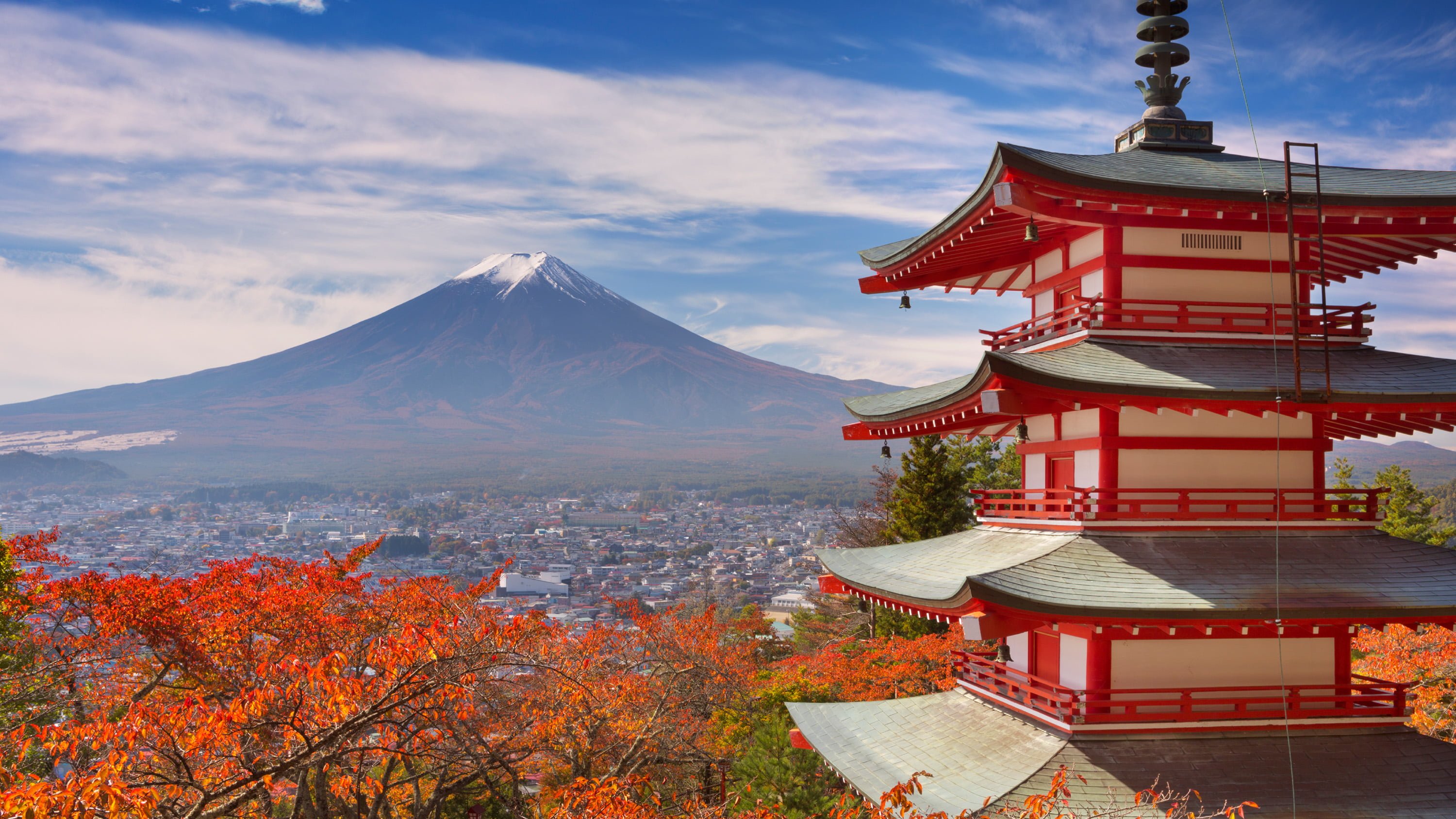
THE JAPANESE DIPLOMAT WHO BECAME AN ENGLISH FREEMASON By James L. Johnston, PGM, Japan M.W. Brother Johnston, PGM of Masons in Japan, serves as Grand…

The Svastika The svasticaby Mrs. J. C. Murray-Aynsley [It is generally admitted that the Svastika is in some form emblematic of the sun or fire, but that…