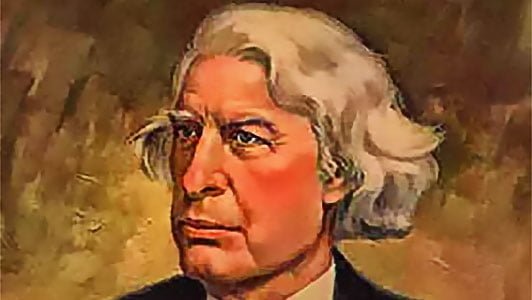
History of the Allied Masonic Degrees
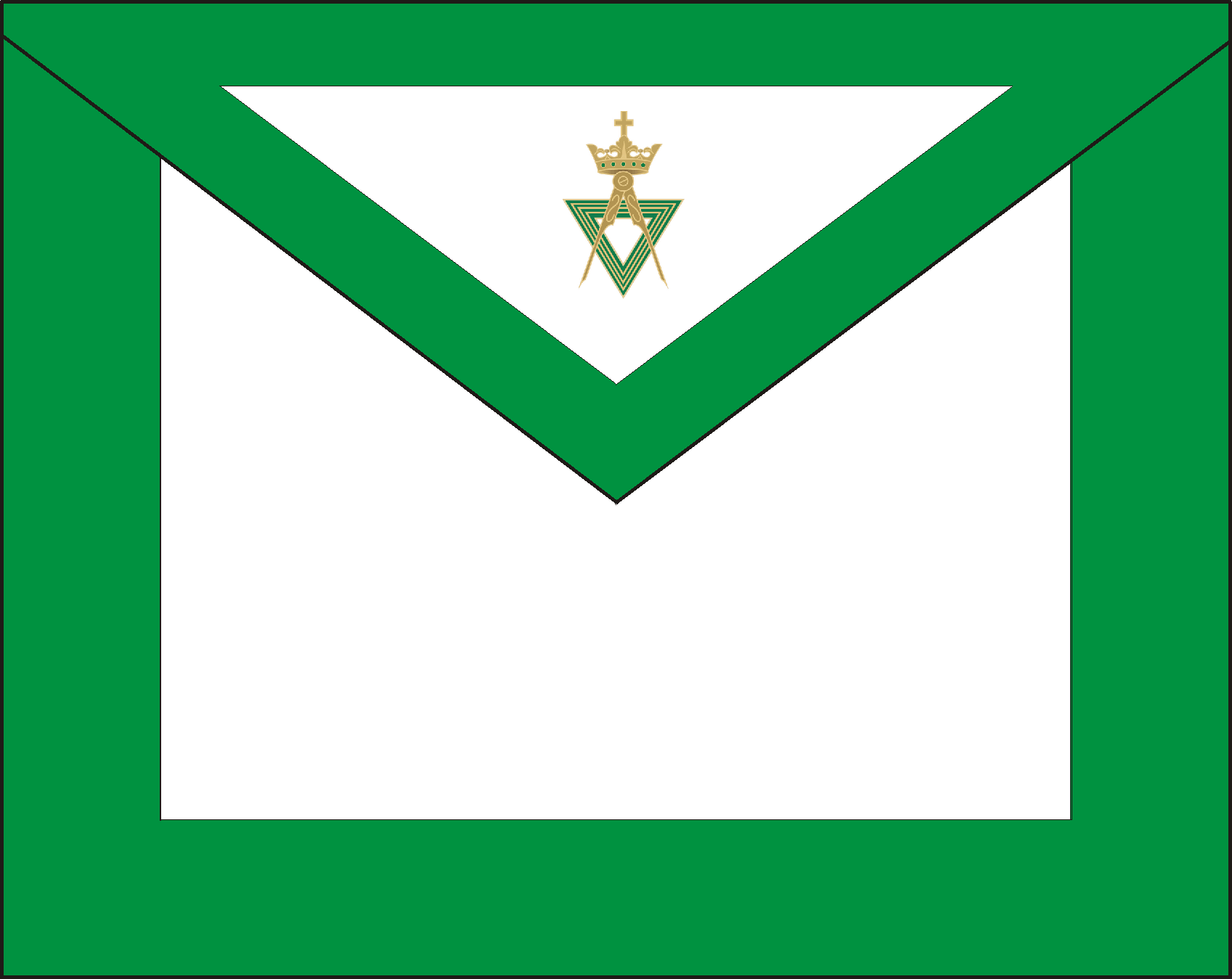
AMD Member

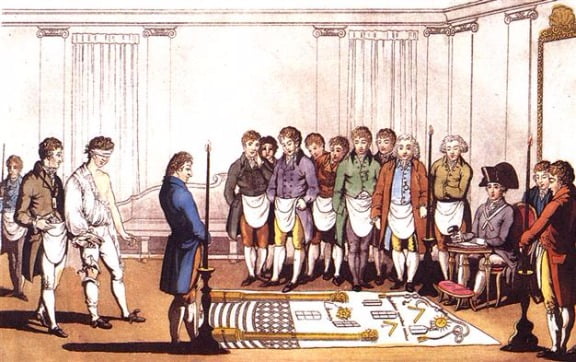
The vast majority of the ‘additional’ degrees worked in England in the early part of the nineteenth century originally came under the patronage of warrants granted by the ‘Antients’, who held that Craft Warrants entitled Lodges to work any Masonic degree to which they had knowledge and members available who could work it. Upon the formation of the United Grand Lodge various groups of degrees were gradually organised into separate Orders each with their own governing body.

Absolutes and Imperialism: Exclusion and Isolation?

Knowledge

Not long ago, and on behalf of the United Grand Lodge of England, a speech was made that stated that the basic principles of Freemasonry were refined over 150 years and codified in 1929 and 1938. This codification, it is claimed, defines regularity; the speech advises that regularity is an “absolute” and that these basic principles are above and beyond change and reinterpretation. The same statement proscribes masons in masonry from being explicitly involved in matters such as the social progress of the new Europe and it stipulates that “Freemasonry has no role outside of Freemasonry”.

Reading Masons And Masons who do not Read

Albert G. Mackey 16 9

I suppose there are more Masons who are ignorant of all the principles of freemasonry than there are men of any other class who are chargeable with the like ignorance of their own profession. There is not a watchmaker who does not know something about the elements of horology, nor is there a blacksmith who is altogether unacquainted with the properties of red-hot iron