A Stroll Through The Seven Liberal Arts and Sciences
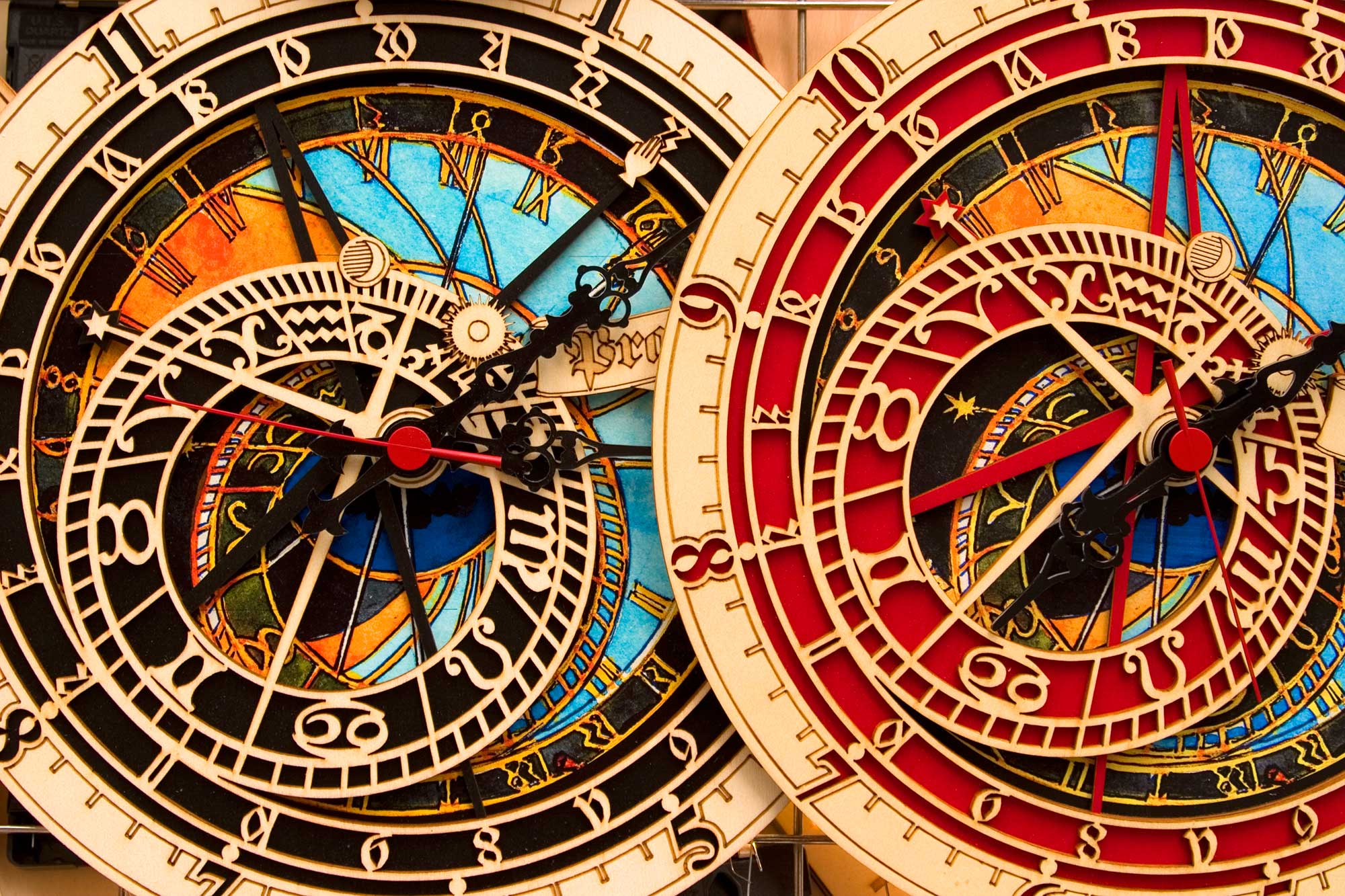
This article explores the crucial role of the liberal arts and sciences within Freemasonry, particularly highlighted during the Fellowcraft Degree's Winding Stair lecture.

Throughout our lives, we have heard of the liberal arts and sciences. But until we were presented with them in The Winding Stair lecture, most of us had only a vague notion of what they consisted. The Fellowcraft Degree commends Freemasons to study the Liberal Arts and Sciences, which are grammar, rhetoric, logic, arithmetic, geometry, music, and astronomy. When we study the historical background for this list, we will uncover layers of Masonic meanings for us in each of the seven areas of knowledge.
Pythagoras: One of the Greatest Minds of His Time

1f1c459e25d97e9e0b4da514cc092e41

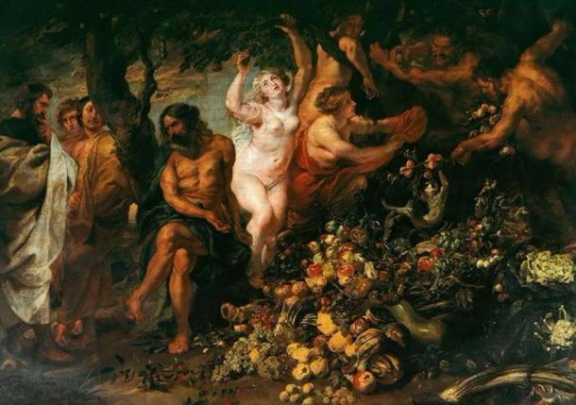
Pythagoras was one of the greatest minds and philosophers of his time and his unquestionable influence can be felt even today in mathematics. It is believed that he was the first man who referred to himself as a “philosopher.” He was the founder of Pythagoreanism, a religious and political movement that appeared mainly in the big cities of Magna Grecia (today southern Italy).

Three Uses of Memory in Freemasonry by W.Bro. J. Scott Kenney

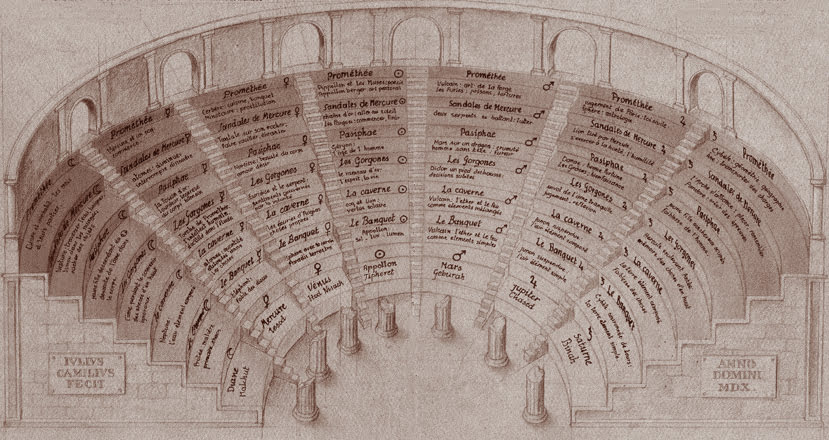
Giulio Camillo - Teatro della Memoria

Why is memory so important to Freemasons? I’m sure to many of you, that will seem obvious. Yet, beyond memorizing material so that you can do things like prove up to a higher degree, perform your ritual part well, do the floorwork, deliver a charge or even deliver a tracing board, there is a great deal more to this topic than one might think at first glance. Thus, in this brief paper, I hope to sketch out three interrelated areas in which memory may – whether consciously or inadvertently – be of significance to Freemasons.

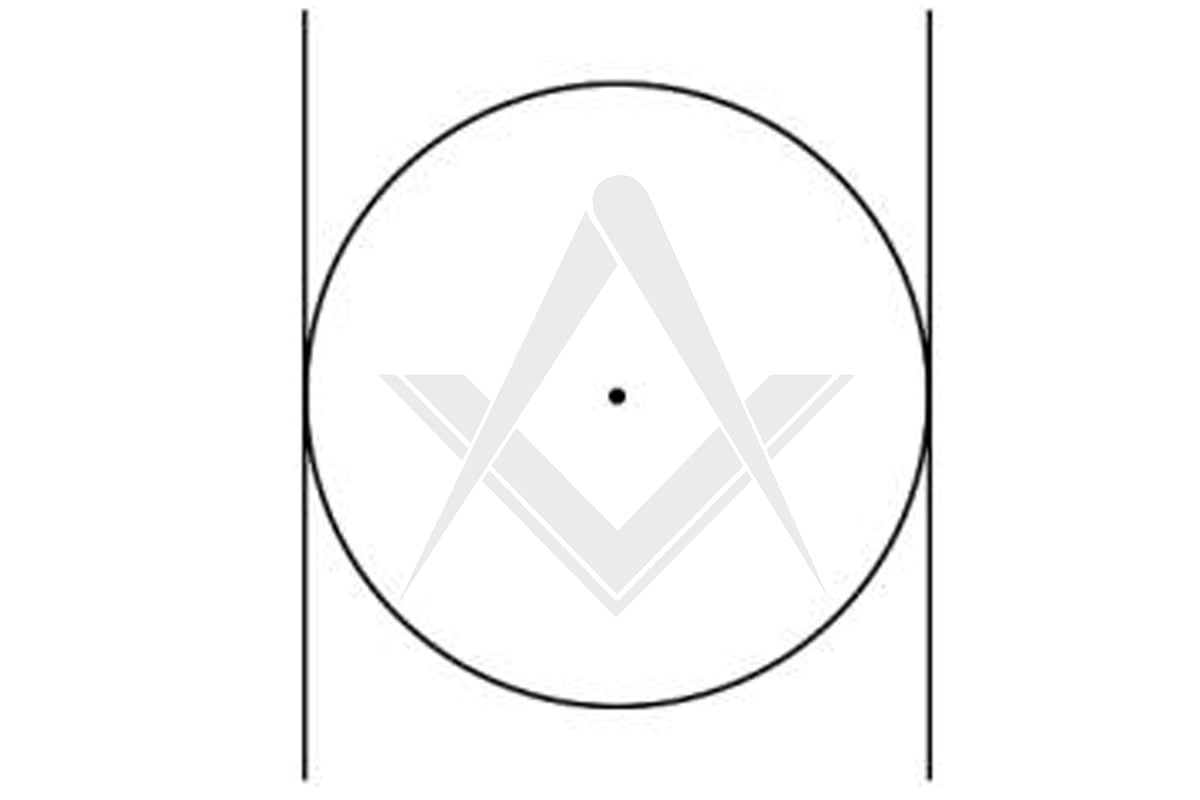
The Point Within a Circle

A point withing a Circle Freemasons

As Masons, we are all introduced during our ritual lectures to the Masonic symbol of the Point Within a Circle, and instructed in its’ allusion. The most interesting thing to me during my own such introduction was that the figure representing this symbol contained not only a point within a circle, but also two straight vertical lines touching the sides of the circle. It was explained during the ensuing lecture that these lines represented the two Holy Saints John, namely John the Baptist, and John the Evangelist. This struck me as peculiar to say the least, and I have been trying to figure out this peculiarity ever since.

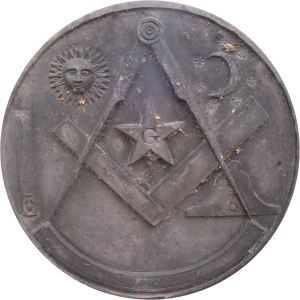
The Blazing Star

Blazing star e897a92bcef903116495f308a8fb2bd35c277f09

there has been very little agreement among our scholars either as to its (the letter ‘G’) origin or to its meaning. Usually, we can hit upon the manner in which a symbol was introduced into the Ritual by studying the records of the early eighteenth century in England, at which time and place the Ritual was cast in its modern form, but such a study cannot help us here because the eighteenth century Masons were themselves confused about the matter