Hermeticism and the Cult of Egypt: A Nexus of Ancient Wisdom
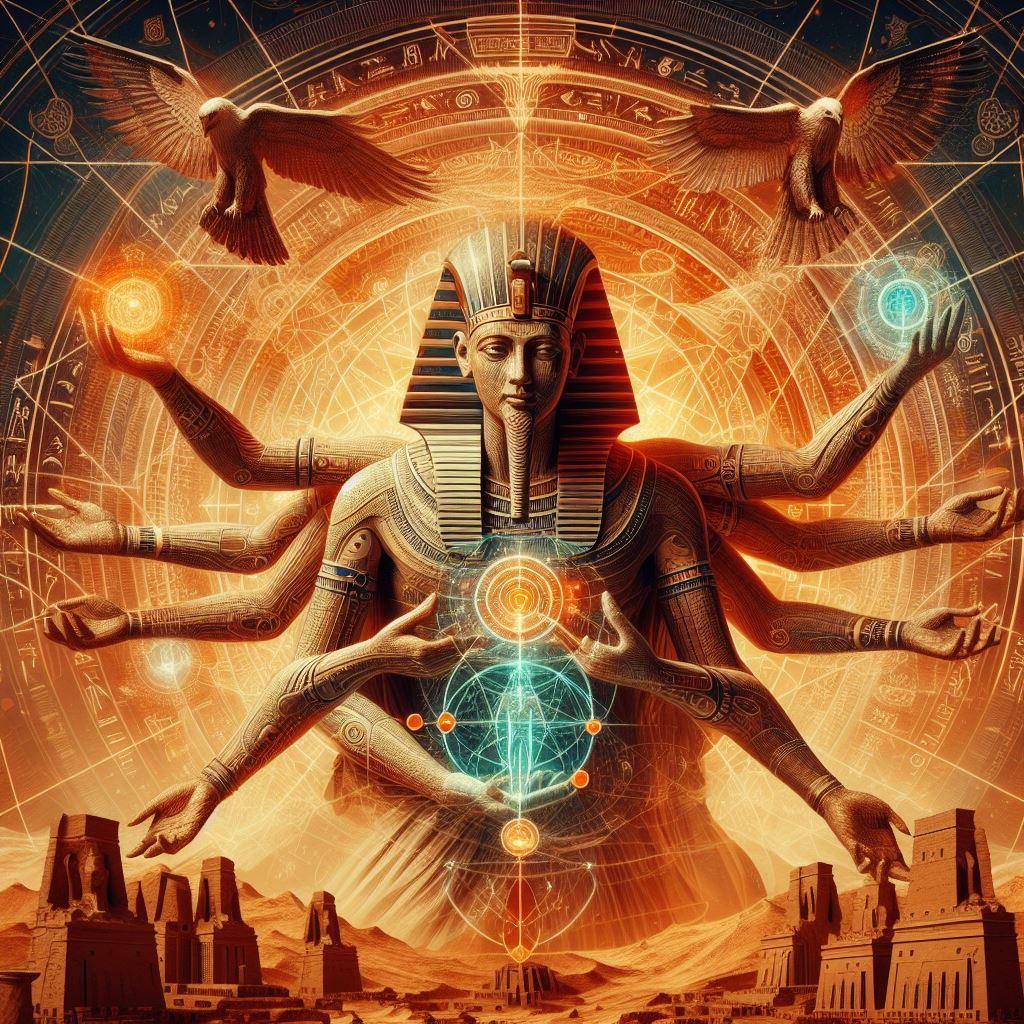
This introduction to the article “Cult of Egypt” aims to lay the groundwork for exploring the multifaceted phenomenon of Egyptomania, a term describing…
Promoting the Fraternity across the World
This introduction to the article “Cult of Egypt” aims to lay the groundwork for exploring the multifaceted phenomenon of Egyptomania, a term describing…
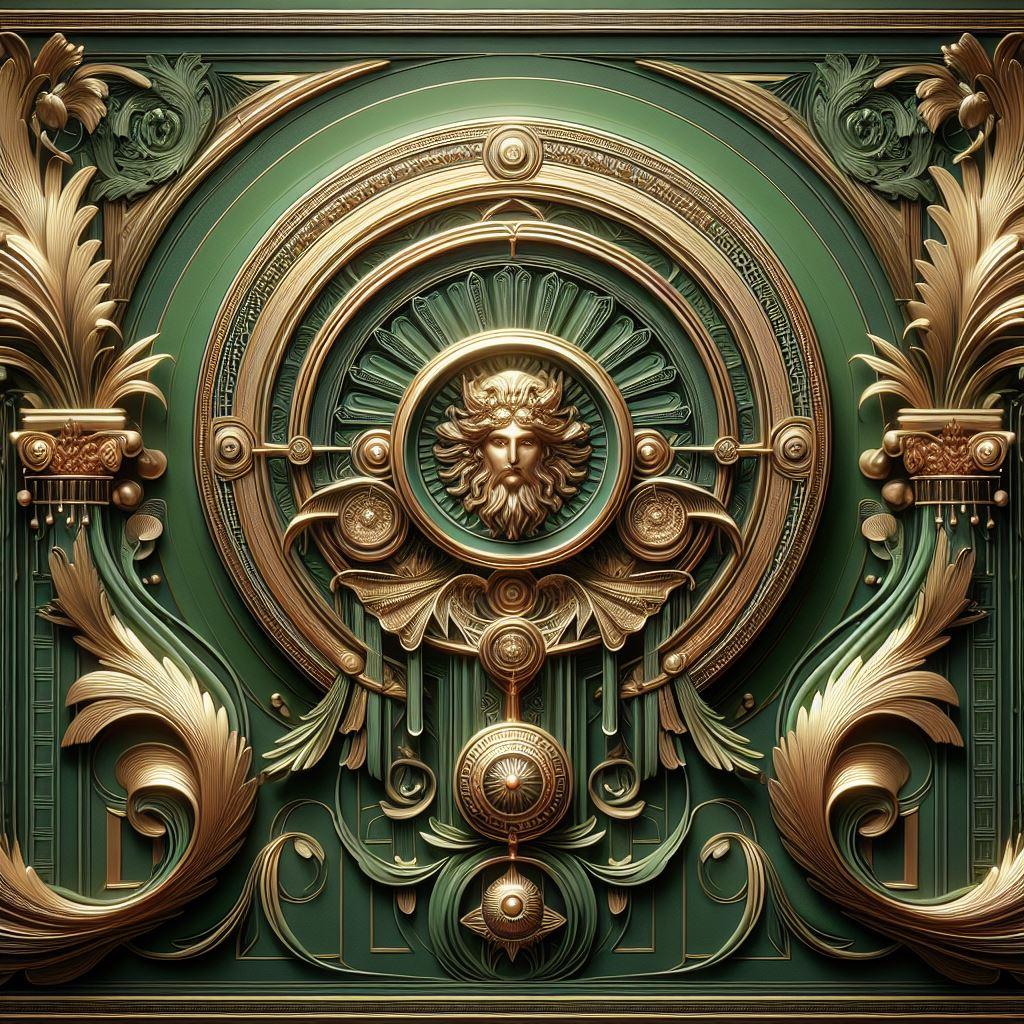
As you progress through the Masonic degrees, you are encouraged to delve into the Hidden Mysteries of Nature and Science, and what era is more suited for…
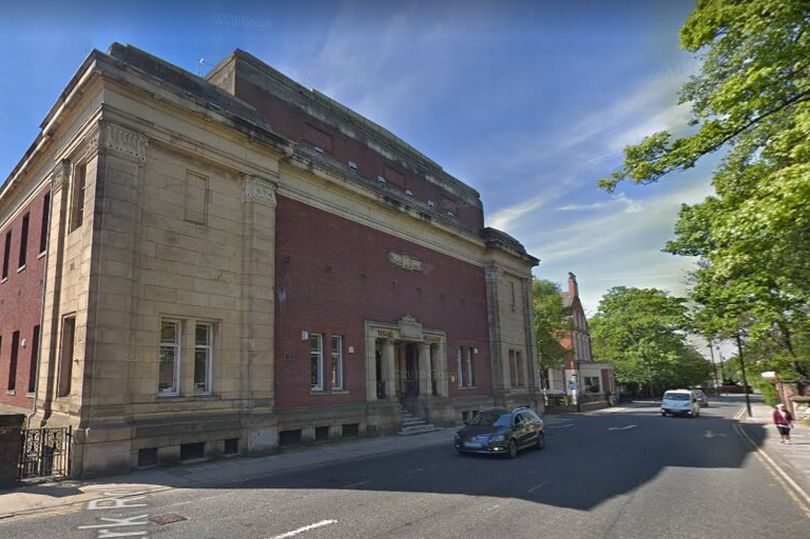
Grade II listed Masonic Temple in Sunderland to be converted into apartments

That purely material gains can never represent the final goal in the progress and development of mankind must have been recognised as fundamental truth ever since primitive man first began to turn his thoughts from such considerations as food, shelter and physical comfort generally to that limitless and fruitful field of speculative thought which Freemasonry names the hidden mysteries of nature and science.
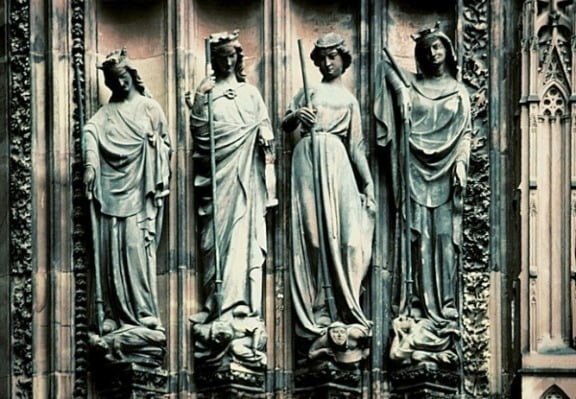
Traditional Christian theology names faith, hope, and charity as the theological virtues. They are directly imparted to the believing Christian by the grace of God and are not attainable through the natural order. They are called theological because they have God for their immediate and proper object; because they are divinely infused; and because they are only known through divine revelation.

It is often said that symbolism is carried too far and this is difficult to deny when I think of Freud and other psychiatrists and psychologists who seem able to find strange and often erotic meanings in all they see. The meanings given to every image based on repetition makes the lay-person feel at a serious disadvantage when they wish to contradict anything that is given a meaning by such “Specialists.” The symbolic object, which is dredged up by the mind, seems to have no great pattern of consistency in the case of psychiatric symbol definition.