Islam and Freemasonry
Islam and Freemasonry

Freemasonry may even be considered complementary to Islam as its principles only go to reinforce a Muslim brother’s own faith; contrary to the misconceptions widely held among my Muslim brethren from various sects. The distrust perhaps arises from the fact that masonic symbols are derived from segments of the Old Testament such as the Temple of King Solomon

Esoteric Significance of the White Lambskin Apron

Picture of Masonic Lamb Skin Apron

Perhaps the most universal symbol of Masonry, other than the Square & Compass or the seemingly all pervasive letter G, is that singular mark of distinction which every Entered Apprentice is first presented with –the white lambskin apron. Recognised around the globe as the distinguishing “badge” of the Mason, the lambskin apron is rich with symbolism and practical instruction for the speculative initiate of our Craft who is willing to seek more Light.

MOZART AND THE AUSTRIAN FREEMASONS by W.Bro. Martin I.McGregor

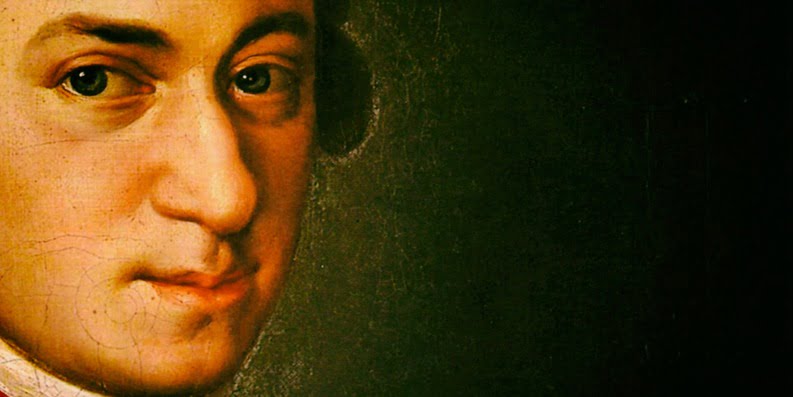
Mozart and Freemasonry

Born in Salzburg on 27th January 1756, he was baptized the following day at St. Ruperts Cathedral as Johannes Chrysostomus Wolfgangus Theophilus Mozart. Theophilus means ‘beloved of God’ and Mozart later used the Latin form Amadeus, -stylized sometimes as Amade or Amadeo- or the German form Gottlieb. His father, Johann Georg Leopold Mozart was born in Augsburg in Bavaria, where the Mozart family can be traced back to the 14thCentury

Some Biblical passages in Masonry by W.Bro. Ronald Paul Ng The Lodge of St. George No. 1152

Ashlar

When I first went through the 2nd degree and heard these words from the W. Master “..you are now permitted to extend your researches into the hidden mysteries of Nature and Science” I was struck by the absurdity of it. Here I am, a medical doctor, whose very profession required the study of the hidden mysteries of Nature and Science being told I am now permitted to do so

The Point Within a Circle

A point withing a Circle Freemasons

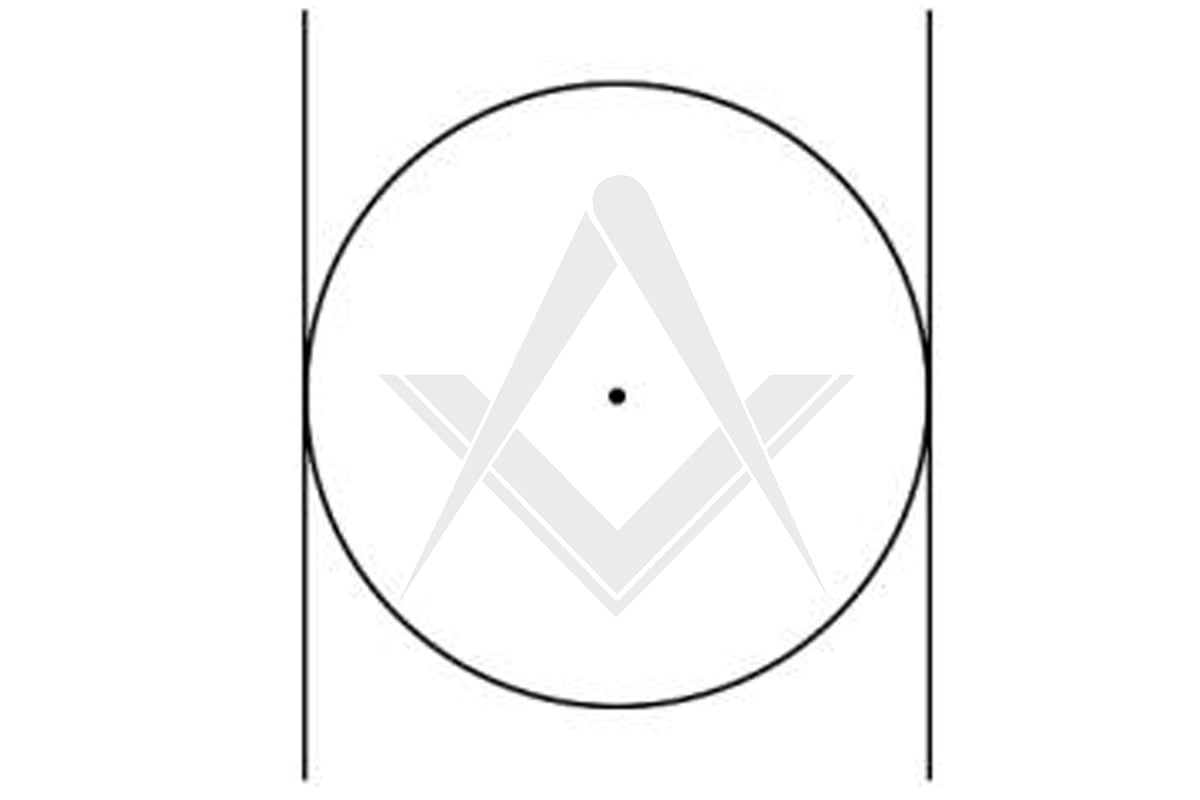
As Masons, we are all introduced during our ritual lectures to the Masonic symbol of the Point Within a Circle, and instructed in its’ allusion. The most interesting thing to me during my own such introduction was that the figure representing this symbol contained not only a point within a circle, but also two straight vertical lines touching the sides of the circle. It was explained during the ensuing lecture that these lines represented the two Holy Saints John, namely John the Baptist, and John the Evangelist. This struck me as peculiar to say the least, and I have been trying to figure out this peculiarity ever since.

The Blazing Star

Blazing star e897a92bcef903116495f308a8fb2bd35c277f09

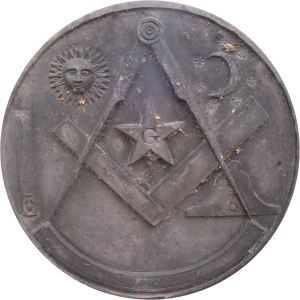
there has been very little agreement among our scholars either as to its (the letter ‘G’) origin or to its meaning. Usually, we can hit upon the manner in which a symbol was introduced into the Ritual by studying the records of the early eighteenth century in England, at which time and place the Ritual was cast in its modern form, but such a study cannot help us here because the eighteenth century Masons were themselves confused about the matter

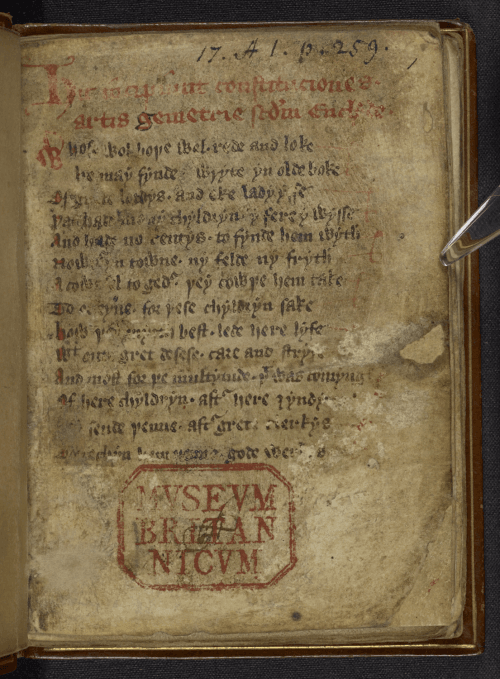
Masons and Manuscripts – Medieval manuscripts blog

342e0582d61b64d59bd61cf5f7cda66f

What do the masons who built medieval cathedrals, the philosopher Voltaire and the artist Marc Chagall have in common? Give yourself a pat on the back if you knew that they are all associated with freemasonry. The history of freemasonry is the subject of a major exhibition at the Bibliothèque nationale de France, open until 24 July 2016, to which the British Library has loaned two medieval manuscripts.