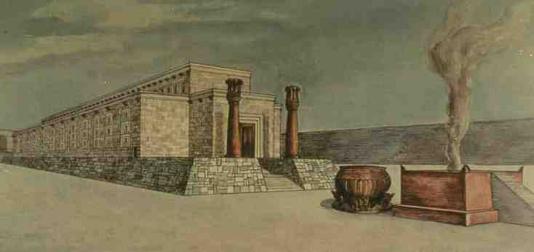
The Mysticism of the Royal Arch
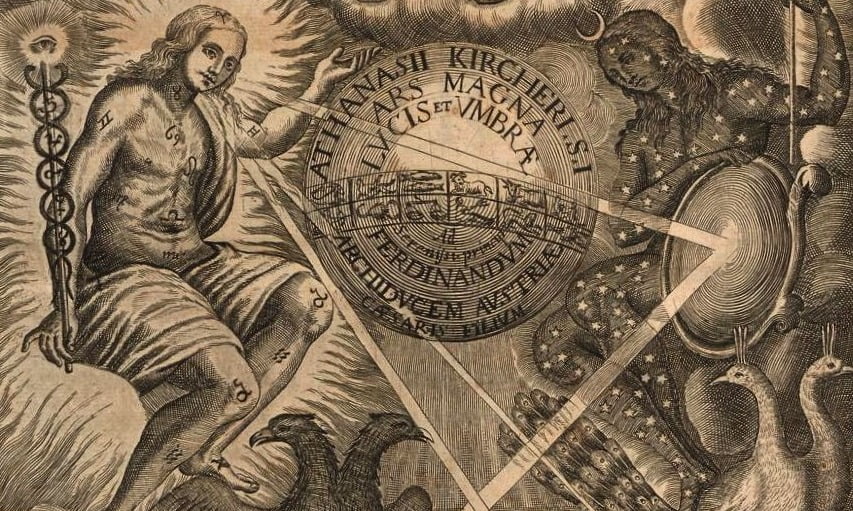
by the late W. Bro. Lt.-Cdr. C. R. MANASSEH, P.M. London Grand Rank – London Grand Chapter Rank Lodge No. 3549 (Old Bradfield); P.Z., Chapter No. 2233…
Promoting the Fraternity across the World
by the late W. Bro. Lt.-Cdr. C. R. MANASSEH, P.M. London Grand Rank – London Grand Chapter Rank Lodge No. 3549 (Old Bradfield); P.Z., Chapter No. 2233…
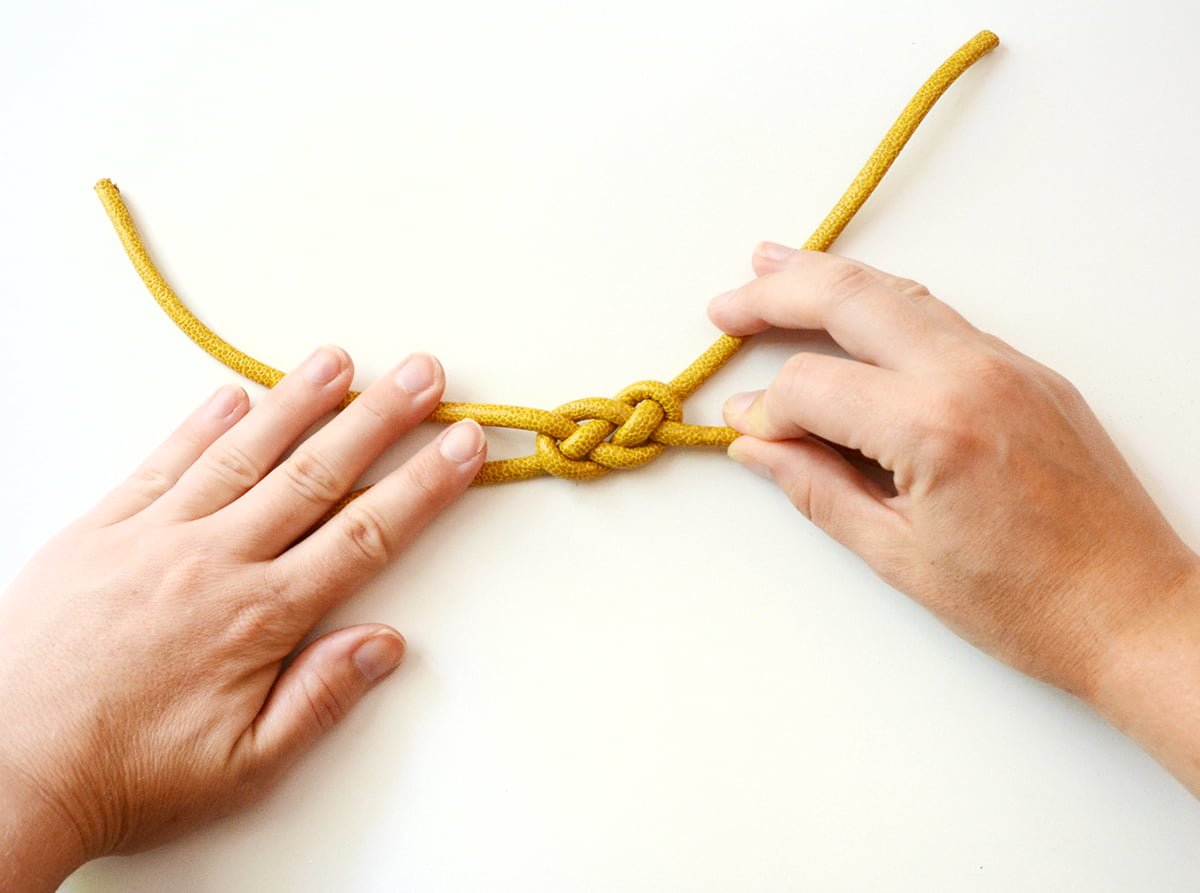
The knotted rope is an ancient Masonic Symbol commonly associated with the Tessellated Border[I], which in modern times is represented by a series of…
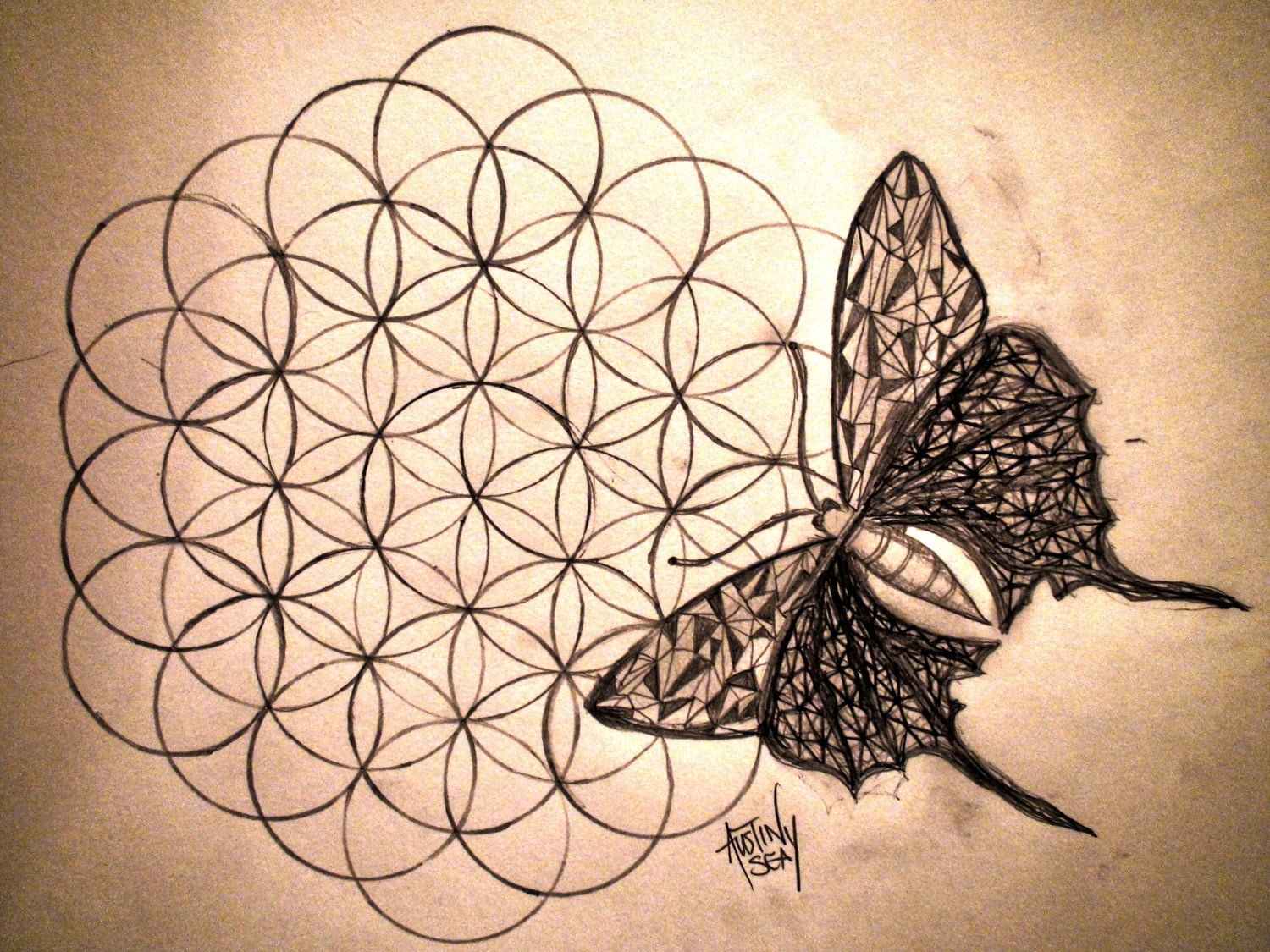
The Flower of Life – Where Masonry and Spirituality Meet

ON THE FOUNDATIONS AND LEGACY OF QUATUOR CORONATI LODGE OF RESEARCH. by Bro. Bob James Discovery Lodge of Research UGL of NSW & ACT, Australia …
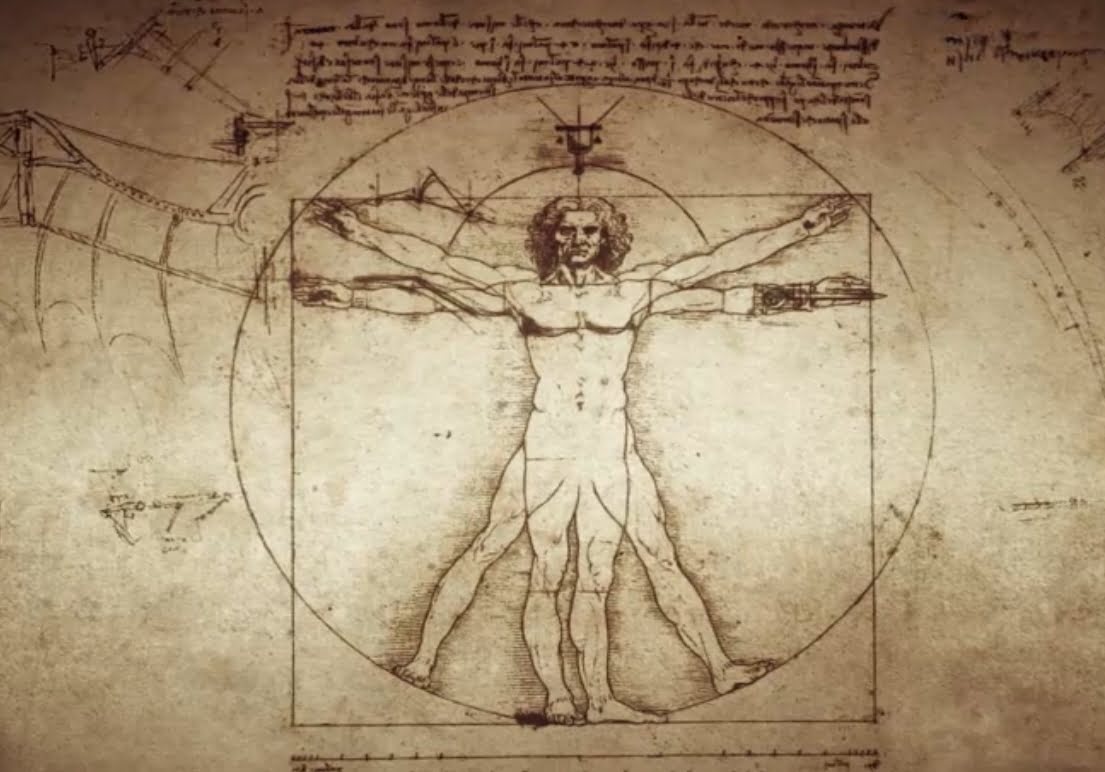
The Spiritual Anatomy of Man and King Solomons Temple
The address to the Immediate Past Master and the depiction on his jewel refer to the 47Th proposition of Euclid. It also refers to “our brother…
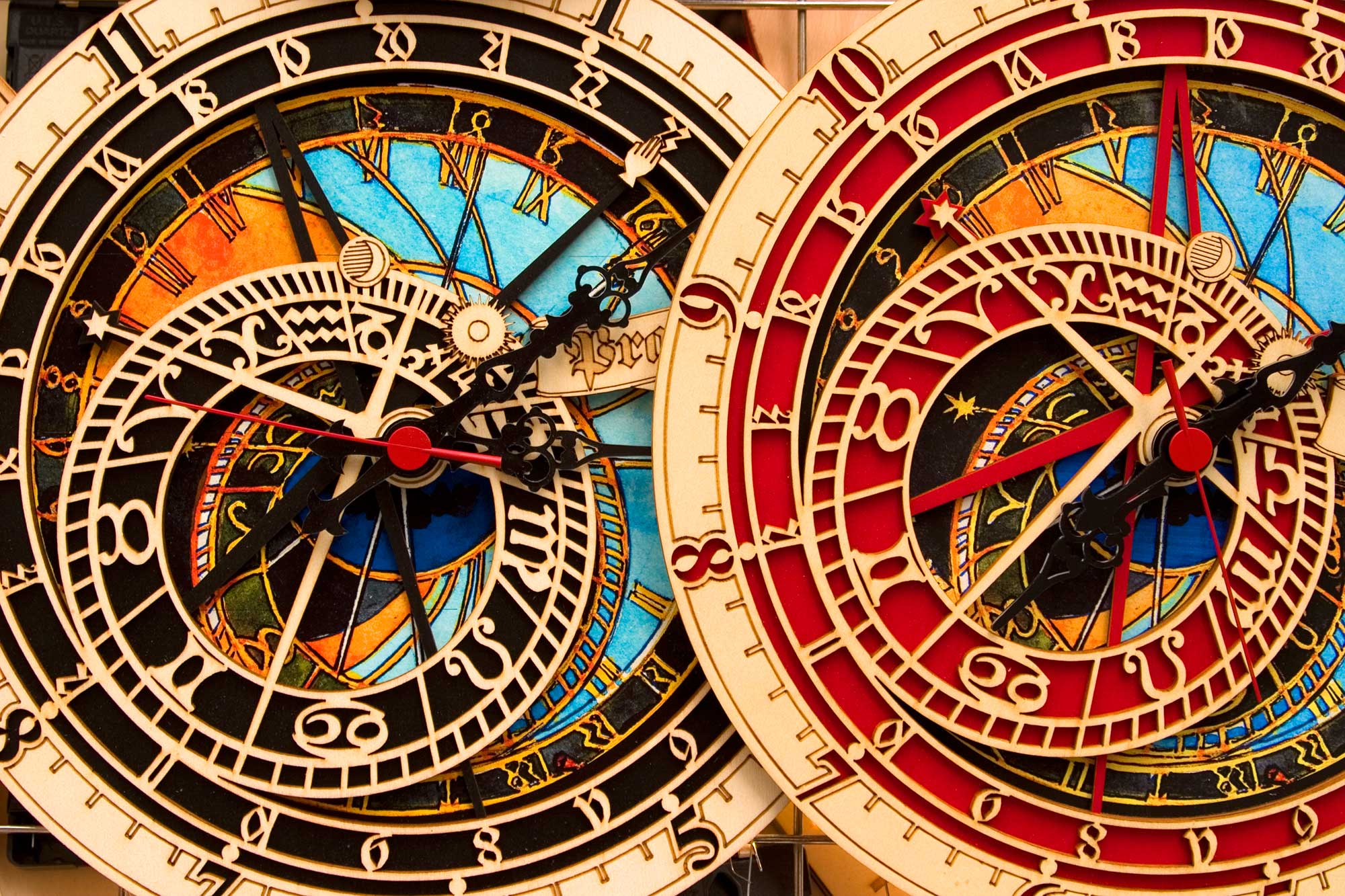
Throughout our lives, we have heard of the liberal arts and sciences. But until we were presented with them in The Winding Stair lecture, most of us had only a vague notion of what they consisted. The Fellowcraft Degree commends Freemasons to study the Liberal Arts and Sciences, which are grammar, rhetoric, logic, arithmetic, geometry, music, and astronomy. When we study the historical background for this list, we will uncover layers of Masonic meanings for us in each of the seven areas of knowledge.
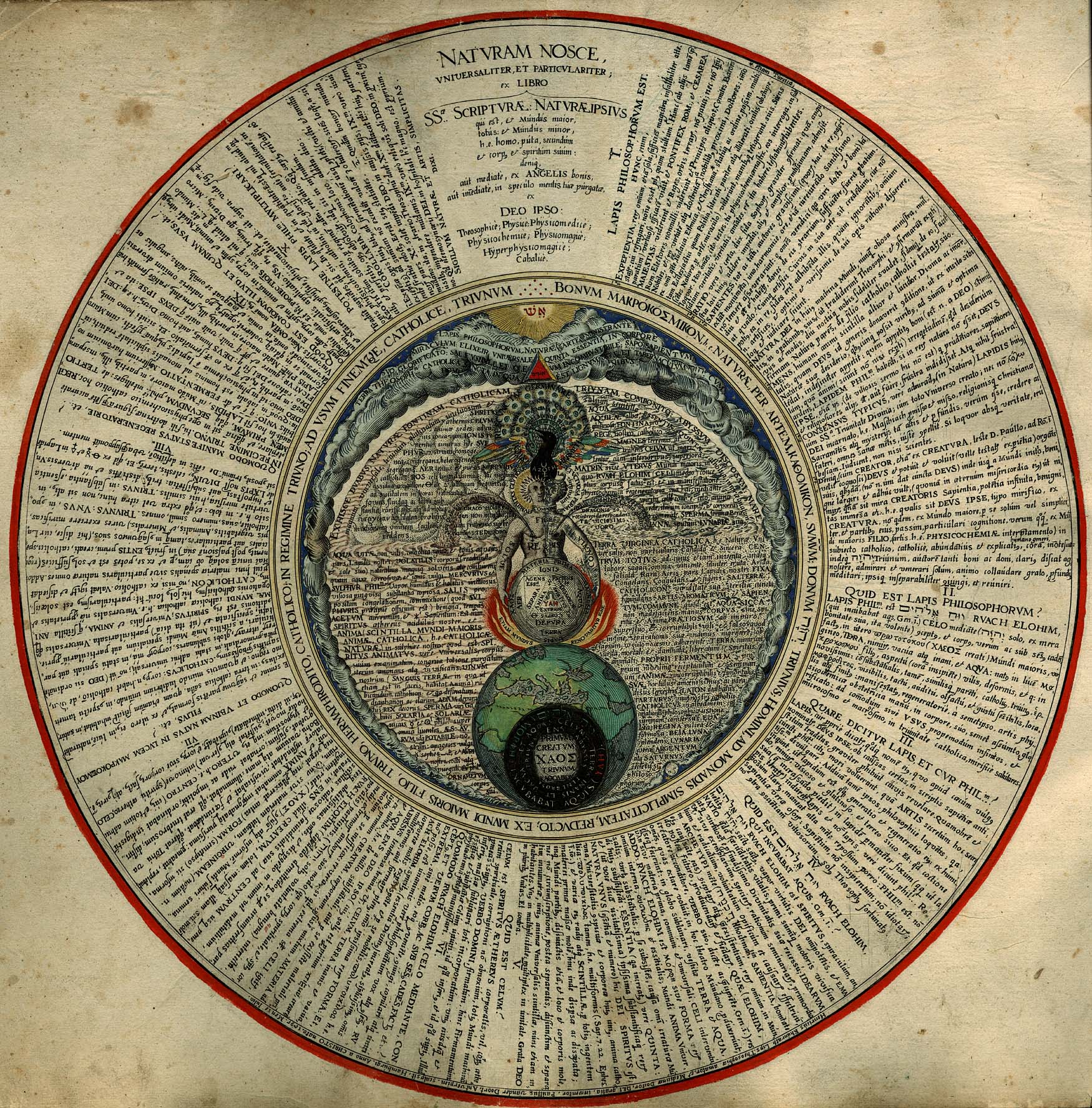
The body of Freemasonry is comprised of many types of individuals whose Masonic pursuits vary according to that individual’s personality and interests. Freemasonry has been very aptly been compared to a complex tapestry composed of many colourful overlapping individual threads which taken as a whole form a larger picture.
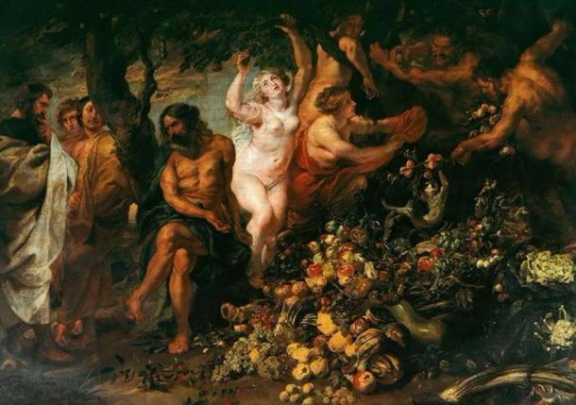
Pythagoras was one of the greatest minds and philosophers of his time and his unquestionable influence can be felt even today in mathematics. It is believed that he was the first man who referred to himself as a “philosopher.” He was the founder of Pythagoreanism, a religious and political movement that appeared mainly in the big cities of Magna Grecia (today southern Italy).