Millennial masonry: How those in their twenties and thirties are changing the Craft
Crucially, and blessedly, Millennials are becoming masons Those under thirty constitute at present only two per cent of British masons. This may seem…
Promoting the Fraternity across the World
Crucially, and blessedly, Millennials are becoming masons Those under thirty constitute at present only two per cent of British masons. This may seem…
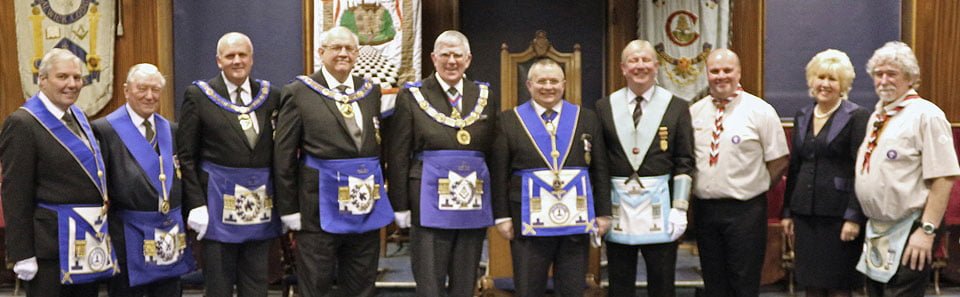
Well Brethren I got off to a wonderful start this month with a visit to Preston on 1 March. I was accompanied to Saul Street, Preston by Keith Kemp, where…
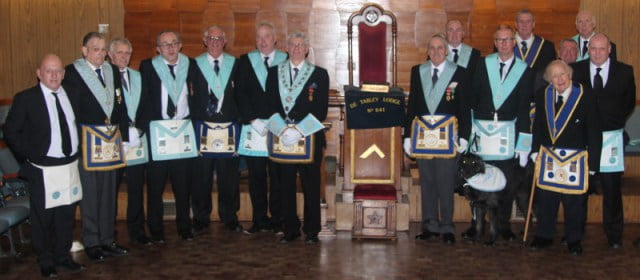
The Members of De Tabley Lodge No 941 paid a sincere tribute to WBro Peter Barsby PProvJGW who was called to Higher service on Thursday 24th March….
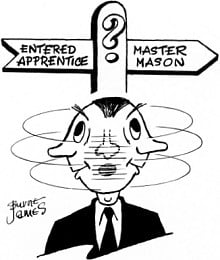
When the ‘Operative Mason’ came to the end of his Apprenticeship, and his record was good and had proved his proficiency under test, he was formally…
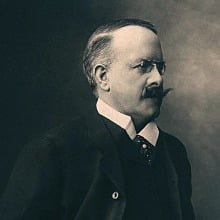
Dr Thomas John Barnardo (1845–1905), nicknamed ‘The Doctor’, was a leading reformer of the 19th century on a par with Sir Robert Peel, Elizabeth Fry…
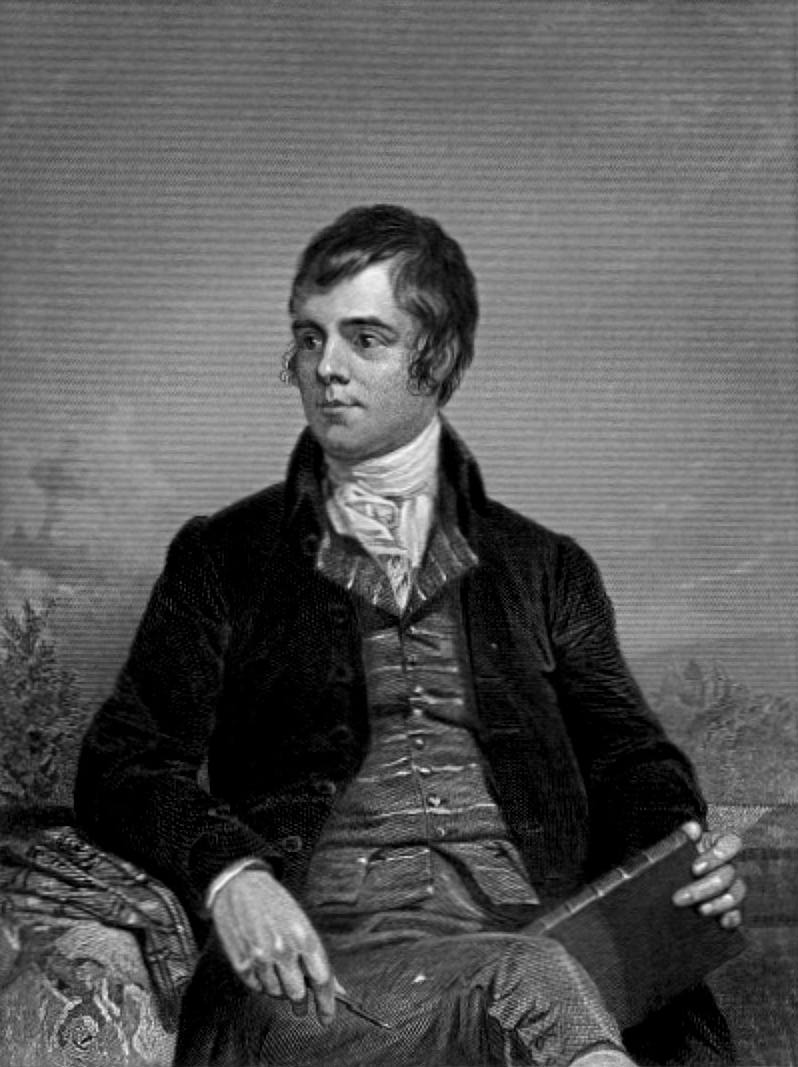
Burns’s rise in popularity for his poems also contributed to his rise in Freemasonry. At a meeting of Lodge St. Andrew in Edinburgh in 1787, at which the Grand Master and Grand Lodge of Scotland was present, Burns was toasted by the Worshipful Grand Master, Most Worshipful Brother Francis Chateris, with the words “Caledonia and Caledonia’s bard, Bro. Robt. Burns”
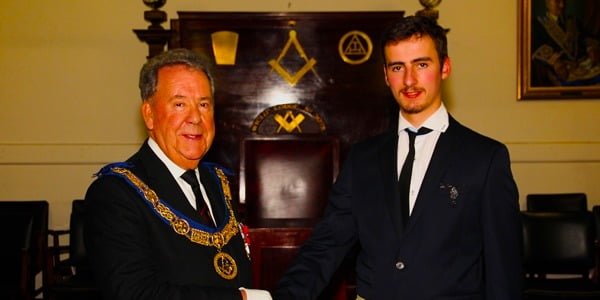
The Provincial Grand Master of Leicestershire and Rutland, RW Bro David Hagger, was kindly offered and willingly accepted the gavel at the meeting of…
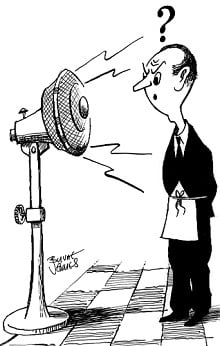
You are now an Entered Apprentice Freemason – the first step in your journey through what is known as The Craft Degrees. The word ‘apprentice’ means…
The purpose of learning the arts is to train the mind how to think (as opposed to what to think). By combining the seven liberal arts with the five senses, one can distinguish between reality and fiction. This can be visually represented with a Pythagorean triangle.
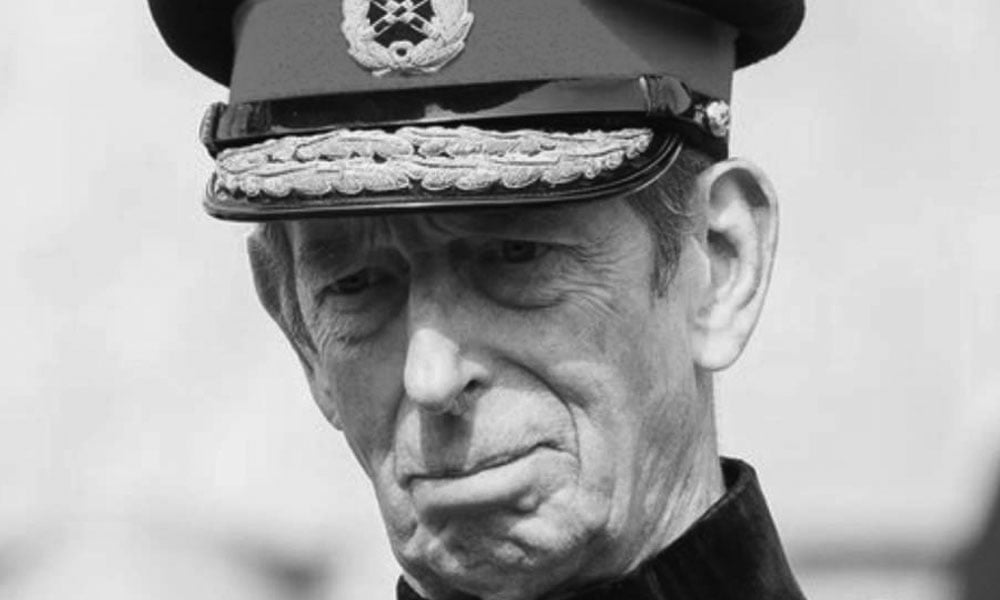
HRH The Prince Philip, Duke of Edinburgh became a Master Mason in Navy Lodge, No. 2612, of which he is still a subscribing member. HRH The Duke of Kent has been our Grand Master since 1967 and his wise counsel and great support in what has been a turbulent time for English Freemasonry, have been invaluable. His brother HRH Prince Michael of Kent has given long service as both Provincial Grand Master for Middlesex in the Craft and as Grand Master of the Grand Lodge of Mark Master Masons.