Why You Should Become a Freemason in 2024
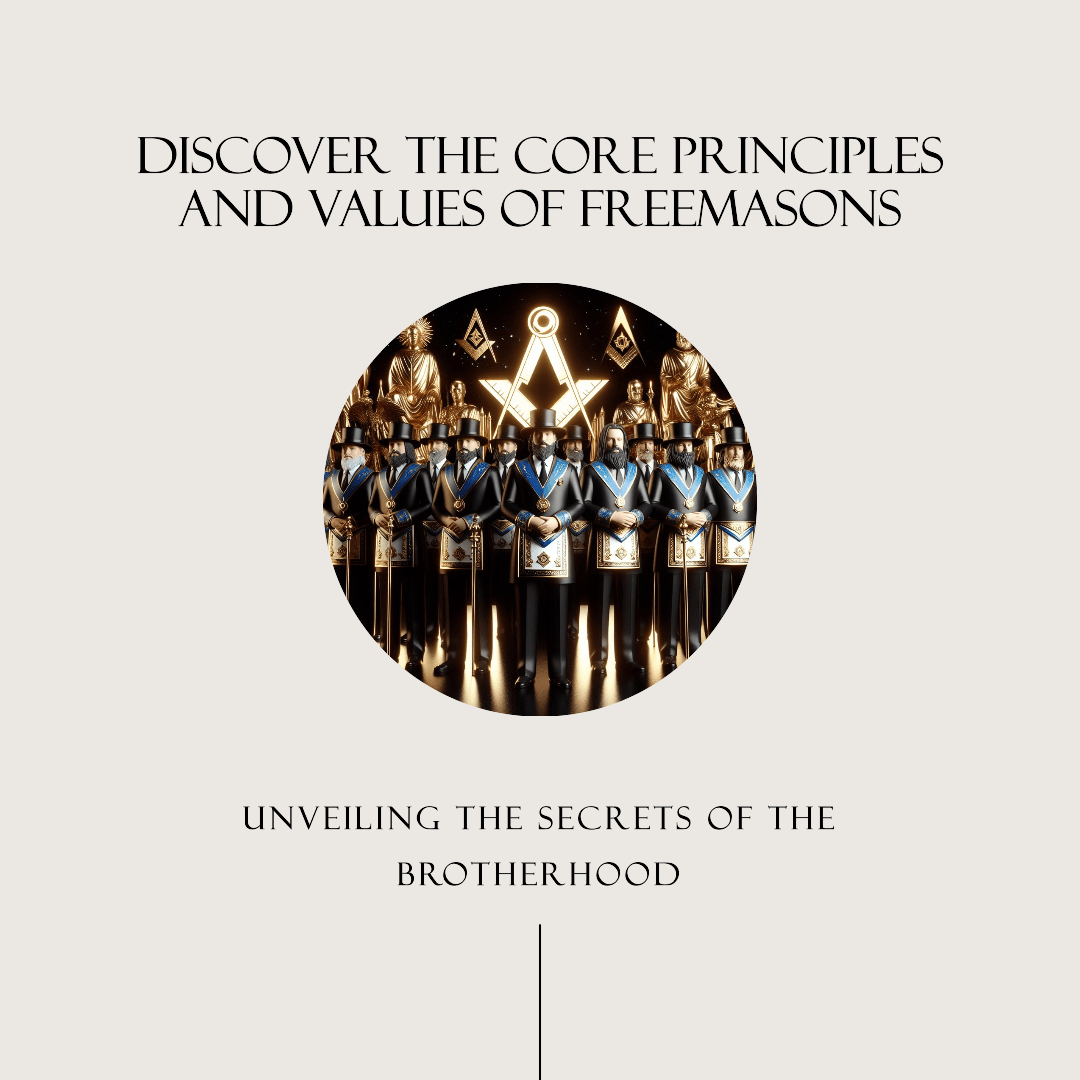
Becoming a freemason is a most rewarding experiences, that will change your life forever. This article explores some reasons why you should consider…
Promoting the Fraternity across the World
Becoming a freemason is a most rewarding experiences, that will change your life forever. This article explores some reasons why you should consider…
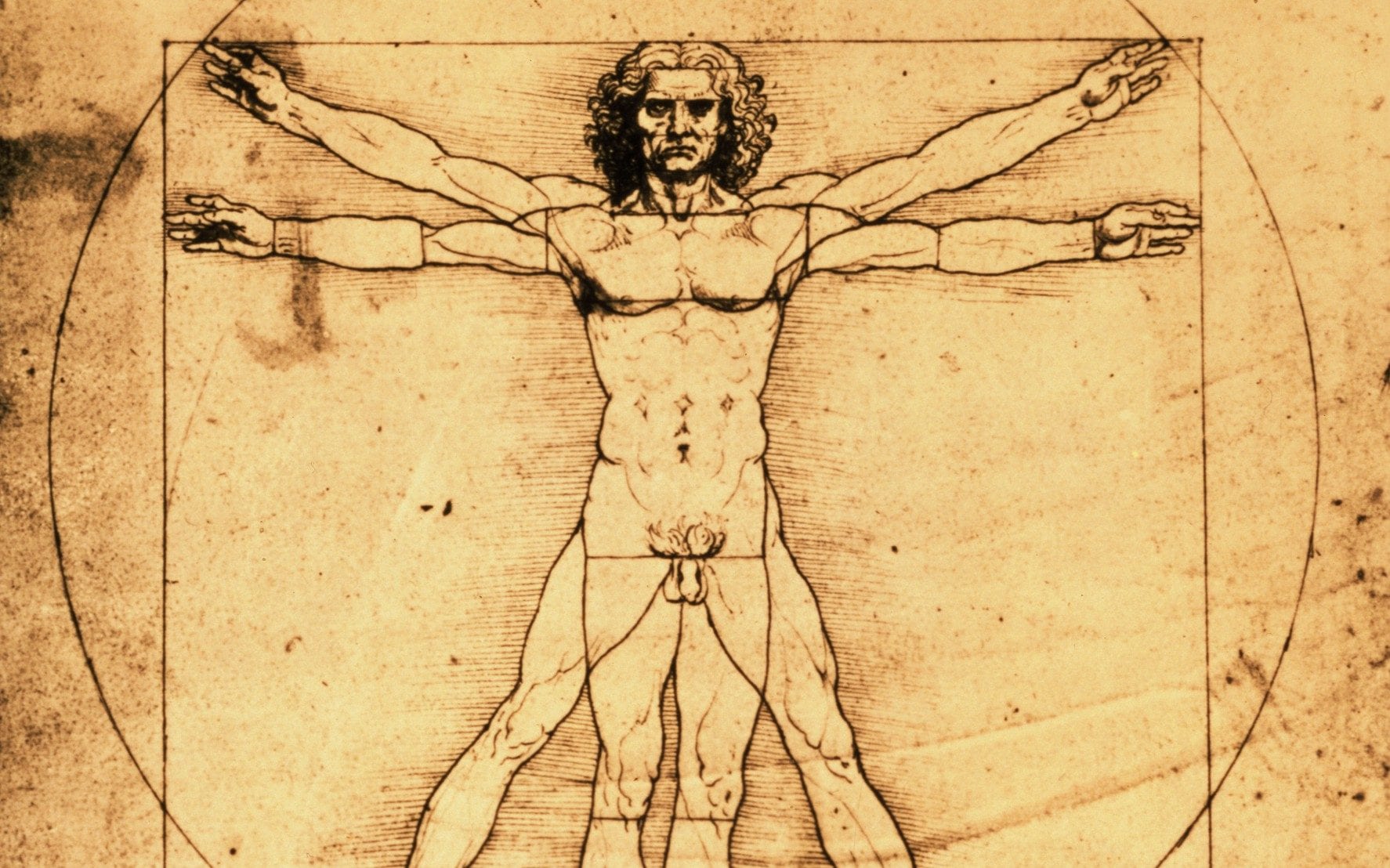
It is my task to review, or examine, with you the character of the mature mason. To do so we must first ask ourselves: What is maturity? No definition can better that of the dictionary — “the state of being, complete, perfect or ready.” Let us consider the aspect of completion
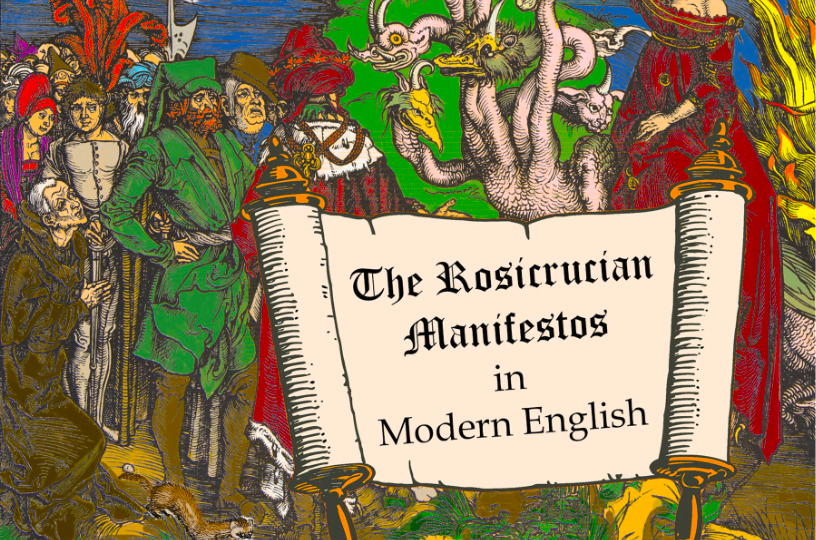
The 17th century Rosicrucian Manifestos are the subject of a new book written by Steven Markham. Steven has produced a modern English version of the three…
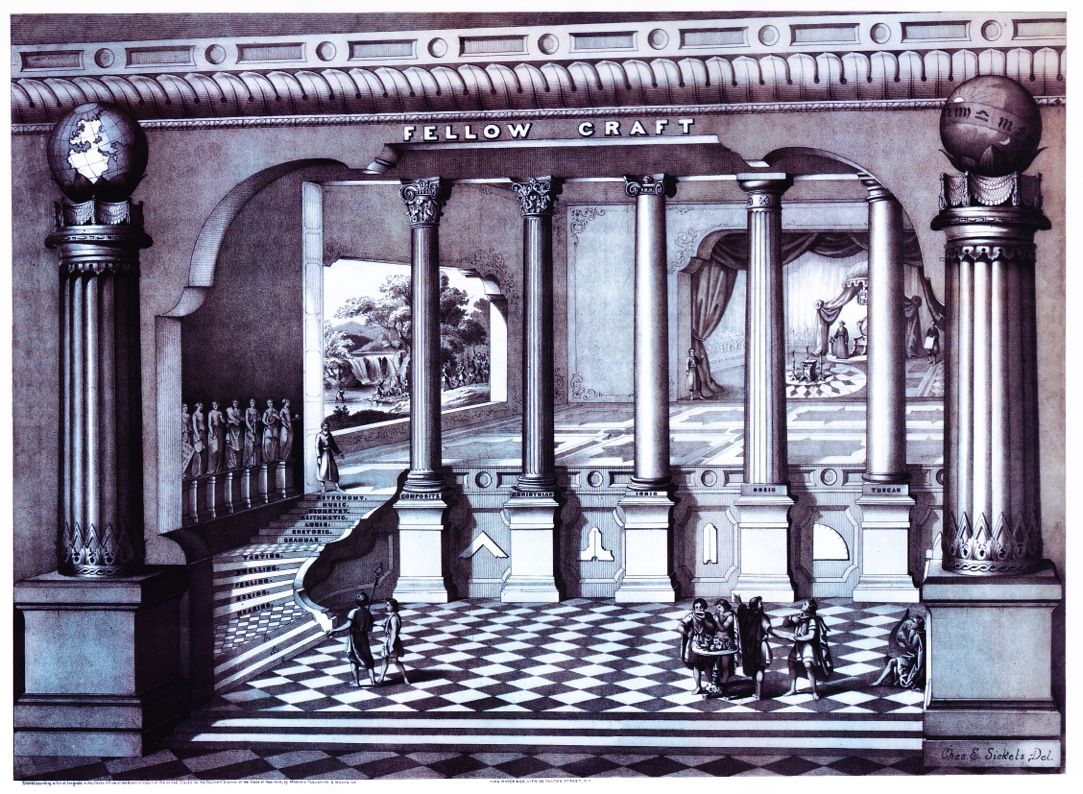
In this little volume W. Bro. Ward justly emphasises the importance of the 2 degree. In former times it was no mere passing stage of a Mason’s career. In…
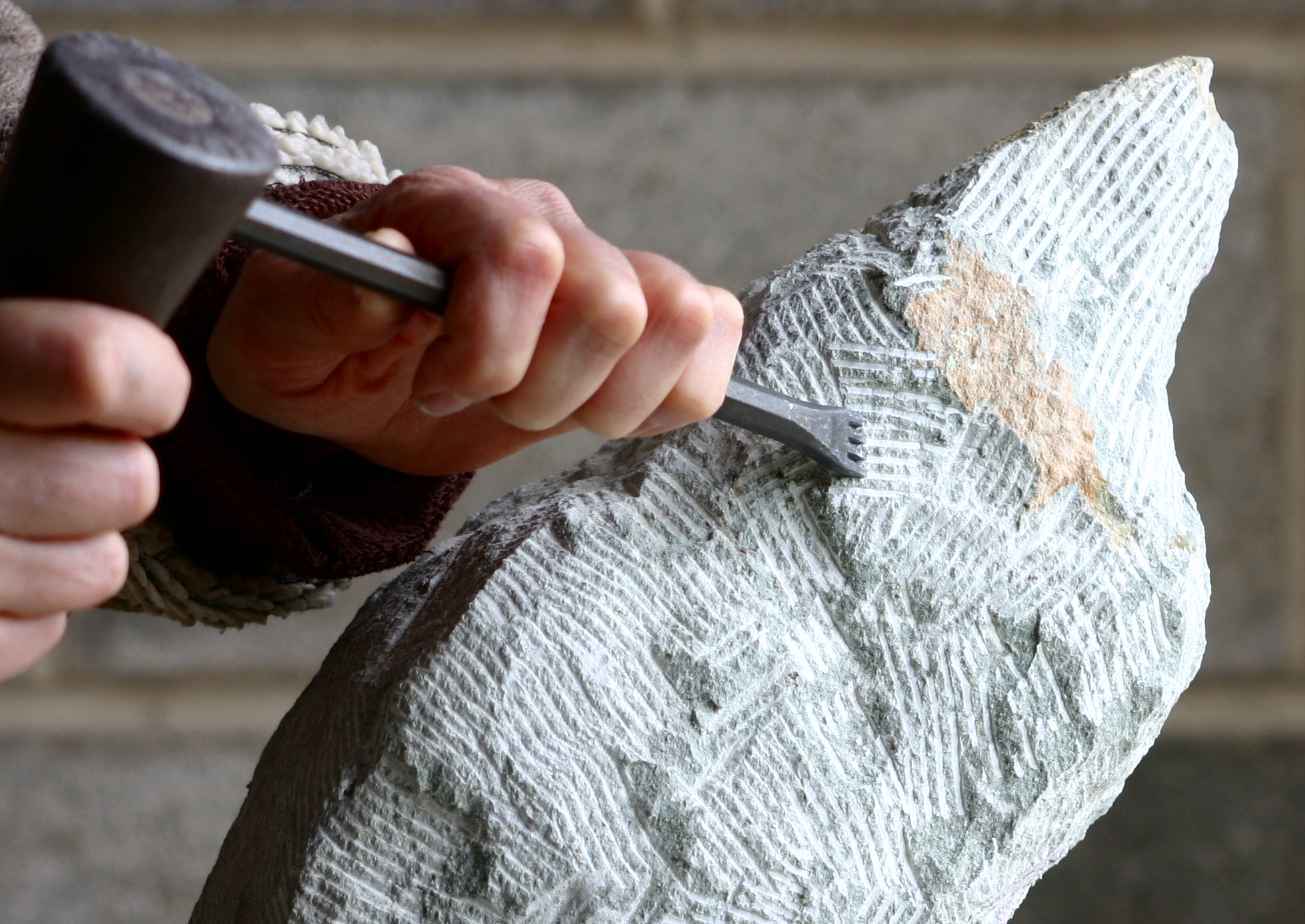
Each of the nine tools has a moral significance: the Twenty-four Inch Gauge, the Common Gavel and the Chisel of the First Degree are the tools of preparation; the Square, Level and Plumb Rule of the Second Degree are the tools of proof; the Skirret, Pencil and Compasses of the Third Degree are the tools of plan.
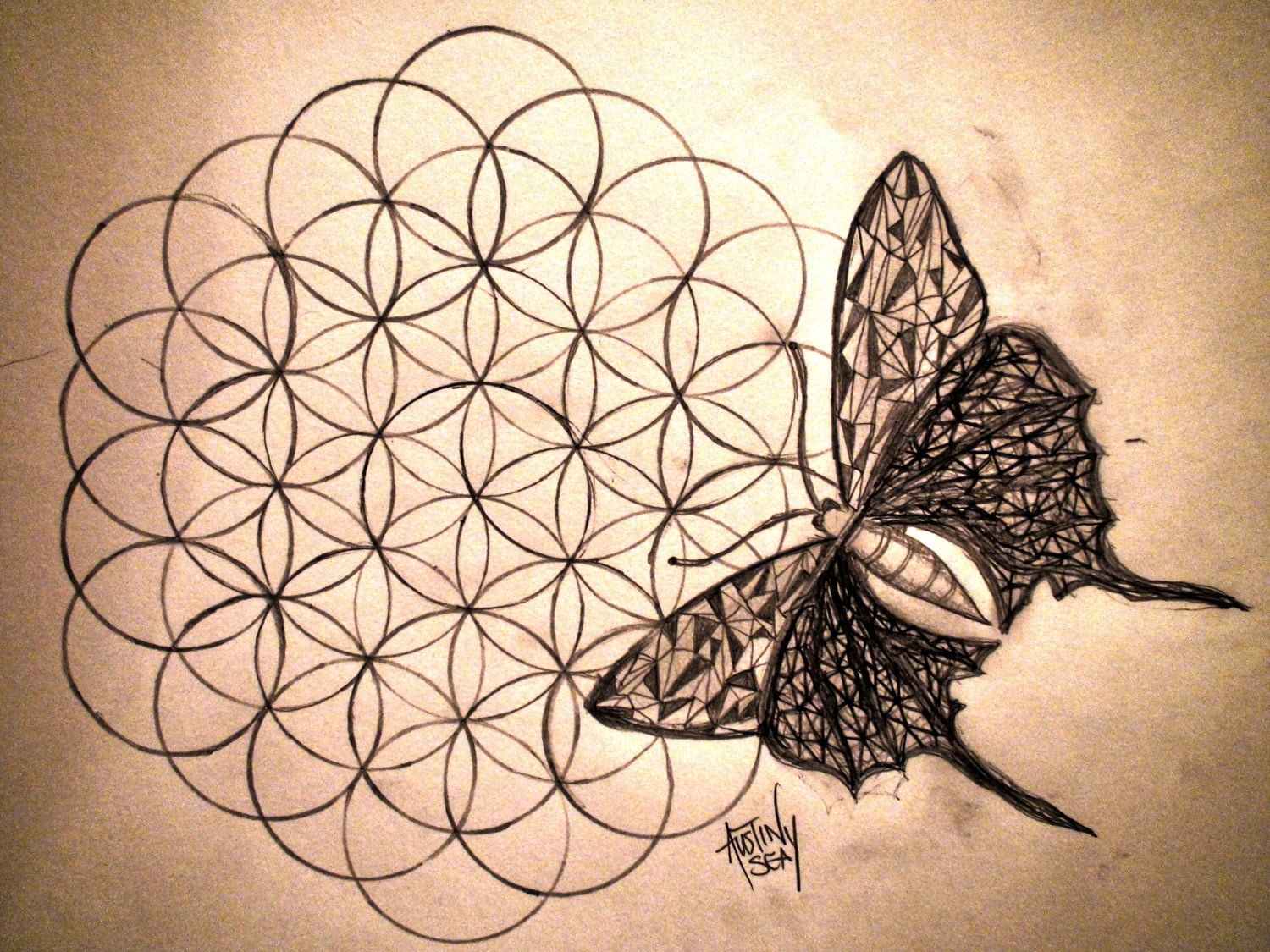
The address to the Immediate Past Master and the depiction on his jewel refer to the 47Th proposition of Euclid. It also refers to “our brother…
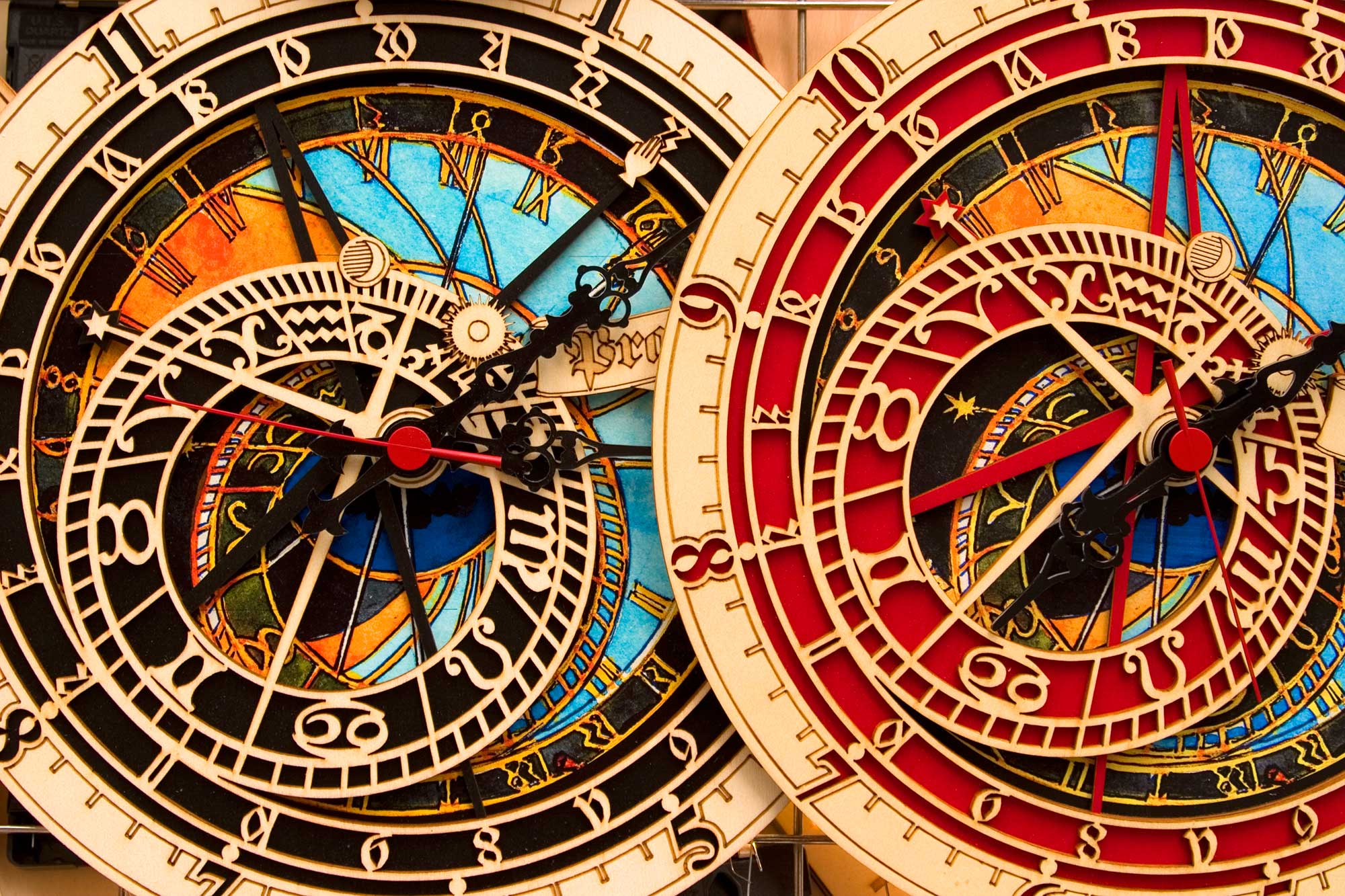
Throughout our lives, we have heard of the liberal arts and sciences. But until we were presented with them in The Winding Stair lecture, most of us had only a vague notion of what they consisted. The Fellowcraft Degree commends Freemasons to study the Liberal Arts and Sciences, which are grammar, rhetoric, logic, arithmetic, geometry, music, and astronomy. When we study the historical background for this list, we will uncover layers of Masonic meanings for us in each of the seven areas of knowledge.
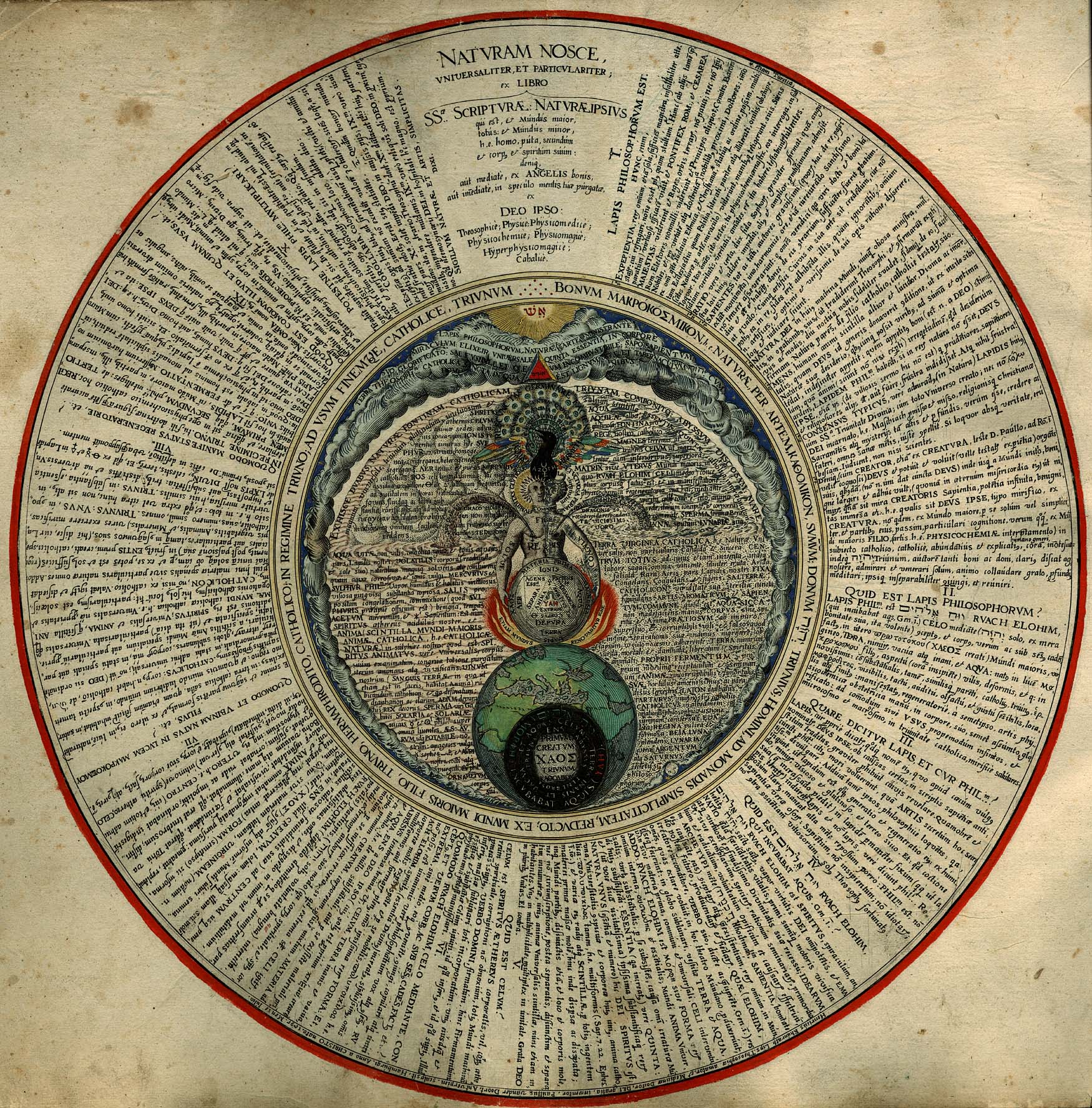
The body of Freemasonry is comprised of many types of individuals whose Masonic pursuits vary according to that individual’s personality and interests. Freemasonry has been very aptly been compared to a complex tapestry composed of many colourful overlapping individual threads which taken as a whole form a larger picture.
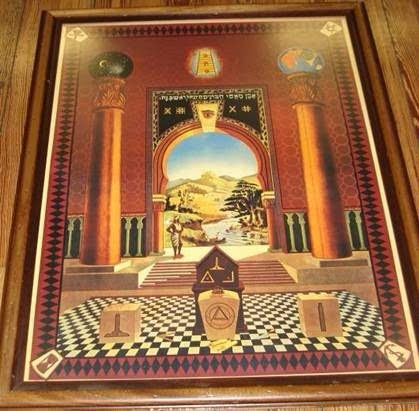
The Mark is a ceremony or degree [sometimes called the ‘friendly’ degree], conferrable today only to Master Masons and forms part of a hierarchical organization. In Craft Masonry it was quite a late innovation making its appearance during the mid-1700s. However we do know that Operative Masons, without any kind of ceremony, were taking marks 150 years before the Mark came into use as part of that particular ceremony.