Geometry and Masonry: Sacred Geometry
The address to the Immediate Past Master and the depiction on his jewel refer to the 47Th proposition of Euclid. It also refers to “our brother…
Promoting the Fraternity across the World
The address to the Immediate Past Master and the depiction on his jewel refer to the 47Th proposition of Euclid. It also refers to “our brother…
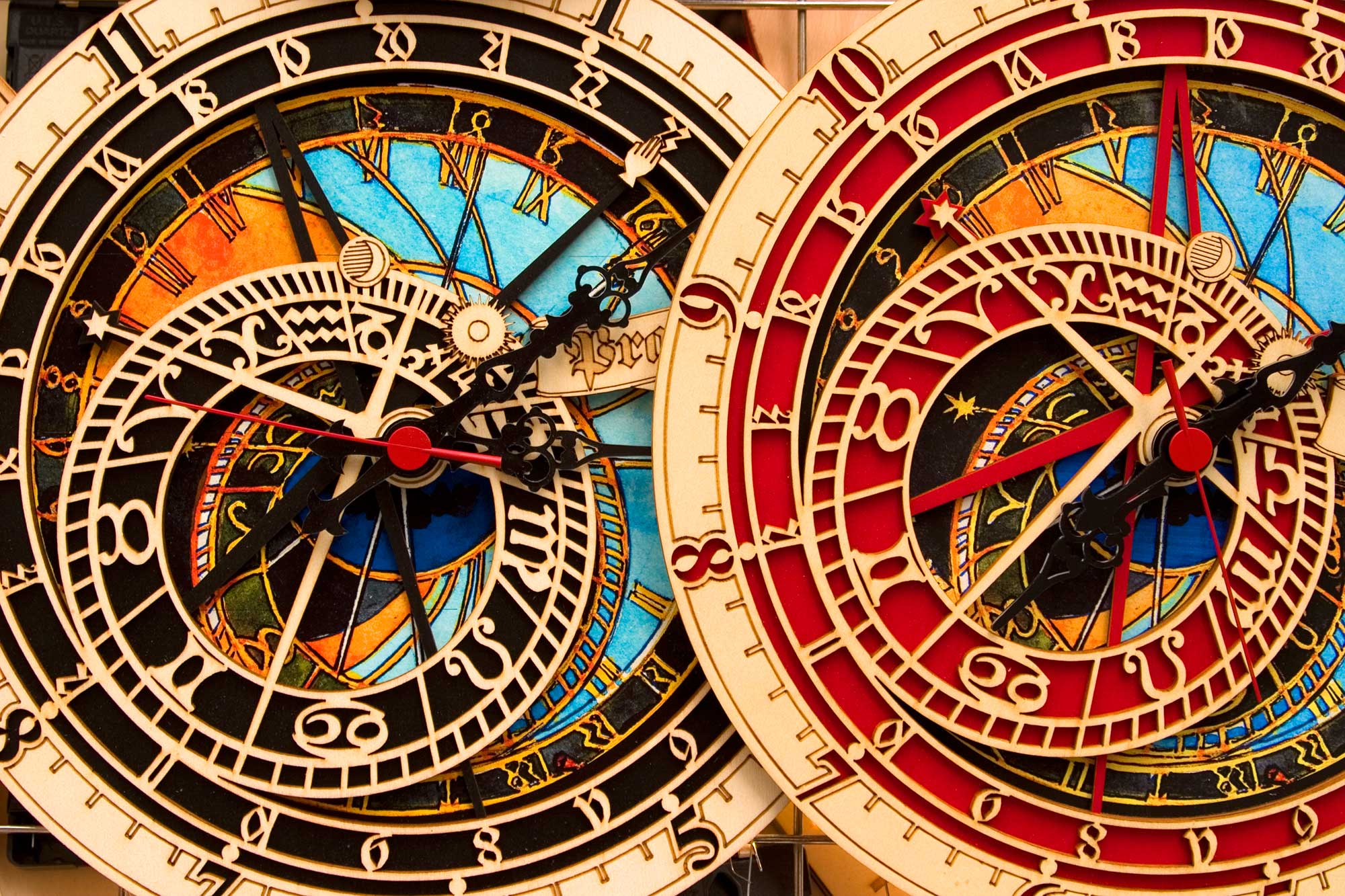
Throughout our lives, we have heard of the liberal arts and sciences. But until we were presented with them in The Winding Stair lecture, most of us had only a vague notion of what they consisted. The Fellowcraft Degree commends Freemasons to study the Liberal Arts and Sciences, which are grammar, rhetoric, logic, arithmetic, geometry, music, and astronomy. When we study the historical background for this list, we will uncover layers of Masonic meanings for us in each of the seven areas of knowledge.
The Mark is a ceremony or degree [sometimes called the ‘friendly’ degree], conferrable today only to Master Masons and forms part of a hierarchical organization. In Craft Masonry it was quite a late innovation making its appearance during the mid-1700s. However we do know that Operative Masons, without any kind of ceremony, were taking marks 150 years before the Mark came into use as part of that particular ceremony.

When General Horatio King asked William McKinley how he happened to become a Mason, he explained,” After the Battle of Opequam, I went with our surgeon of our Ohio regiment to the field where there were about 5,000 Confederate prisoners under guard. Almost as soon as we passed the guard, I noticed the doctor shook hands with a number of Confederate prisoners. He also took from his pockets a roll of bills and distributed all he had among them. Boy-like, I looked on in wonderment; I didn’t know what it all meant. On the way back from camp I asked him:
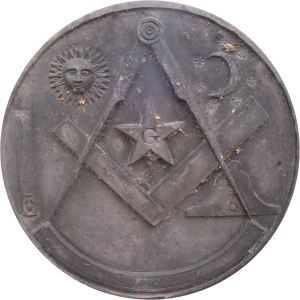
there has been very little agreement among our scholars either as to its (the letter ‘G’) origin or to its meaning. Usually, we can hit upon the manner in which a symbol was introduced into the Ritual by studying the records of the early eighteenth century in England, at which time and place the Ritual was cast in its modern form, but such a study cannot help us here because the eighteenth century Masons were themselves confused about the matter
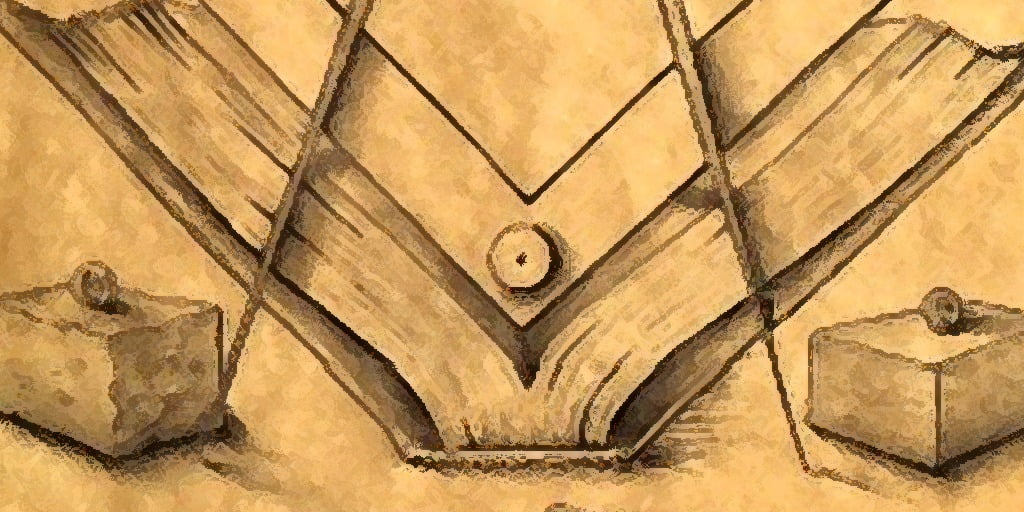
KING SOLOMON’S TEMPLE

Well, our brethren across the Atlantic are confronting this same situation in England, and the similarities and differences between our two societies are interesting to compare.
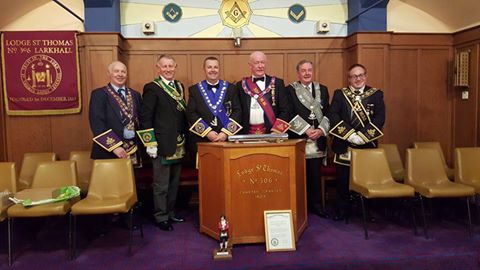
PGL of Lanarkshire Middle Ward20 May at 21:00 ·
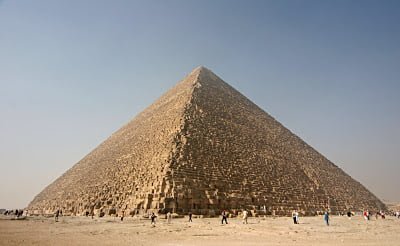
Freemasonry continues an initiatic tradition whose beginnings are lost in antiquity. This statement cannot be proven historically.Yet the more you study Masonic rites and its symbols, the more you become convinced that you are dealing with something ancient, maybe even primordial. It becomes clear that this tradition is much older than Masonrys institutional beginnings in 1717, older than the cathedral builders and medieval guilds, older even than King Solomons Temple or the Egyptian Pyramids.
The purpose of learning the arts is to train the mind how to think (as opposed to what to think). By combining the seven liberal arts with the five senses, one can distinguish between reality and fiction. This can be visually represented with a Pythagorean triangle.