Some Biblical passages in Masonry by W.Bro. Ronald Paul Ng The Lodge of St. George No. 1152
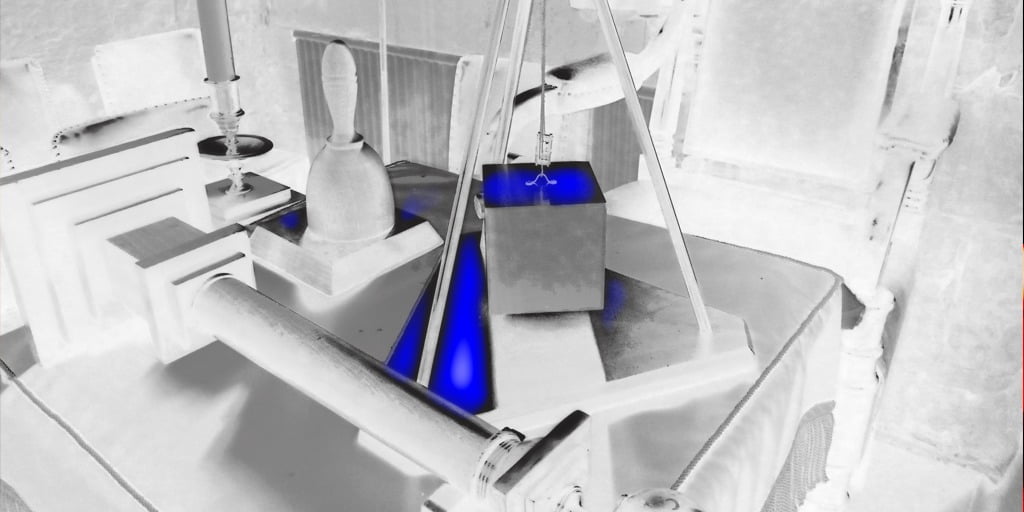
Ashlar

When I first went through the 2nd degree and heard these words from the W. Master “..you are now permitted to extend your researches into the hidden mysteries of Nature and Science” I was struck by the absurdity of it. Here I am, a medical doctor, whose very profession required the study of the hidden mysteries of Nature and Science being told I am now permitted to do so
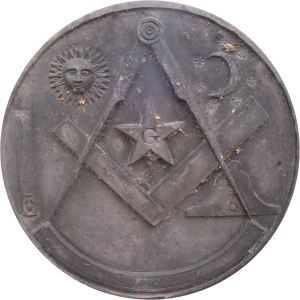
The Blazing Star

Blazing star e897a92bcef903116495f308a8fb2bd35c277f09

there has been very little agreement among our scholars either as to its (the letter ‘G’) origin or to its meaning. Usually, we can hit upon the manner in which a symbol was introduced into the Ritual by studying the records of the early eighteenth century in England, at which time and place the Ritual was cast in its modern form, but such a study cannot help us here because the eighteenth century Masons were themselves confused about the matter

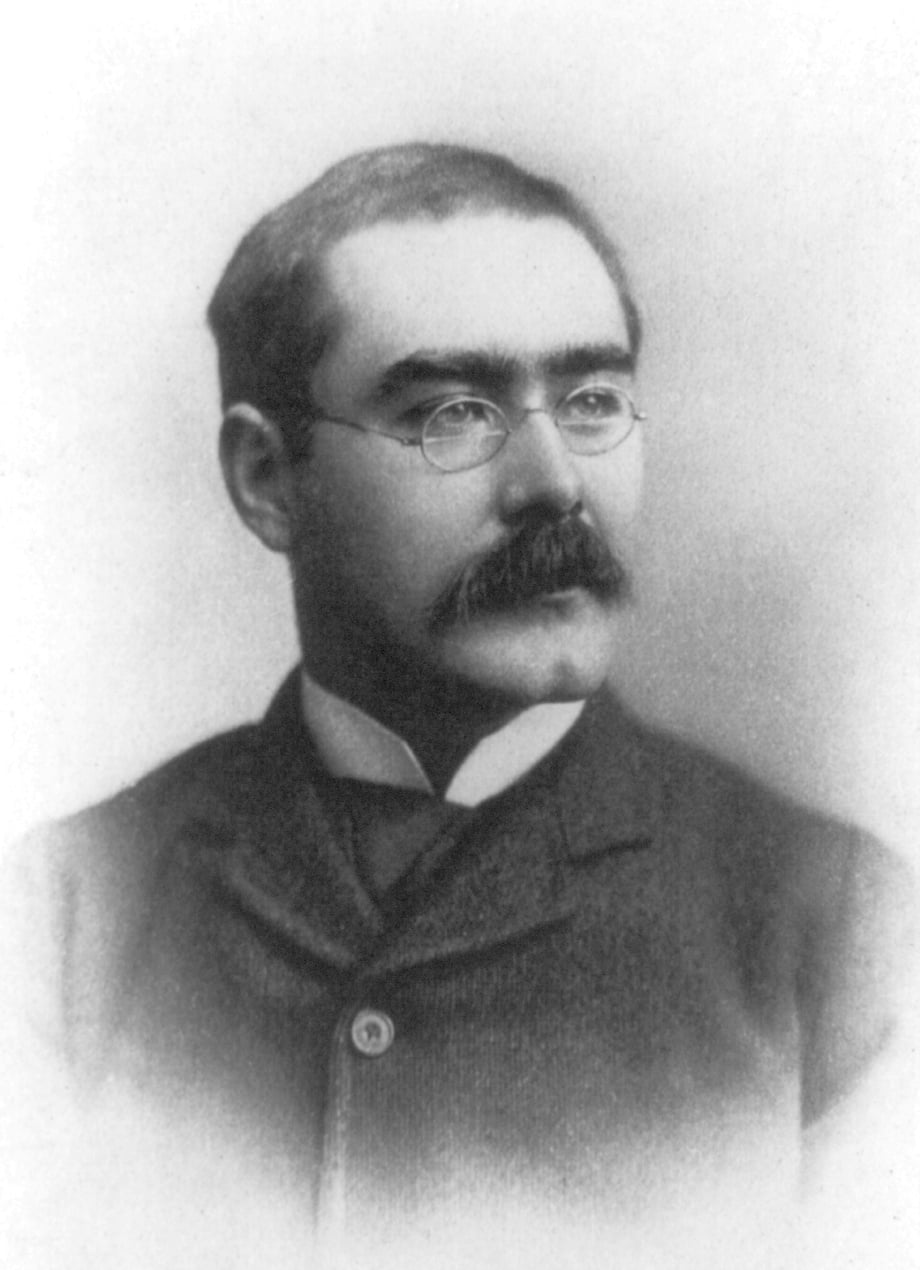
Kipling and the Craft

Image of Rudyard Kipling who wrote thhis Tylers Toast

The need for this further essay was first made apparent to me when—in my capacity as Secretary of the Lodge and Editor of the Transactions—I began to receive inquiries from Brethren as far away as Vancouver and Singapore, asking for materials and information which might help them to complete their own papers on Kipling, and I found, to my surprise, that while our library contains a great deal of relevant material, there has never been a paper on Kipling in our Transactions.

The History and Meaning of the Apron

648d1ac0477924a60ffdb4e9892864f1

The Apron is not a modern invention; in fact it is the most ancient of all garments. In the 3rd Chapter of genesis these words are written: “and the eyes of them both were opened, and they knew they were naked, and they sewed fig leaves together, and made themselves aprons.”

FREEMASONRY IN THE EARLY 1600 AND 1700

Bro. W.J. Hughan

There is such an abundance of evidence in proof of the continuity of Freemasonry during the period selected, that it is only necessary to study the special records of the old Lodges, happily still preserved, the Rolls of the “Old Charges”, and especially the extant minutes of the Masons’ Company of London, to be assured that the Freemasons of the present day are the lineal descendants of the operative builders, who in the 17th century, and earlier, admitted speculative or non-professional members.

MASTERS PIECE

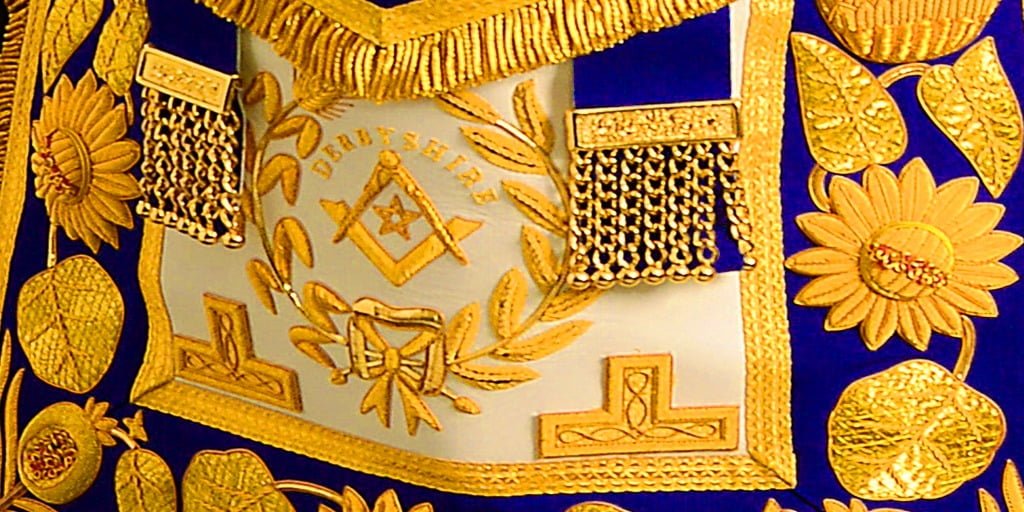
Derbyshire Freemasonry

In the olden time it was no easy matter for a man to become a Freemason. He had to win the right by hard work, technical skill, and personal worth