Most Wor Brother Darwin H.Templeton C.B.E., F.C.A. called to The Grand Lodge Above.

It is with great sadness that we record the passing of Most Worshipful Brother Darwin H.Templeton, C.B.E., F.C.A. Grand Master of The Grand Lodge of…
Promoting the Fraternity across the World
It is with great sadness that we record the passing of Most Worshipful Brother Darwin H.Templeton, C.B.E., F.C.A. Grand Master of The Grand Lodge of…
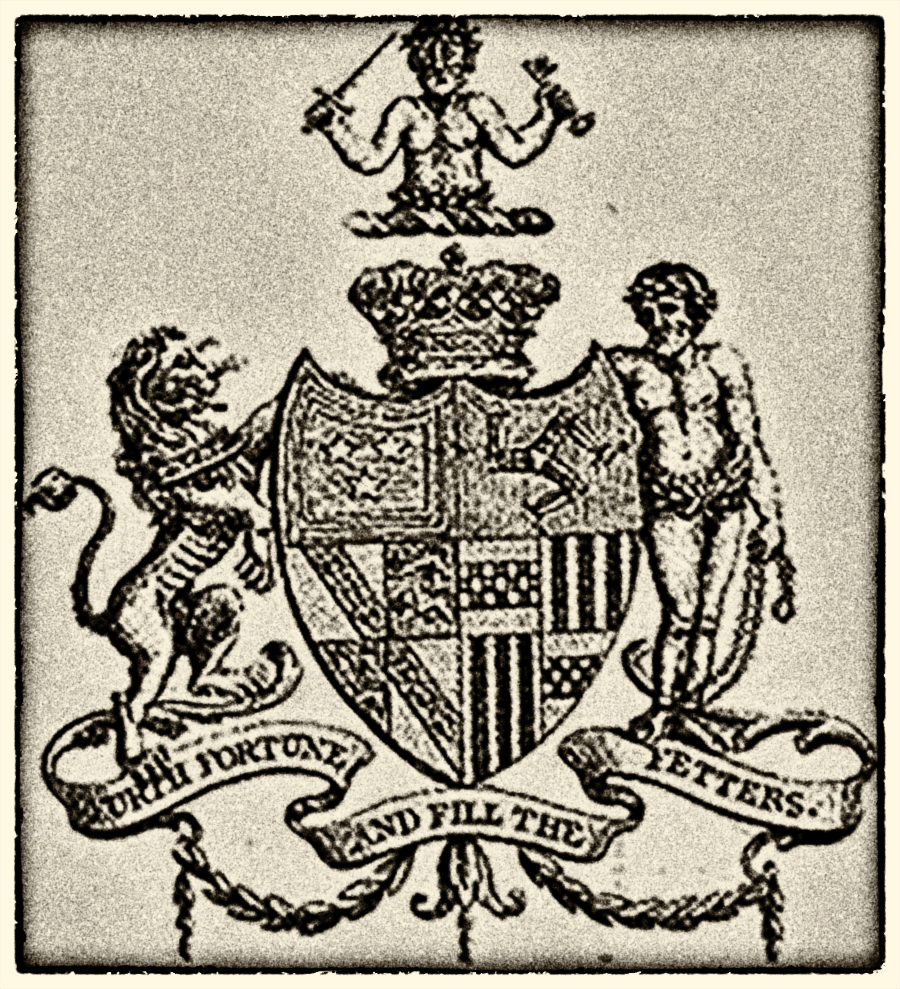
As the more energetic of the Grand Lodges, which formed the United Grand Lodge of England in 1813 was denominated the “Ancients” and the majority of the Lodges under its supervision were known as “Atholl” Lodges, it appeals to us that an article consisting of references thereto by many of the Masonic writers may not prove uninteresting.
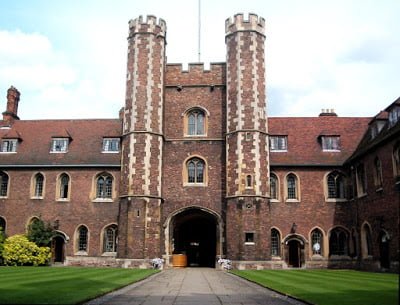
The joint Conference on the history of Freemasonry held by Quatuor Coronati Lodge No. 2076 and Queens’ College at the University of Cambridge in…
WHY IS IT THAT OUR Fraternity bears the name “Freemasonry” instead of “Masonry”? Why the “free” in it? Far back in the Middle Ages a freemason was the name of a builder who could design buildings as well as construct them. He was what we should now call an architect.
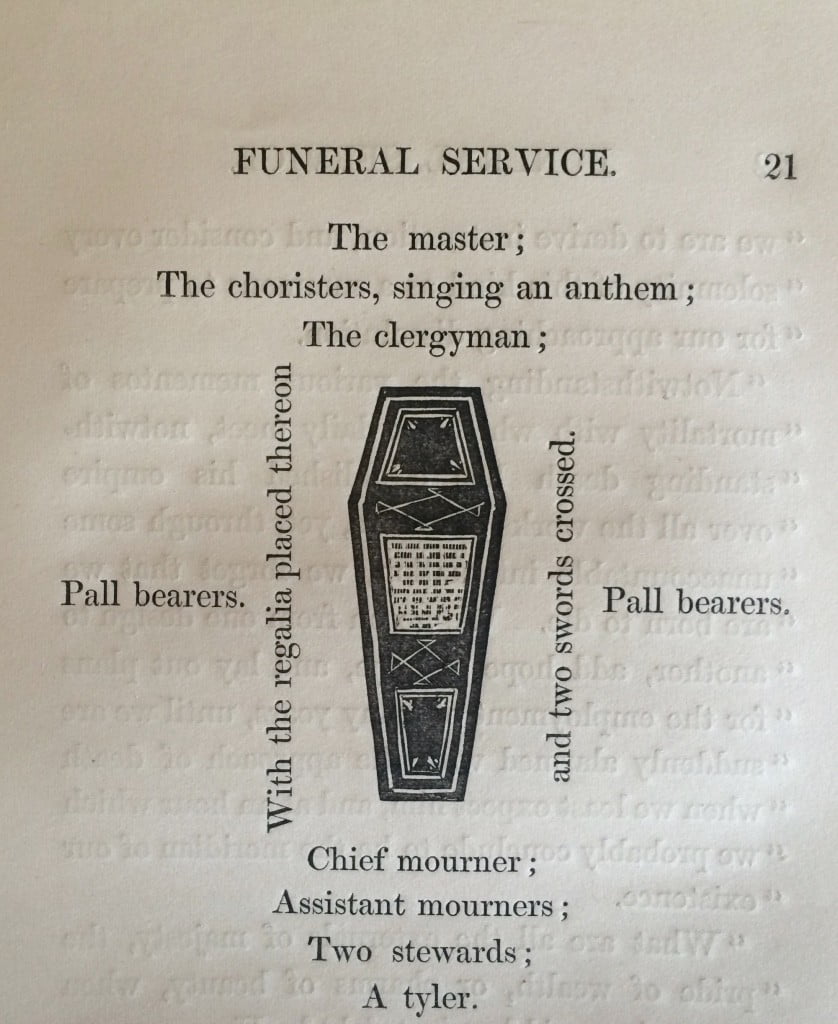
Brethren, I have recently received a couple of Masonic enquiries from Irish Brethren wishing to learn about the form of The Masonic Funeral service, that used to be conducted under the auspices of The Grand Lodge of Ireland. Having now had a look into the background and history of the Funeral Service, I thought that it might be of interest to you all, to have some details on this important aspect of Irish tradition from our earliest days.
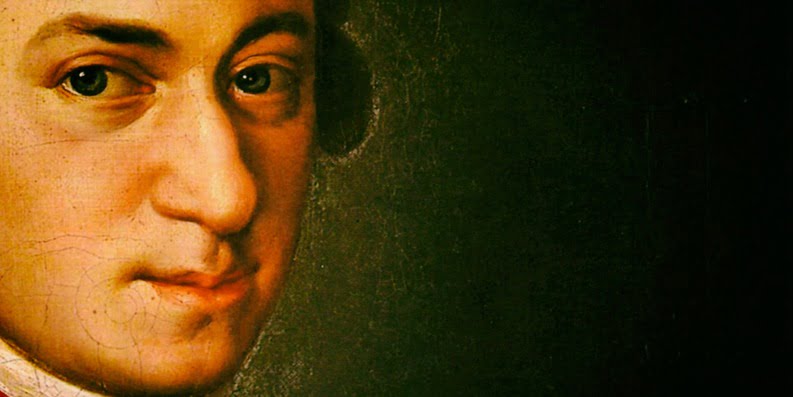
Born in Salzburg on 27th January 1756, he was baptized the following day at St. Ruperts Cathedral as Johannes Chrysostomus Wolfgangus Theophilus Mozart. Theophilus means ‘beloved of God’ and Mozart later used the Latin form Amadeus, -stylized sometimes as Amade or Amadeo- or the German form Gottlieb. His father, Johann Georg Leopold Mozart was born in Augsburg in Bavaria, where the Mozart family can be traced back to the 14thCentury
There is a universal Masonic requirement of belief in Deity, which is followed by all regular Grand Lodges of the world. As Entered Apprentices, receiving Light for the first time, Masons are cautioned that no Atheist may be made a Mason
For centuries Masonic historians have been puzzled by the motives for, and the purpose of, the formation of the craft of freemasonry, both in its operative, and speculative form, and whilst endeavouring to investigate the mysteries surrounding the formation of our order, it seems that the riddle actually forms itself into three distinct questions
The Grand Lodge of Antient Free and Accepted Masons of Scotland19 July at 10:41 ·
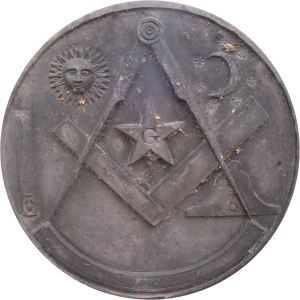
there has been very little agreement among our scholars either as to its (the letter ‘G’) origin or to its meaning. Usually, we can hit upon the manner in which a symbol was introduced into the Ritual by studying the records of the early eighteenth century in England, at which time and place the Ritual was cast in its modern form, but such a study cannot help us here because the eighteenth century Masons were themselves confused about the matter