A Modern Examination of the Landmarks of Freemasonry
A Modern Examination of the Landmarks of Freemasonry

Few subjects in Masonic Jurisprudence generate more interest and debate than the Landmarks of Freemasonry. Every new Brother is charged to protect and preserve them, but there is much conflicting information about what the Landmarks of Masonry actually are. Considering that the proper observation of the Landmarks is a primary factor in the decision of whether a Grand Lodge is recognized or not and the preservation of them one of the most important considerations in making any Masonic policy, it is important that the Landmarks of the order be well understood.
The Old Charges Revisited

The beginning of freemasonry

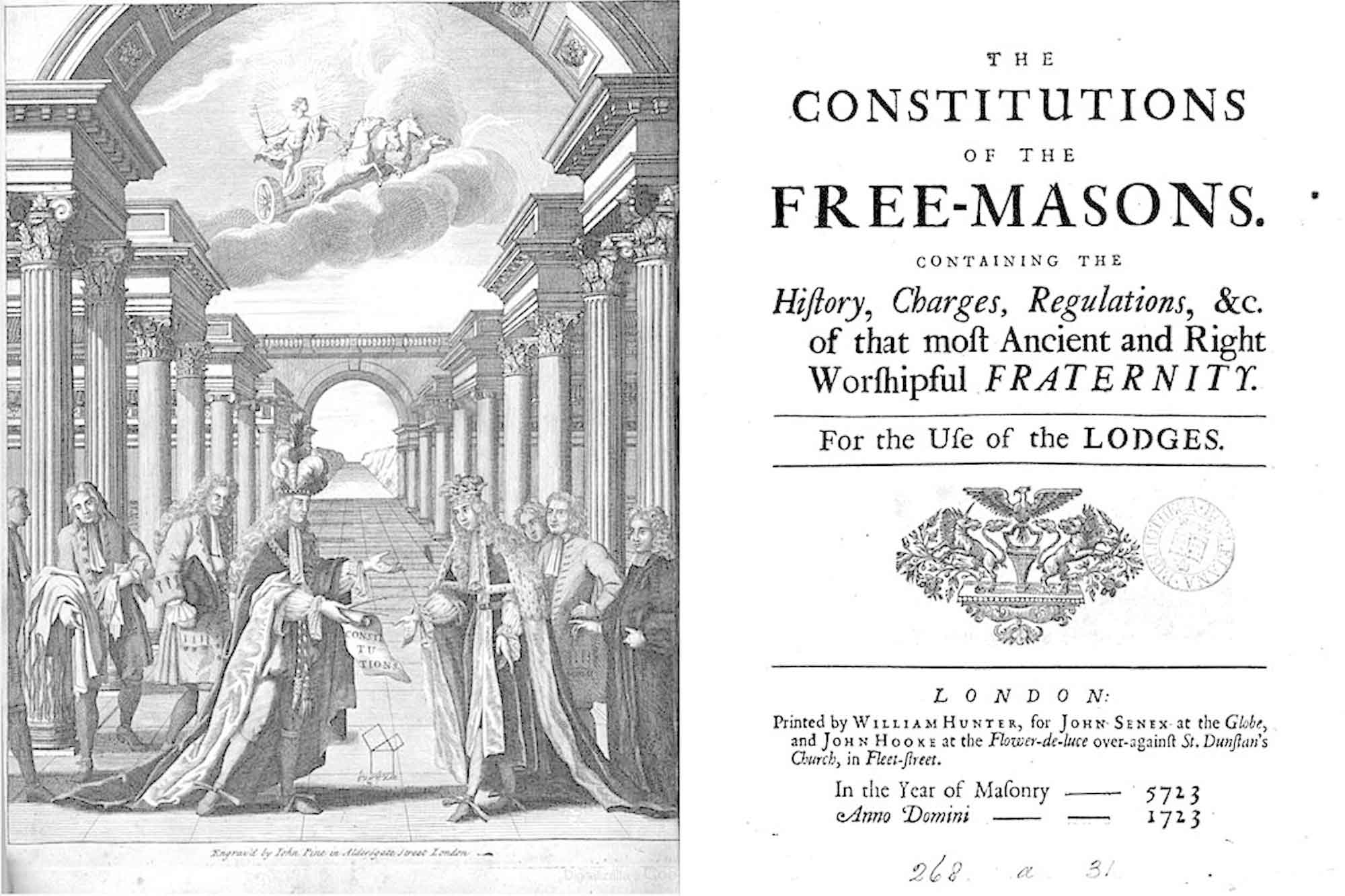
Since 1717, this has been a subject of passionate concern to almost every Freemason. There remain a mass of competing views and theories, and this question has dominated research into Freemasonry.

The Early Artists of Grand Lodge

Andersonsc

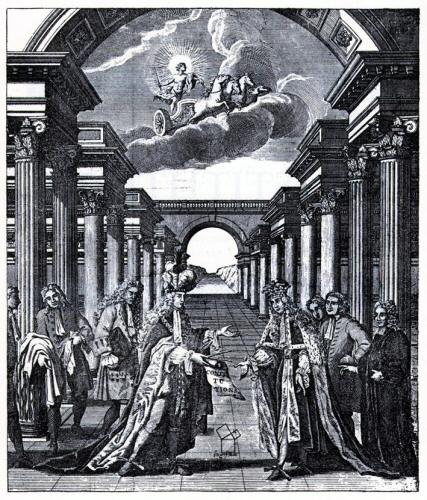
In 2017, The United Grand Lodge of England appointed an Artist in Residence, the South African artist Jacques Viljoen, 28, who has a background in both classical painting and contemporary art. There have been many artists who have graced the annals of Freemasonry.

Historical Origins of the Mark Degree

00f911103721da64e5252bd19837fc1e

The Mark is a ceremony or degree [sometimes called the ‘friendly’ degree], conferrable today only to Master Masons and forms part of a hierarchical organization. In Craft Masonry it was quite a late innovation making its appearance during the mid-1700s.  However we do know that Operative Masons, without any kind of ceremony, were taking marks 150 years before the Mark came into use as part of that particular ceremony.

Alain Bernheim: My Approach to Masonic History

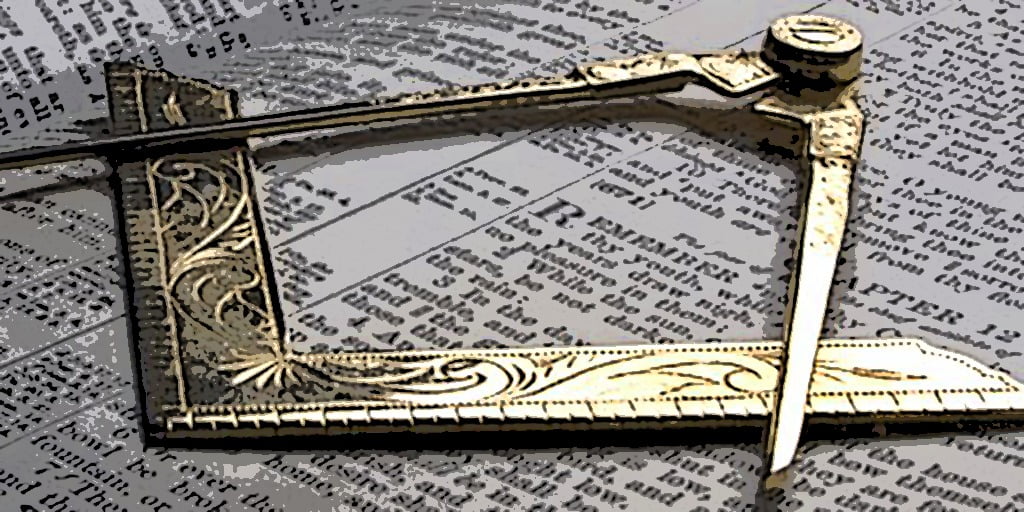
Square and Compasses

As a French citizen who was successively a member of the Grand Orient of France – ‘that irregular body’ –, then of the Grande Loge Nationale Française – a regular one –, then of the United Grand Lodges of Germany and, for the past ten years, of the Swiss Grand Lodge Alpina, Alan presents his approach to Masonic history

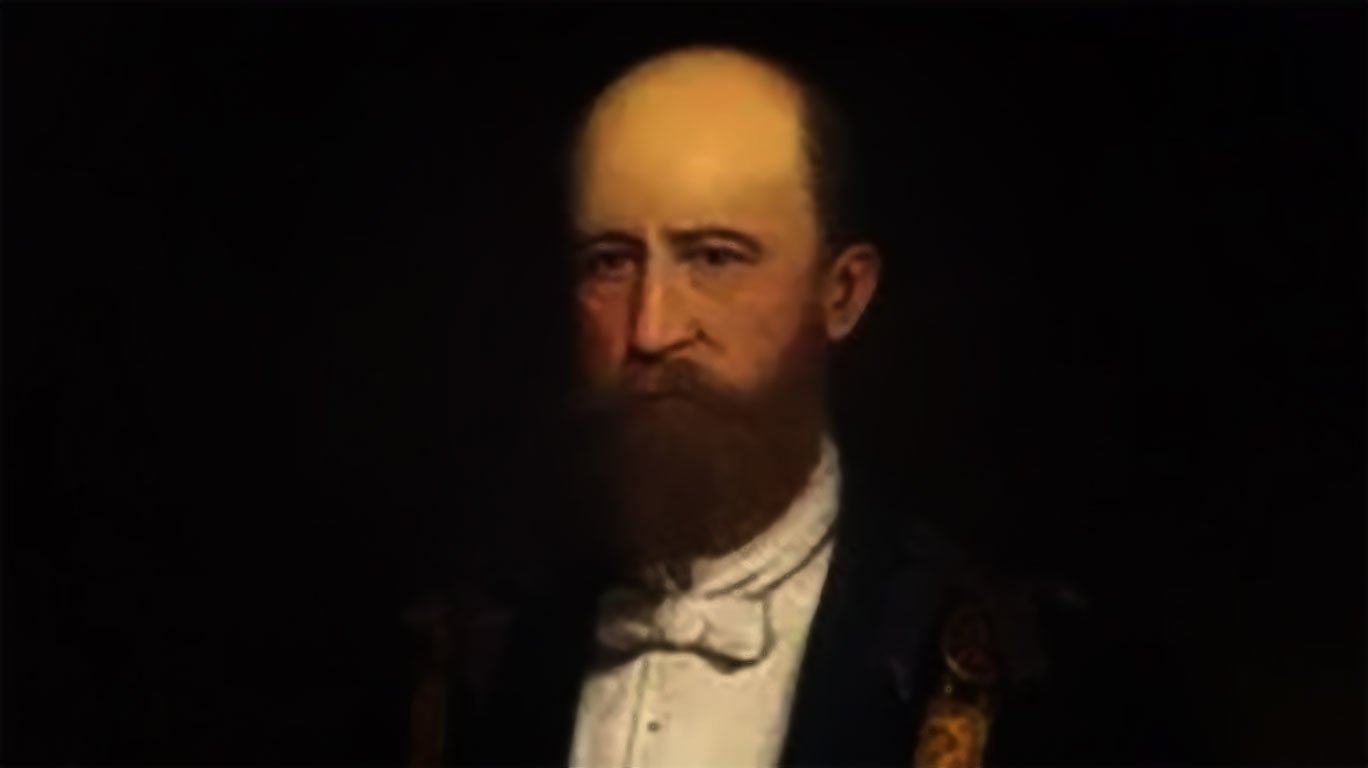
Sir William J Clarke – First Grand Master of the United Grand Lodge of Victoria

Sir William J Clarke – First Grand Master of the United Grand Lodge of Victoria

The foundation stone of the Freemasons Hall in Melbourne was laid by him in March 1885, the finished building being consecrated by him to Masonic purposes in March 1887. In 1889 he became the very first Most Worshipful Grand Master of the United Grand Lodge of Victoria, an amalgamation of the three bodies that had operated at that time under their own constitutions. In 1885 he had largely financed the building of the Freemasons’ Hall at 25 Collins Street.

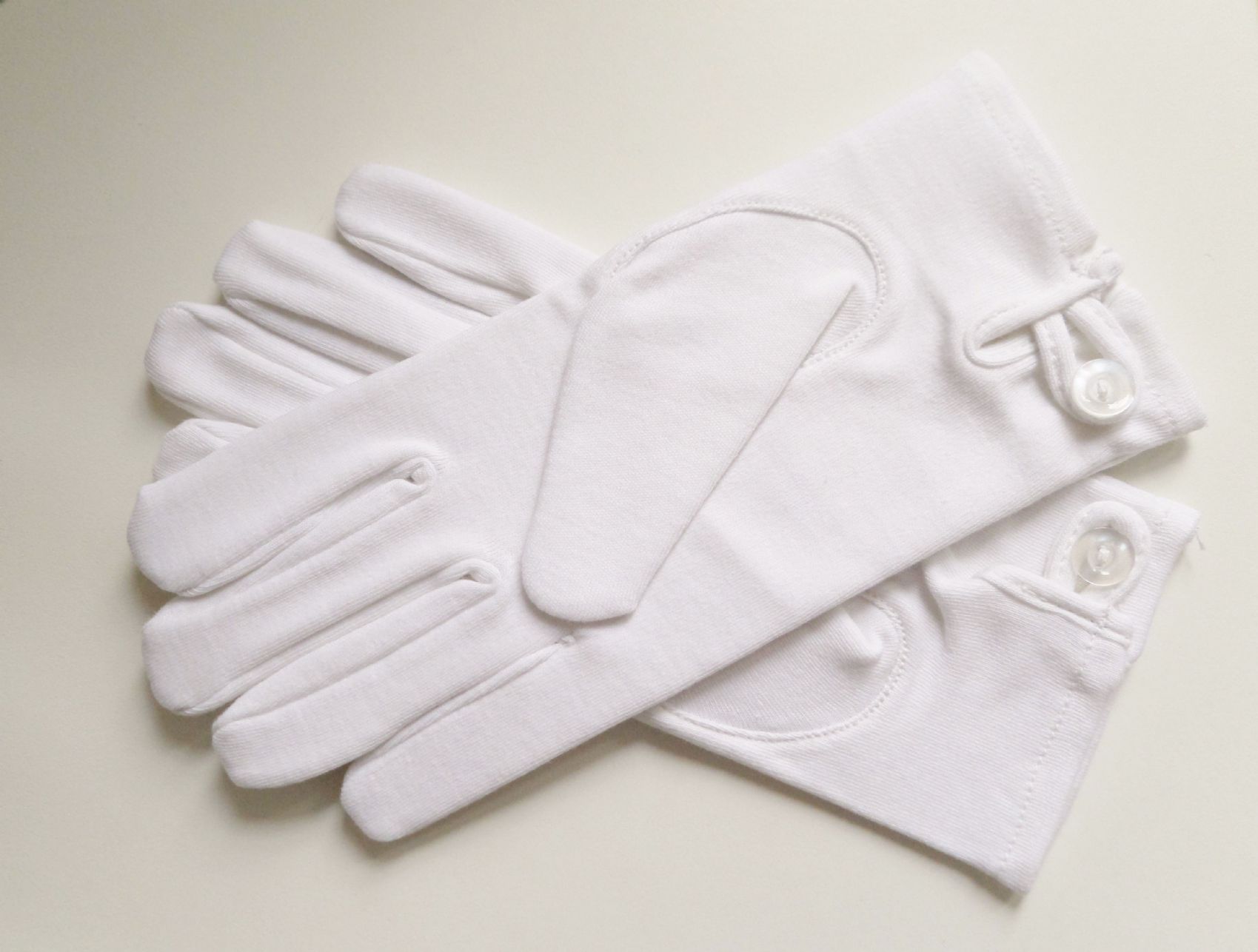
The Gloves

Masonic freemasonry men s large ceremonial white gloves

Apart from their practical uses to protect the hands from cold and injury, gloves have symbolic connotations. The old illustrations of operative masons at work do not show them wearing gloves. Their use, then, must have been mostly ceremonial, and their adoption in speculative Freemasonic ritual must be explained by their symbolism. The Italian writer Vanni considers that the origin of the symbolism lies not in their use by certain craftsmen or as protection against the cold, but rather in their military use.