Freemasons donate £10,000 to the Great North Air Ambulance Service (GNAAS)

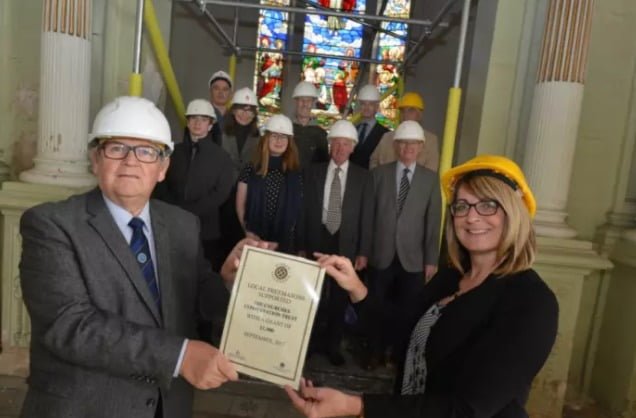
Freemasons help fund a Defibrillator for the Maritime Volunteer Service

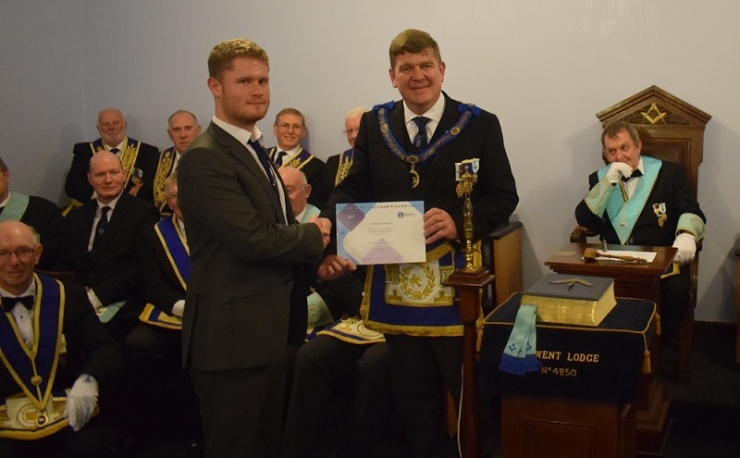
A golden and unique Masonic evening took place on 22nd November, at the always welcoming Derwent Lodge No. 4250 in the village of Chopwell, which saw over £10,000 donated to the Great North Air Ambulance Service (GNAAS)

A Stroll Through The Seven Liberal Arts and Sciences

This article explores the crucial role of the liberal arts and sciences within Freemasonry, particularly highlighted during the Fellowcraft Degree's Winding Stair lecture.

Throughout our lives, we have heard of the liberal arts and sciences. But until we were presented with them in The Winding Stair lecture, most of us had only a vague notion of what they consisted. The Fellowcraft Degree commends Freemasons to study the Liberal Arts and Sciences, which are grammar, rhetoric, logic, arithmetic, geometry, music, and astronomy. When we study the historical background for this list, we will uncover layers of Masonic meanings for us in each of the seven areas of knowledge.

Historical Origins of the Mark Degree

00f911103721da64e5252bd19837fc1e

The Mark is a ceremony or degree [sometimes called the ‘friendly’ degree], conferrable today only to Master Masons and forms part of a hierarchical organization. In Craft Masonry it was quite a late innovation making its appearance during the mid-1700s.  However we do know that Operative Masons, without any kind of ceremony, were taking marks 150 years before the Mark came into use as part of that particular ceremony.

Alain Bernheim: My Approach to Masonic History

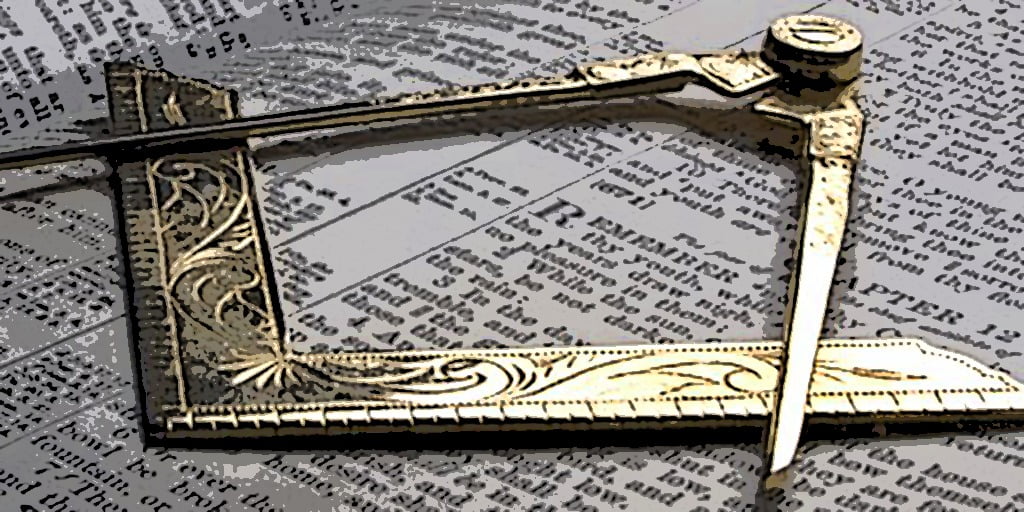
Square and Compasses

As a French citizen who was successively a member of the Grand Orient of France – ‘that irregular body’ –, then of the Grande Loge Nationale Française – a regular one –, then of the United Grand Lodges of Germany and, for the past ten years, of the Swiss Grand Lodge Alpina, Alan presents his approach to Masonic history