King Edward VII – A Monarch and a Freemason
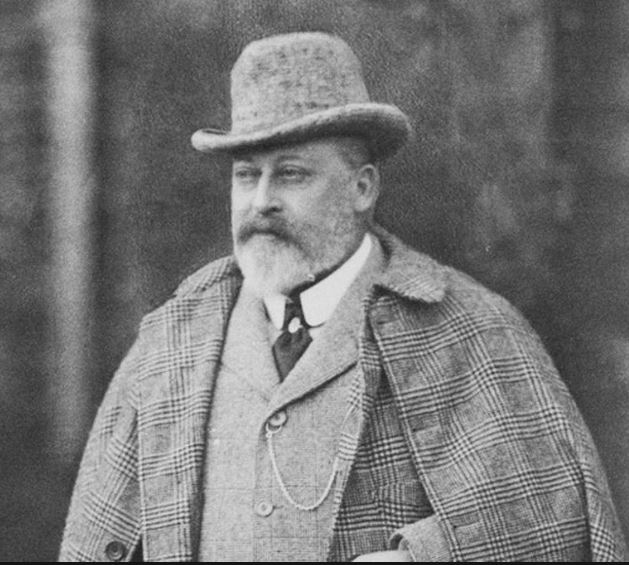
In 1874, the Prince was elected as Grand Master of the United Grand Lodge of England, installed in 1875 and held that position until he became King in 1901
Promoting the Fraternity across the World
In 1874, the Prince was elected as Grand Master of the United Grand Lodge of England, installed in 1875 and held that position until he became King in 1901
To all poor and distressed brethren, Wheresoever they may be, On the land, the sea or in the air. A speedy relief from their suffering, And a safe return…
Over the years I’ve continually claimed: There is nothing more expensive than ignorance. To this I’ve added: There can be no dedication without education.
Over the last number of years and with increasing concentration in recent times, individual Brethren and Grand Lodges seem to be getting more and more involved in matters which clearly fall without the stated “aims and relationships of the Craft

Many times since I became a member of this grand fraternity, I have in retrospective moments, asked myself, why I am proud to be a Mason and I dwell upon those things that Masonry has brought before me. The feelings of warmth, friendship, and potential comfort in times of distress are always with me, yet they seem to appear most readily in lodge.

We can no longer be content to be a member of the “silent majority.” Members are reluctant to express their constructive criticisms in open Lodge. They have no such problem expressing their concerns in the banquet hall after the meeting when it is no longer relevant

That purely material gains can never represent the final goal in the progress and development of mankind must have been recognised as fundamental truth ever since primitive man first began to turn his thoughts from such considerations as food, shelter and physical comfort generally to that limitless and fruitful field of speculative thought which Freemasonry names the hidden mysteries of nature and science.
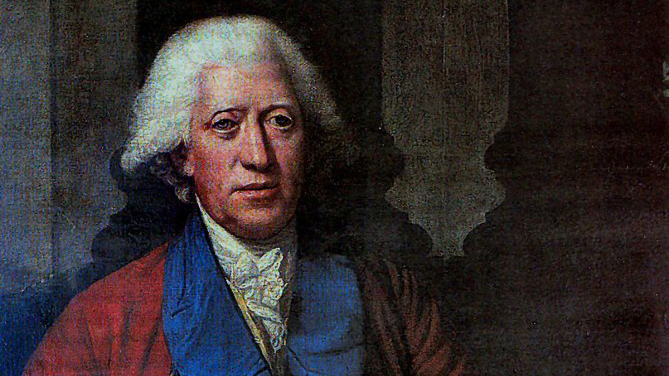
No one, among the Masons of England occupied a more distinguished position or played a more important part in the labours of the Craft during the latter part of the 18th. century than Thomas Dunkerley, whose private life was as romantic as his Masonic was honourable.