The Athole Family and Freemasonry
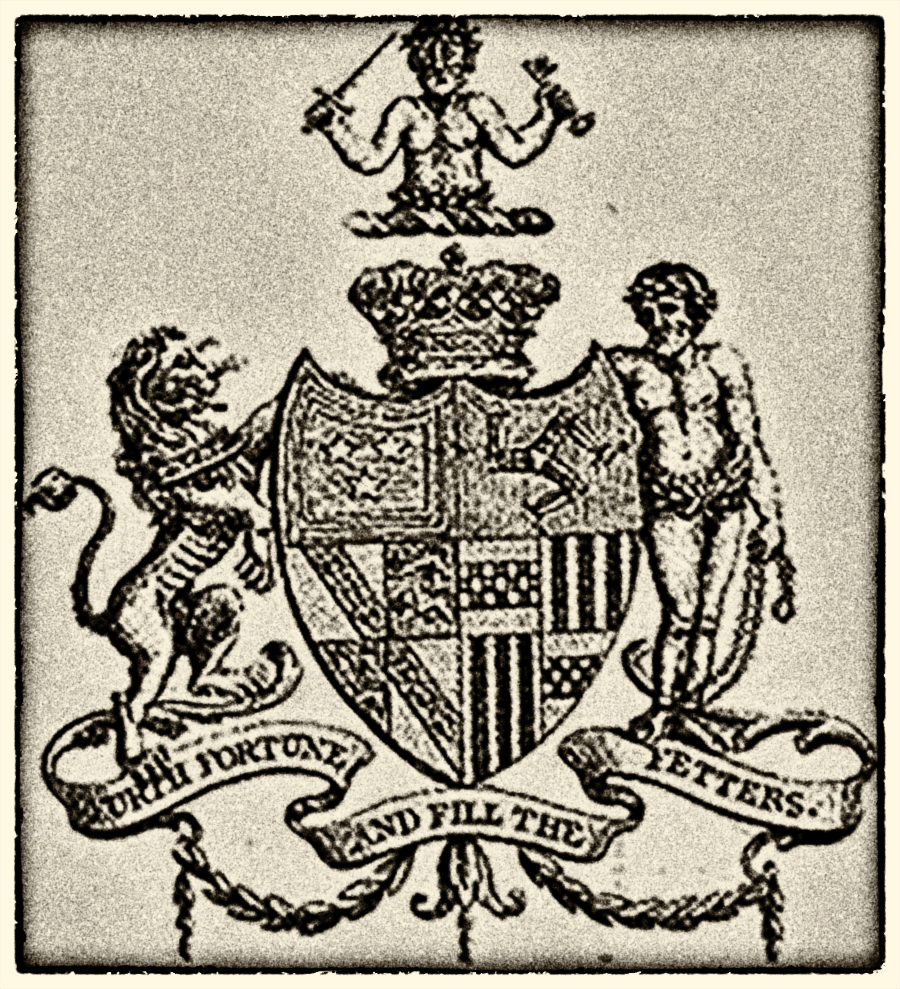
Duke of atholle

As the more energetic of the Grand Lodges, which formed the United Grand Lodge of England in 1813 was denominated the “Ancients” and the majority of the Lodges under its supervision were known as “Atholl” Lodges, it appeals to us that an article consisting of references thereto by many of the Masonic writers may not prove uninteresting.
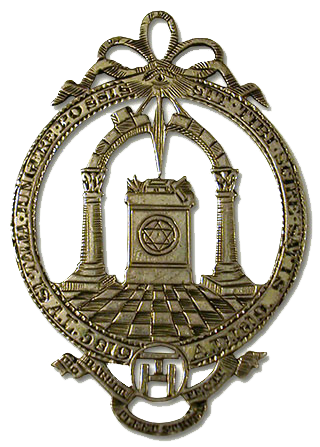
Some Biblical passages in Masonry by W.Bro. Ronald Paul Ng The Lodge of St. George No. 1152

Ashlar

When I first went through the 2nd degree and heard these words from the W. Master “..you are now permitted to extend your researches into the hidden mysteries of Nature and Science” I was struck by the absurdity of it. Here I am, a medical doctor, whose very profession required the study of the hidden mysteries of Nature and Science being told I am now permitted to do so

Atheism and Freemasonry by Bro. Joshua L. Rubin

Atheism and Freemasonry by Bro. Joshua L. Rubin

There is a universal Masonic requirement of belief in Deity, which is followed by all regular Grand Lodges of the world. As Entered Apprentices, receiving Light for the first time, Masons are cautioned that no Atheist may be made a Mason

Three Uses of Memory in Freemasonry by W.Bro. J. Scott Kenney

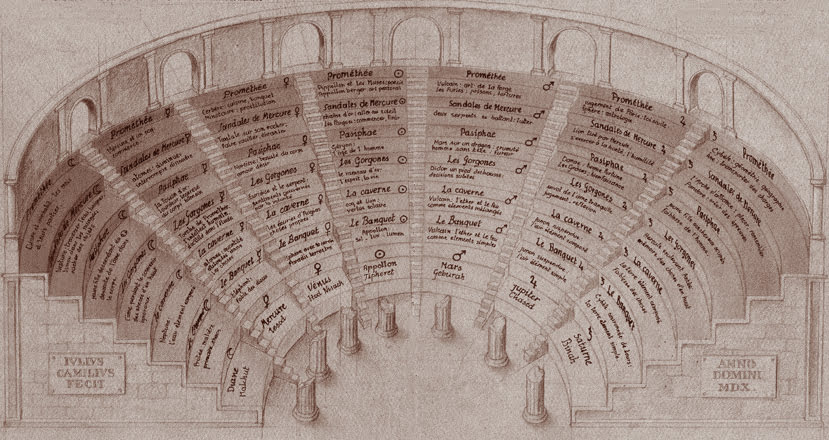
Giulio Camillo - Teatro della Memoria

Why is memory so important to Freemasons? I’m sure to many of you, that will seem obvious. Yet, beyond memorizing material so that you can do things like prove up to a higher degree, perform your ritual part well, do the floorwork, deliver a charge or even deliver a tracing board, there is a great deal more to this topic than one might think at first glance. Thus, in this brief paper, I hope to sketch out three interrelated areas in which memory may – whether consciously or inadvertently – be of significance to Freemasons.

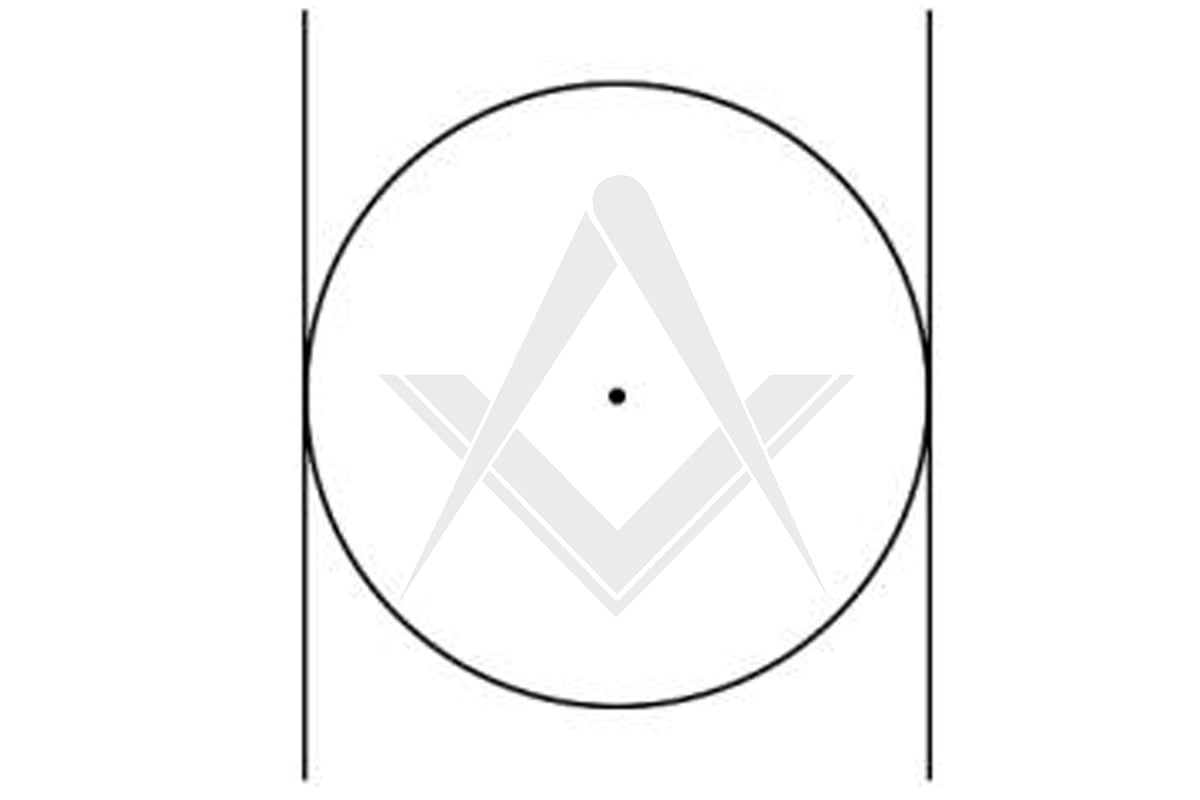
The Point Within a Circle

A point withing a Circle Freemasons

As Masons, we are all introduced during our ritual lectures to the Masonic symbol of the Point Within a Circle, and instructed in its’ allusion. The most interesting thing to me during my own such introduction was that the figure representing this symbol contained not only a point within a circle, but also two straight vertical lines touching the sides of the circle. It was explained during the ensuing lecture that these lines represented the two Holy Saints John, namely John the Baptist, and John the Evangelist. This struck me as peculiar to say the least, and I have been trying to figure out this peculiarity ever since.

The Blazing Star

Blazing star e897a92bcef903116495f308a8fb2bd35c277f09

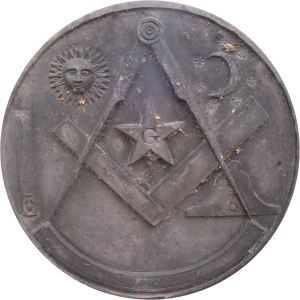
there has been very little agreement among our scholars either as to its (the letter ‘G’) origin or to its meaning. Usually, we can hit upon the manner in which a symbol was introduced into the Ritual by studying the records of the early eighteenth century in England, at which time and place the Ritual was cast in its modern form, but such a study cannot help us here because the eighteenth century Masons were themselves confused about the matter