A Modern Examination of the Landmarks of Freemasonry

A Modern Examination of the Landmarks of Freemasonry

Few subjects in Masonic Jurisprudence generate more interest and debate than the Landmarks of Freemasonry. Every new Brother is charged to protect and preserve them, but there is much conflicting information about what the Landmarks of Masonry actually are. Considering that the proper observation of the Landmarks is a primary factor in the decision of whether a Grand Lodge is recognized or not and the preservation of them one of the most important considerations in making any Masonic policy, it is important that the Landmarks of the order be well understood.

Freemasonry and its Role in Civil Society

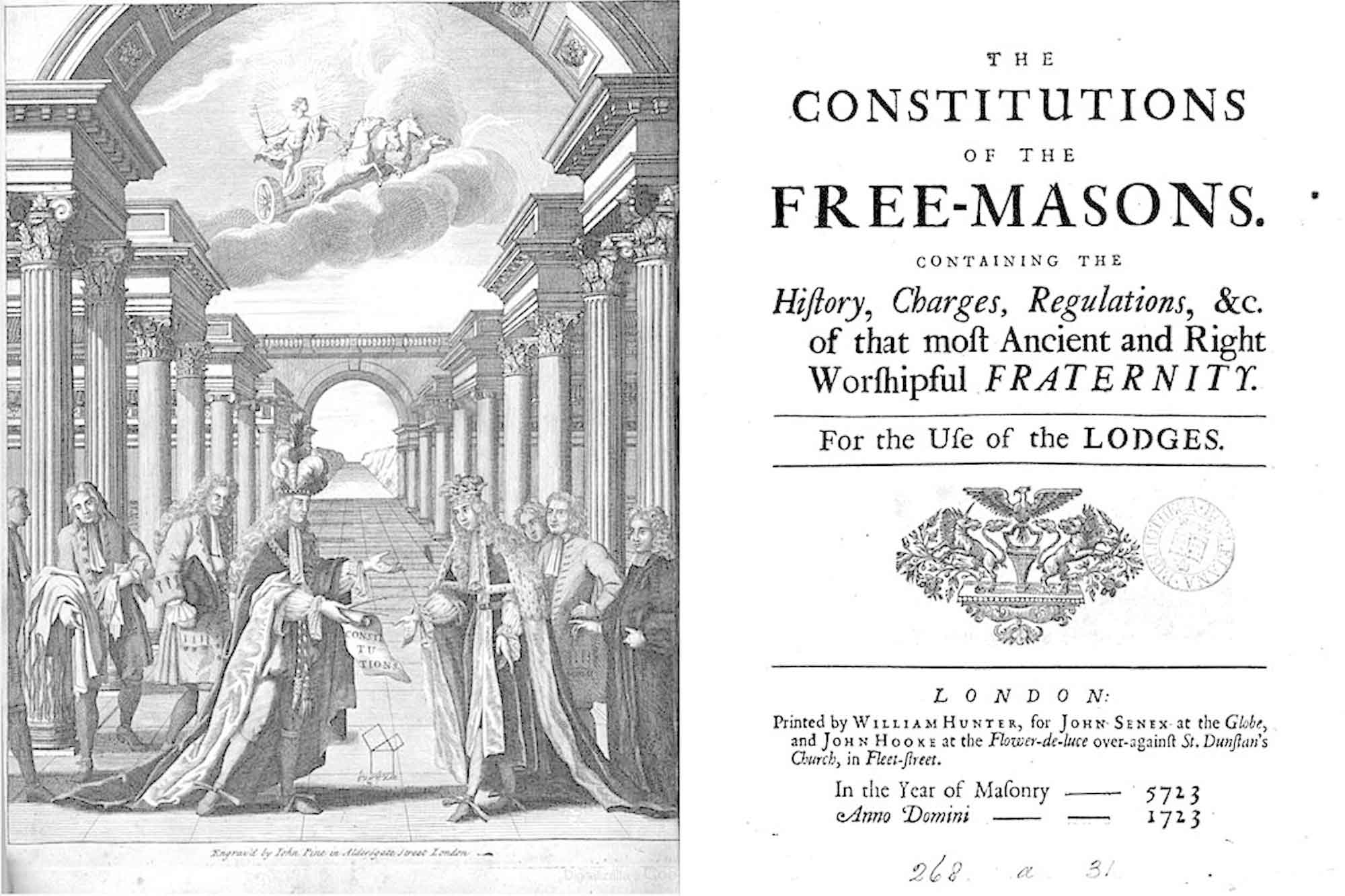
Shakespeare, Library,Curator, Julian Harrison, British Library

We would offer as a starting point a commonly held view that the arrangements with major impact on human existence are those of the state, family and market with a fourth “civil society” being the totality of other institutions. These groupings are not fixed. Rather, they should be understood as tectonic plates vitalised by human energy, continuously shaping and forming themselves, and similarly reshaping and re-forming each other.It is to “civil society” that we must turn to find Freemasonry

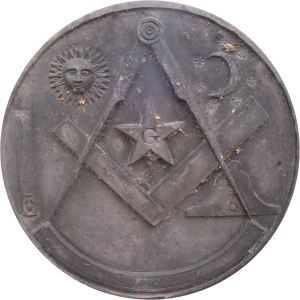
The Blazing Star

Blazing star e897a92bcef903116495f308a8fb2bd35c277f09

there has been very little agreement among our scholars either as to its (the letter ‘G’) origin or to its meaning. Usually, we can hit upon the manner in which a symbol was introduced into the Ritual by studying the records of the early eighteenth century in England, at which time and place the Ritual was cast in its modern form, but such a study cannot help us here because the eighteenth century Masons were themselves confused about the matter

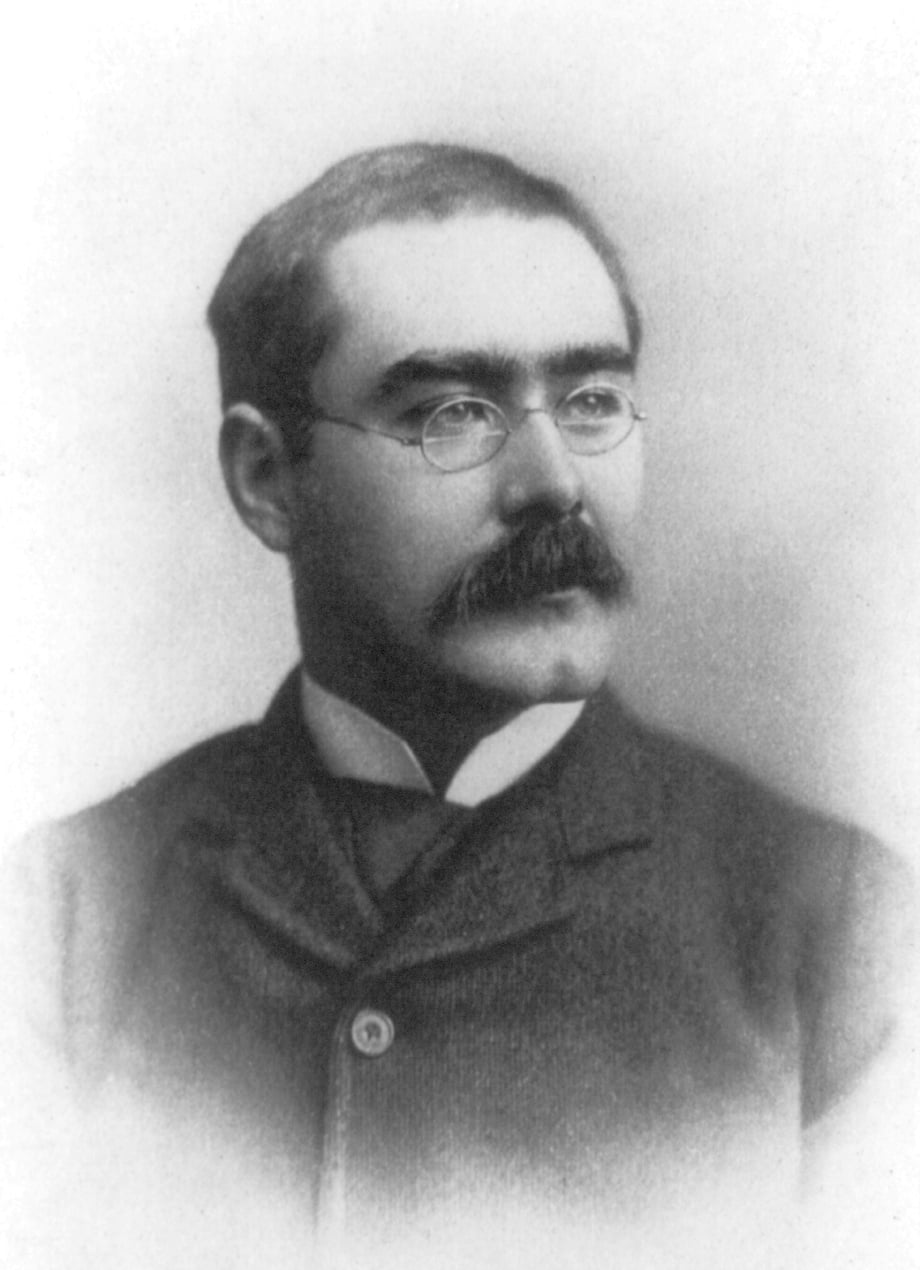
Kipling and the Craft

Image of Rudyard Kipling who wrote thhis Tylers Toast

The need for this further essay was first made apparent to me when—in my capacity as Secretary of the Lodge and Editor of the Transactions—I began to receive inquiries from Brethren as far away as Vancouver and Singapore, asking for materials and information which might help them to complete their own papers on Kipling, and I found, to my surprise, that while our library contains a great deal of relevant material, there has never been a paper on Kipling in our Transactions.