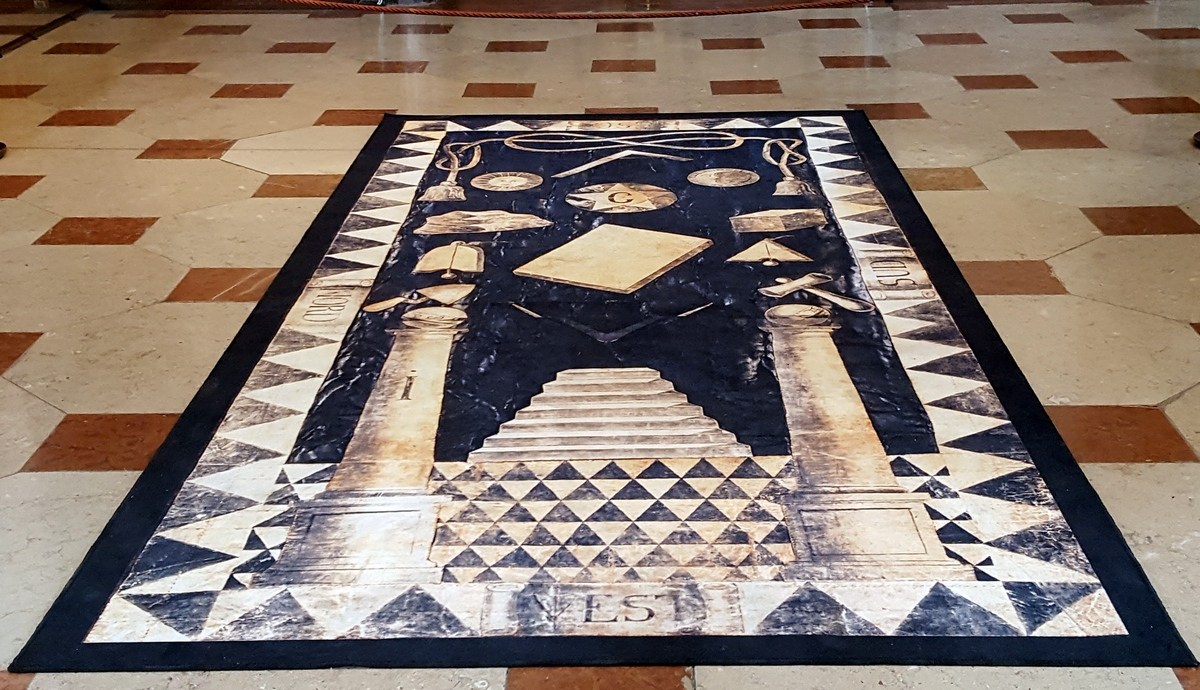
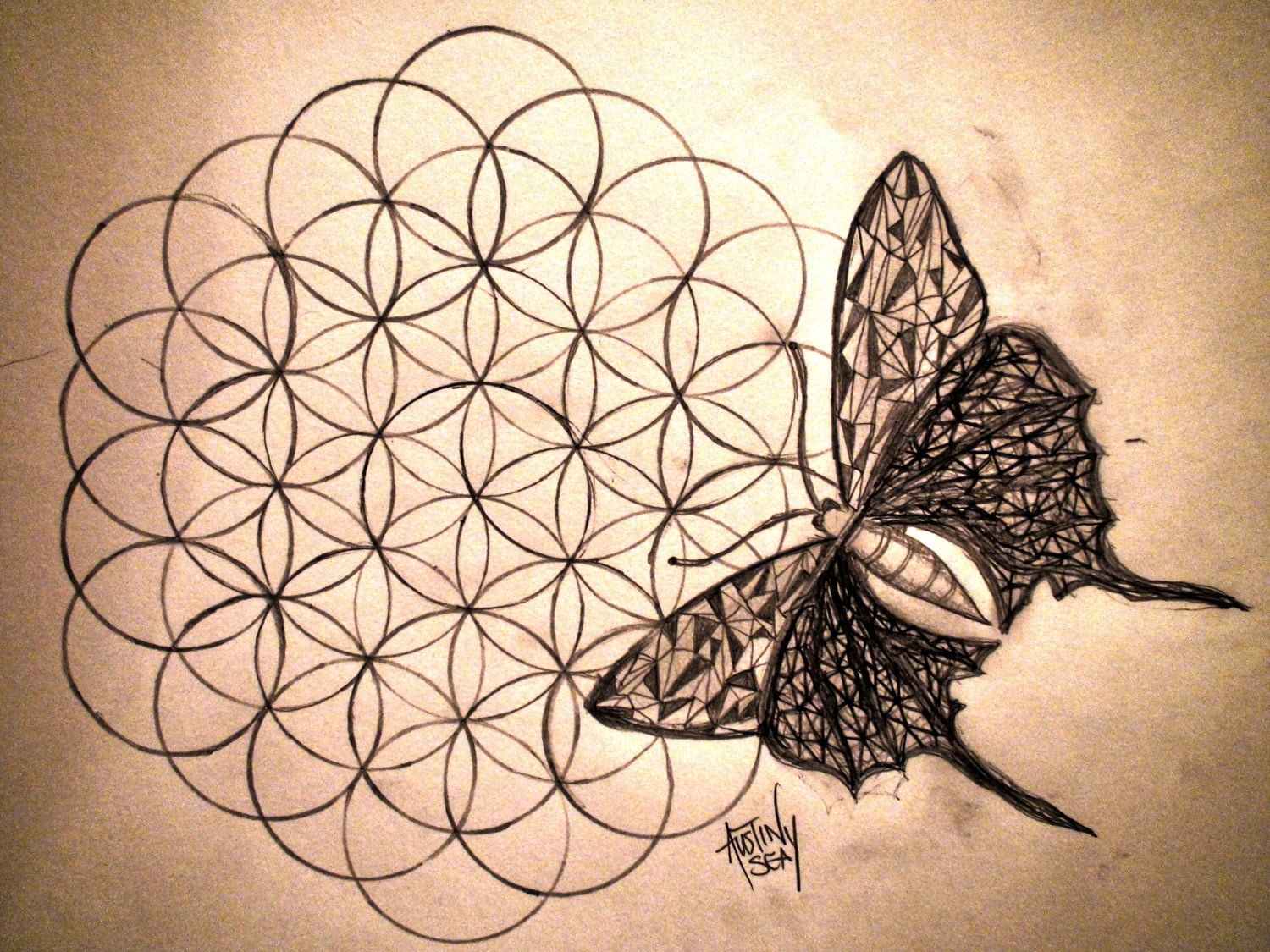
Geometry and Masonry: Sacred Geometry
The address to the Immediate Past Master and the depiction on his jewel refer to the 47Th proposition of Euclid. It also refers to “our brother…
Promoting the Fraternity across the World
The address to the Immediate Past Master and the depiction on his jewel refer to the 47Th proposition of Euclid. It also refers to “our brother…
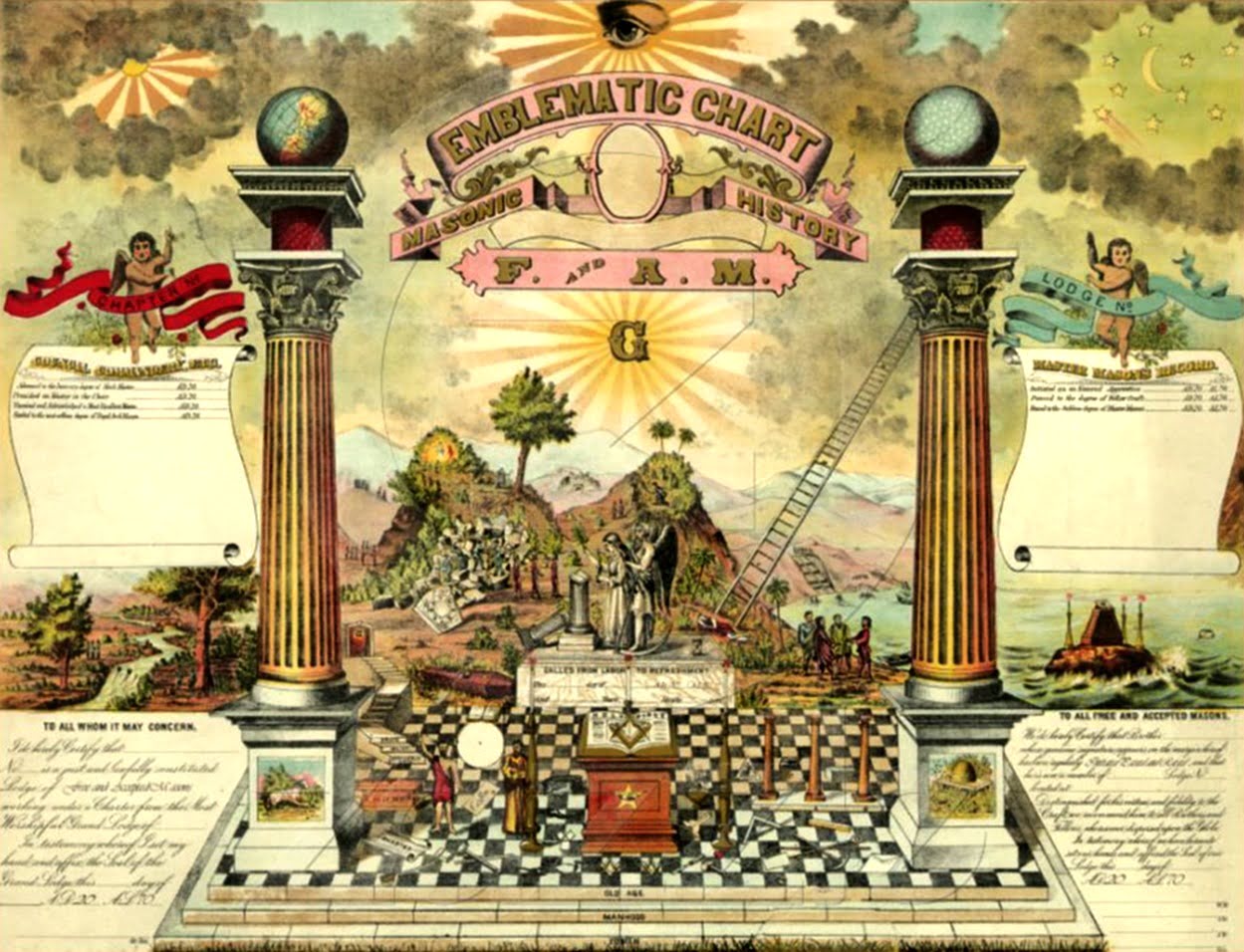
THE MASONIC LADDER AND THE GREAT CHAIN OF BEING by Bro. William Steve Burkle KT, 32°, KCRBE Alpha Lodge No. 116, Grand Lodge of New Jersey Philo Lodge…
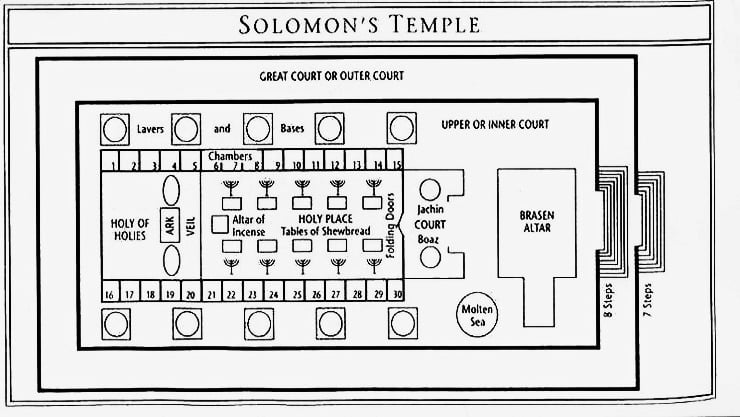
In being associated with the construction industry and in having our lodges as a representation King Solomon’s Temple, there is in myself and perhaps many…

“…AND DEDICATED TO THE HOLY SAINTS JOHN” An inquiry into the designation of the Saints John as Patron Saints of Freemasonry by W.Bro. Harvey L….
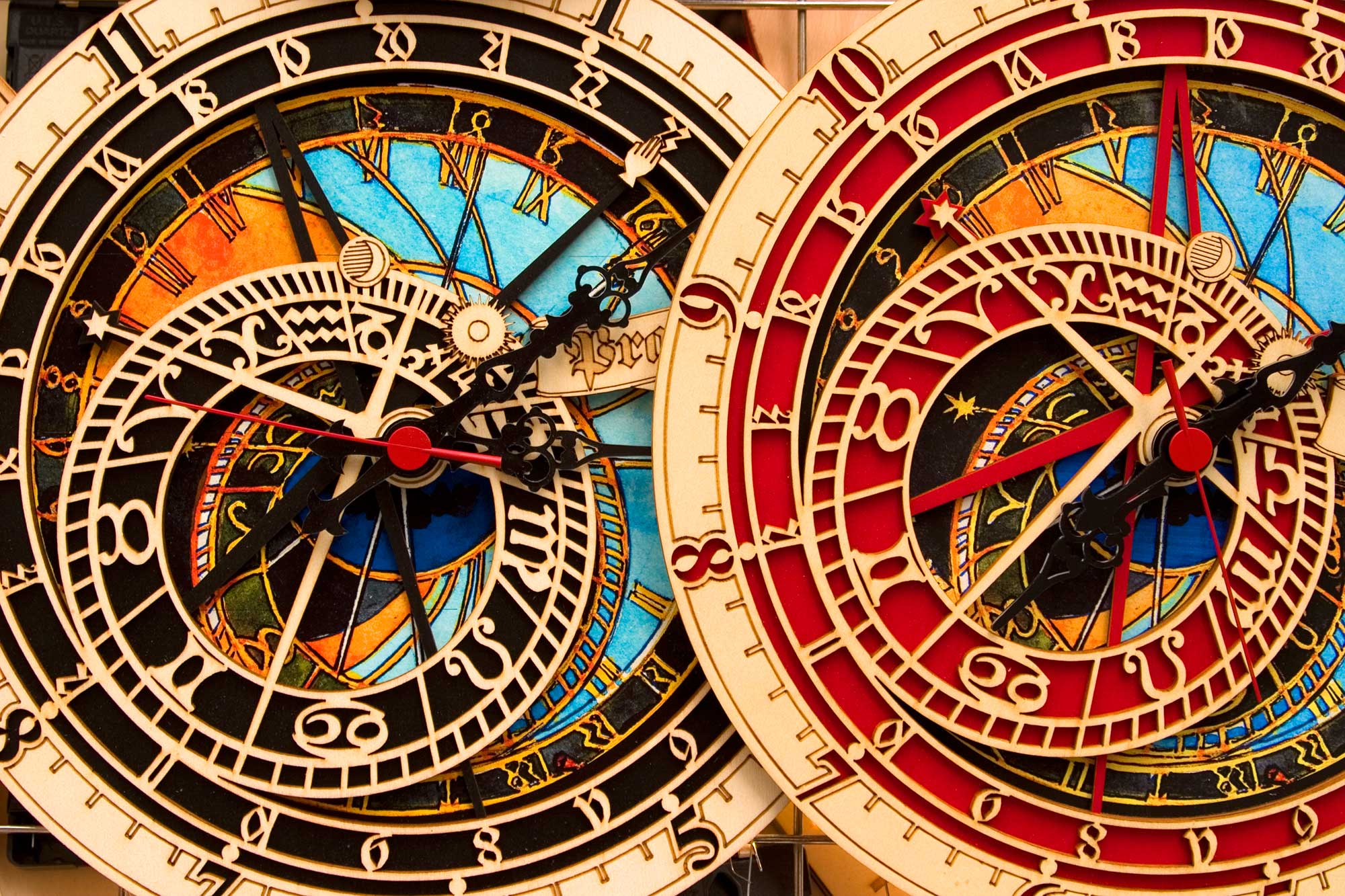
Throughout our lives, we have heard of the liberal arts and sciences. But until we were presented with them in The Winding Stair lecture, most of us had only a vague notion of what they consisted. The Fellowcraft Degree commends Freemasons to study the Liberal Arts and Sciences, which are grammar, rhetoric, logic, arithmetic, geometry, music, and astronomy. When we study the historical background for this list, we will uncover layers of Masonic meanings for us in each of the seven areas of knowledge.
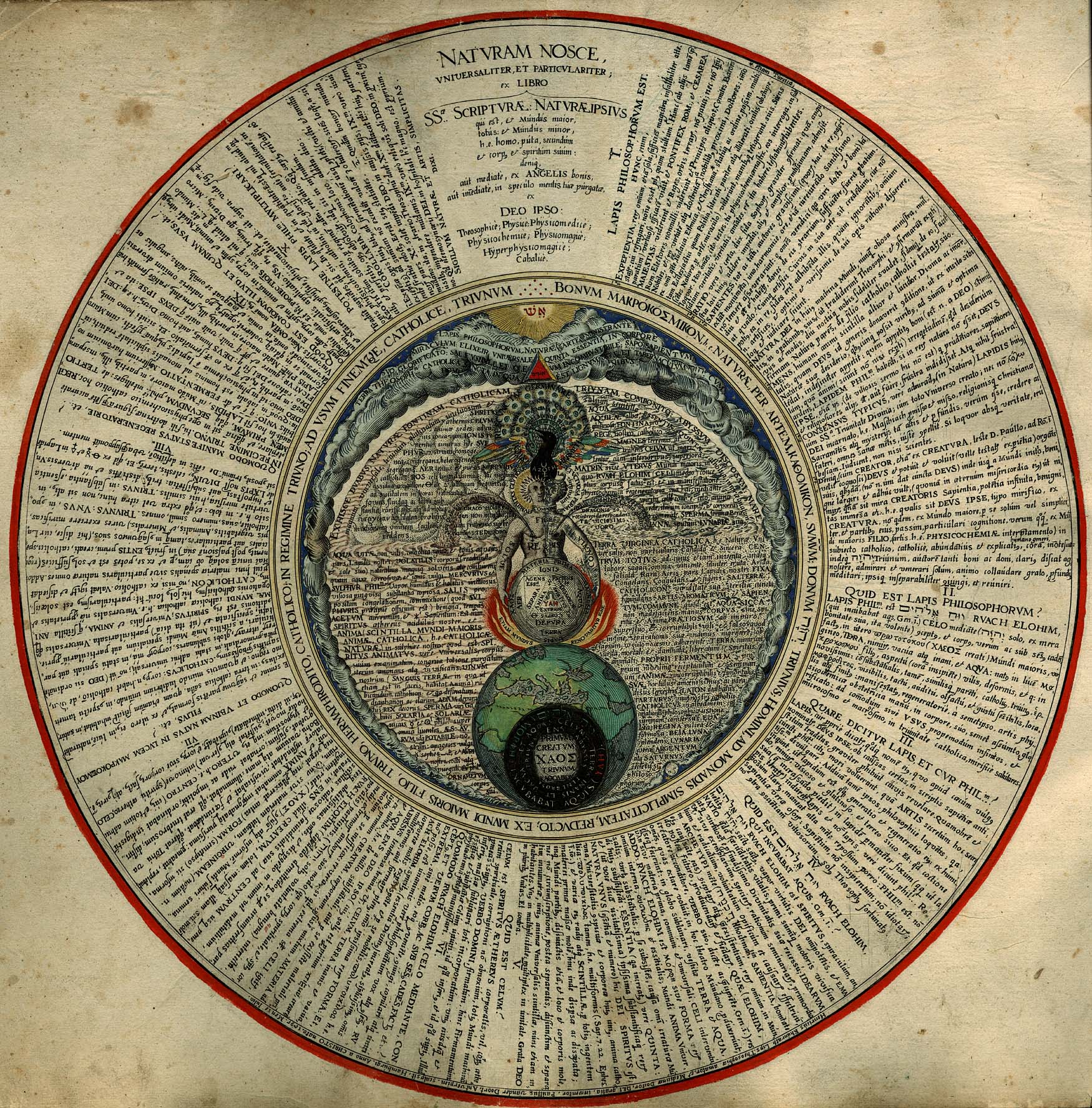
The body of Freemasonry is comprised of many types of individuals whose Masonic pursuits vary according to that individual’s personality and interests. Freemasonry has been very aptly been compared to a complex tapestry composed of many colourful overlapping individual threads which taken as a whole form a larger picture.
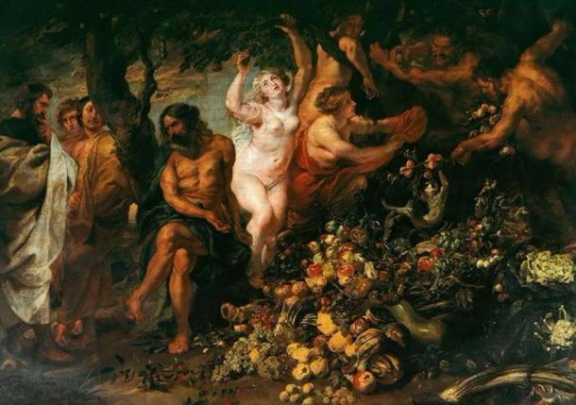
Pythagoras was one of the greatest minds and philosophers of his time and his unquestionable influence can be felt even today in mathematics. It is believed that he was the first man who referred to himself as a “philosopher.” He was the founder of Pythagoreanism, a religious and political movement that appeared mainly in the big cities of Magna Grecia (today southern Italy).
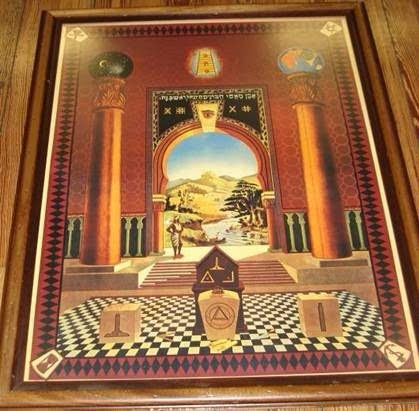
The Mark is a ceremony or degree [sometimes called the ‘friendly’ degree], conferrable today only to Master Masons and forms part of a hierarchical organization. In Craft Masonry it was quite a late innovation making its appearance during the mid-1700s. However we do know that Operative Masons, without any kind of ceremony, were taking marks 150 years before the Mark came into use as part of that particular ceremony.
As a French citizen who was successively a member of the Grand Orient of France – ‘that irregular body’ –, then of the Grande Loge Nationale Française – a regular one –, then of the United Grand Lodges of Germany and, for the past ten years, of the Swiss Grand Lodge Alpina, Alan presents his approach to Masonic history