On the Foundations and Legacy of Quatuor Coronati Lodge of Research

ON THE FOUNDATIONS AND LEGACY OF QUATUOR CORONATI LODGE OF RESEARCH. by Bro. Bob James Discovery Lodge of Research UGL of NSW & ACT, Australia …
Promoting the Fraternity across the World
ON THE FOUNDATIONS AND LEGACY OF QUATUOR CORONATI LODGE OF RESEARCH. by Bro. Bob James Discovery Lodge of Research UGL of NSW & ACT, Australia …
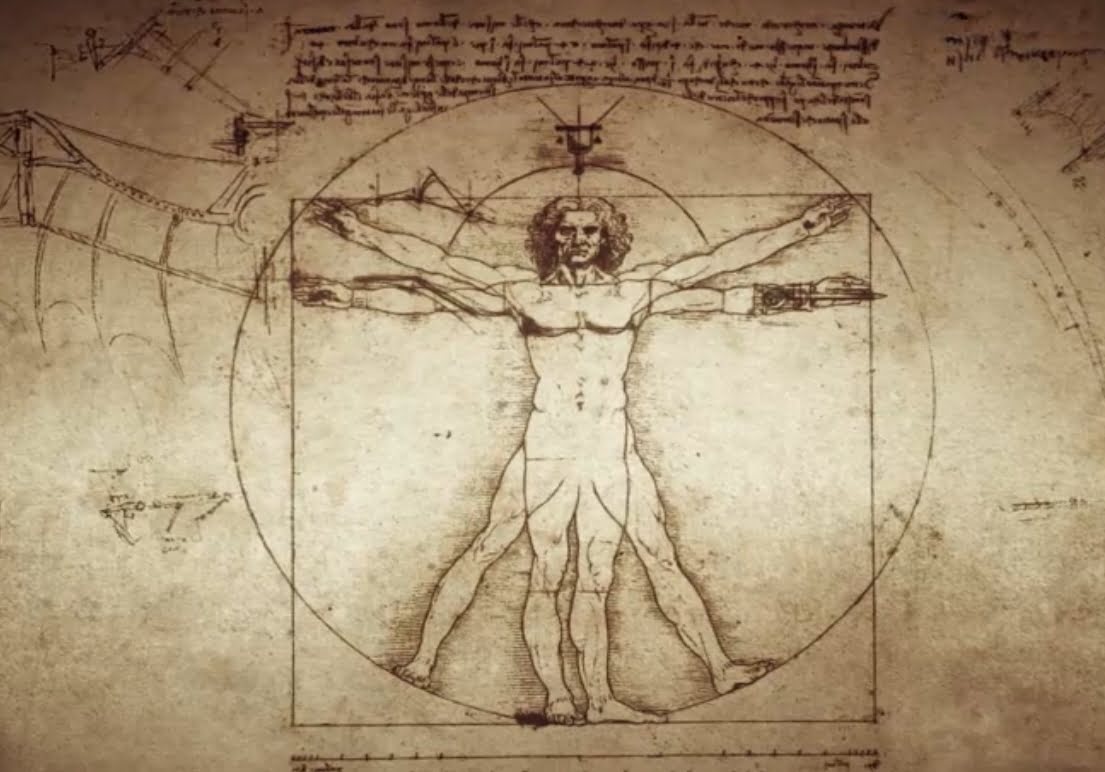
The Spiritual Anatomy of Man and King Solomons Temple
The address to the Immediate Past Master and the depiction on his jewel refer to the 47Th proposition of Euclid. It also refers to “our brother…
The body of Freemasonry is comprised of many types of individuals whose Masonic pursuits vary according to that individual’s personality and interests. Freemasonry has been very aptly been compared to a complex tapestry composed of many colourful overlapping individual threads which taken as a whole form a larger picture.
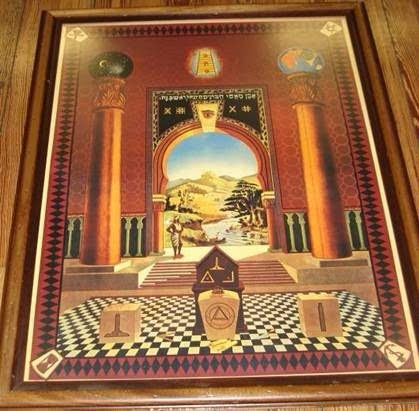
The Mark is a ceremony or degree [sometimes called the ‘friendly’ degree], conferrable today only to Master Masons and forms part of a hierarchical organization. In Craft Masonry it was quite a late innovation making its appearance during the mid-1700s. However we do know that Operative Masons, without any kind of ceremony, were taking marks 150 years before the Mark came into use as part of that particular ceremony.
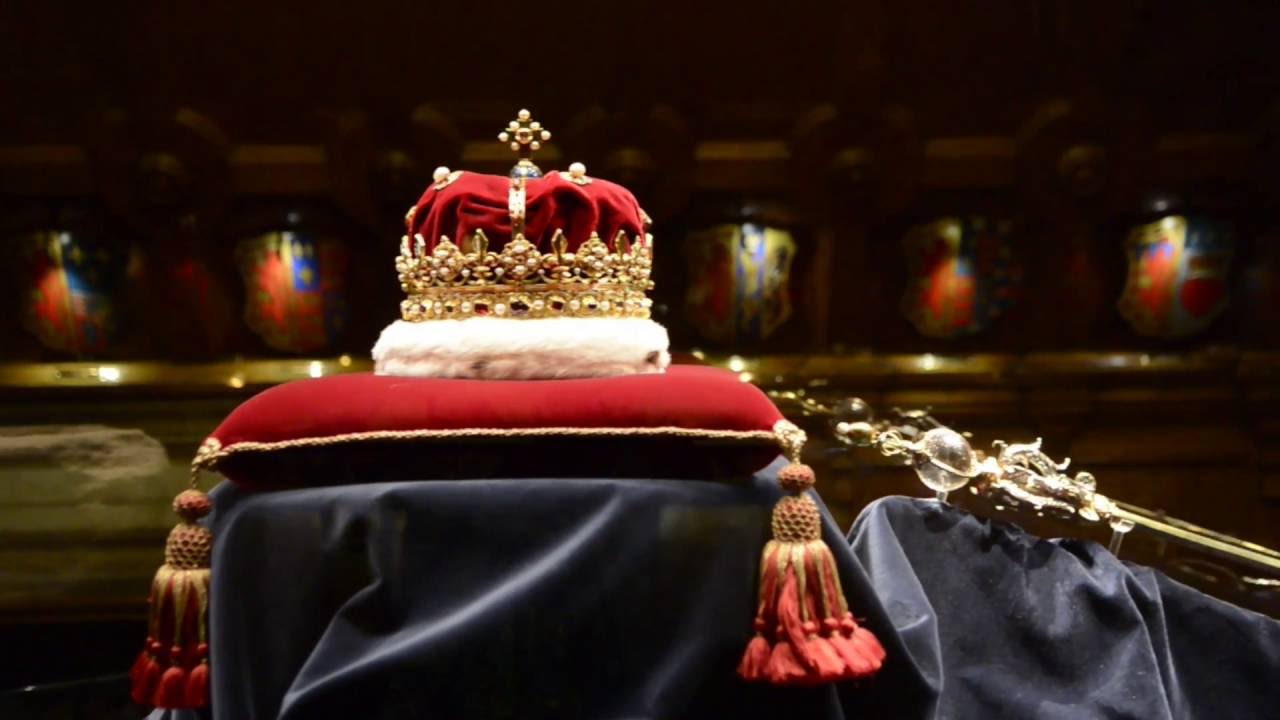
‘From time immemorial’ we have been very fortunate in that our Craft has had the support of Royalty. Without that support I doubt that we would be in…

There is so much miss information in the Public domain about Freemasonry, this article goes to some length in explaining answers to criticisms that its receives.

Perhaps the most universal symbol of Masonry, other than the Square & Compass or the seemingly all pervasive letter G, is that singular mark of distinction which every Entered Apprentice is first presented with –the white lambskin apron. Recognised around the globe as the distinguishing “badge” of the Mason, the lambskin apron is rich with symbolism and practical instruction for the speculative initiate of our Craft who is willing to seek more Light.

When being asked, what would be the value of a diamond, mostly everybody answers in terms of higher amounts of money. A poor wanderer in the desert, in need of a cup of water, would probably give a better answer to this question, because he reflects of value in a different way. “Most valuable” for him means, “serving his needs and desires best”.
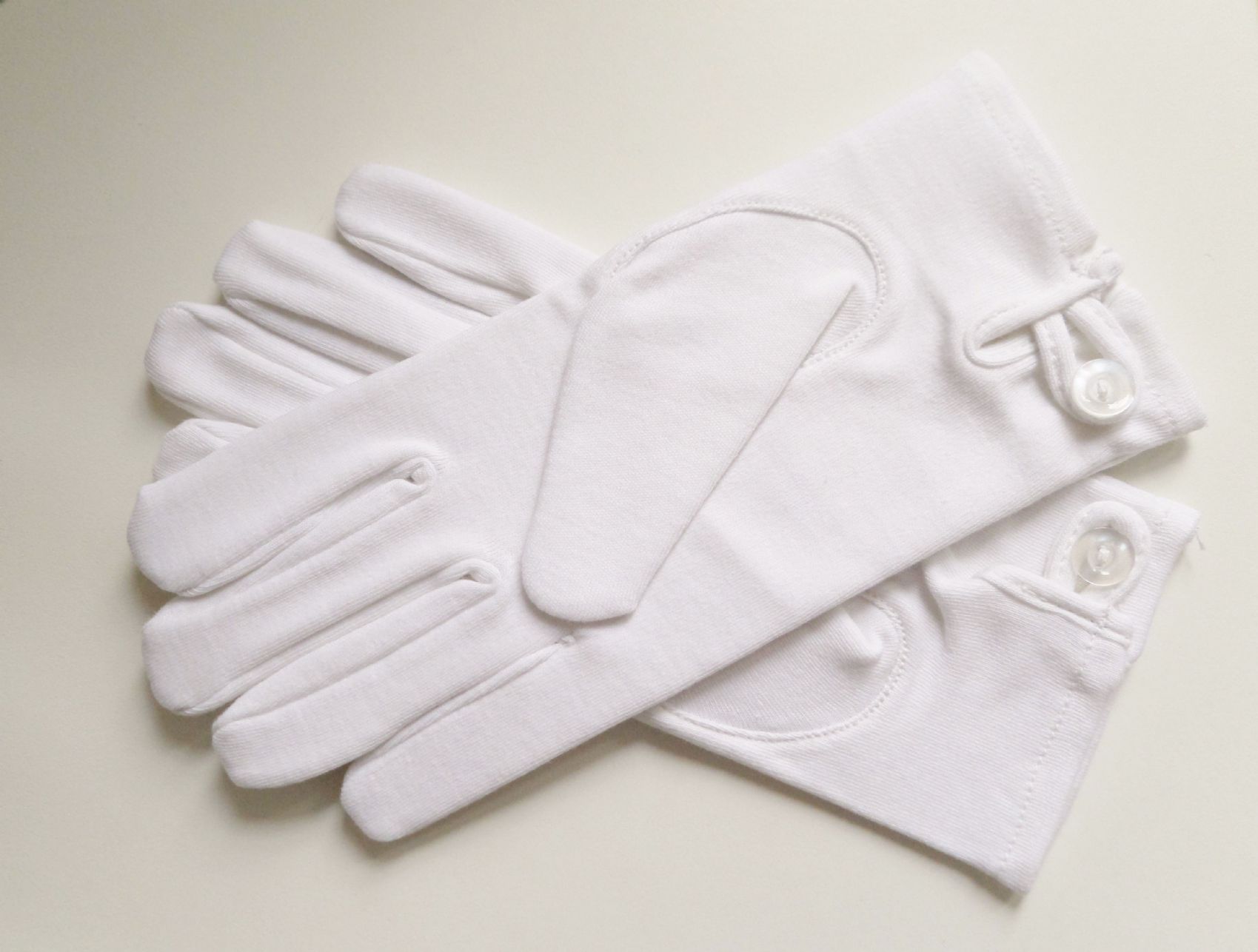
Apart from their practical uses to protect the hands from cold and injury, gloves have symbolic connotations. The old illustrations of operative masons at work do not show them wearing gloves. Their use, then, must have been mostly ceremonial, and their adoption in speculative Freemasonic ritual must be explained by their symbolism. The Italian writer Vanni considers that the origin of the symbolism lies not in their use by certain craftsmen or as protection against the cold, but rather in their military use.