An exploration of Moral Virtues as applicable to Freemasonry

Preamble A great person conforms his virtue with that of Heaven and Earth, his brilliance with that of the sun and moon, his order with that of the four…
Promoting the Fraternity across the World
Preamble A great person conforms his virtue with that of Heaven and Earth, his brilliance with that of the sun and moon, his order with that of the four…
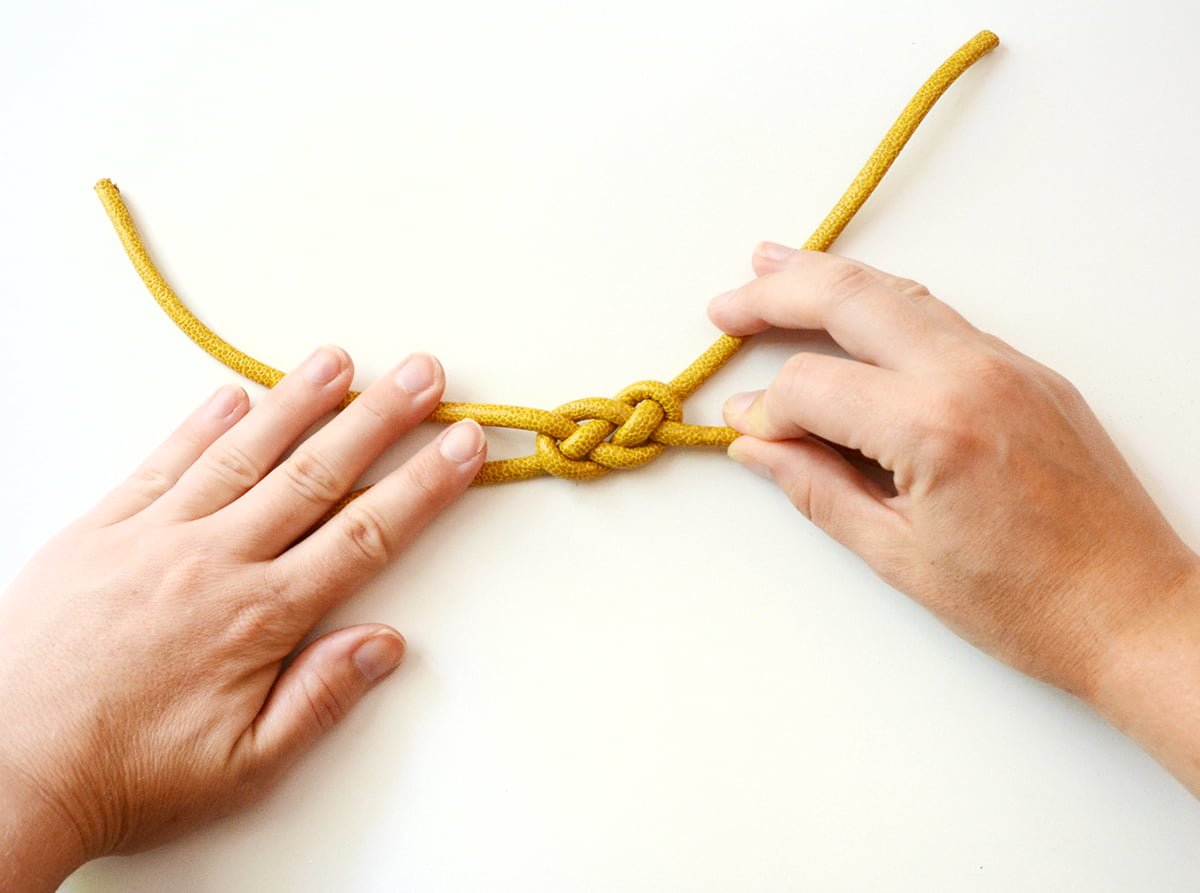
The knotted rope is an ancient Masonic Symbol commonly associated with the Tessellated Border[I], which in modern times is represented by a series of…
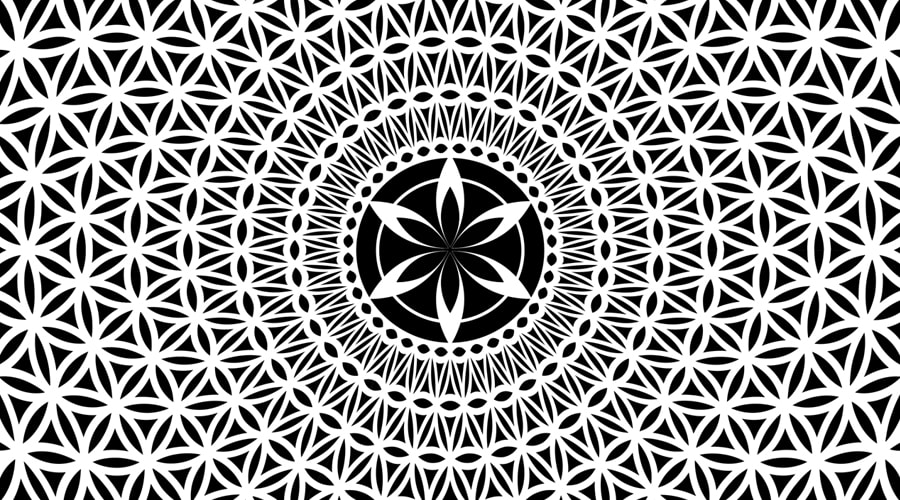
The Flower of Life – Where Masonry and Spirituality Meet

ON THE FOUNDATIONS AND LEGACY OF QUATUOR CORONATI LODGE OF RESEARCH. by Bro. Bob James Discovery Lodge of Research UGL of NSW & ACT, Australia …
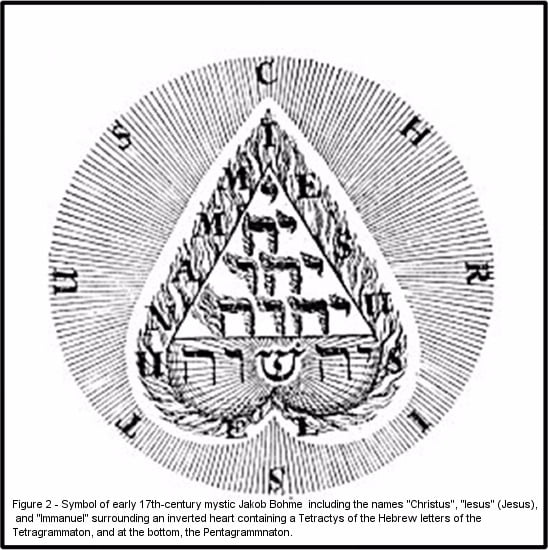
The Tetragrammaton, the Pentagrammaton, and the Adam_Kadmon
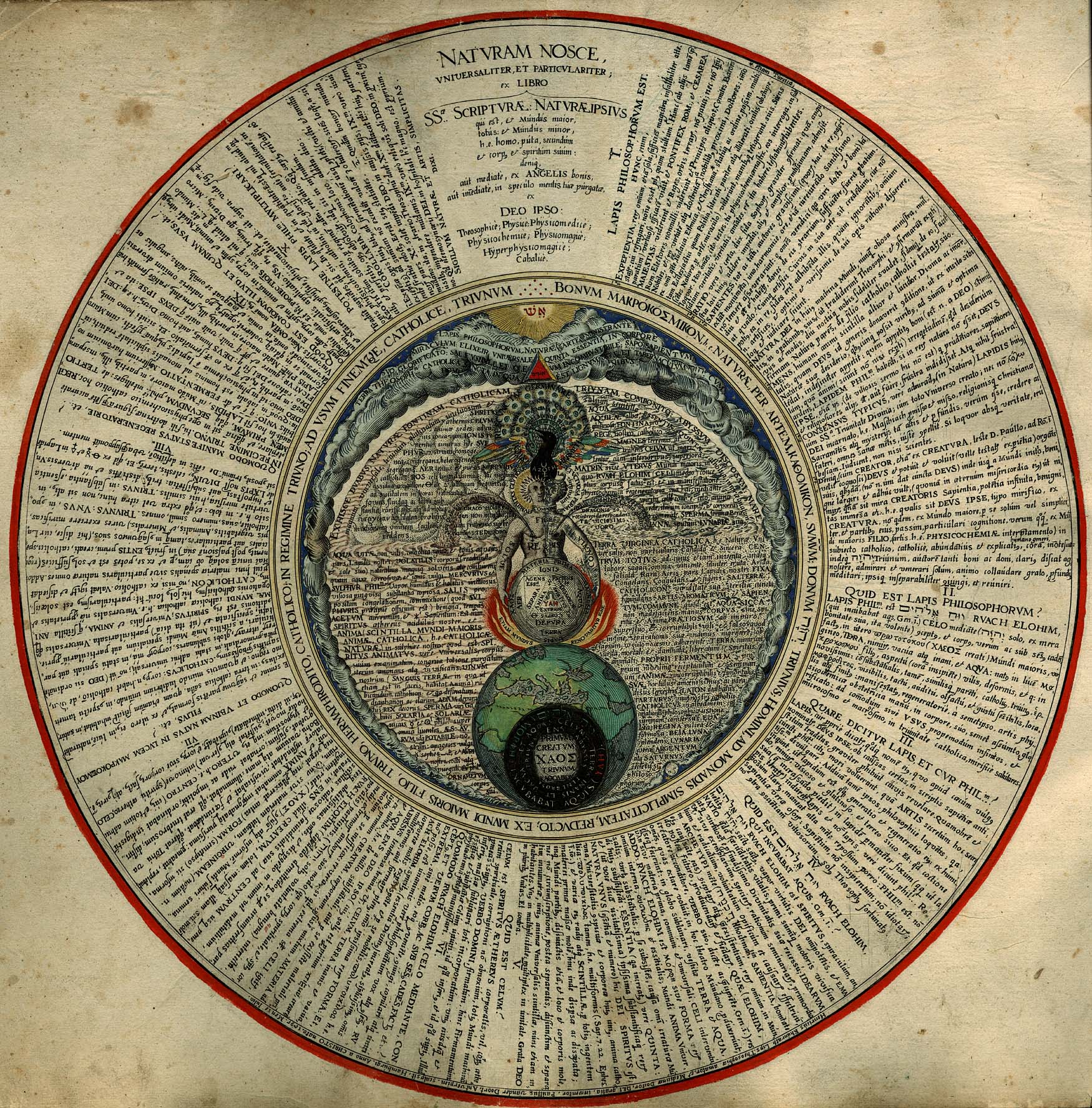
The body of Freemasonry is comprised of many types of individuals whose Masonic pursuits vary according to that individual’s personality and interests. Freemasonry has been very aptly been compared to a complex tapestry composed of many colourful overlapping individual threads which taken as a whole form a larger picture.
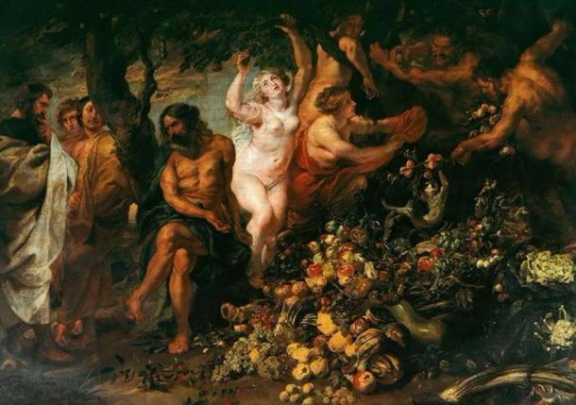
Pythagoras was one of the greatest minds and philosophers of his time and his unquestionable influence can be felt even today in mathematics. It is believed that he was the first man who referred to himself as a “philosopher.” He was the founder of Pythagoreanism, a religious and political movement that appeared mainly in the big cities of Magna Grecia (today southern Italy).
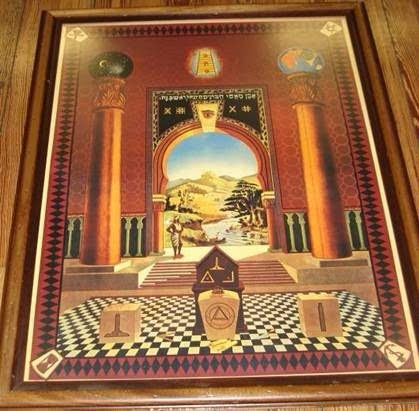
The Mark is a ceremony or degree [sometimes called the ‘friendly’ degree], conferrable today only to Master Masons and forms part of a hierarchical organization. In Craft Masonry it was quite a late innovation making its appearance during the mid-1700s. However we do know that Operative Masons, without any kind of ceremony, were taking marks 150 years before the Mark came into use as part of that particular ceremony.
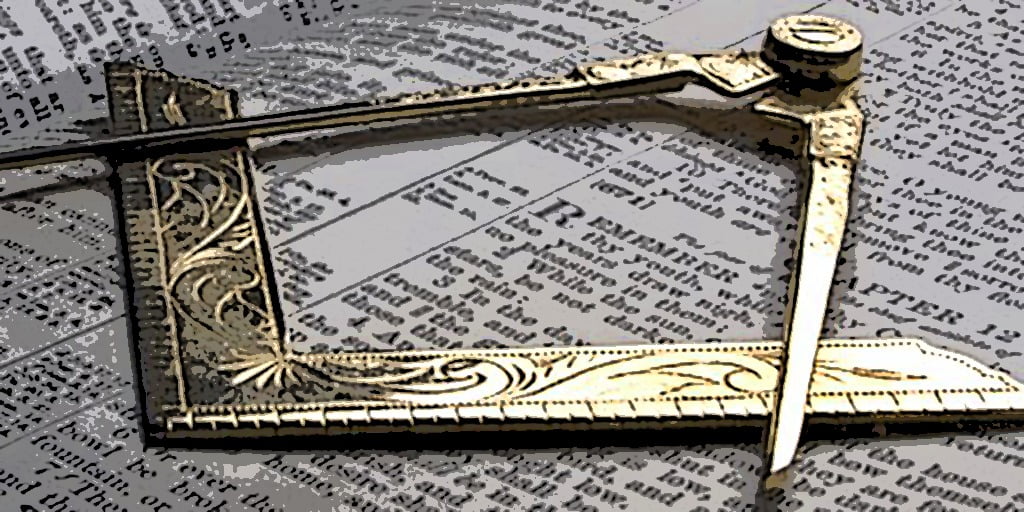
As a French citizen who was successively a member of the Grand Orient of France – ‘that irregular body’ –, then of the Grande Loge Nationale Française – a regular one –, then of the United Grand Lodges of Germany and, for the past ten years, of the Swiss Grand Lodge Alpina, Alan presents his approach to Masonic history