The History And Persecutions Of Spanish Freemasonry
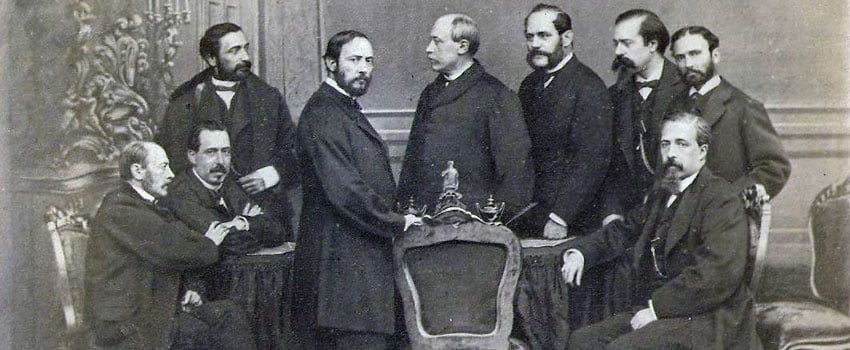
The History And Persecutions Of Spanish Freemasonry
Promoting the Fraternity across the World
The History And Persecutions Of Spanish Freemasonry
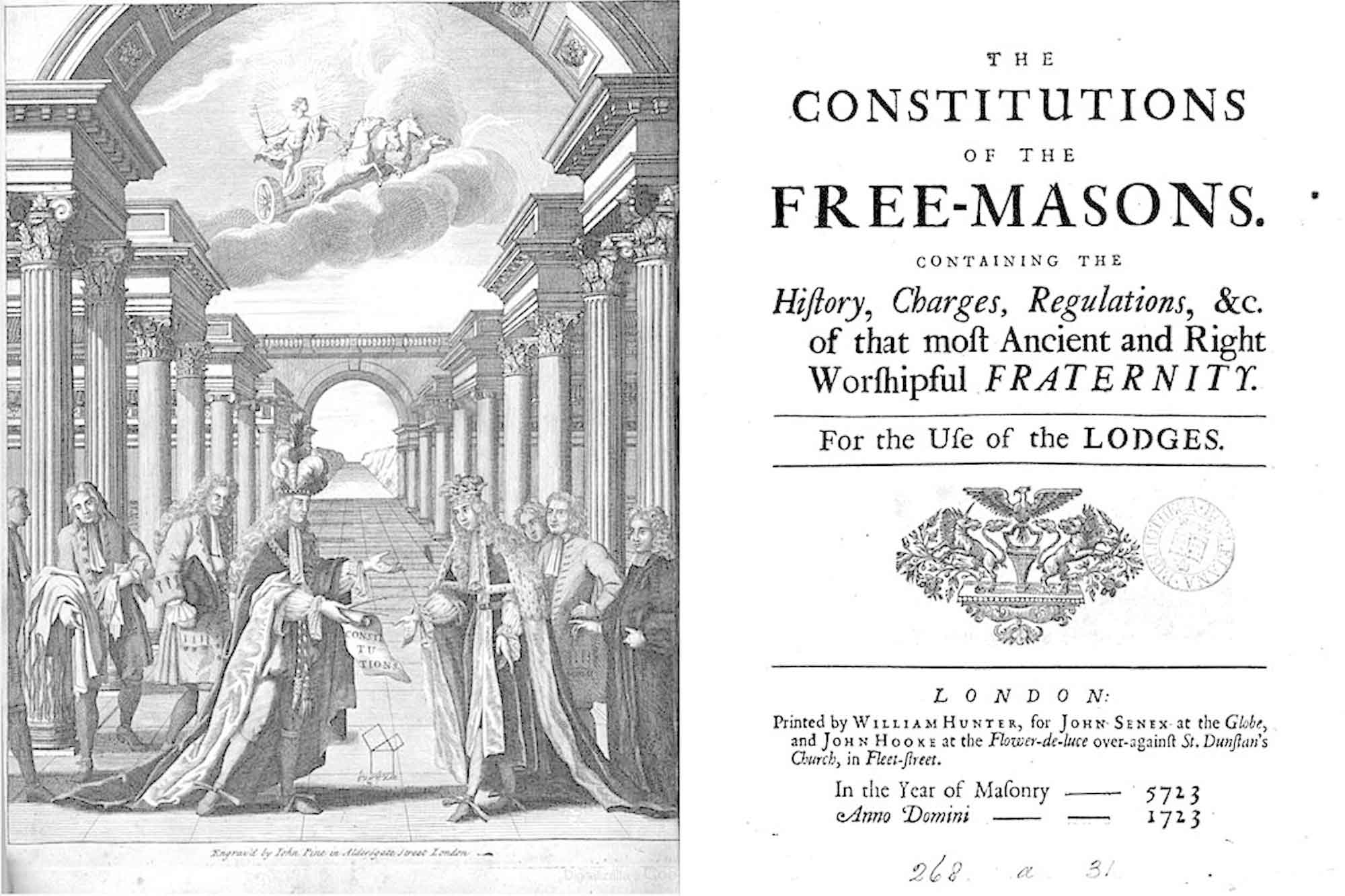
Few subjects in Masonic Jurisprudence generate more interest and debate than the Landmarks of Freemasonry. Every new Brother is charged to protect and preserve them, but there is much conflicting information about what the Landmarks of Masonry actually are. Considering that the proper observation of the Landmarks is a primary factor in the decision of whether a Grand Lodge is recognized or not and the preservation of them one of the most important considerations in making any Masonic policy, it is important that the Landmarks of the order be well understood.

In attempting to give an outline sketch of the various degrees in Freemasonry in a book of this description, I am faced by many difficulties, not the…
Since 1717, this has been a subject of passionate concern to almost every Freemason. There remain a mass of competing views and theories, and this question has dominated research into Freemasonry.
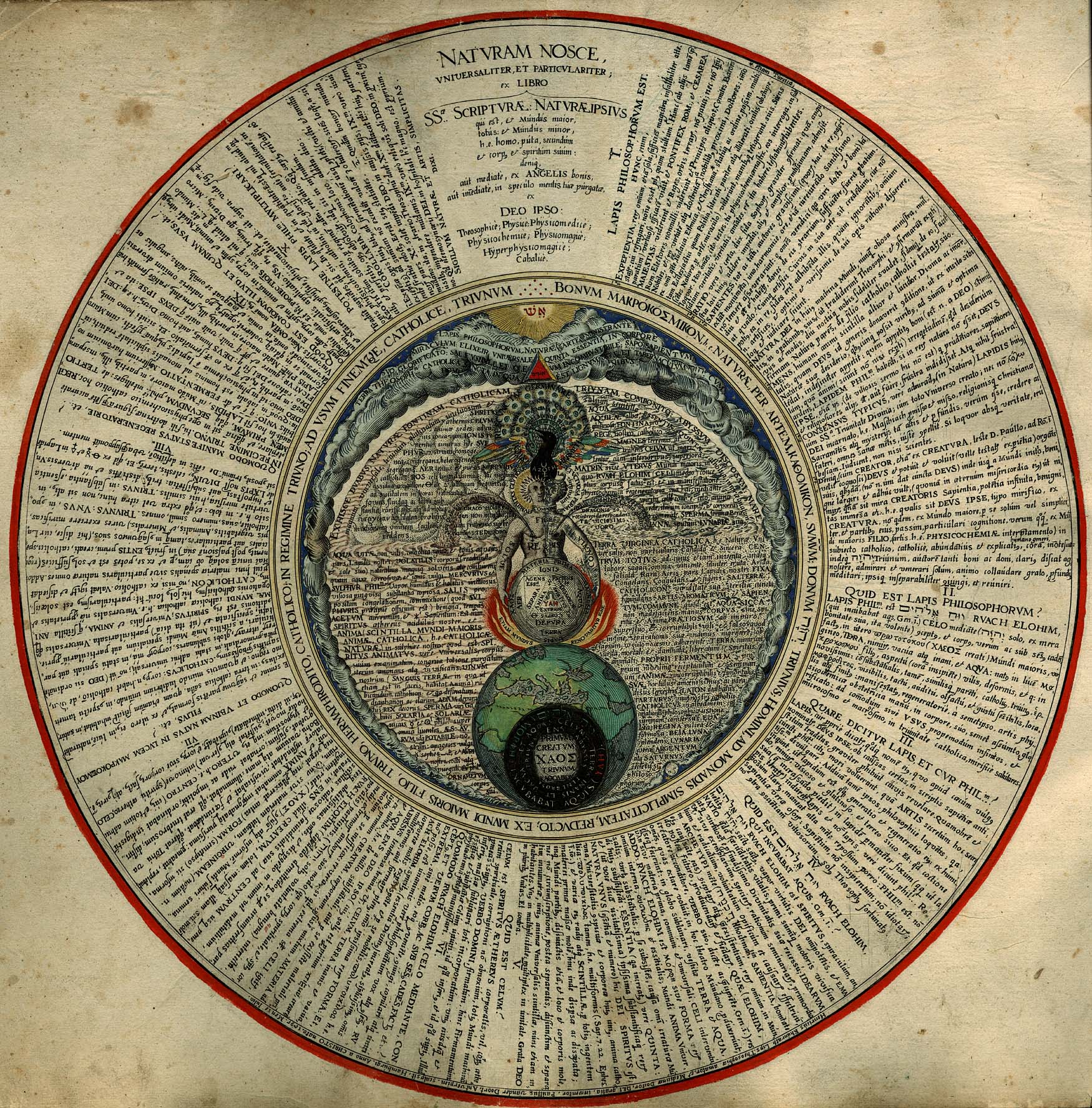
The body of Freemasonry is comprised of many types of individuals whose Masonic pursuits vary according to that individual’s personality and interests. Freemasonry has been very aptly been compared to a complex tapestry composed of many colourful overlapping individual threads which taken as a whole form a larger picture.
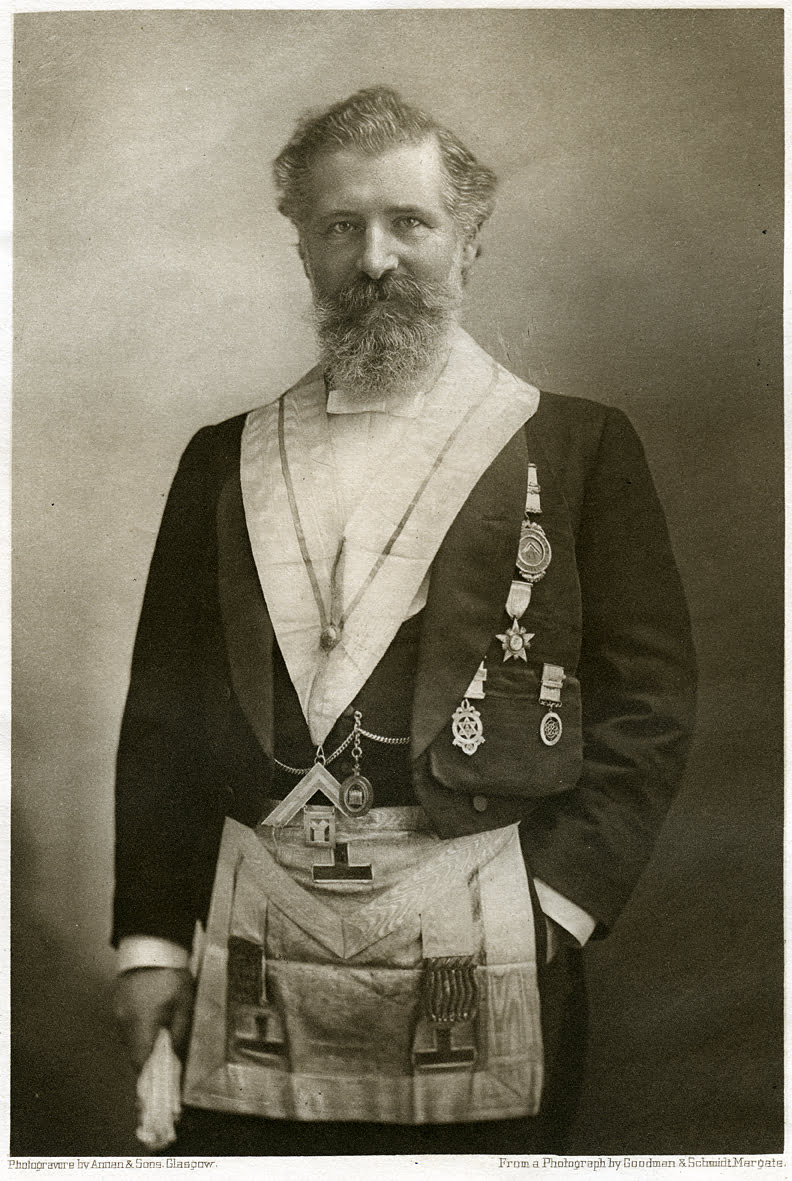
The fruits of Masonic research should be available to everyone, Masons and nonmasons alike – and so it is with the work of Quatuor Coronati Lodge (QC). For almost 120 years members of the Lodge, together with the thousands who have joined the Correspondence Circle, have sought to advance Masonic knowledge and their findings have been published for all in the Transactions of the Lodge, Ars Quatuor Coronatorum