FREEMASONS in the Keswick area handed over a cheque for £2,000 to help Keswick Rugby Club
FREEMASONS in the Keswick area handed over a cheque for £2,000 to help Keswick Rugby Club deal with the aftermath of Storm Desmond.
Promoting the Fraternity across the World
Freemasonry consists of fraternal organisations that trace their origins to the local fraternities of stonemasons, which from the end of the fourteenth century regulated the qualifications of stonemasons and their interaction with authorities and clients. The degrees of freemasonry retain the three grades of medieval craft guilds, those of Apprentice, Journeyman or fellow (now called Fellowcraft), and Master Mason. These are the degrees offered by Craft (or Blue Lodge) Freemasonry. Members of these organisations are known as Freemasons or Masons. There are additional degrees, which vary with locality and jurisdiction, and are usually administered by different bodies than the craft degrees.
The basic, local organisational unit of Freemasonry is the Lodge. The Lodges are usually supervised and governed at the regional level (usually coterminous with either a state, province, or national border) by a Grand Lodge or Grand Orient. There is no international, world-wide Grand Lodge that supervises all of Freemasonry; each Grand Lodge is independent, and they do not necessarily recognise each other as being legitimate.
FREEMASONS in the Keswick area handed over a cheque for £2,000 to help Keswick Rugby Club deal with the aftermath of Storm Desmond.

The members of Partick gathered in the Mason halls @ 92 Dumbarton Rd for a rare celebration of both The Royal Arch Chapter and Cryptic Council
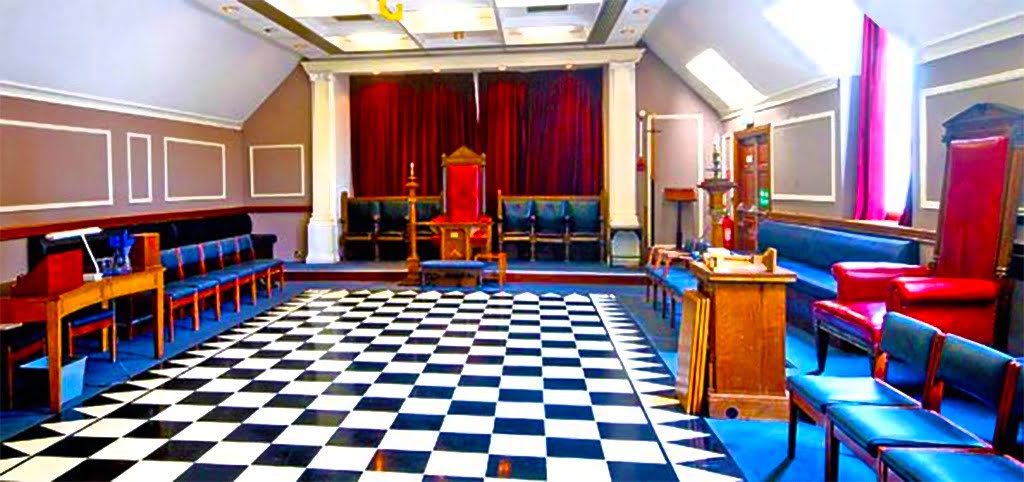
George Plucknett Senior was the founder & First Master of the Plucknett Lodge No: 1708. He was a surveyor by profession, residing in Gray’s Inn Road, North London & was initiated into Freemasonry on 28th March 1850 in the Royal Naval Lodge No: 70 (now No: 59). He was passed & raised in the same year & made a rapid advancement through the Lodge, being appointed Junior Warden in 1851, Senior Warden in 1852 & by 1853 he was installed as Worshipful Master.

I would venture a guess to say there’s not one single Lodge within our (any) Grand Lodge that isn’t concerned about membership and Lodge attendance. Each year on the Official Visit your Secretary and your Master fill out their report and one of the questions is about Lodge attendance.
Introduction to the Manuscripts. A starting point for anybody interested in the History of the Craft
This is the symbol for the United Brotherhood of Carpenters and Joiners of America. The UBC is North America’s largest building-trades union, with more than a half-million members in the construction and wood-products industries
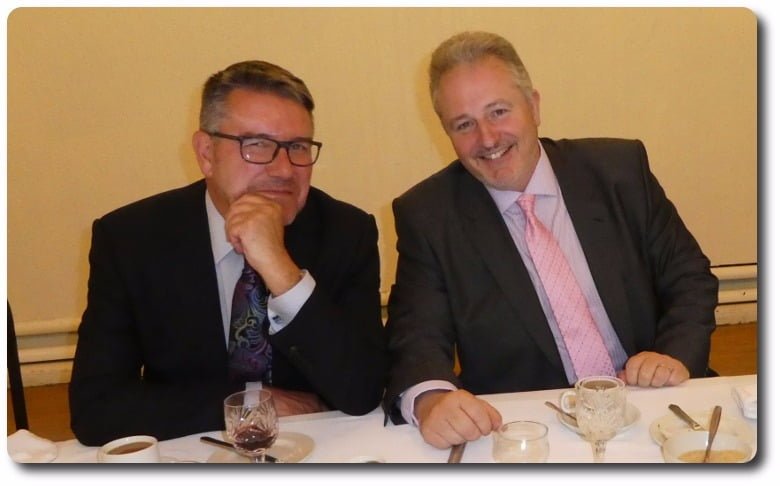
The Western Area Grand Officers dinner took place on Monday 7th June at Ashday Lea, hosted by the Assitant Provincial Grand Master, Norman Cope.
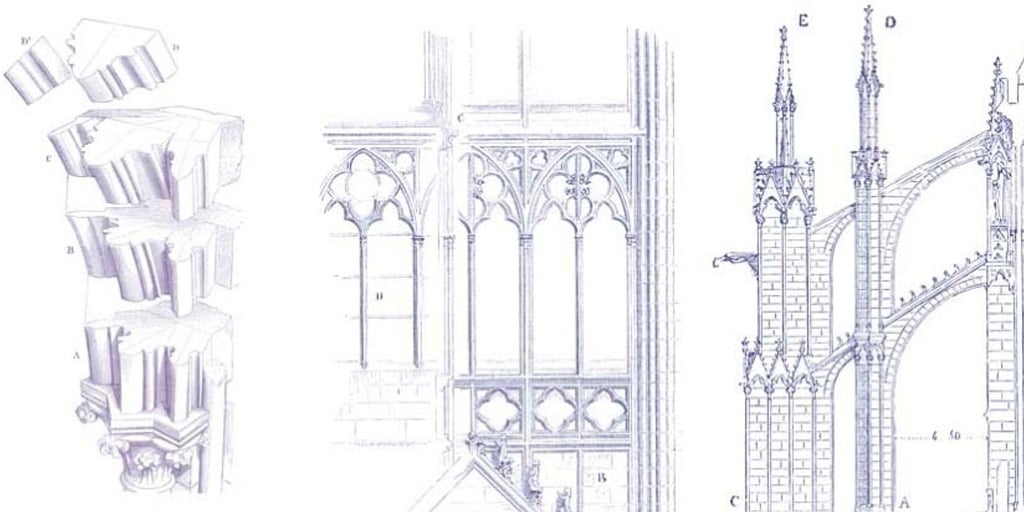
Rites can fall into three categories, rites of passage, communal rites and rites of personal devotion. Interestingly Freemasonry can fall into all three categories. During the ceremonies of initiation a candidate goes through a rite of passage allowing them become an active member of their lodge
Elias Ashmole (1617 – 1692) was not the first Speculative Freemason. Nor was he the second, third or even tenth! The first Speculative Freemasons were William, Lord Alexander his brother Anthony Alexander (the King’s Maister o’ Wark – Master of Works) and Sir Alexander Strachan of Thornton

We received an invitation from the MEGS in and over the Province of Norfolk to attend and promote the Mark degree. This very generous offer is in line with his inclusive policy concerning the ‘Masonic Family’ I asked Gary Allen and Tim Ridley to design a pop up poster and organise the manning on the day.