Elias Ashmole A Celebrated English Antiquary and Freemason
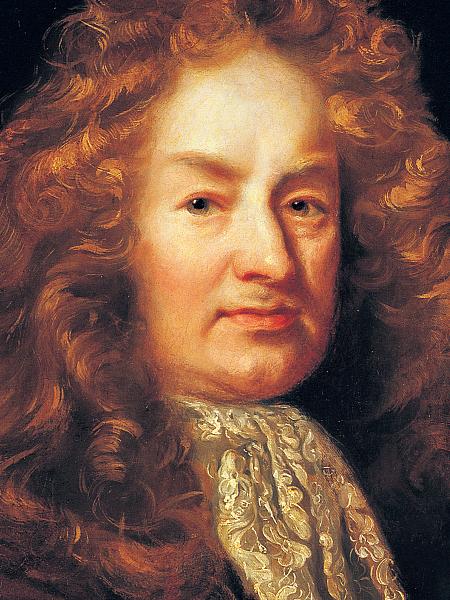
It may be said that never in the annals of Freemasonry has so much been attributed by so many to one man: Elias Ashmole. Yet Ashmole’s own direct…
Promoting the Fraternity across the World
Freemasonry consists of fraternal organisations that trace their origins to the local fraternities of stonemasons, which from the end of the fourteenth century regulated the qualifications of stonemasons and their interaction with authorities and clients. The degrees of freemasonry retain the three grades of medieval craft guilds, those of Apprentice, Journeyman or fellow (now called Fellowcraft), and Master Mason. These are the degrees offered by Craft (or Blue Lodge) Freemasonry. Members of these organisations are known as Freemasons or Masons. There are additional degrees, which vary with locality and jurisdiction, and are usually administered by different bodies than the craft degrees.
The basic, local organisational unit of Freemasonry is the Lodge. The Lodges are usually supervised and governed at the regional level (usually coterminous with either a state, province, or national border) by a Grand Lodge or Grand Orient. There is no international, world-wide Grand Lodge that supervises all of Freemasonry; each Grand Lodge is independent, and they do not necessarily recognise each other as being legitimate.
It may be said that never in the annals of Freemasonry has so much been attributed by so many to one man: Elias Ashmole. Yet Ashmole’s own direct…
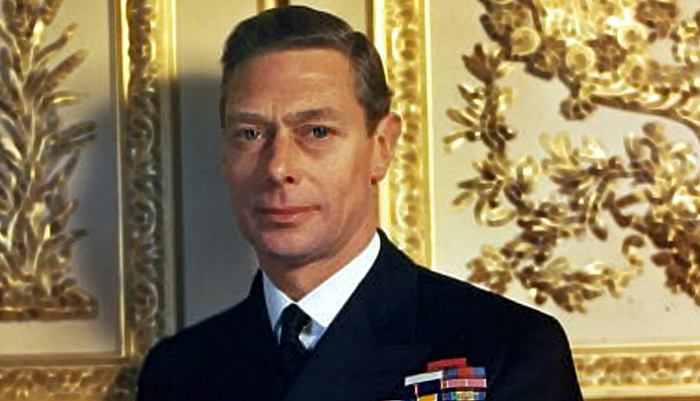
This document encapsulates the views of HM King George VI on the pivotal role of Freemasonry in fostering spiritual and moral regeneration within society. Drawing from a letter dated November 5, 1951, addressed to MW Bro Rt Hon the Earl of Scarbrough, King George VI articulates his long-standing belief in Freemasonry’s positive impact. Despite his inability to personally install Lord Scarborough as Grand Master due to his final illness, his message resonates with earlier sentiments expressed during his attendance at Grand Lodge events. Born in 1895 and initially destined for a supporting role within the Royal Family, King George VI’s active service during World War I and subsequent involvement in Freemasonry underscored his commitment to public service and philanthropy. This document explores his Masonic journey, highlighting his initiation into the Navy Lodge No. 2612, his reflections on Freemasonry’s charitable works, and his broader contributions to British society and the empire.
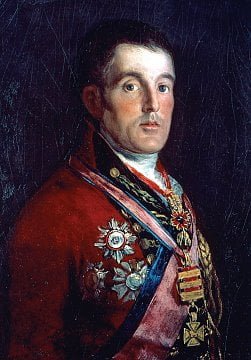
The eventful life of Arthur, Duke of Wellington, was evenly apportioned between a triumphant military career and an equally successful political one. His…
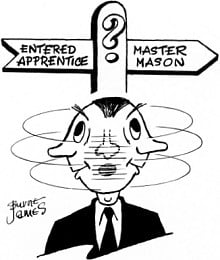
When the ‘Operative Mason’ came to the end of his Apprenticeship, and his record was good and had proved his proficiency under test, he was formally…
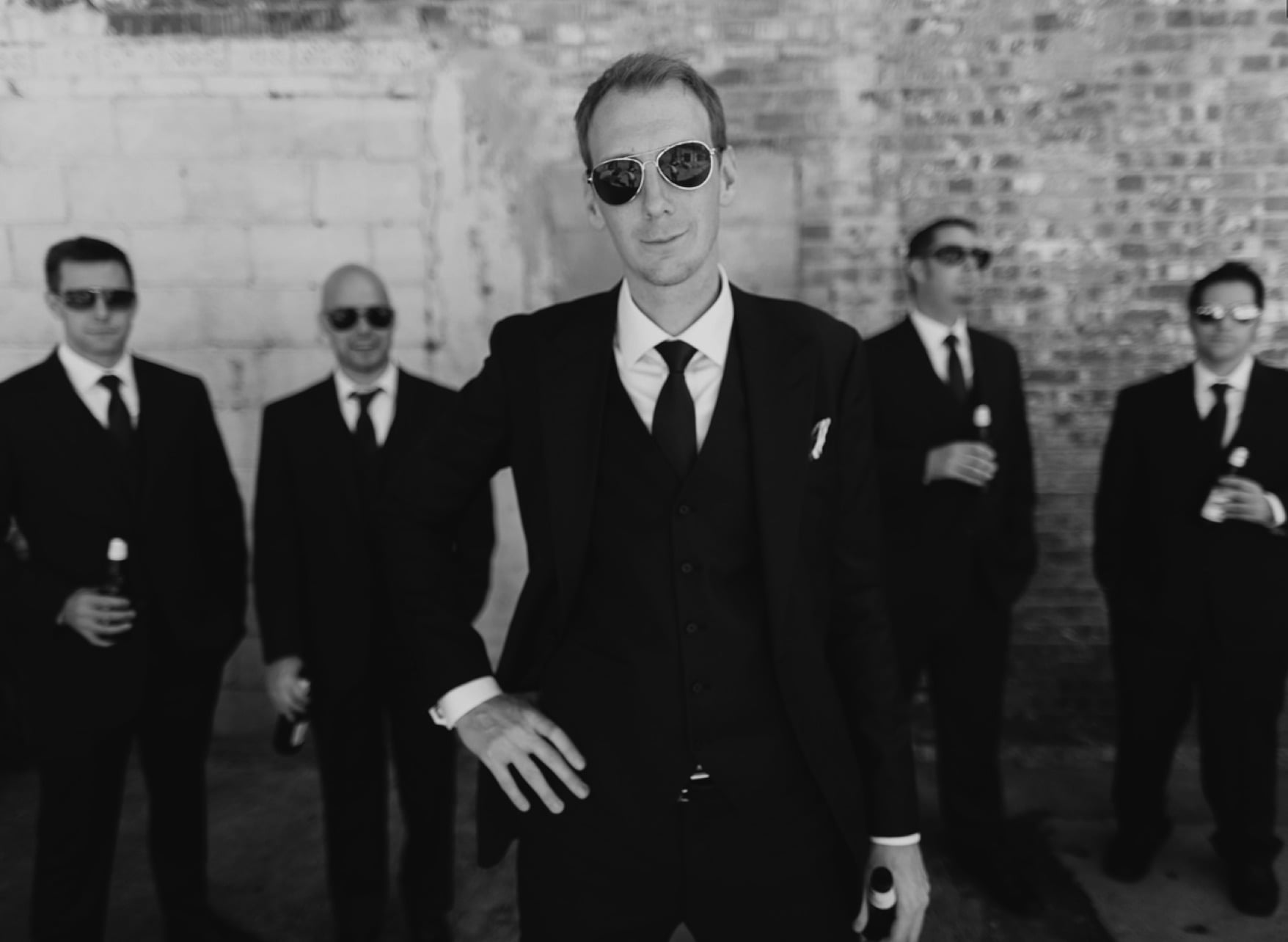
Are Freemasons, our societies answer to the question, Who are the 21st Century Gentleman?, Freemasonry is built on the foundations of a traditional…
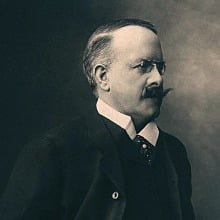
Dr Thomas John Barnardo (1845–1905), nicknamed ‘The Doctor’, was a leading reformer of the 19th century on a par with Sir Robert Peel, Elizabeth Fry…
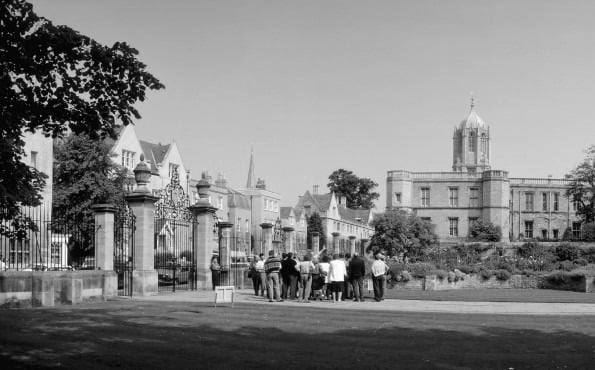
The minimum age for initiation is generally regarded as ‘the full age of 21 years’. The trouble with generalisations such as these is that, generally,…
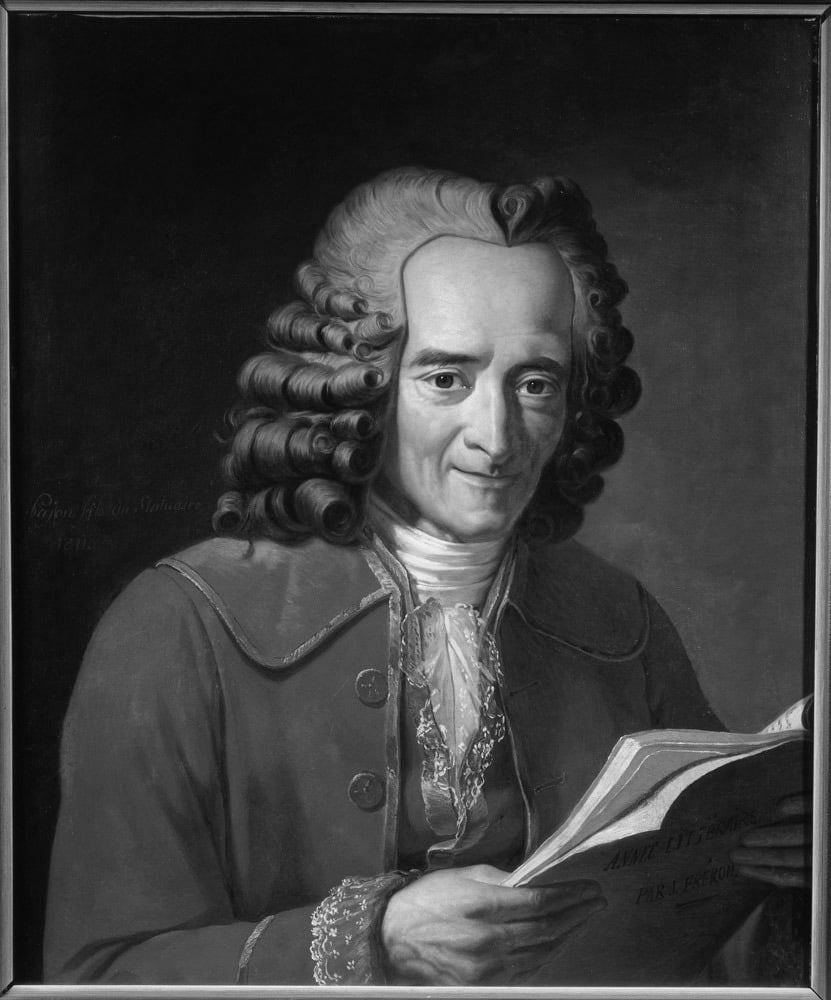
French philosopher and writer initiated into Freemasonry in 1778 in the Lodge of nine sisters in Paris. His full name was Jean Frangois Marie Arouet de…
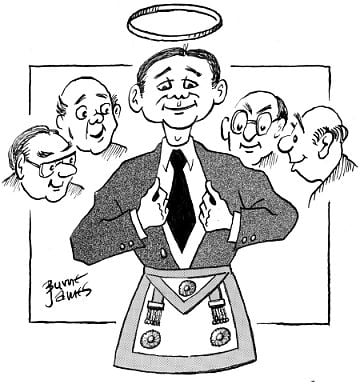
In the third Degree ceremony in Craft masonry, a brother is raised to the ‘Sublime Degree of a Master Mason’. It is indeed a ‘Sublime’ Degree, which, as a full member of the Craft, a Mason may study for years without exhausting it.
Any interpretation in this article must necessarily be a hint only. Yet a hint may stimulate a Mason to reflect upon it himself, and to study it more thoroughly in the future.

A look at the First Degree, in freemasonry : The phrase “The Sun at its meridian seems incongruous, can you explain? The correct phrase would be on…