Freemasons donate funds for vital blood car to transport supplies to hospitals
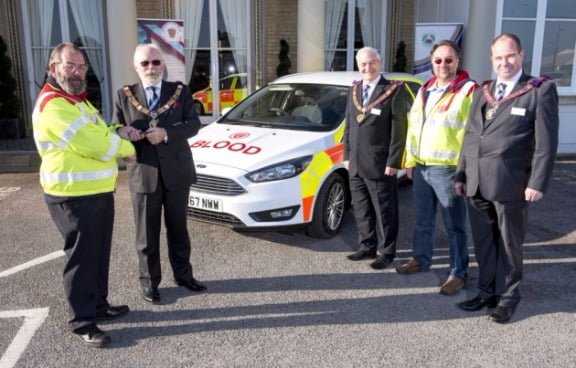
Masons donate funds for vital blood car to transport supplies to hospitals
Promoting the Fraternity across the World
Masons donate funds for vital blood car to transport supplies to hospitals
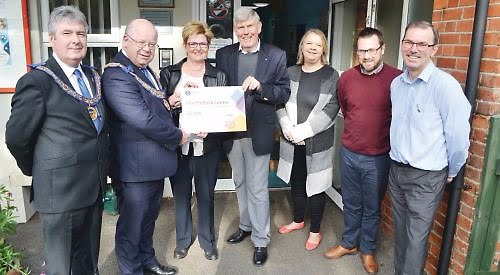
Freemasons’ 300th anniversary gift to children’s charity
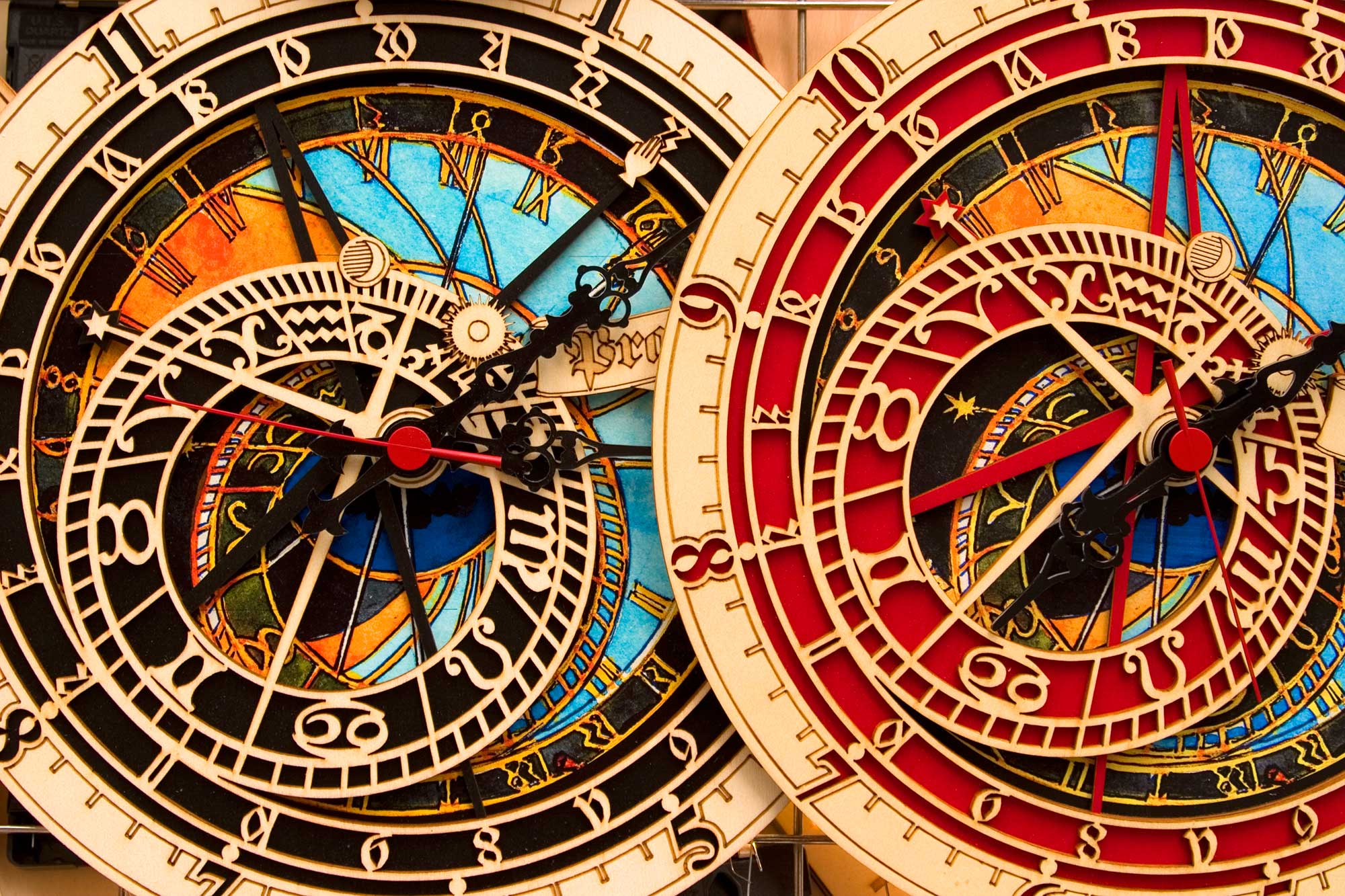
Throughout our lives, we have heard of the liberal arts and sciences. But until we were presented with them in The Winding Stair lecture, most of us had only a vague notion of what they consisted. The Fellowcraft Degree commends Freemasons to study the Liberal Arts and Sciences, which are grammar, rhetoric, logic, arithmetic, geometry, music, and astronomy. When we study the historical background for this list, we will uncover layers of Masonic meanings for us in each of the seven areas of knowledge.
I would like to make something absolutely clear at the onset of this presentation. I do not wish to or infer from any of the following definitions that I…
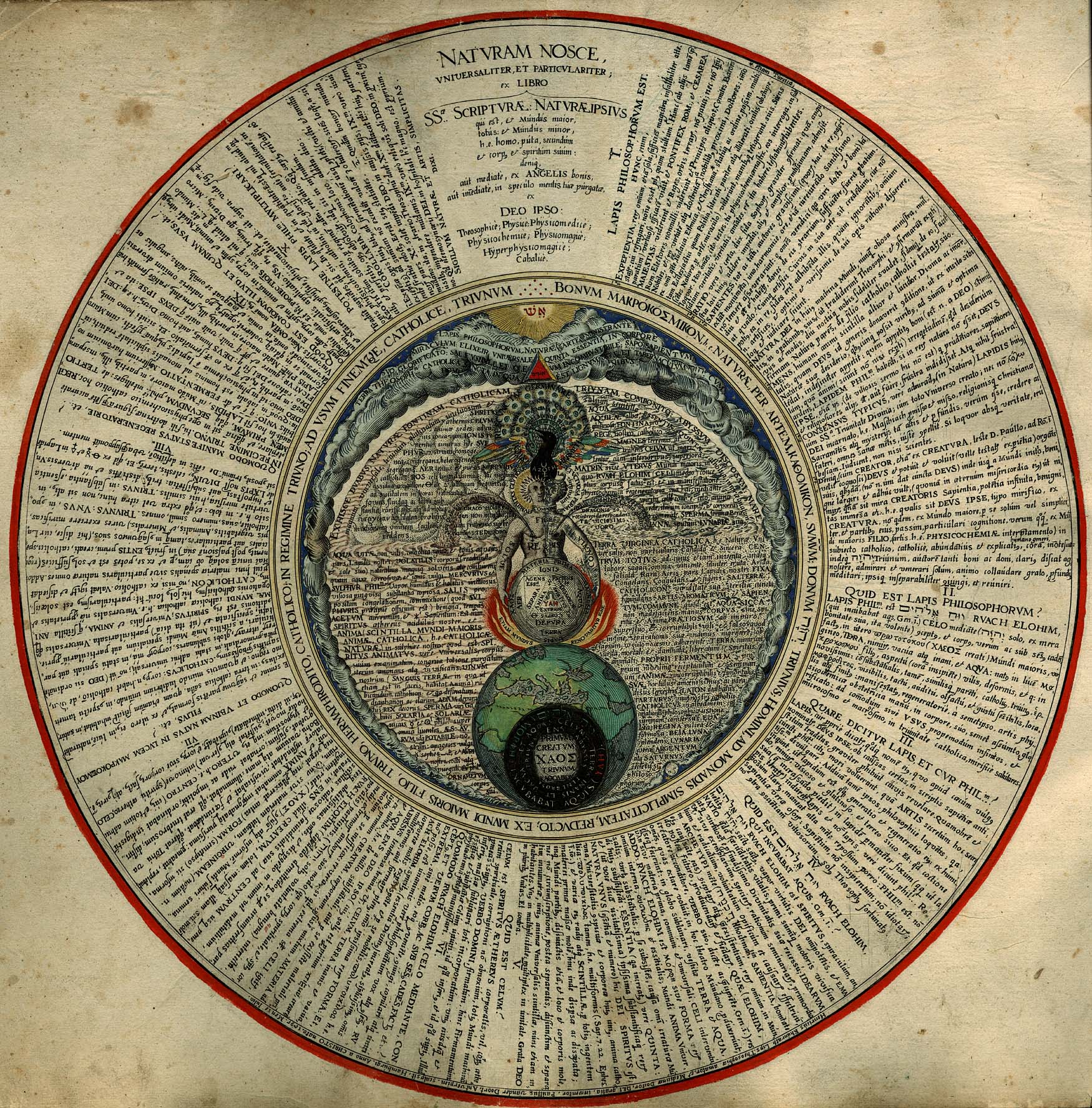
The body of Freemasonry is comprised of many types of individuals whose Masonic pursuits vary according to that individual’s personality and interests. Freemasonry has been very aptly been compared to a complex tapestry composed of many colourful overlapping individual threads which taken as a whole form a larger picture.
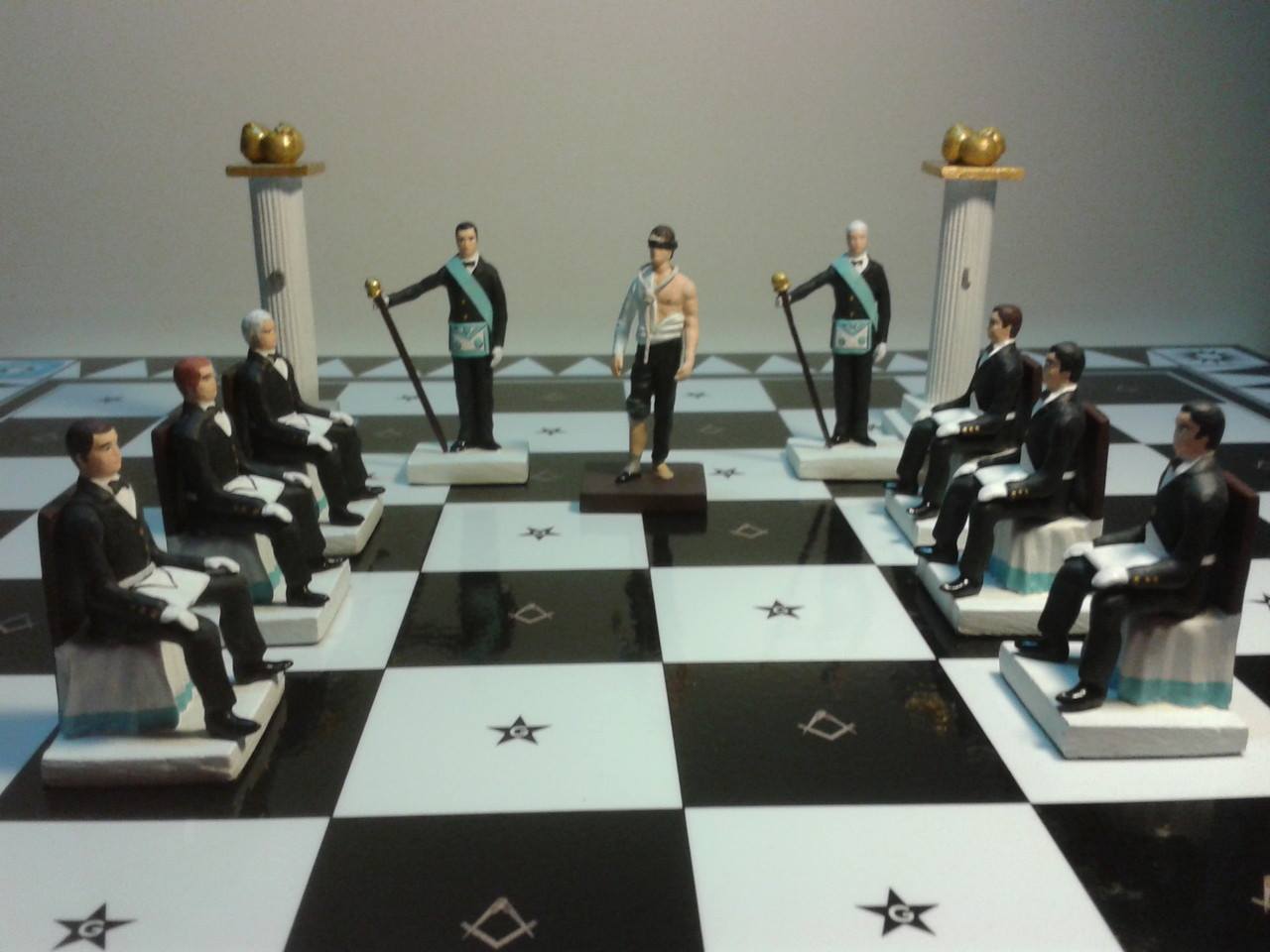
Chess is an ancient game of skill and strategy played within the confines of strictly defined rules of play, within which the participants have the…
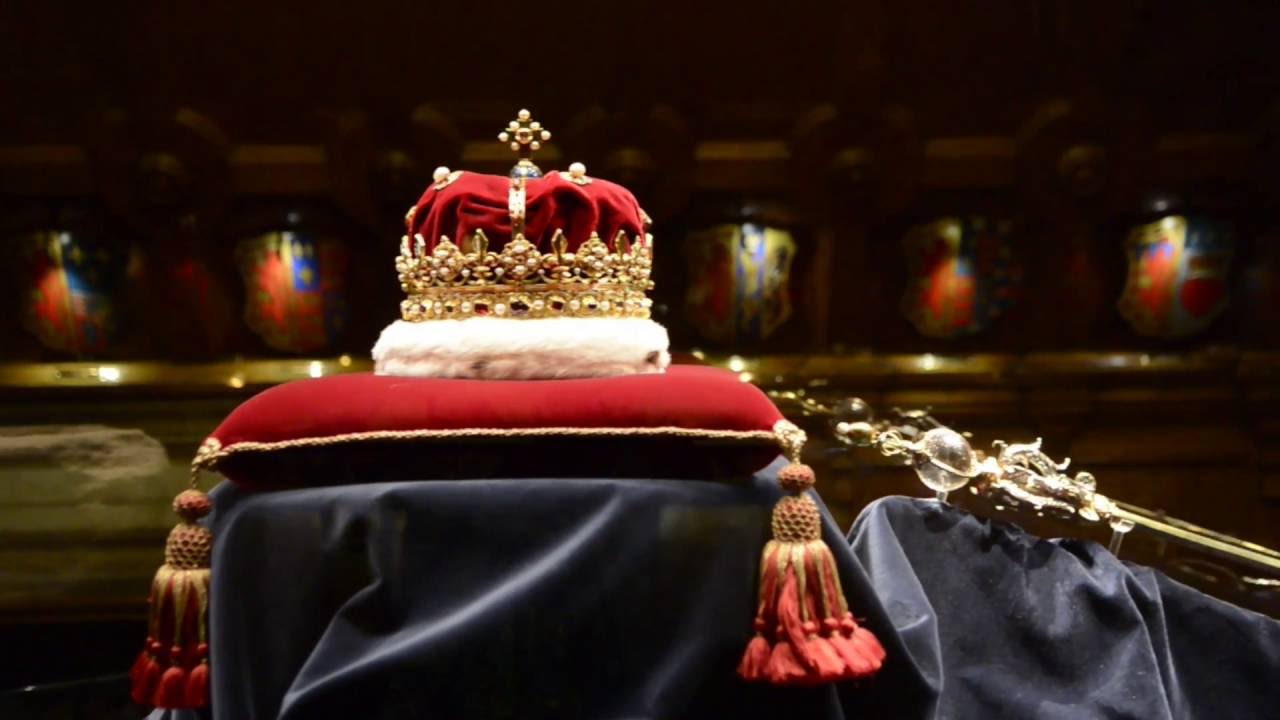
‘From time immemorial’ we have been very fortunate in that our Craft has had the support of Royalty. Without that support I doubt that we would be in…
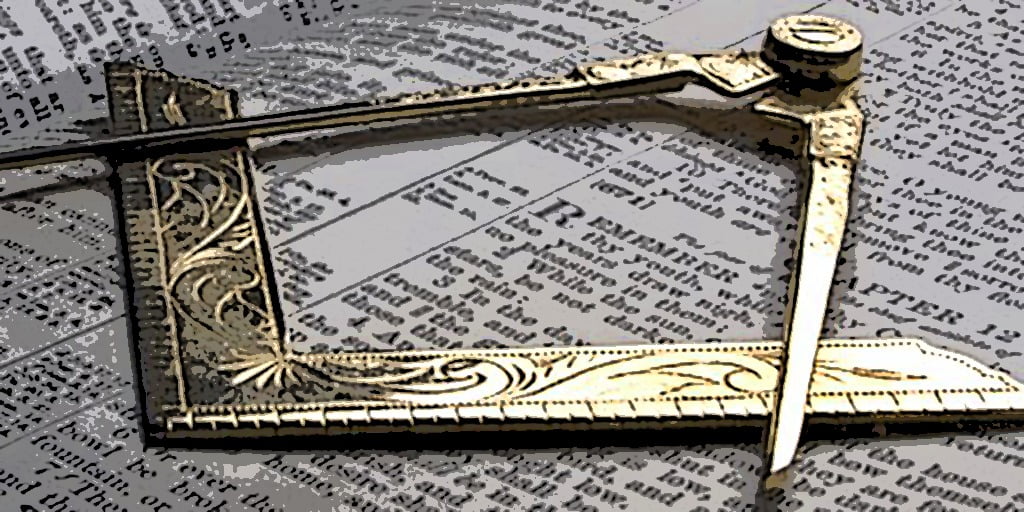
As a French citizen who was successively a member of the Grand Orient of France – ‘that irregular body’ –, then of the Grande Loge Nationale Française – a regular one –, then of the United Grand Lodges of Germany and, for the past ten years, of the Swiss Grand Lodge Alpina, Alan presents his approach to Masonic history
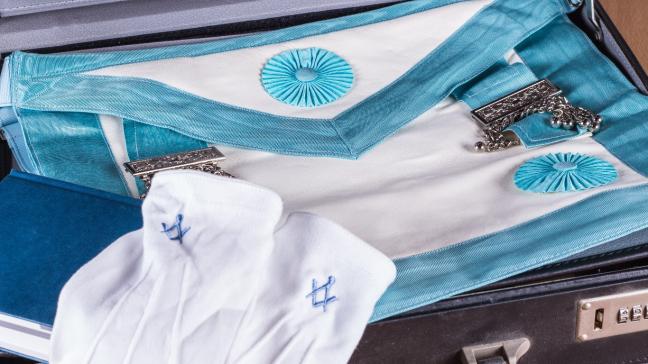
Freemasonry is founded on a commitment to support each other in friendship, fellowship and service to mankind. For thousands of years, people have found spiritual and philosophical fulfilment through freemasonry, which still operates on the same core values.
There is so much miss information in the Public domain about Freemasonry, this article goes to some length in explaining answers to criticisms that its receives.