The Masonic Ladder and the Great Chain of Being
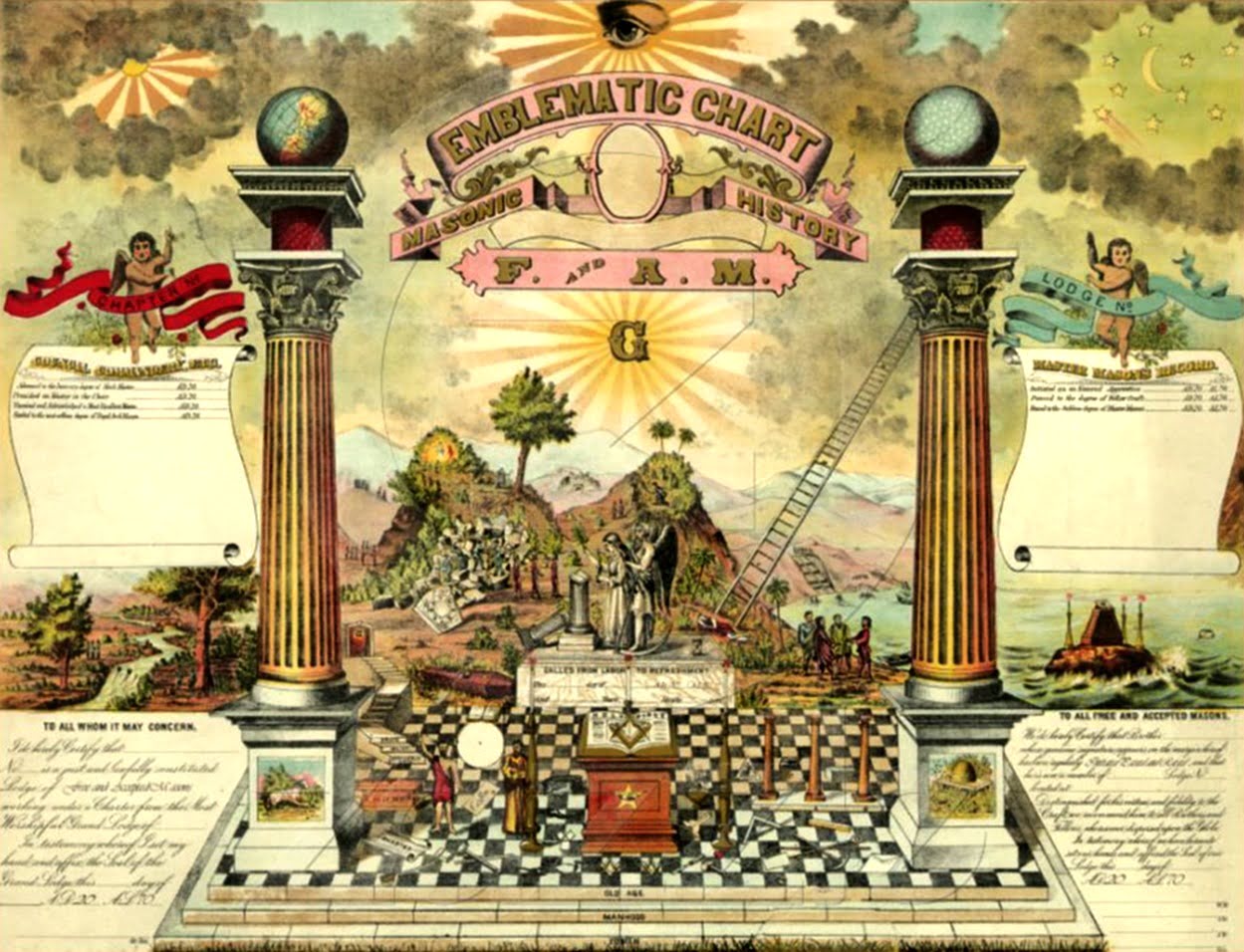
THE MASONIC LADDER AND THE GREAT CHAIN OF BEING by Bro. William Steve Burkle KT, 32°, KCRBE Alpha Lodge No. 116, Grand Lodge of New Jersey Philo Lodge…
Promoting the Fraternity across the World
THE MASONIC LADDER AND THE GREAT CHAIN OF BEING by Bro. William Steve Burkle KT, 32°, KCRBE Alpha Lodge No. 116, Grand Lodge of New Jersey Philo Lodge…

“…AND DEDICATED TO THE HOLY SAINTS JOHN” An inquiry into the designation of the Saints John as Patron Saints of Freemasonry by W.Bro. Harvey L….
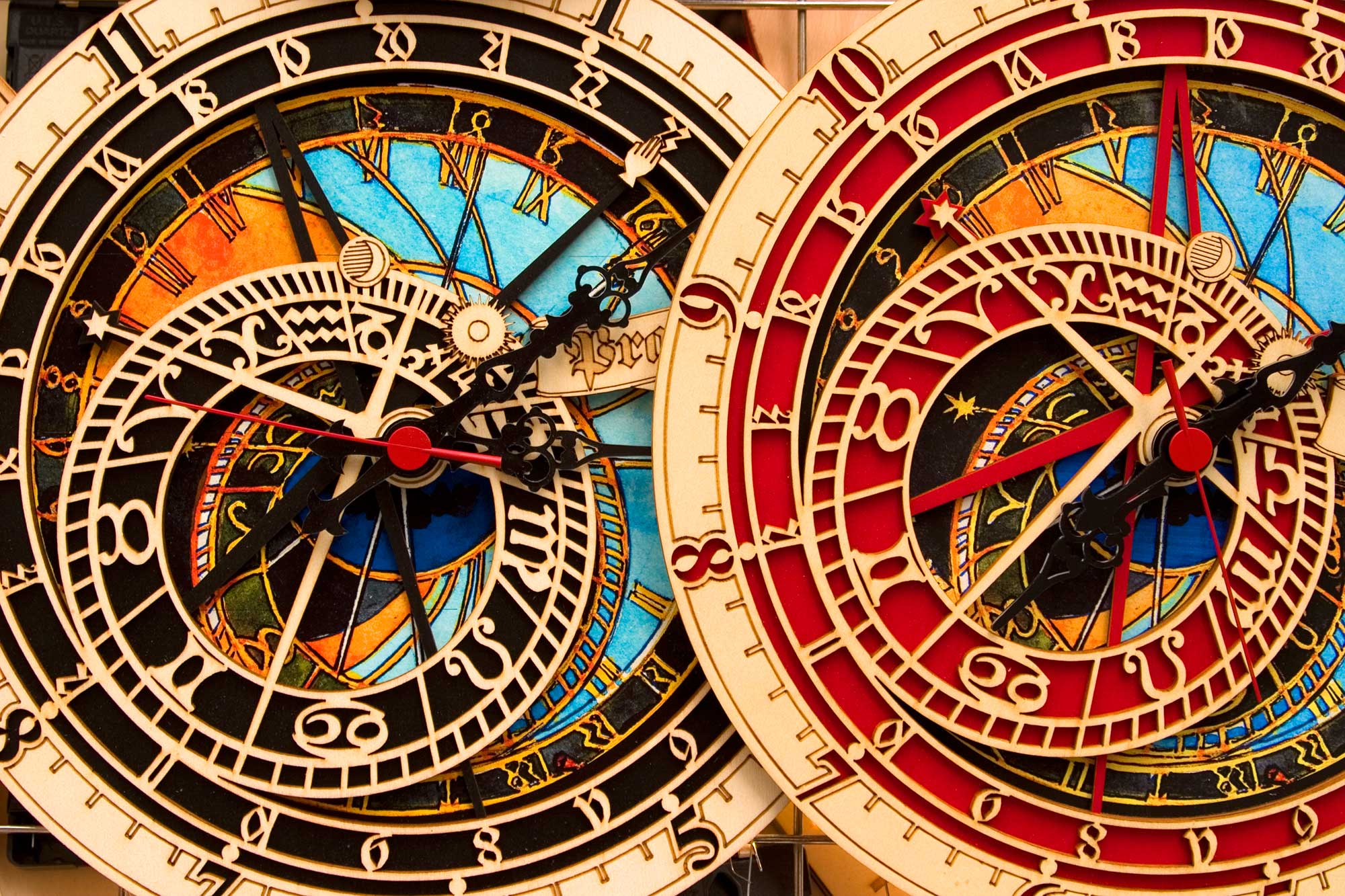
Throughout our lives, we have heard of the liberal arts and sciences. But until we were presented with them in The Winding Stair lecture, most of us had only a vague notion of what they consisted. The Fellowcraft Degree commends Freemasons to study the Liberal Arts and Sciences, which are grammar, rhetoric, logic, arithmetic, geometry, music, and astronomy. When we study the historical background for this list, we will uncover layers of Masonic meanings for us in each of the seven areas of knowledge.
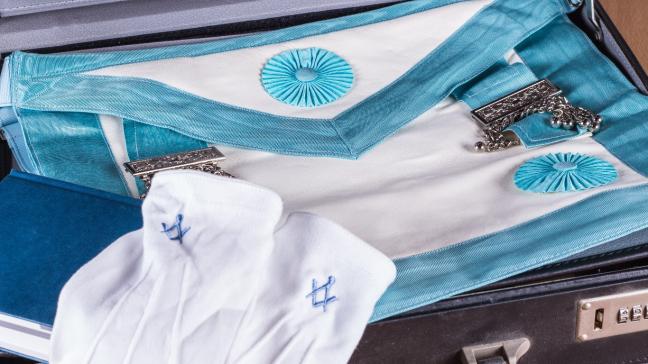
Freemasonry is founded on a commitment to support each other in friendship, fellowship and service to mankind. For thousands of years, people have found spiritual and philosophical fulfilment through freemasonry, which still operates on the same core values.
Sadly Stanley was unable to celebrate his Golden Jubilee in the Holy Royal Arch in his mother Chapter of Faith No 484 in May owing to illness, however,…
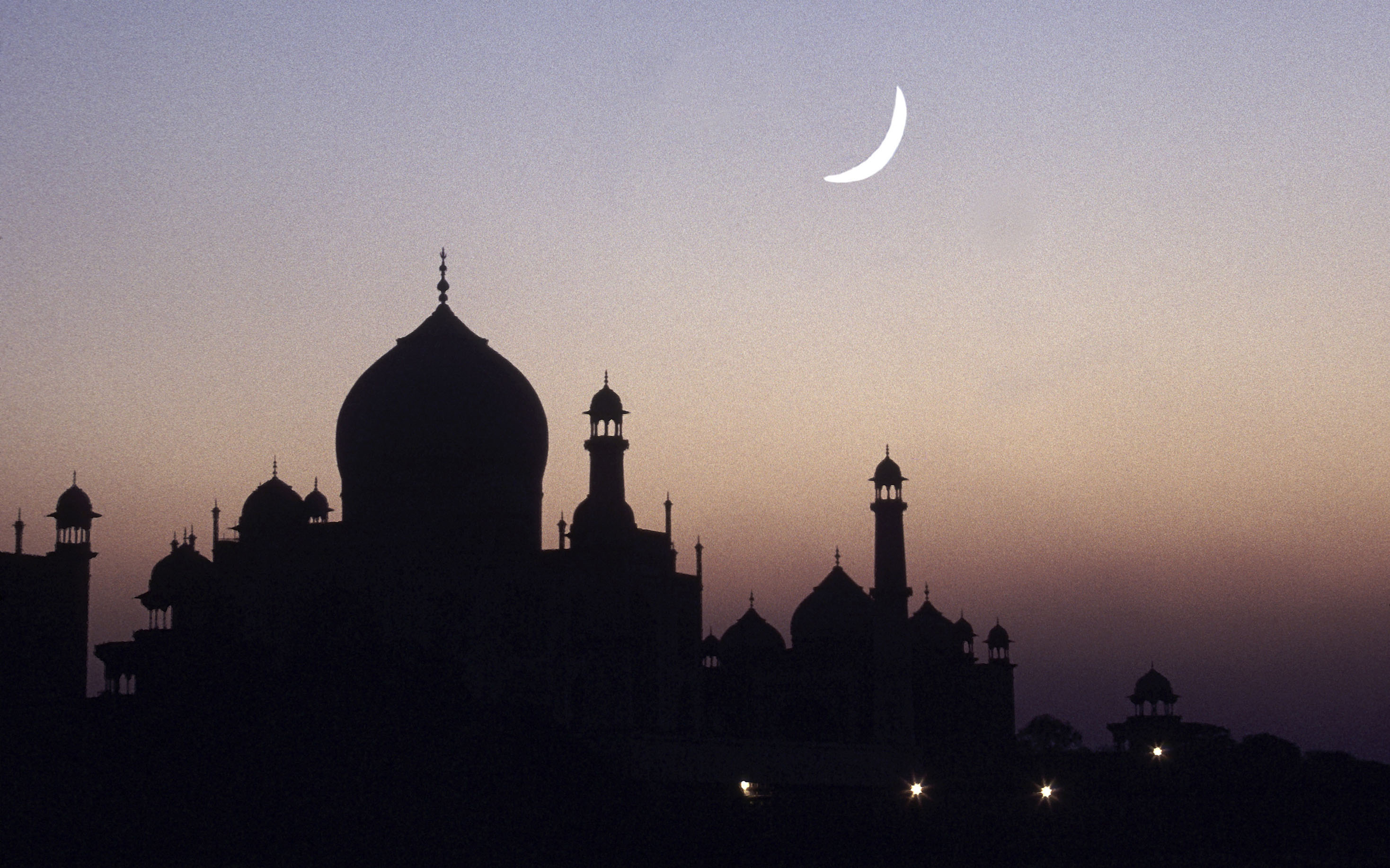
Freemasonry may even be considered complementary to Islam as its principles only go to reinforce a Muslim brother’s own faith; contrary to the misconceptions widely held among my Muslim brethren from various sects. The distrust perhaps arises from the fact that masonic symbols are derived from segments of the Old Testament such as the Temple of King Solomon
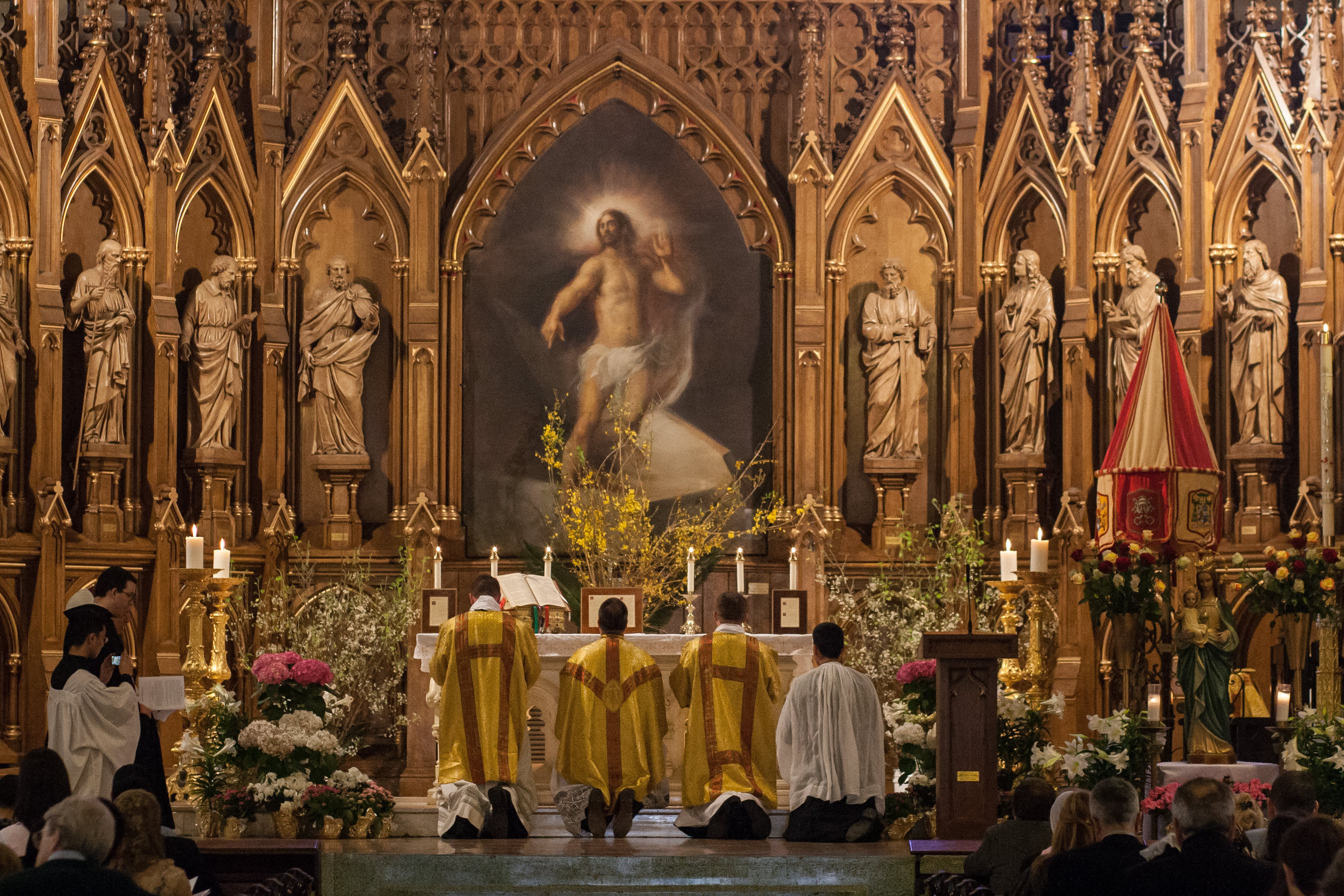
A Catholic may join regular Freemasonry but ought to consult his Bishop, through his parish priest, not for permission to join but to ascertain the nature of the jurisdiction concerned. (Regular or Irregular)
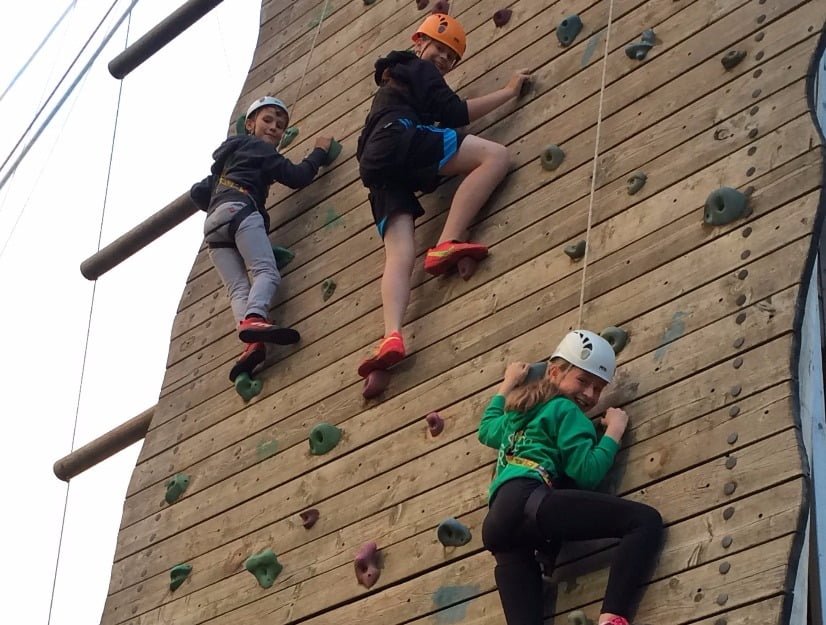
Buckinghamshire Freemasons were recently delighted to award the Adult Learning Foundation (ALF) at Longridge on the Thames more than £3,500 towards climbing equipment for their climbing and high ropes facilities.
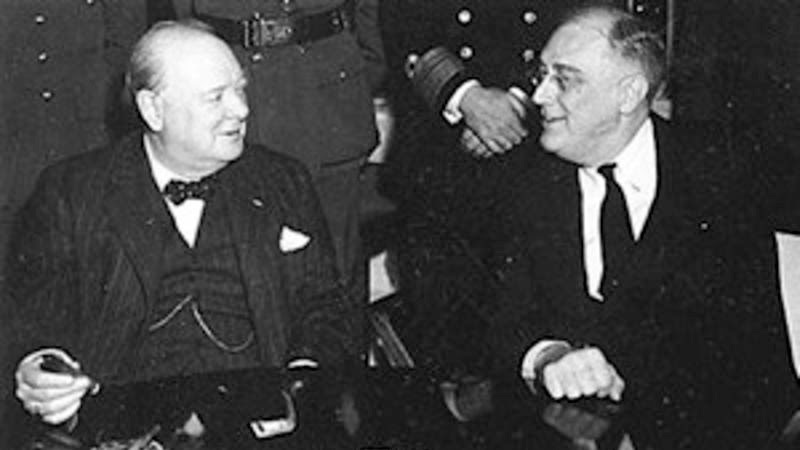
What did George Washington, Winston Churchill and Benjamin Franklin have in common with Goethe, Mozart, and Voltaire? And with Motilal Nehru and Swami Vivekanand?
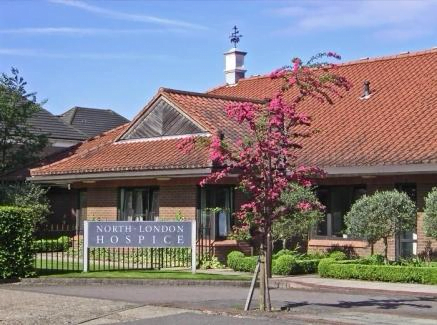
Masonic Charitable Foundation sends £3,500 to North London Hospice in Finchley