How Long Must I Haul These Ruffians Around With Me?
BY: ROBERT G. DAVIS, 33*, GRAND CROSS The degrees of Freemasonry are built on the clear understanding that men need to be engaged in a quest for…
Promoting the Fraternity across the World
BY: ROBERT G. DAVIS, 33*, GRAND CROSS The degrees of Freemasonry are built on the clear understanding that men need to be engaged in a quest for…
Every Mason is naturally desirous to know something of the origin and history of the Craft. The available literature on the subject is diffuse and…

Sheffield Freemasonry16 hrs ·
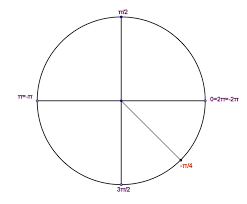
THE DORMER MASONIC STUDY CIRCLE, TRANSACTION NO. 94 “THE FOURTH PART OF A CIRCLE” by W.Bro.J. D. BLAKELEY, M.Sc., F.R.I.C., Prov. A.G.D.C., Essex,…
Presented at the Vancouver Grand Masonic Day, October 16, 1999 by W. Bro. Helio L. Da Costa Jr. The tenets of Freemasonry are universal, however, the way…
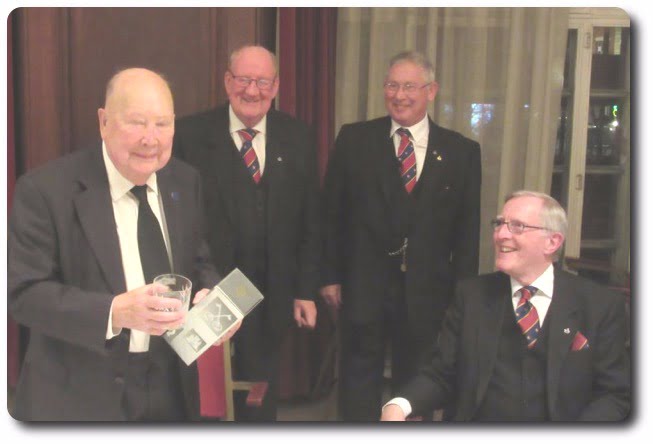
On Wednesday April 6th, Bridge St was the venue for a special evening when the Brethren and guests got together at Ashbury Lodge No.1459 to celebrate the…

Always Up to Standard, Never Down to Price Posted on 01/05/2016 Michael Graham The name of Andrew Foster, Provincial Grand Director of Ceremonies, is…

Not long ago, and on behalf of the United Grand Lodge of England, a speech was made that stated that the basic principles of Freemasonry were refined over 150 years and codified in 1929 and 1938. This codification, it is claimed, defines regularity; the speech advises that regularity is an “absolute” and that these basic principles are above and beyond change and reinterpretation. The same statement proscribes masons in masonry from being explicitly involved in matters such as the social progress of the new Europe and it stipulates that “Freemasonry has no role outside of Freemasonry”.
by W.Bro. Chris Aniche Okorafor Past Deputy District Grand Master, Hon. Grand Almoner Founder Member and Past Master of Lodge Aro #1772,Arochukwu Lodge…
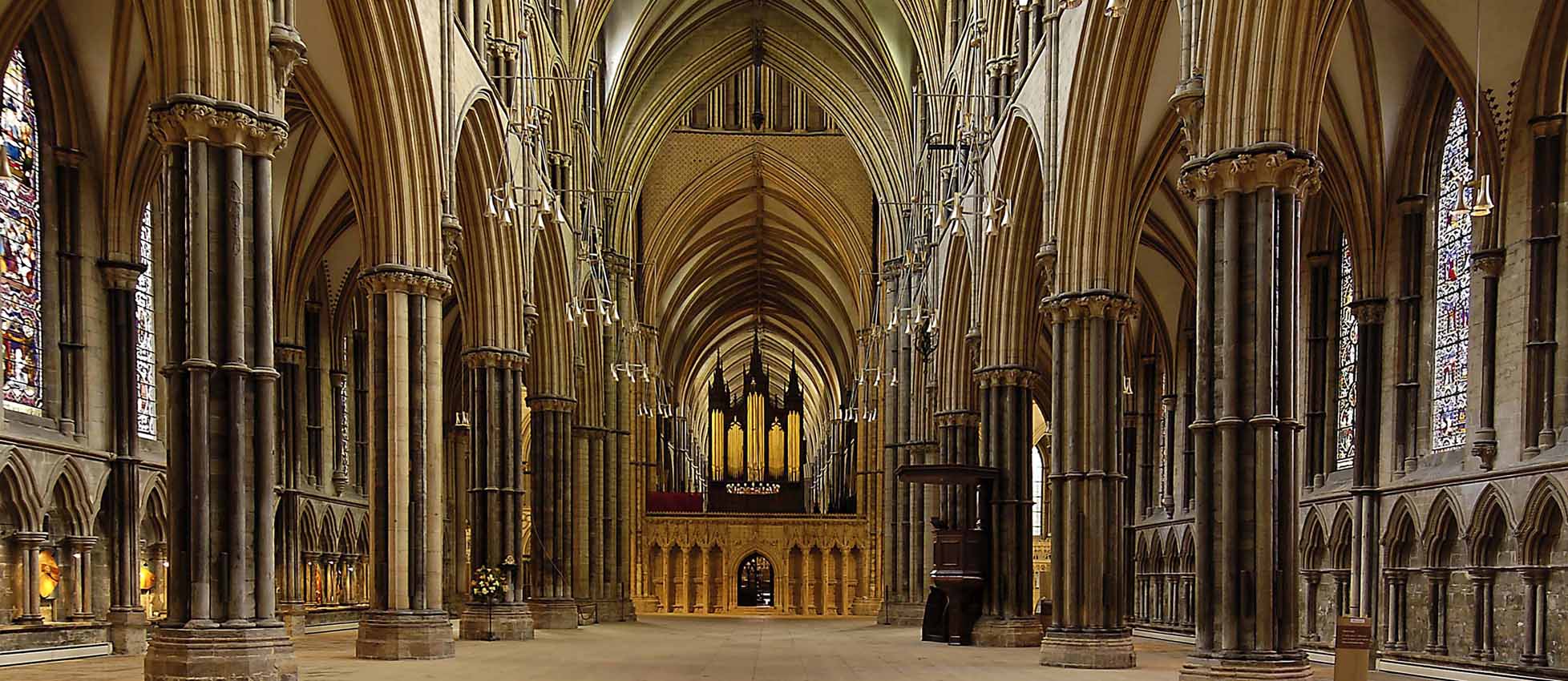
There has been a great deal of difference of opinion among the historians of architecture as to where and when Gothic began. English writers, who have a very natural desire to claim for their own land the glory of the discovery of the art, date it at 1100 A.D. or earlier, and find its first manifestations at Durham; whereas French writers almost unanimously hold that Gothic began first of all in the region round about Paris, in what was once called the Ile de France, and say that the Abbey Church of St. Denis, begun in 1140, is to be regarded as the first known Gothic monument. It appears that a majority of the more modern writers incline to agree with the French theory. Porter dates the new style as beginning in Paris about 1163, and says that it reached its culmination in the year 1220, with the nave of Amiens.