Christopher Wren
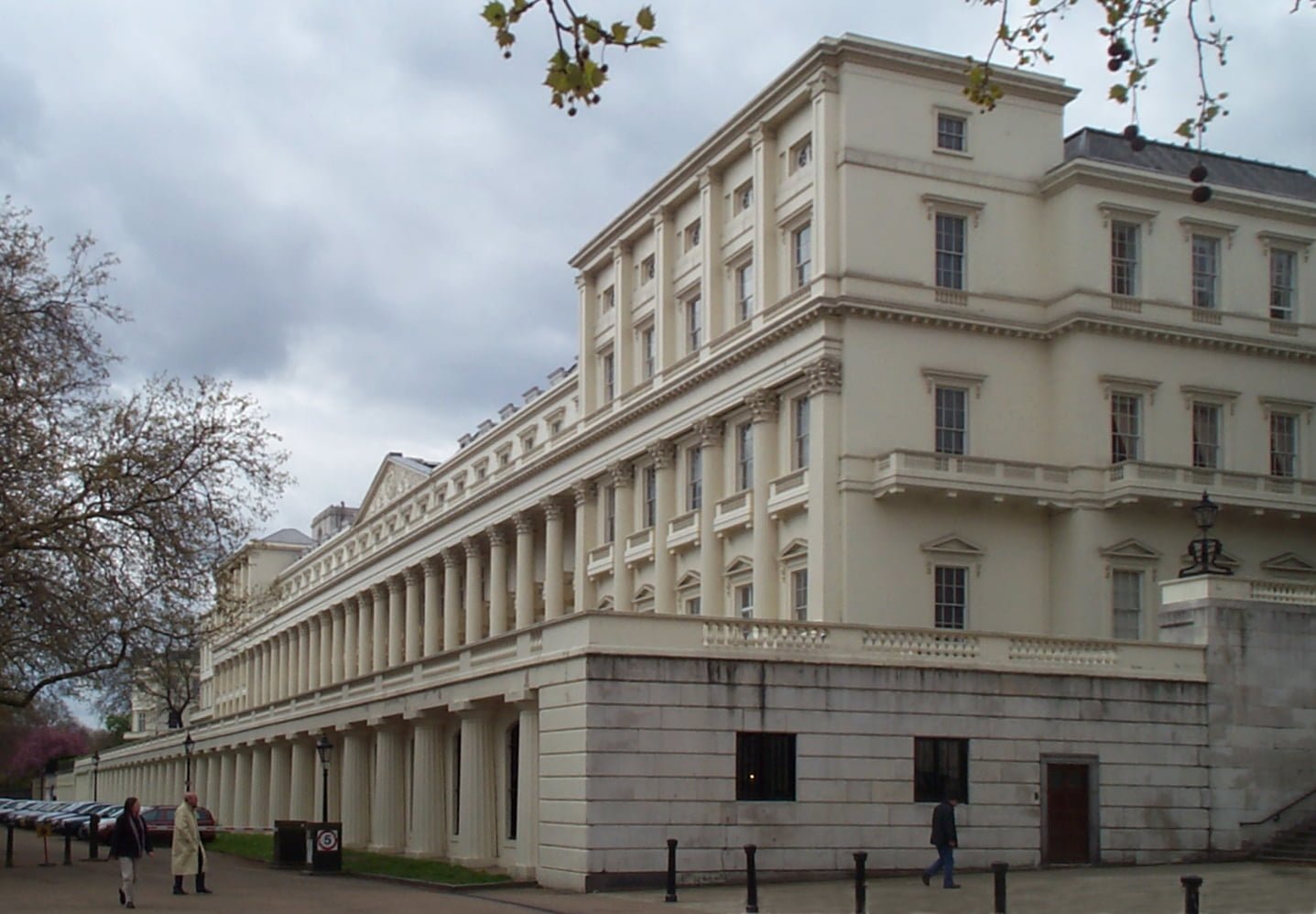
The Richard Sandbach Lodge of Research
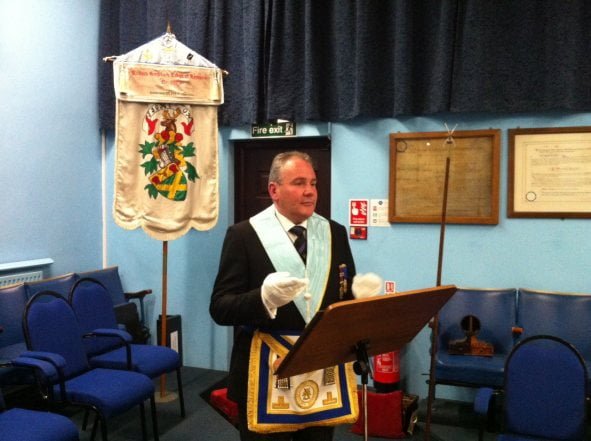
On Monday October 23rd, WBro Jonathon Hibbins was Installed as Worshipful Master of The Richard Sandbach Lodge of Research. In keeping with the tradition…
Kipling and the Craft
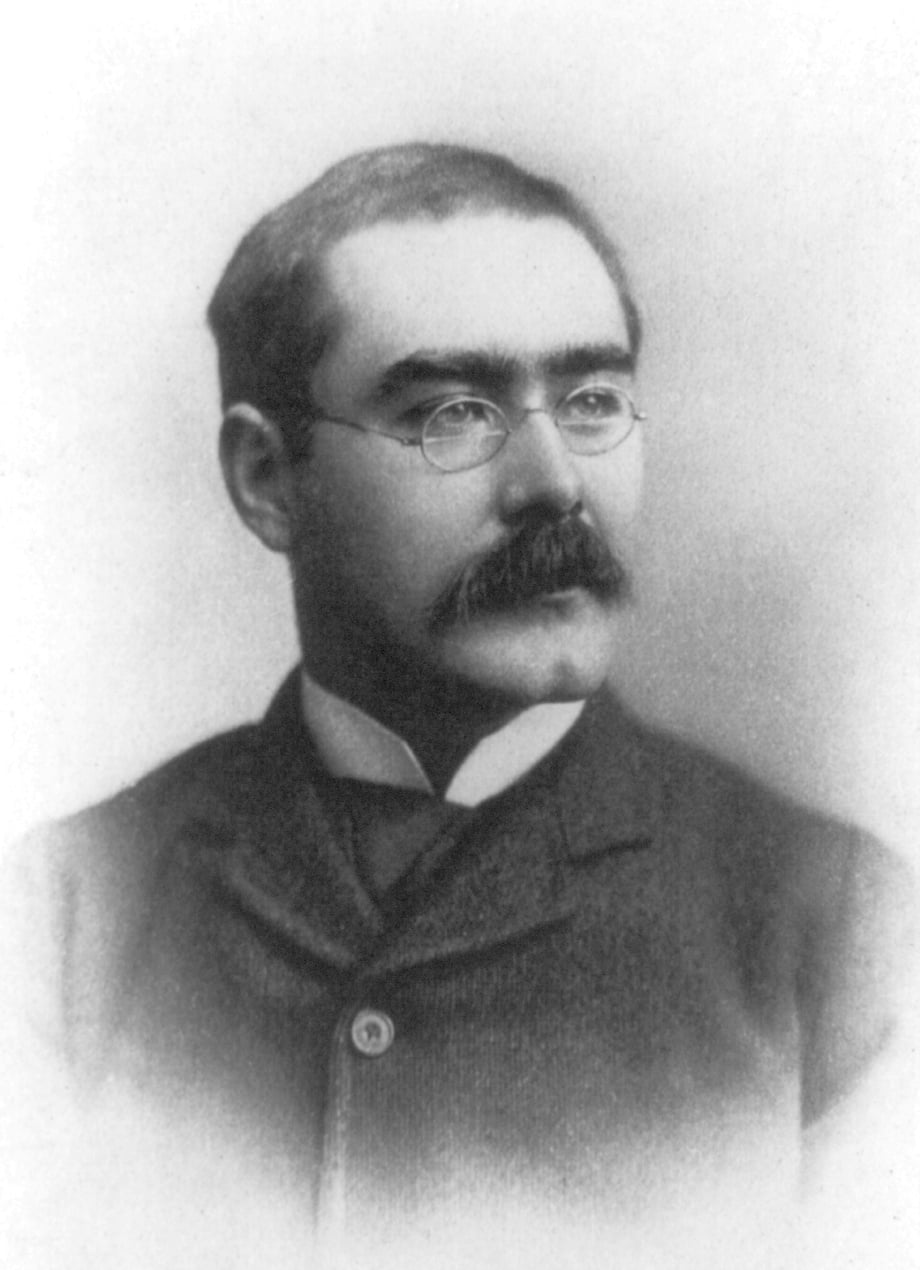
The need for this further essay was first made apparent to me when—in my capacity as Secretary of the Lodge and Editor of the Transactions—I began to receive inquiries from Brethren as far away as Vancouver and Singapore, asking for materials and information which might help them to complete their own papers on Kipling, and I found, to my surprise, that while our library contains a great deal of relevant material, there has never been a paper on Kipling in our Transactions.
Goose and Gridiron Ale House
Four lodges, which had been associated with re-building of St. Paul’s Cathedral, under the direction of Sir Christopher Wren met at the Goose and Gridiron Ale House, St Paul’s Churchyard, London in June 1717
Sir Robert Moray – The first recorded initiation in England
At Neucastell the 20 day off May, 1641. The quilk day ane serten nomber off Mester and others being lafule conveined, doeth admit Mr the Right Honerabell…
The ‘Invisible College’: Father of The Royal Society
The origins of The Royal Society lie in an ‘invisible college’ of natural philosophers who began meeting in the mid-1640s to discuss the new philosophy of promoting knowledge
The Moderns & The Antients
BY BRO. ARTHUR HEIRON Bro. Heiron is the author of Ancient Freemasonry and the Old Dundee Lodge, No. 18 [1722-1920], a most interesting account of lodge…
A Lecture on Various Rituals of Freemasonry by Rev George Oliver D.D

Delivered in the Witham Lodge, LincoIn, 1863, by THE REV. G. OLIVER, D.D. PAST D.P.G.M. FOR LINCOLNSHIRE;Honorary Member of numerous Lodges and Literary…
WAS ANDERSON RIGHT? WHO WAS HE?

A Review of James Anderson’s Report on the First Six Years of Organised Freemasonry by RW OSSIAN LANG, Grand Historian, 1932
FREEMASONRY AND THE CATHEDRAL BUILDERS
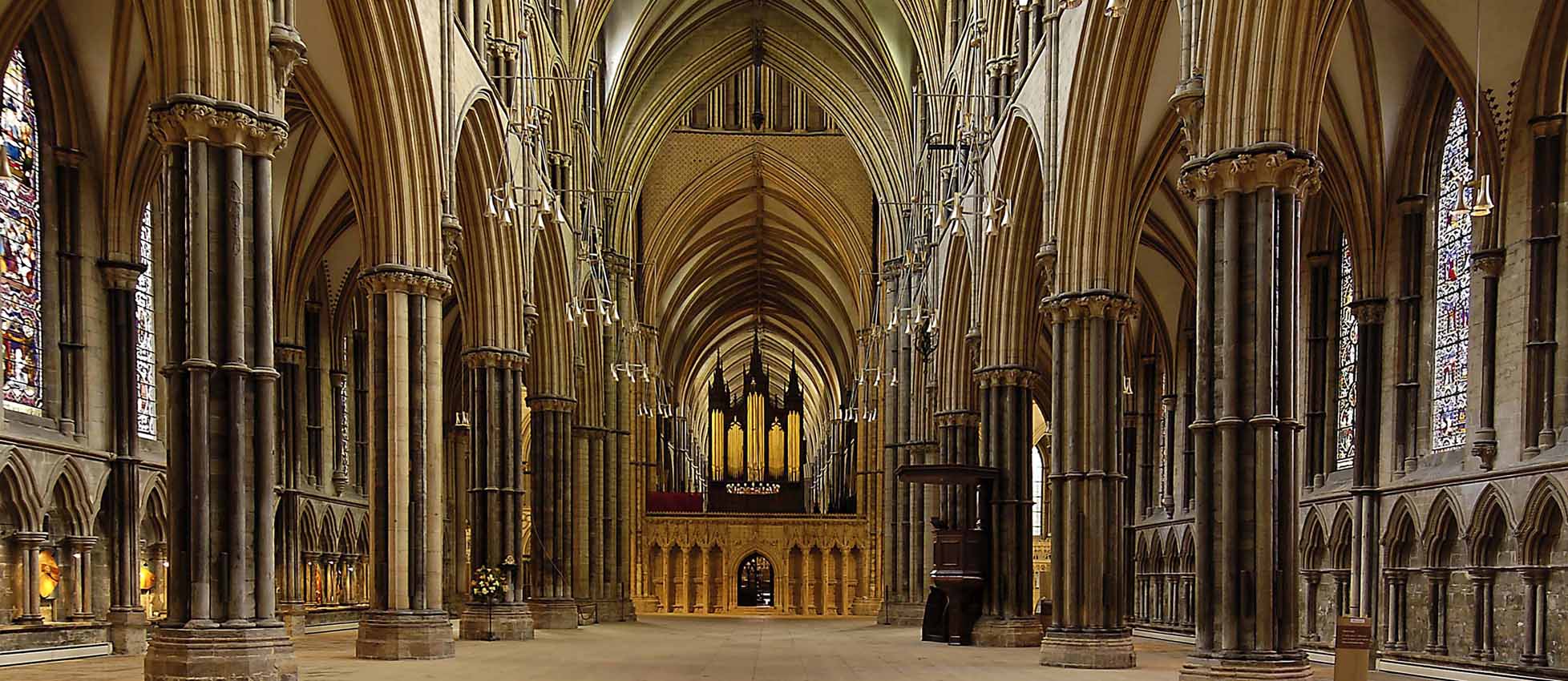
There has been a great deal of difference of opinion among the historians of architecture as to where and when Gothic began. English writers, who have a very natural desire to claim for their own land the glory of the discovery of the art, date it at 1100 A.D. or earlier, and find its first manifestations at Durham; whereas French writers almost unanimously hold that Gothic began first of all in the region round about Paris, in what was once called the Ile de France, and say that the Abbey Church of St. Denis, begun in 1140, is to be regarded as the first known Gothic monument. It appears that a majority of the more modern writers incline to agree with the French theory. Porter dates the new style as beginning in Paris about 1163, and says that it reached its culmination in the year 1220, with the nave of Amiens.