Emblematic Freemasonry – Building Guilds and Hermetic Schools
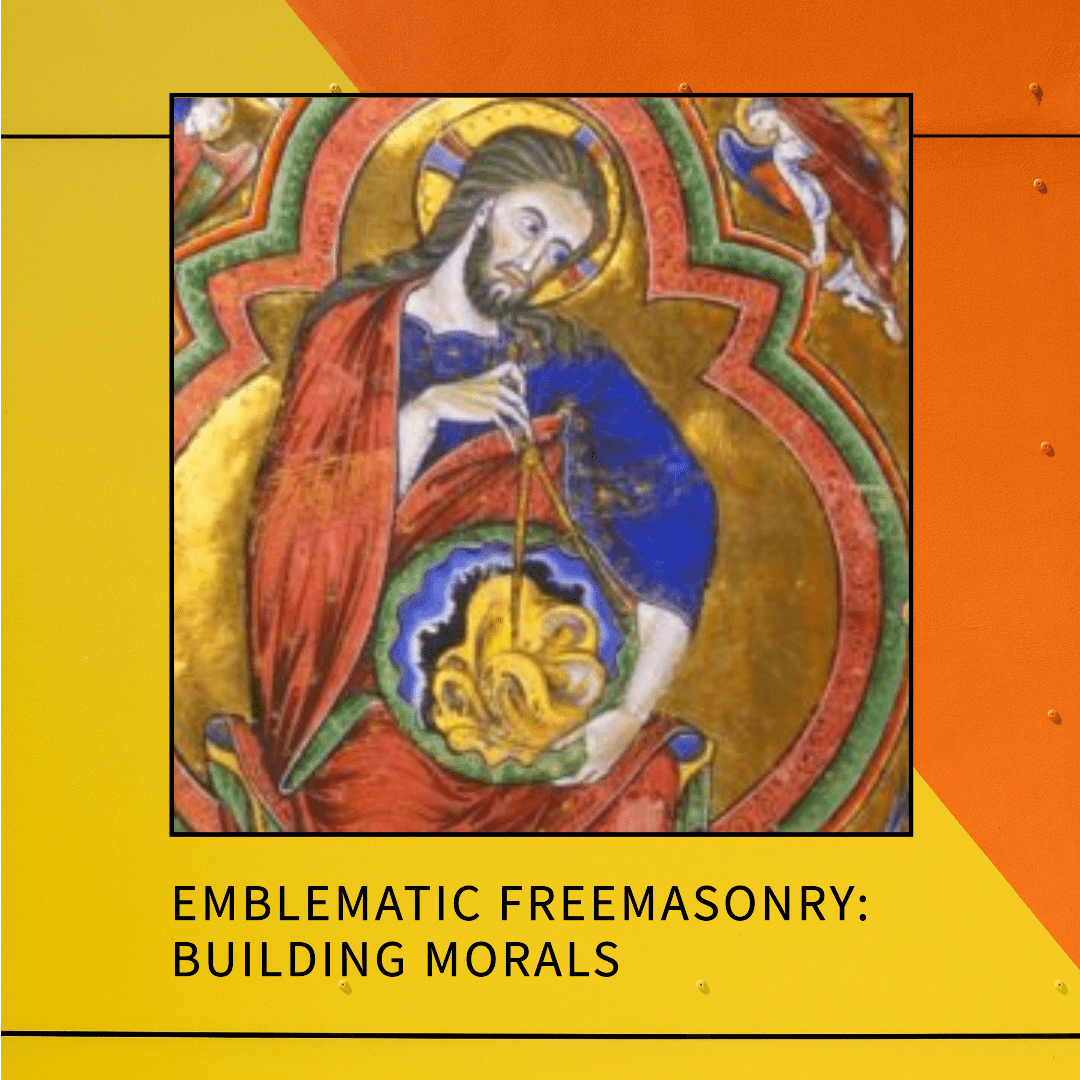
AS EMBLEMATIC FREEMASONRY is the Craft of Building moralized, it follows that intellectually, at least, our figurative and speculative art has arisen out of the Operative
Promoting the Fraternity across the World
AS EMBLEMATIC FREEMASONRY is the Craft of Building moralized, it follows that intellectually, at least, our figurative and speculative art has arisen out of the Operative
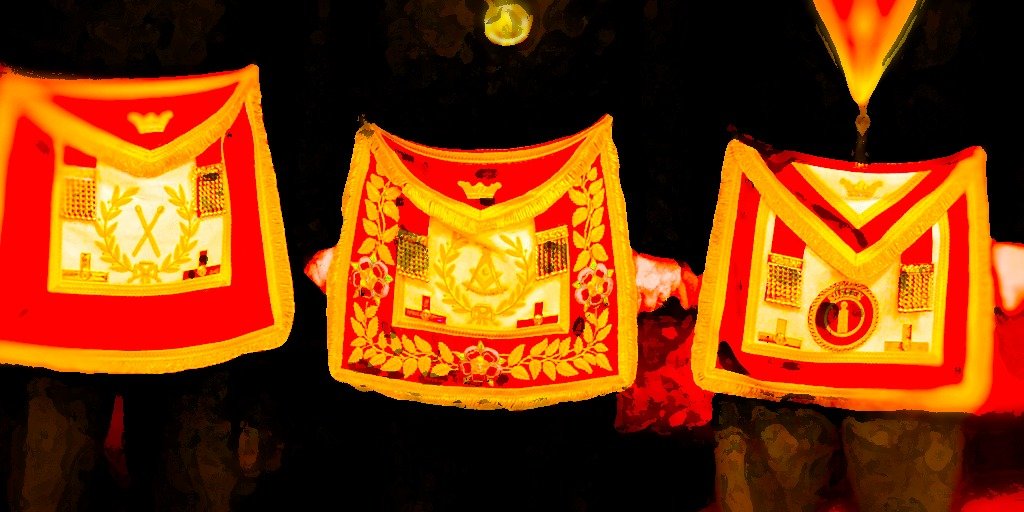
WHY IS IT THAT OUR Fraternity bears the name “Freemasonry” instead of “Masonry”? Why the “free” in it? Far back in the Middle Ages a freemason was the name of a builder who could design buildings as well as construct them. He was what we should now call an architect.
There is a universal Masonic requirement of belief in Deity, which is followed by all regular Grand Lodges of the world. As Entered Apprentices, receiving Light for the first time, Masons are cautioned that no Atheist may be made a Mason
THREE CHALLENGING SIMILARITIES:AN EXPLORATION OF MONASTIC AND MASONIC ORDERS by Bro. Karel Musch, Middelpunt Lodge 280, Grand East of The Netherlands
There is such an abundance of evidence in proof of the continuity of Freemasonry during the period selected, that it is only necessary to study the special records of the old Lodges, happily still preserved, the Rolls of the “Old Charges”, and especially the extant minutes of the Masons’ Company of London, to be assured that the Freemasons of the present day are the lineal descendants of the operative builders, who in the 17th century, and earlier, admitted speculative or non-professional members.
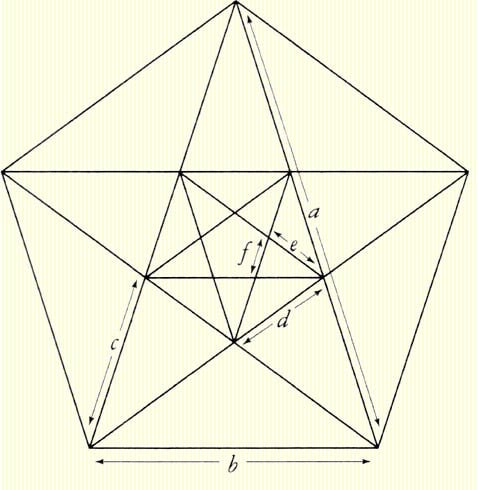
by Bro. H.L. HAYWOOD, Editor THE BUILDER The Builder Magazine, June 1924 – Volume X – Number 6 FREEMASONRY AND THE COMACINE MASTERS In a chapter on…
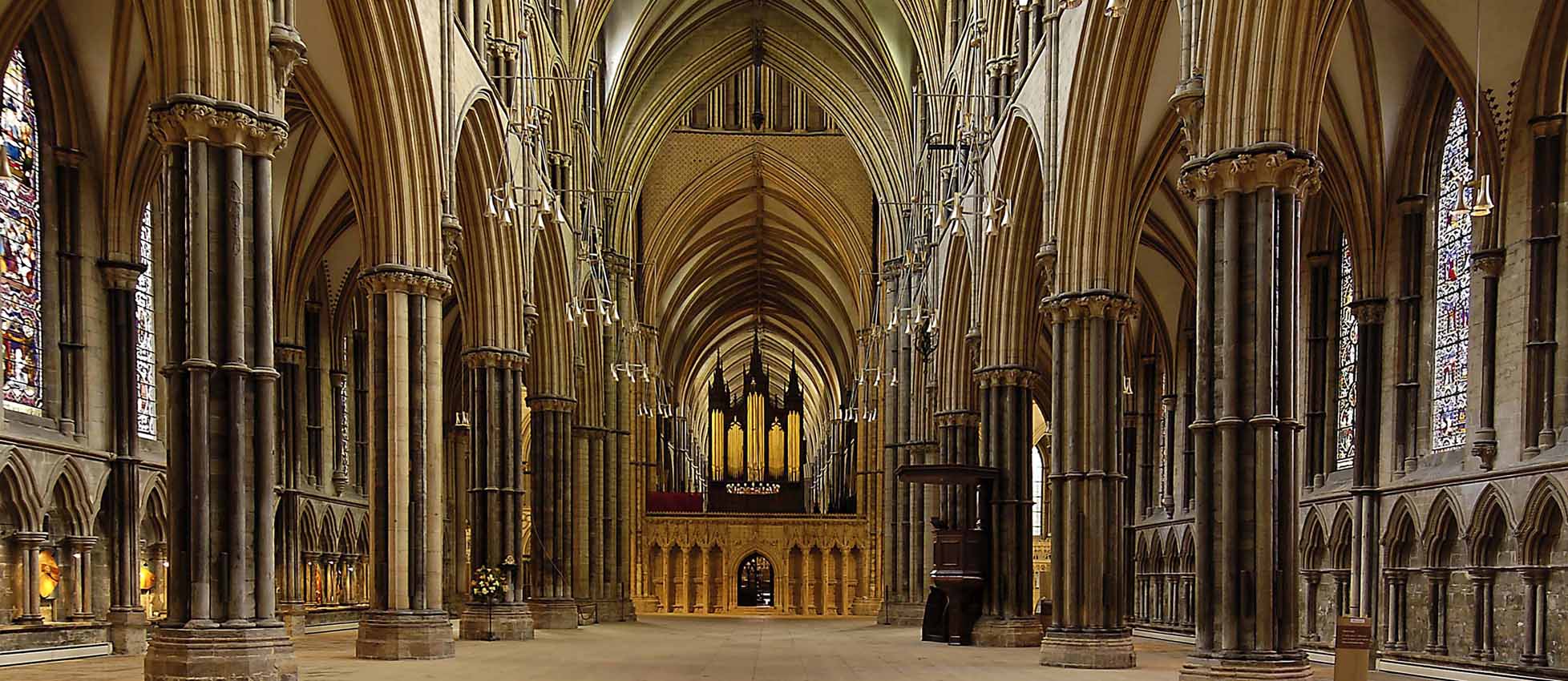
There has been a great deal of difference of opinion among the historians of architecture as to where and when Gothic began. English writers, who have a very natural desire to claim for their own land the glory of the discovery of the art, date it at 1100 A.D. or earlier, and find its first manifestations at Durham; whereas French writers almost unanimously hold that Gothic began first of all in the region round about Paris, in what was once called the Ile de France, and say that the Abbey Church of St. Denis, begun in 1140, is to be regarded as the first known Gothic monument. It appears that a majority of the more modern writers incline to agree with the French theory. Porter dates the new style as beginning in Paris about 1163, and says that it reached its culmination in the year 1220, with the nave of Amiens.
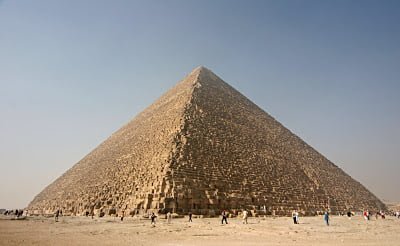
Freemasonry continues an initiatic tradition whose beginnings are lost in antiquity. This statement cannot be proven historically.Yet the more you study Masonic rites and its symbols, the more you become convinced that you are dealing with something ancient, maybe even primordial. It becomes clear that this tradition is much older than Masonrys institutional beginnings in 1717, older than the cathedral builders and medieval guilds, older even than King Solomons Temple or the Egyptian Pyramids.

by Bro. H.L. HAYWOOD, Editor THE BUILDER The Builder Magazine, June 1924 – Volume X – Number 6 FREEMASONRY AND THE ROMAN COLLEGIA THE ORIGIN OF…