The Influence of Kings on Craft Freemasonry
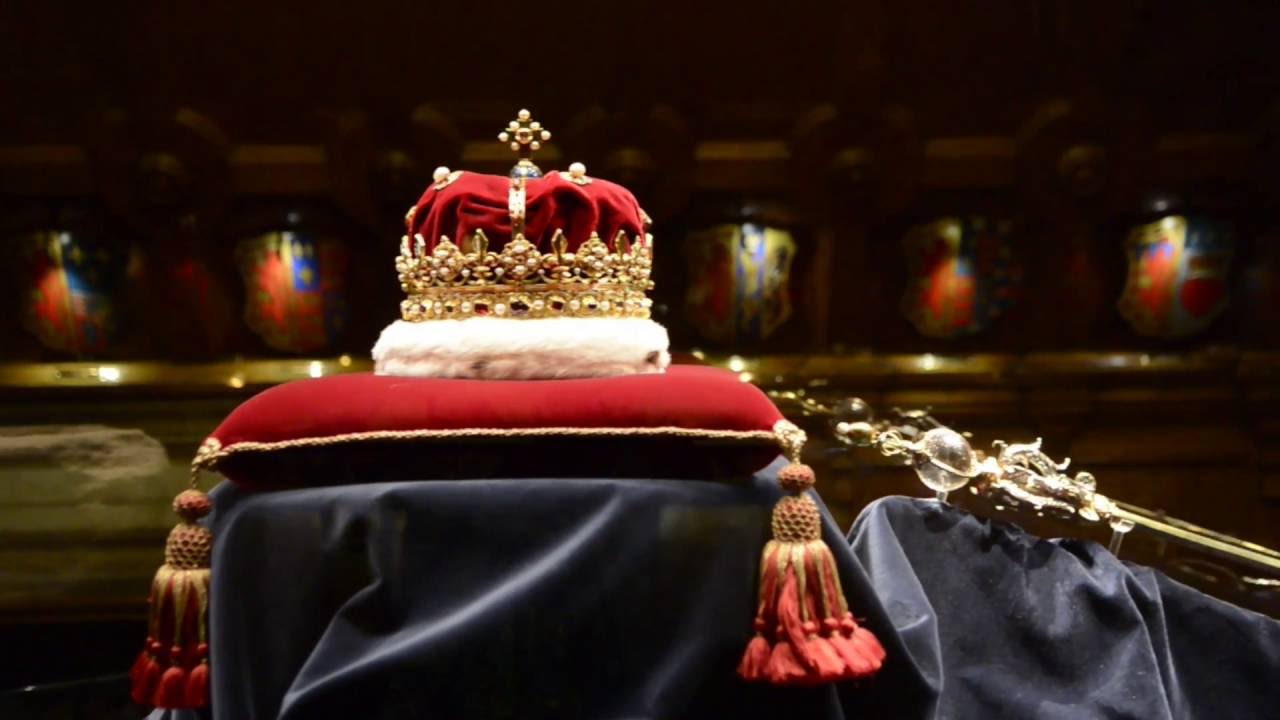
‘From time immemorial’ we have been very fortunate in that our Craft has had the support of Royalty. Without that support I doubt that we would be in…
Promoting the Fraternity across the World
‘From time immemorial’ we have been very fortunate in that our Craft has had the support of Royalty. Without that support I doubt that we would be in…
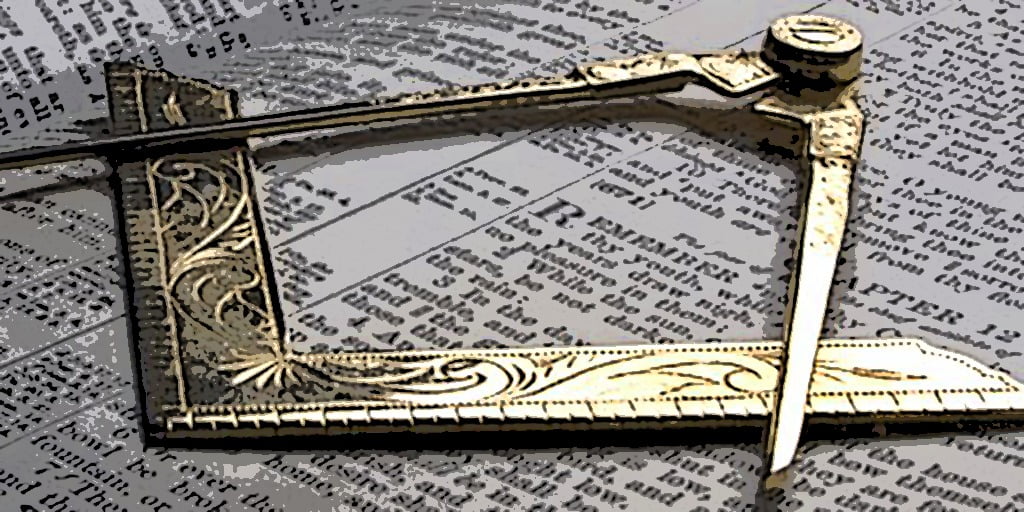
As a French citizen who was successively a member of the Grand Orient of France – ‘that irregular body’ –, then of the Grande Loge Nationale Française – a regular one –, then of the United Grand Lodges of Germany and, for the past ten years, of the Swiss Grand Lodge Alpina, Alan presents his approach to Masonic history
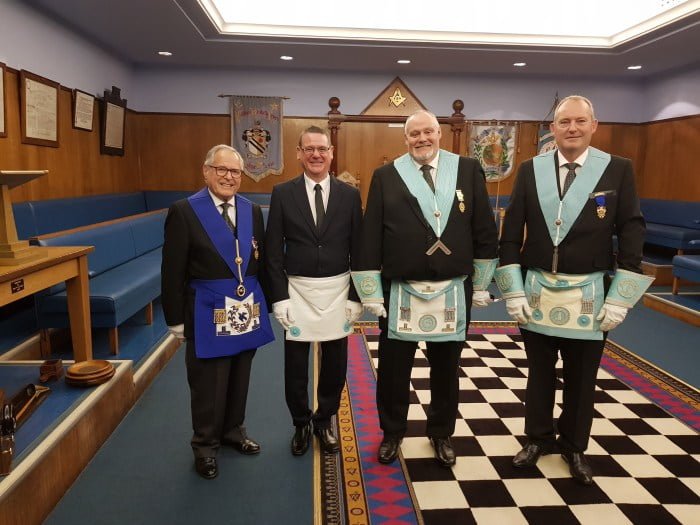
Stanlow Lodge has conduncted 2 second degrees in the past two months, during September Brother Stephen Case was successfully raised to the second degree,…
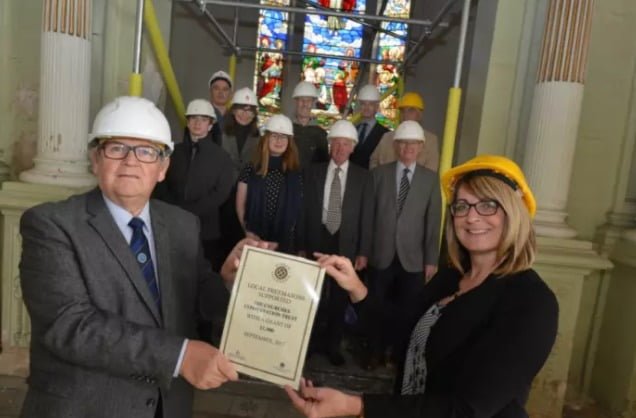
Window’s £50k restoration campaign given a canny start with donation
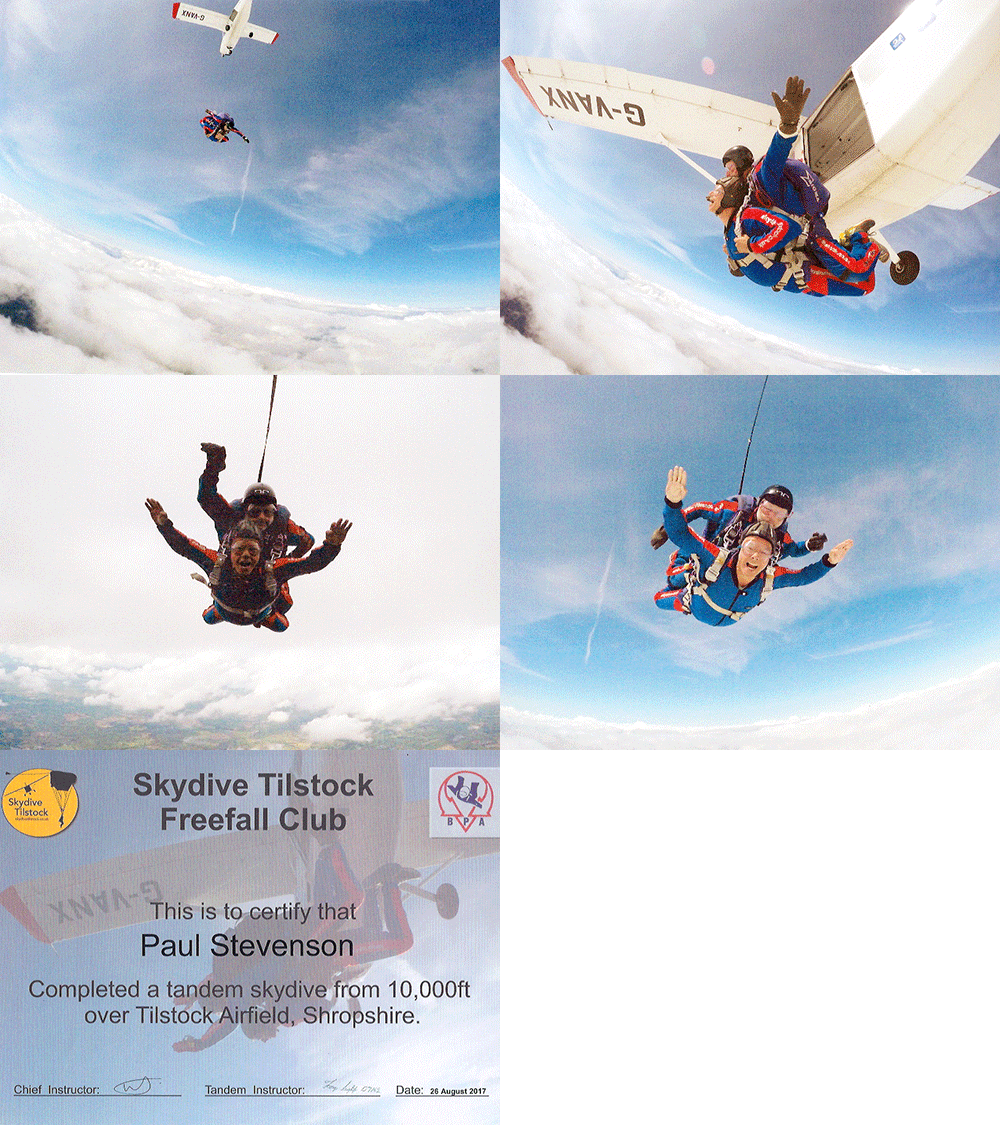
On Saturday 26th August 2017, W Bro Paul R Stevenson, a Member of Hilbre Lodge No: 2375, presently an Acting Provincial Standard Bearer, has just…
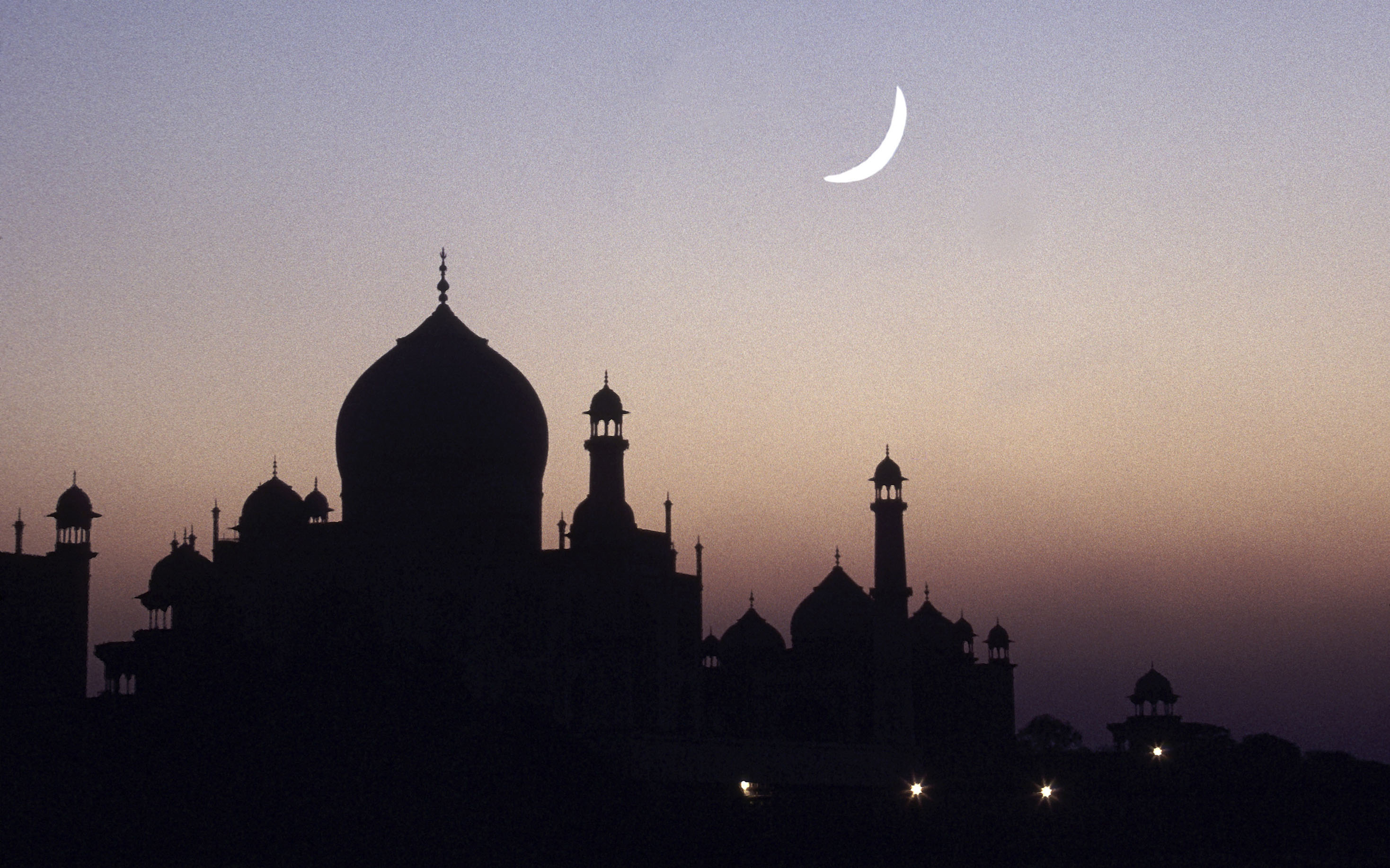
Freemasonry may even be considered complementary to Islam as its principles only go to reinforce a Muslim brother’s own faith; contrary to the misconceptions widely held among my Muslim brethren from various sects. The distrust perhaps arises from the fact that masonic symbols are derived from segments of the Old Testament such as the Temple of King Solomon
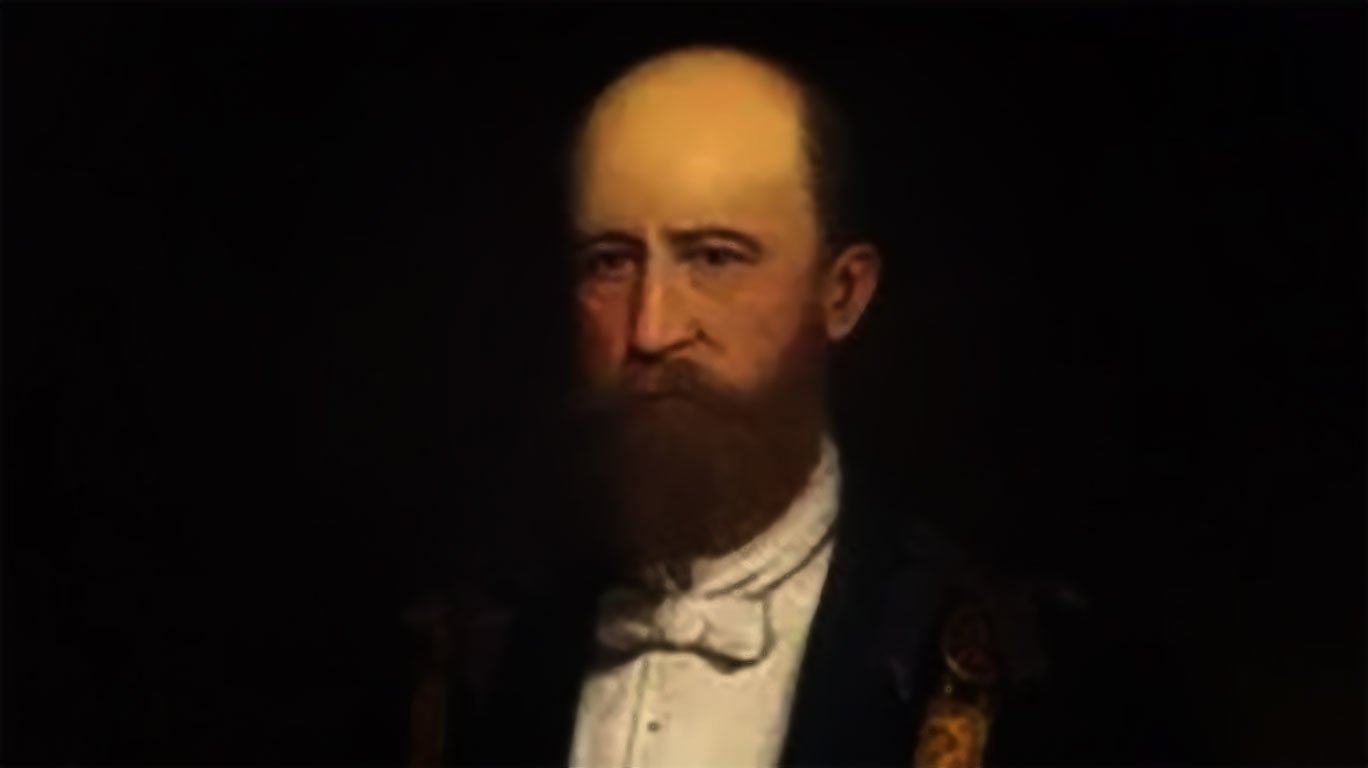
The foundation stone of the Freemasons Hall in Melbourne was laid by him in March 1885, the finished building being consecrated by him to Masonic purposes in March 1887. In 1889 he became the very first Most Worshipful Grand Master of the United Grand Lodge of Victoria, an amalgamation of the three bodies that had operated at that time under their own constitutions. In 1885 he had largely financed the building of the Freemasons’ Hall at 25 Collins Street.
We would offer as a starting point a commonly held view that the arrangements with major impact on human existence are those of the state, family and market with a fourth “civil society” being the totality of other institutions. These groupings are not fixed. Rather, they should be understood as tectonic plates vitalised by human energy, continuously shaping and forming themselves, and similarly reshaping and re-forming each other.It is to “civil society” that we must turn to find Freemasonry
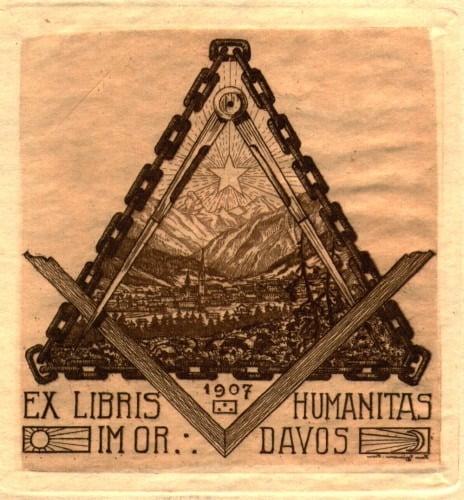
A Collection of Masonic Bookplates or Ex-Libris by Brother Jens Rusch
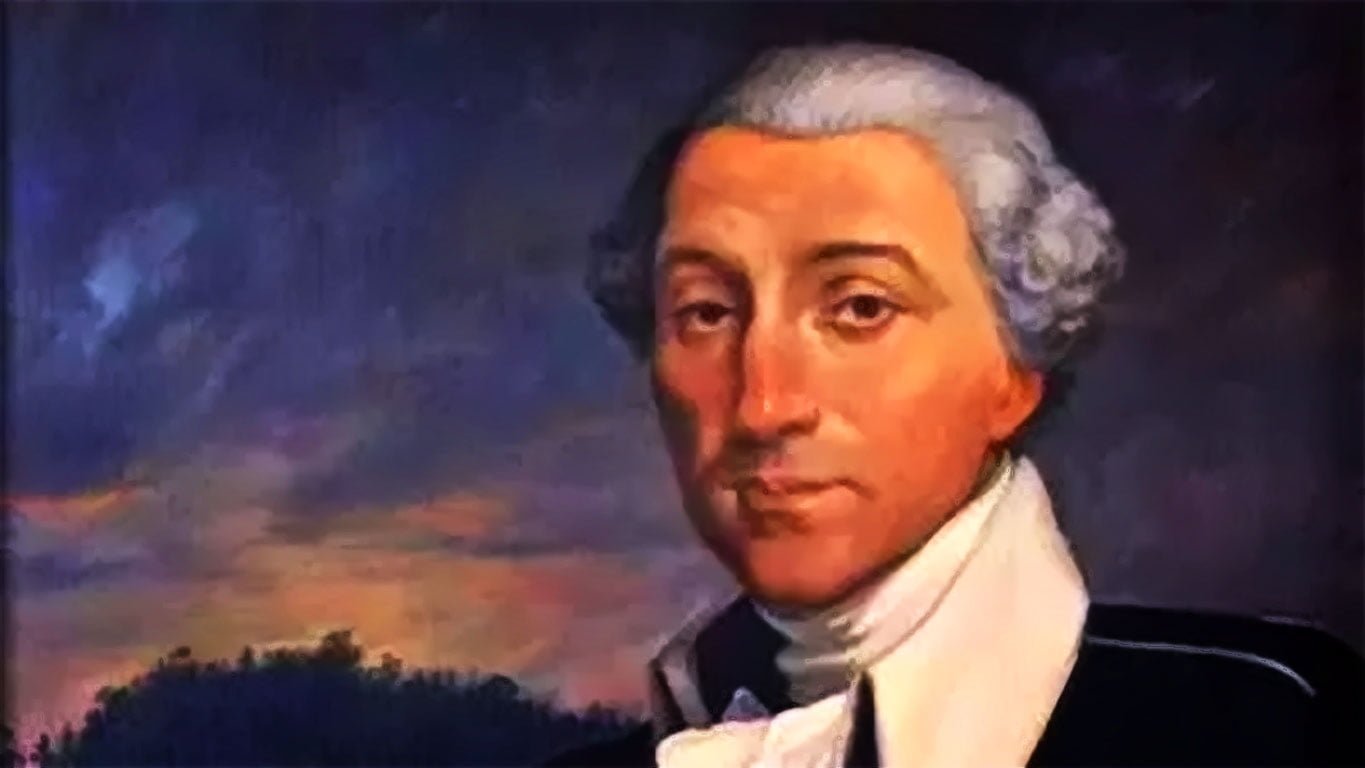
French-born American architect and civil engineer, Pierre Charles L’Enfant established a successful and highly profitable civil engineering firm in New York City and is best known for designing the original layout of the streets of Washington, D.C. in 1791.