Report of the Board of General Purposes – 8 June 2016
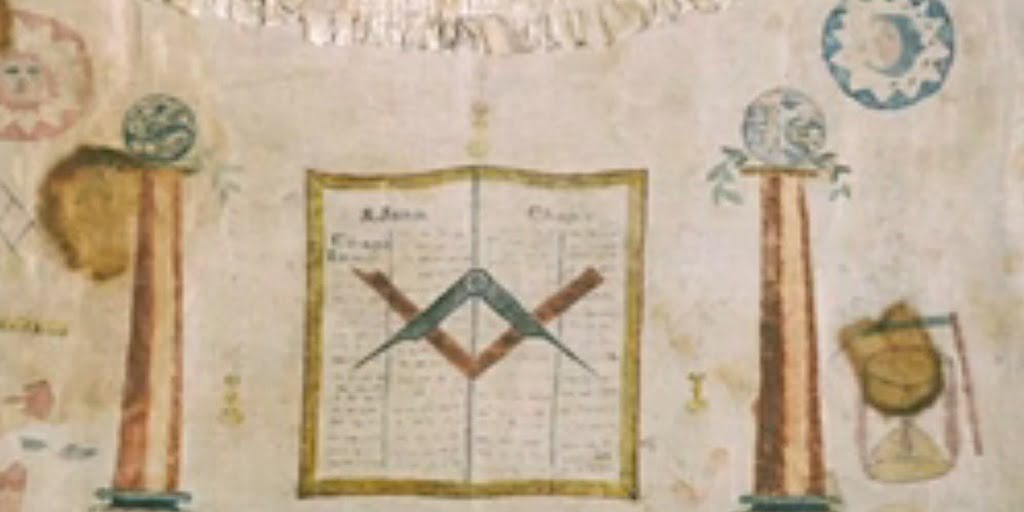
Quarterly Communication of Grand Lodge 8 June 2016 Report of the Board of General Purposes Minutes The Minutes of the Quarterly Communication of 9…
Promoting the Fraternity across the World
Quarterly Communication of Grand Lodge 8 June 2016 Report of the Board of General Purposes Minutes The Minutes of the Quarterly Communication of 9…
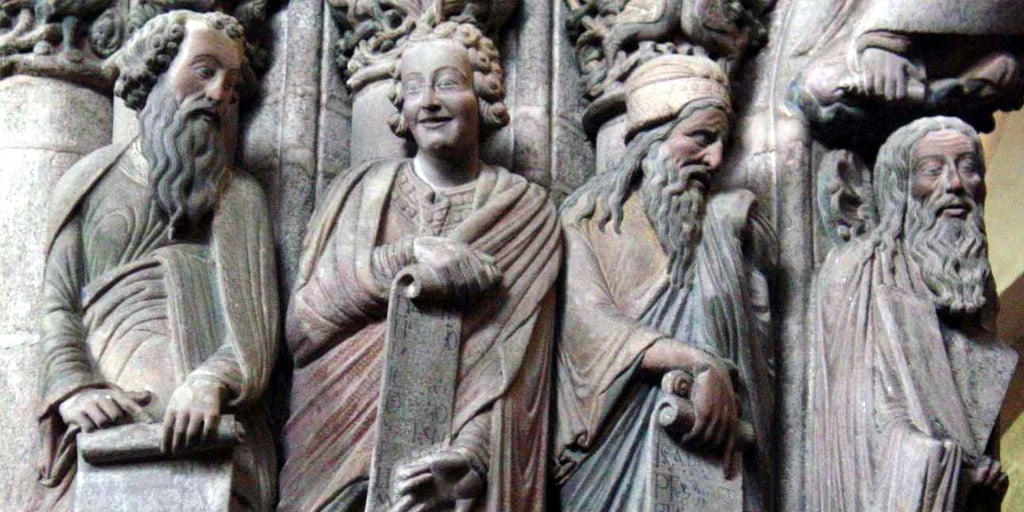
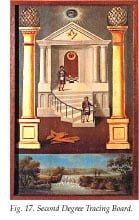
Some thoughts on the history of the Tracing Boards Presented at the Vancouver Grand Masonic Day, October 16, 1999 by Bro. Mark S. Dwor, Centennial-King…
BY BRO. ARTHUR HEIRON Bro. Heiron is the author of Ancient Freemasonry and the Old Dundee Lodge, No. 18 [1722-1920], a most interesting account of lodge…
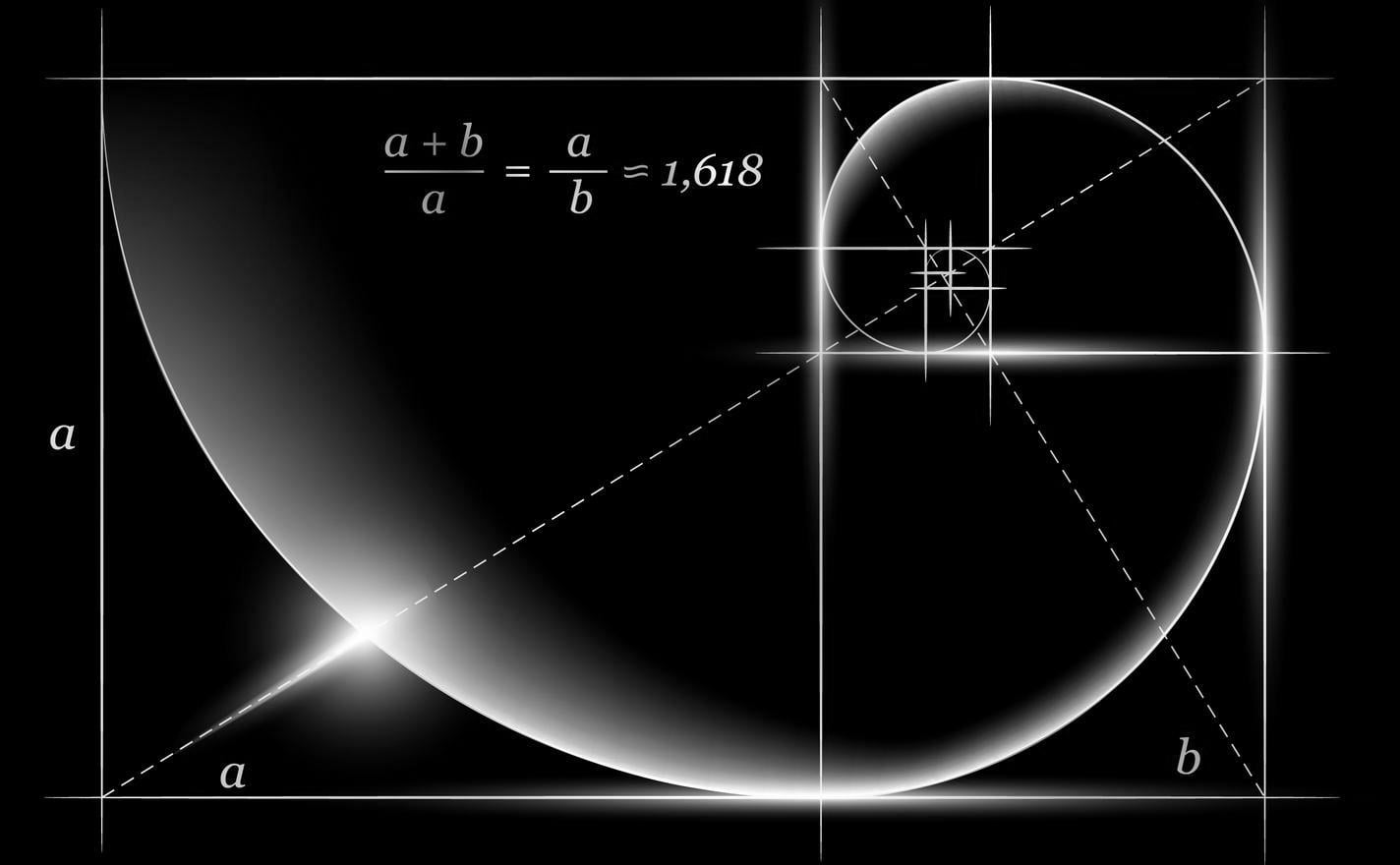
Containing more real food for thought, and impressing on the receptive mind a greater truth than any other of the emblems in the lecture of the Sublime Degree, the 47th problem of Euclid generally gets less attention, and certainly less than all the rest. Just why this grand exception should receive so little explanation in our lecture; just how it has happened, that, although the Fellowcrafts degree makes so much of Geometry, Geometrys right hand should be so cavalierly treated, is not for the present inquiry to settle

Delivered in the Witham Lodge, LincoIn, 1863, by THE REV. G. OLIVER, D.D. PAST D.P.G.M. FOR LINCOLNSHIRE;Honorary Member of numerous Lodges and Literary…
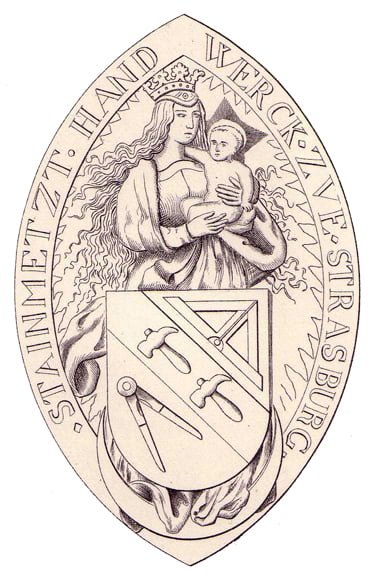
A Historical Tenet of Freemasonry By BRO. GILBERT W. DAYNES, England TODAY, Freemasons, in almost every Grand Lodge, recognize that an abiding belief in…

A Review of James Anderson’s Report on the First Six Years of Organised Freemasonry by RW OSSIAN LANG, Grand Historian, 1932
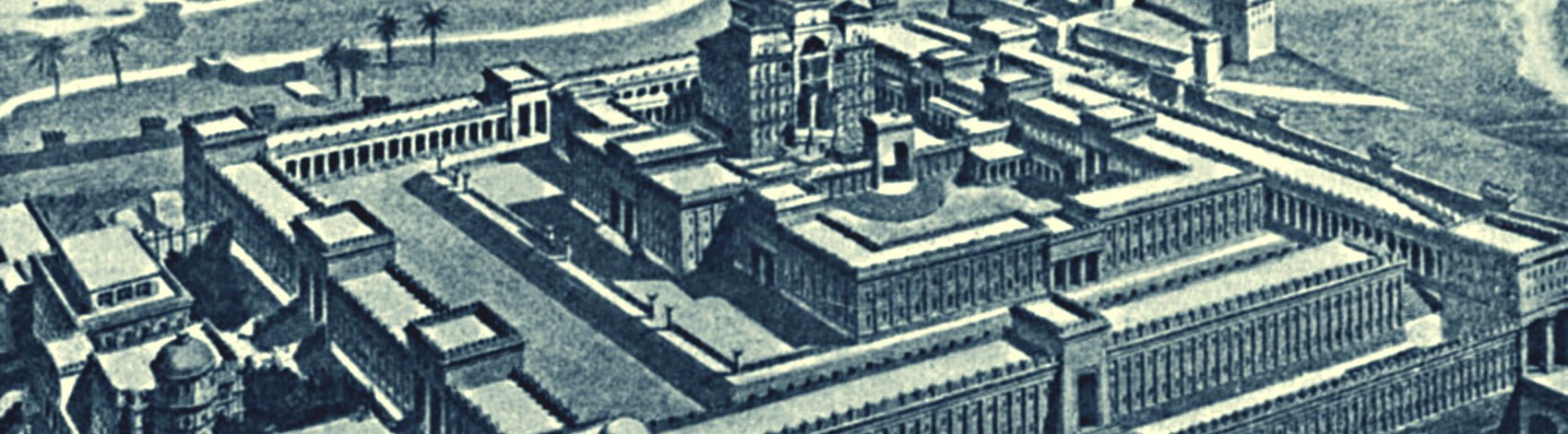
by Bro. H.L. HAYWOOD, Editor THE BUILDER The Builder Magazine, June 1924 – Volume X – Number 6 THE OLD CHARGES OF FREEMASONRY I. WHAT THE OLD…
SHORT TALK BULLETIN – Vol.XI January, 1933 No.1 by: Unknown The tenderest of Masonic affections cling around this phrase; men away from home have a…
The origins of masonic ceremonies are fully discussed by Knoop and Jones in Chapter X of The Genesis of Freemasonry. The authors deduce the origins of eighteenth-century Masonic ceremonies from two main sources. Firstly, the Invocation; the legend or “history” of the Craft; and the Masons’ regulations, as commonly contained in the Ms. Constitutions of Masonry, these being the respective prototypes of the Opening Prayer, the Traditional History, and the Charges of later Masonic ritual