Ars Quatuor Coronatorum
The Old Charges Revisited
Since 1717, this has been a subject of passionate concern to almost every Freemason. There remain a mass of competing views and theories, and this question has dominated research into Freemasonry.
Alain Bernheim: My Approach to Masonic History
As a French citizen who was successively a member of the Grand Orient of France – ‘that irregular body’ –, then of the Grande Loge Nationale Française – a regular one –, then of the United Grand Lodges of Germany and, for the past ten years, of the Swiss Grand Lodge Alpina, Alan presents his approach to Masonic history
Can a Catholic become a Freemason?
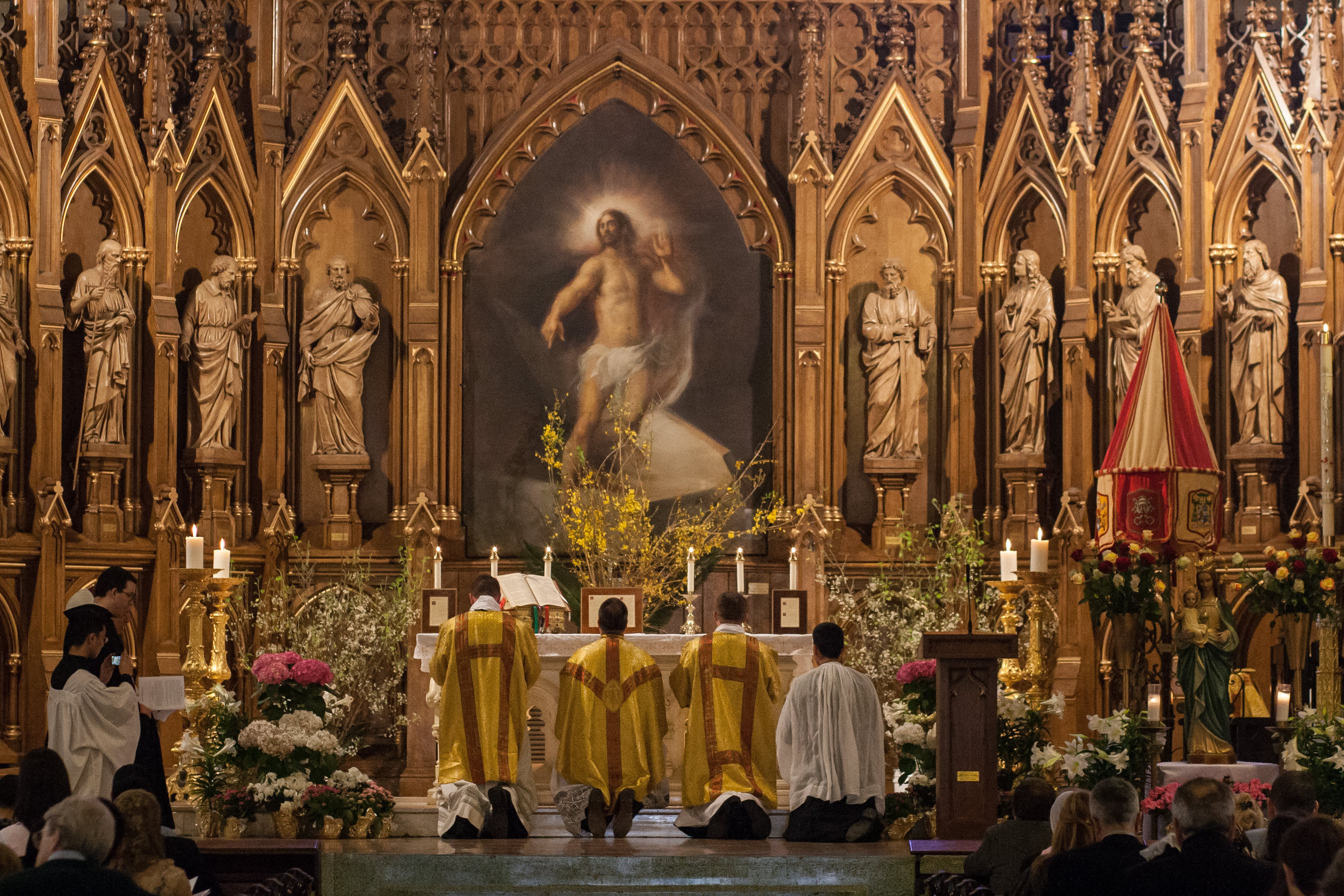
A Catholic may join regular Freemasonry but ought to consult his Bishop, through his parish priest, not for permission to join but to ascertain the nature of the jurisdiction concerned. (Regular or Irregular)
The Gloves
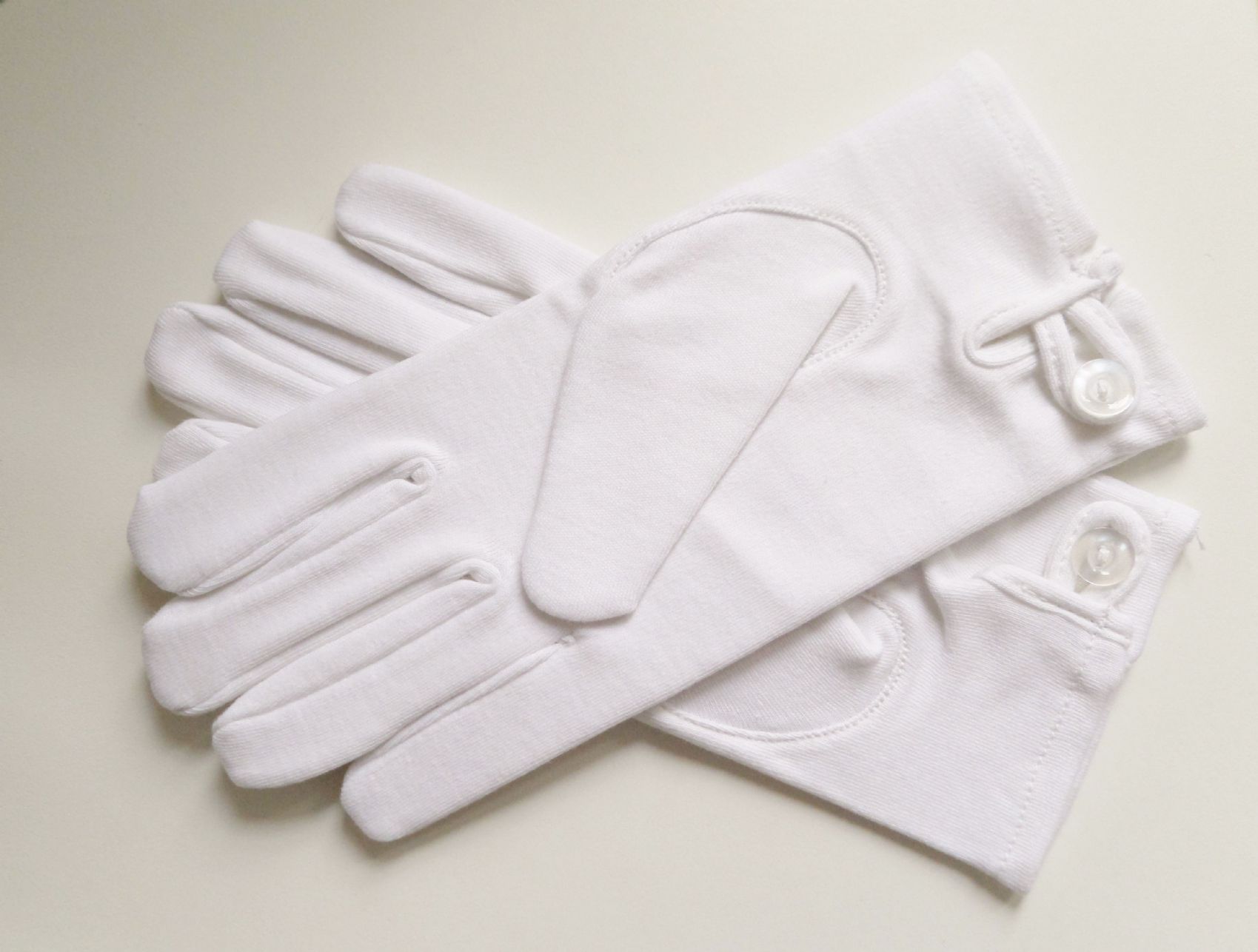
Apart from their practical uses to protect the hands from cold and injury, gloves have symbolic connotations. The old illustrations of operative masons at work do not show them wearing gloves. Their use, then, must have been mostly ceremonial, and their adoption in speculative Freemasonic ritual must be explained by their symbolism. The Italian writer Vanni considers that the origin of the symbolism lies not in their use by certain craftsmen or as protection against the cold, but rather in their military use.
The “Free” In Freemasonry
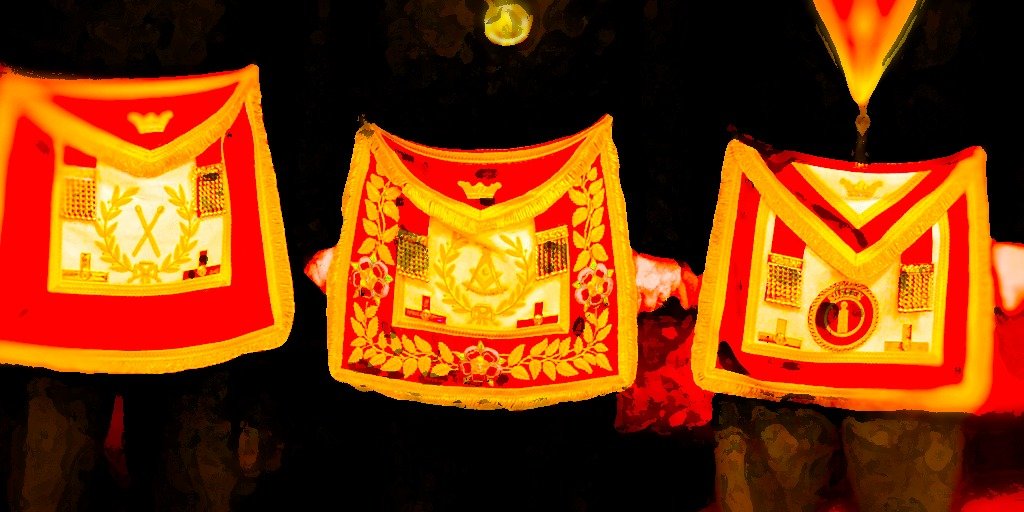
WHY IS IT THAT OUR Fraternity bears the name “Freemasonry” instead of “Masonry”? Why the “free” in it? Far back in the Middle Ages a freemason was the name of a builder who could design buildings as well as construct them. He was what we should now call an architect.
Masons’ Marks of Lodge “Operative” No. 140

MASON’s MARKS.—In some of the, earlier numbers of A.Q.C. and in those recently issued, contributions on “Masons’ marks” have been printed. On looking over the minute book of Lodge “Operative,” No. 140 S.C. (the history of which I wrote some months ago), there is a list of “The Mark Masters and their Marks,” dated 1776 et seq
An American Masonic Crisis
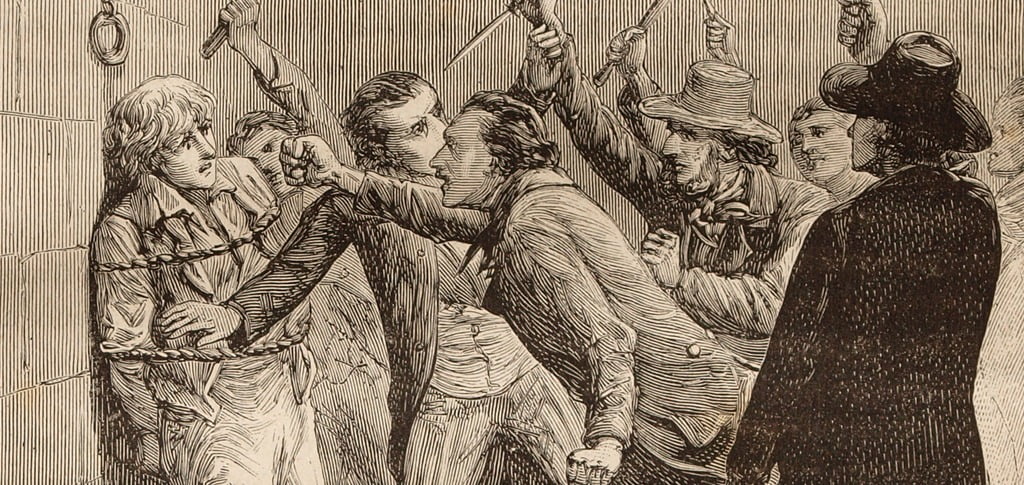
THE sombre side of history also serves its purpose, for it brings into sharp relief the high lights which would otherwise stand upon the horizon of past events without a distinguishing contrast. The story of Freemasonry is no exception, and is incomplete without a recital of the opposition directed against the institution by political and ecclesiastical adversaries
FREEMASONRY IN THE EARLY 1600 AND 1700
There is such an abundance of evidence in proof of the continuity of Freemasonry during the period selected, that it is only necessary to study the special records of the old Lodges, happily still preserved, the Rolls of the “Old Charges”, and especially the extant minutes of the Masons’ Company of London, to be assured that the Freemasons of the present day are the lineal descendants of the operative builders, who in the 17th century, and earlier, admitted speculative or non-professional members.