A Modern Examination of the Landmarks of Freemasonry
A Modern Examination of the Landmarks of Freemasonry

Few subjects in Masonic Jurisprudence generate more interest and debate than the Landmarks of Freemasonry. Every new Brother is charged to protect and preserve them, but there is much conflicting information about what the Landmarks of Masonry actually are. Considering that the proper observation of the Landmarks is a primary factor in the decision of whether a Grand Lodge is recognized or not and the preservation of them one of the most important considerations in making any Masonic policy, it is important that the Landmarks of the order be well understood.
The Early Artists of Grand Lodge

Andersonsc

In 2017, The United Grand Lodge of England appointed an Artist in Residence, the South African artist Jacques Viljoen, 28, who has a background in both classical painting and contemporary art. There have been many artists who have graced the annals of Freemasonry.

The Athole Family and Freemasonry

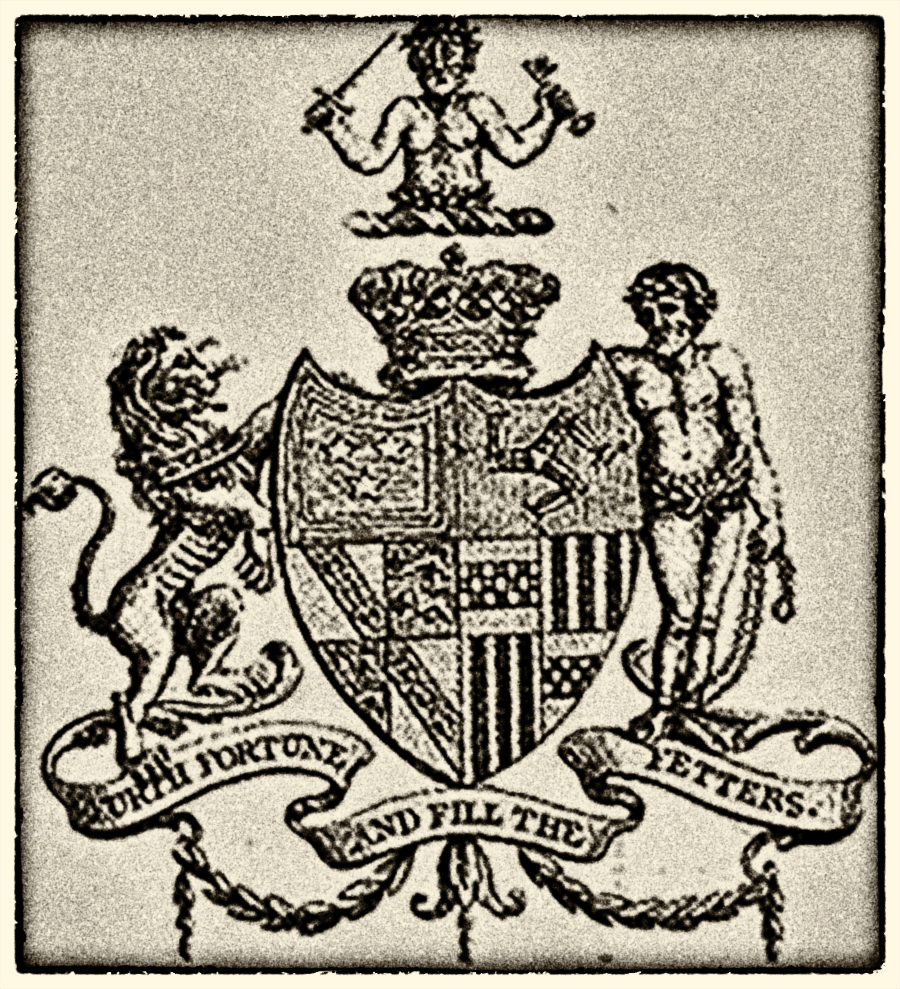
Duke of atholle

As the more energetic of the Grand Lodges, which formed the United Grand Lodge of England in 1813 was denominated the “Ancients” and the majority of the Lodges under its supervision were known as “Atholl” Lodges, it appeals to us that an article consisting of references thereto by many of the Masonic writers may not prove uninteresting.

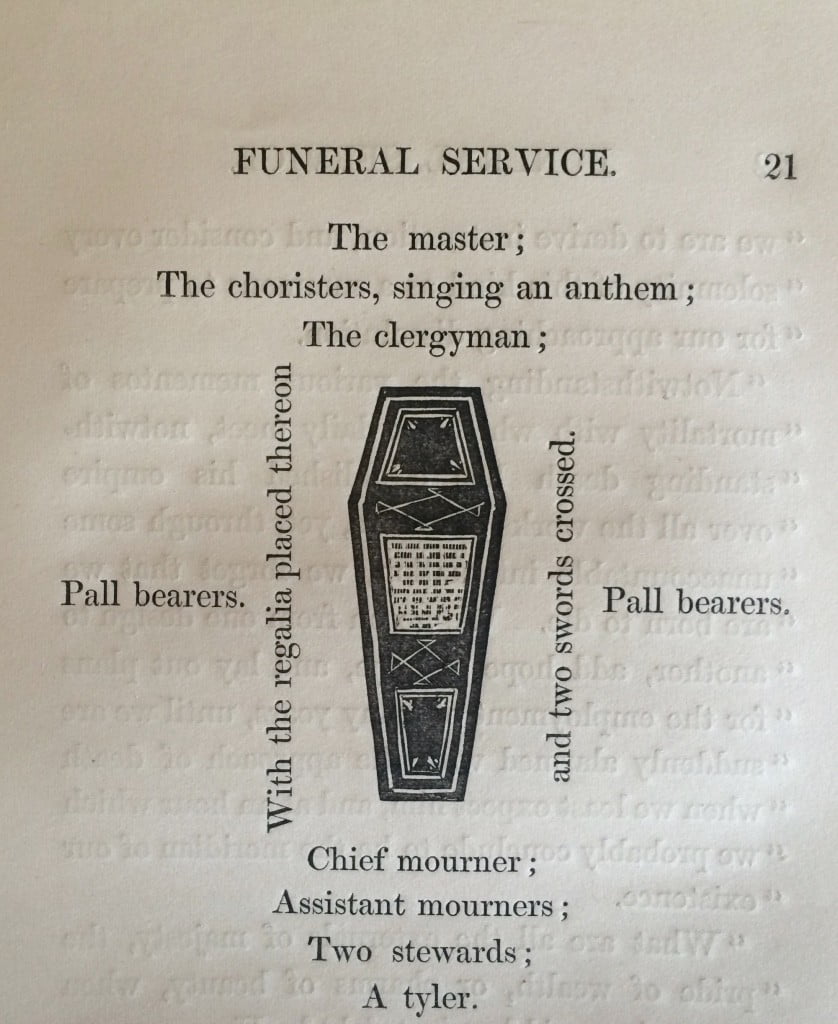
The Masonic Funeral Service as set out by The Grand Lodge of Ireland.

Thumb IMG 9682 1024 838x1024 9320f198de9a8b46a226f839ff442af69eb6fc48

Brethren, I have recently received a couple of Masonic enquiries from Irish Brethren wishing to learn about the form of The Masonic Funeral service, that used to be conducted under the auspices of The Grand Lodge of Ireland. Having now had a look into the background and history of the Funeral Service, I thought that it might be of interest to you all, to have some details on this important aspect of Irish tradition from our earliest days.

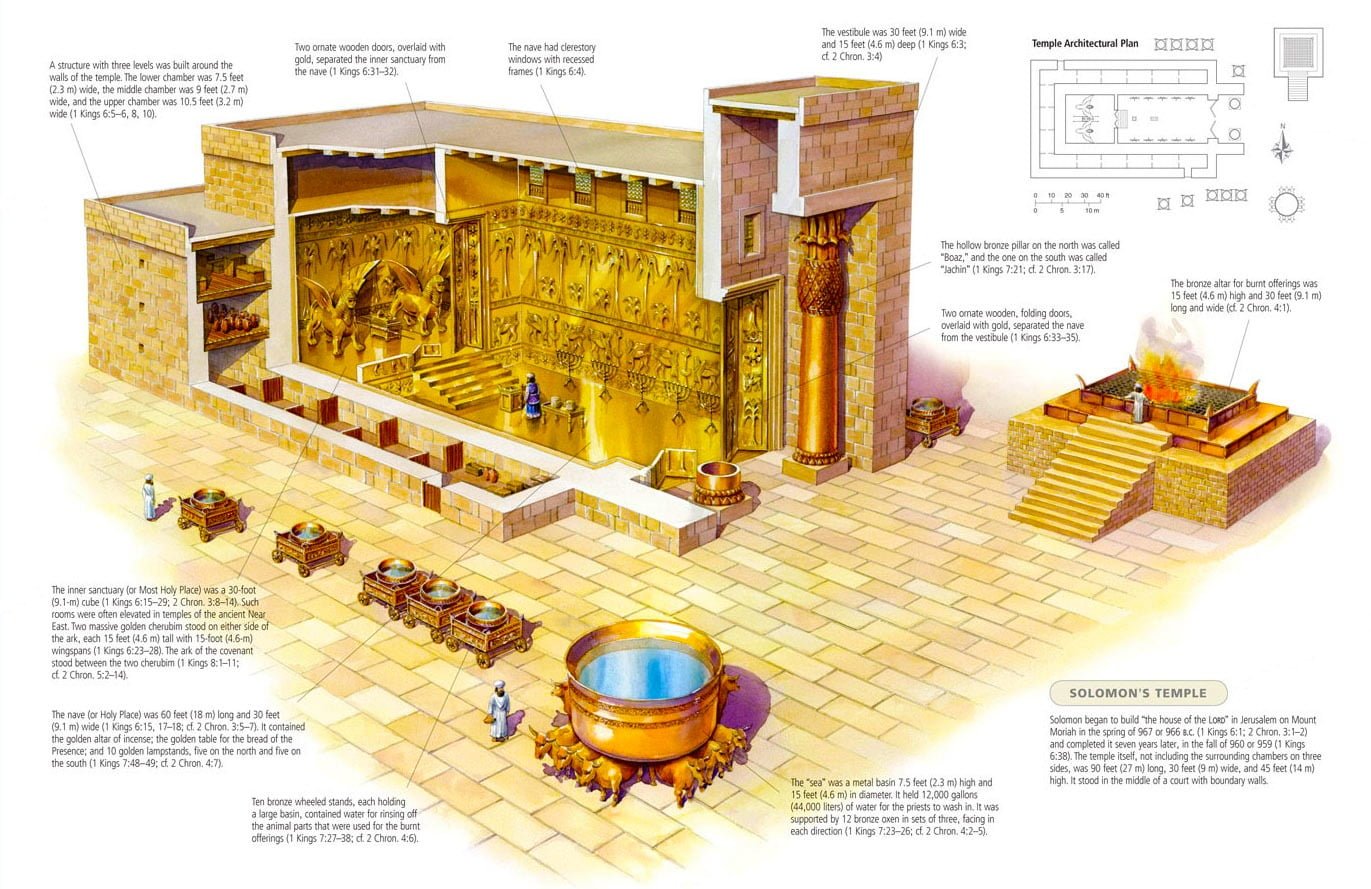
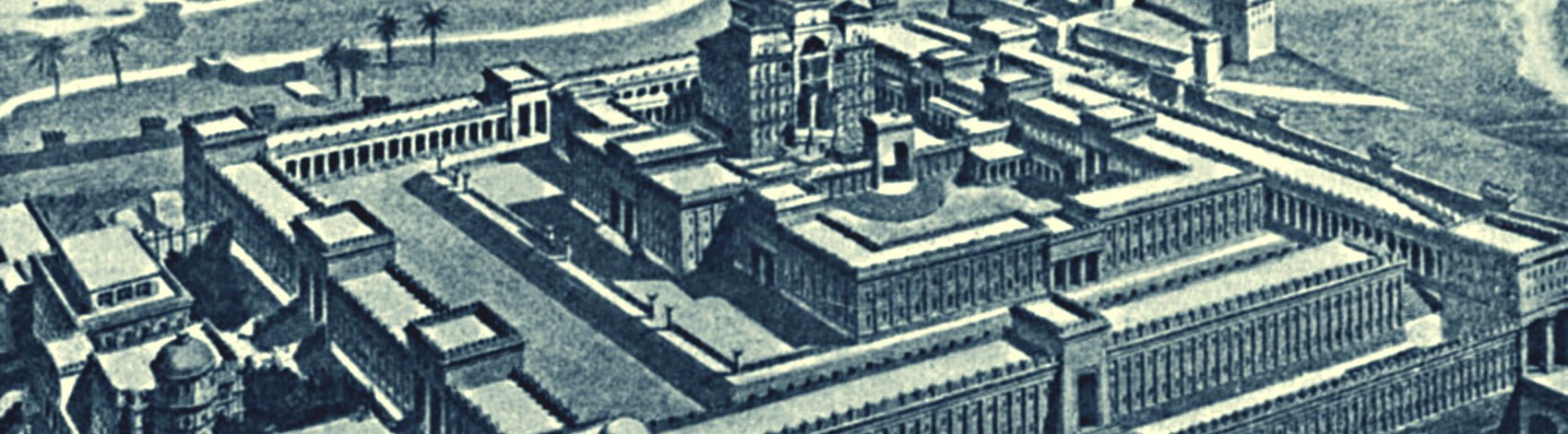
A model of King Solomon’s Temple

King Solomons Temple

T is not a little remarkable that the two cardinal epochs in English Freemasonry were associated with the appearance in London of Models of the Temple of Jerusalem. At the first epoch, that of the Revival of Freemasonry, the Model ascribed to Councillor Schott had arrived in London, and was on exhibition in 1723 and 1730

The Moderns & The Antients

The Moderns & The Antients

BY BRO. ARTHUR HEIRON Bro. Heiron is the author of Ancient Freemasonry and the Old Dundee Lodge, No. 18 [1722-1920], a most interesting account of lodge…

THE OLD CHARGES OF FREEMASONRY

39d6832b645156d7a61659c3bb6b3bcf

by Bro. H.L. HAYWOOD, Editor THE BUILDER The Builder Magazine, June 1924 – Volume X – Number 6 THE OLD CHARGES OF FREEMASONRY   I. WHAT THE OLD…

MOTHER LODGE

Home5

SHORT TALK BULLETIN – Vol.XI January, 1933 No.1 by: Unknown The tenderest of Masonic affections cling around this phrase; men away from home have a…

Origins of Masonic Ritual

Tradition

The origins of masonic ceremonies are fully discussed by Knoop and Jones in Chapter X of The Genesis of Freemasonry. The authors deduce the origins of eighteenth-century Masonic ceremonies from two main sources. Firstly, the Invocation; the legend or “history” of the Craft; and the Masons’ regulations, as commonly contained in the Ms. Constitutions of Masonry, these being the respective prototypes of the Opening Prayer, the Traditional History, and the Charges of later Masonic ritual