The Blazing Star

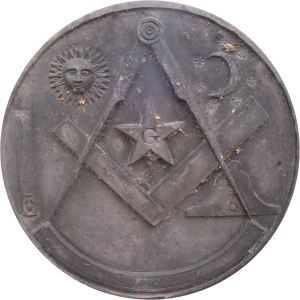
Blazing star e897a92bcef903116495f308a8fb2bd35c277f09

there has been very little agreement among our scholars either as to its (the letter ‘G’) origin or to its meaning. Usually, we can hit upon the manner in which a symbol was introduced into the Ritual by studying the records of the early eighteenth century in England, at which time and place the Ritual was cast in its modern form, but such a study cannot help us here because the eighteenth century Masons were themselves confused about the matter

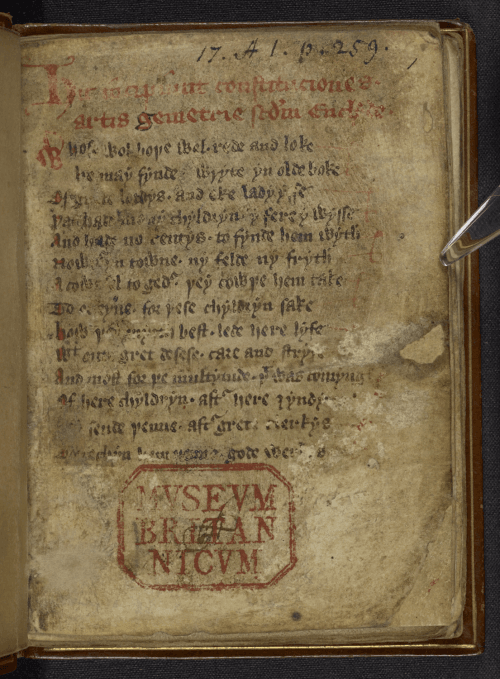
Masons and Manuscripts – Medieval manuscripts blog

342e0582d61b64d59bd61cf5f7cda66f

What do the masons who built medieval cathedrals, the philosopher Voltaire and the artist Marc Chagall have in common? Give yourself a pat on the back if you knew that they are all associated with freemasonry. The history of freemasonry is the subject of a major exhibition at the Bibliothèque nationale de France, open until 24 July 2016, to which the British Library has loaned two medieval manuscripts.

The Perfect Points of Entrance

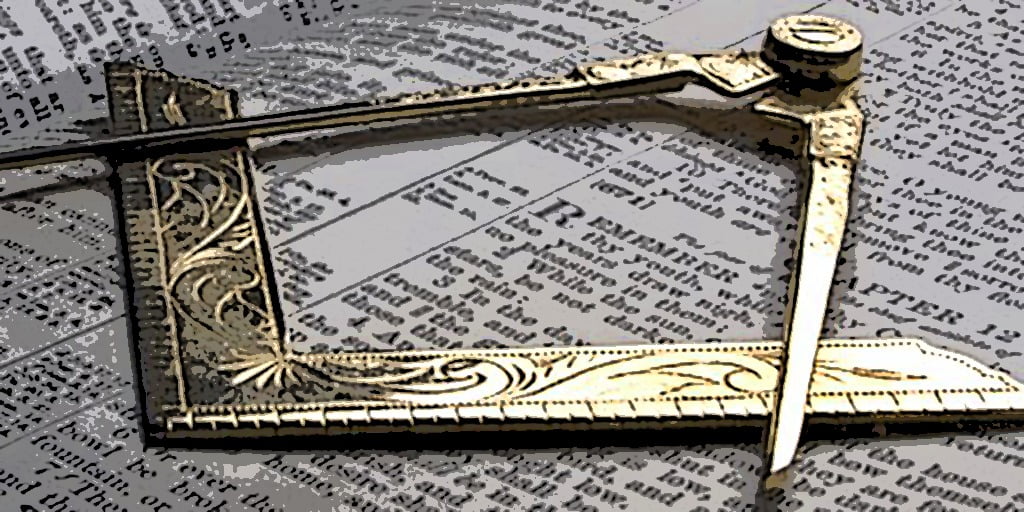
Square and Compasses

In modern day Freemasonry clear reference is made to the perfect points of reference in the rituals in the United States of America: “Were I to ask you how I should know you to be a Mason, your answer should be: “By certain signs, a token, a word, and the points of my entrance.” The signs, token, and word have already been explained to you at the Altar

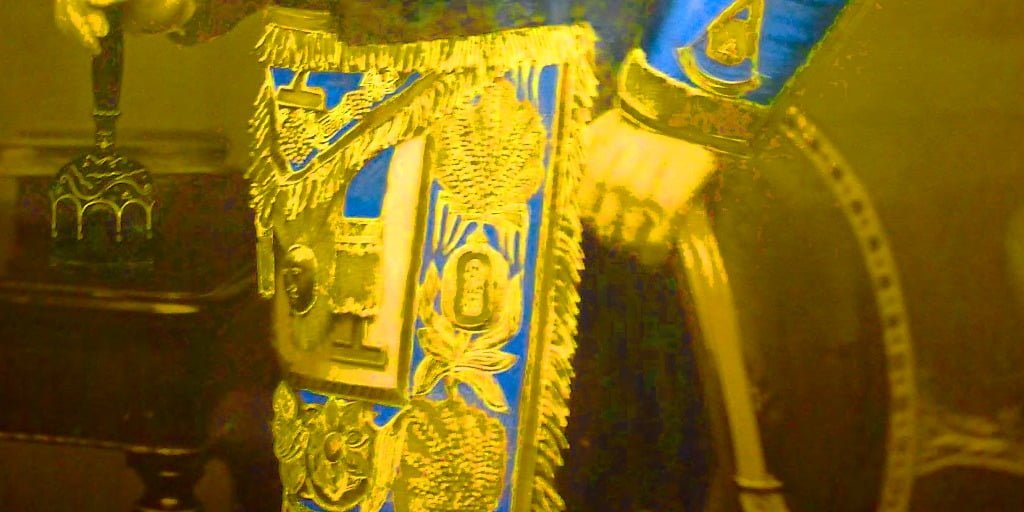
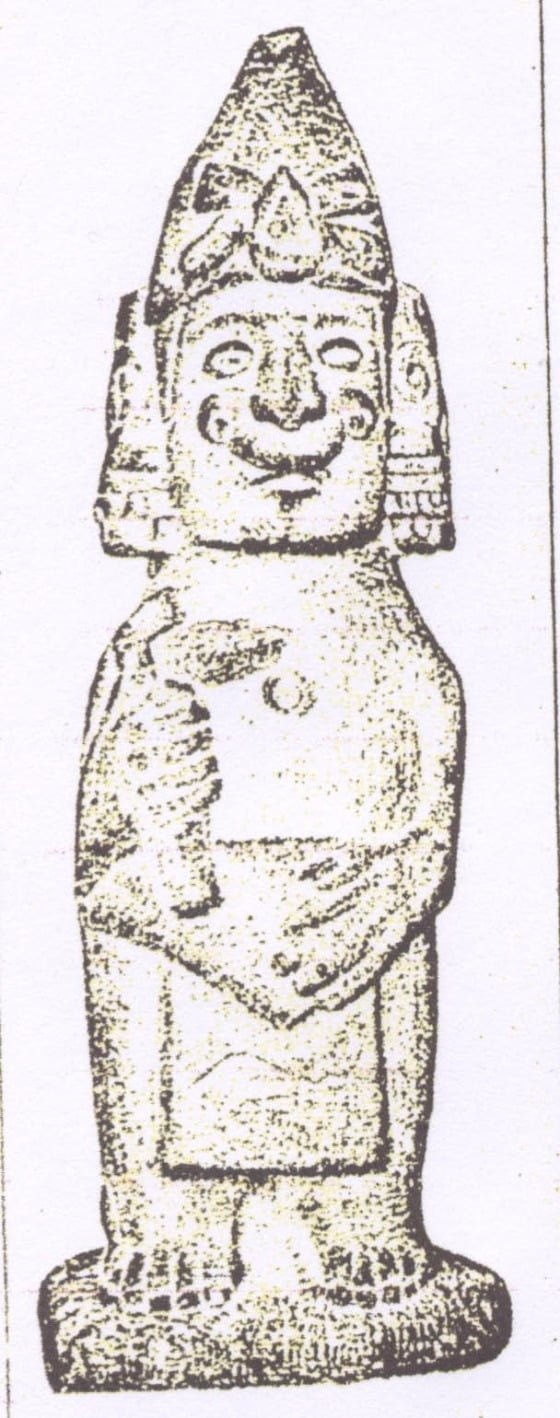
The History and Meaning of the Apron

648d1ac0477924a60ffdb4e9892864f1

The Apron is not a modern invention; in fact it is the most ancient of all garments. In the 3rd Chapter of genesis these words are written: “and the eyes of them both were opened, and they knew they were naked, and they sewed fig leaves together, and made themselves aprons.”

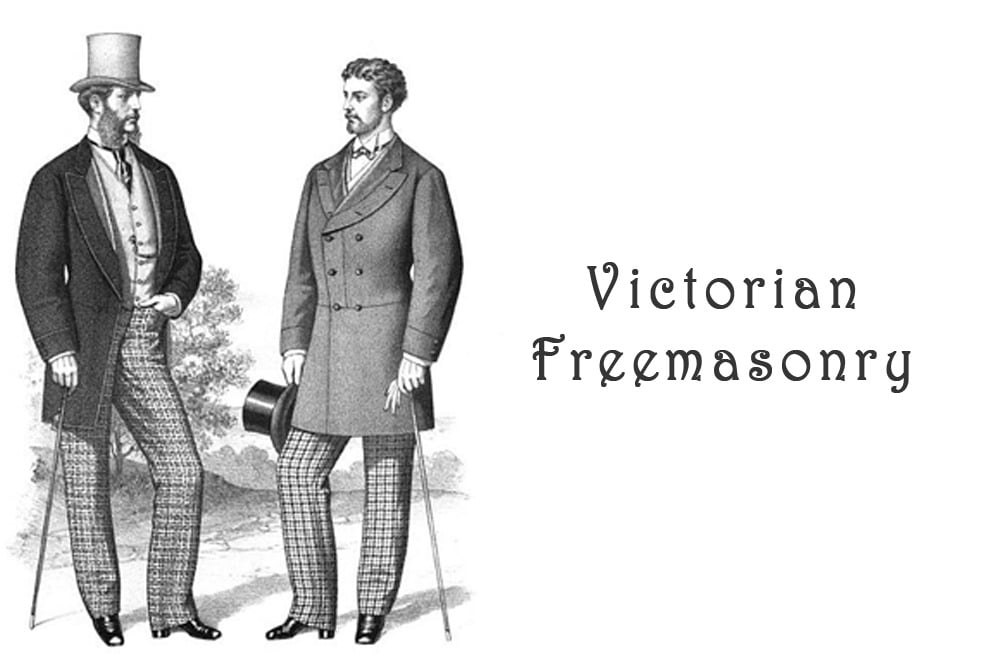
FREEMASONRY IN THE EARLY 1600 AND 1700

Bro. W.J. Hughan

There is such an abundance of evidence in proof of the continuity of Freemasonry during the period selected, that it is only necessary to study the special records of the old Lodges, happily still preserved, the Rolls of the “Old Charges”, and especially the extant minutes of the Masons’ Company of London, to be assured that the Freemasons of the present day are the lineal descendants of the operative builders, who in the 17th century, and earlier, admitted speculative or non-professional members.