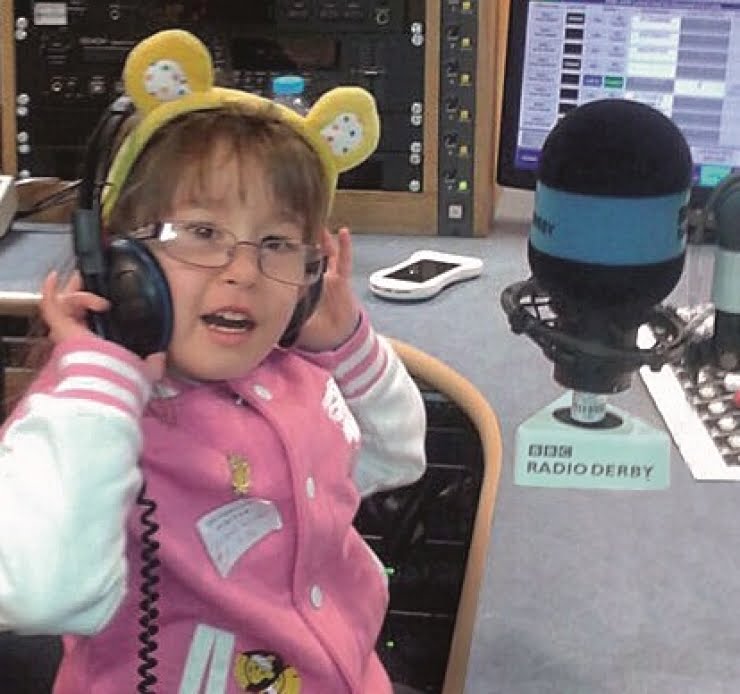

Four-year-old Isobel Walker has a burning, uncontrollable hunger that will always be with her. It is the most noticeable symptom of a rare condition called Prader-Willi syndrome (PWS).
As a result, her parents have to enforce a strict diet that will never end. Even worse, people with PWS can only consume 60 per cent of the calories that someone without the condition would eat, as their digestion works differently.
Isobel is one of 2,000 people in the country with PWS. Other symptoms include low muscle tone, poor temperature regulation, a risk of obesity and moderate learning difficulties.
It is 60 years since PWS was discovered, and the Masonic Charitable Foundation is marking the event with a grant of £10,000 to the Prader-Willi Syndrome Association UK. The donation will help to fund a support worker for families with a PWS child in the south of England.
Prader-Willi syndrome (PWS) was first described in 1956 by Swiss doctors, Prof. A Prader, Dr A Labhart and Dr H Willi, who recognised the condition as having unique and clearly definable features.
These features are, as medically described:-
• Hypotonia: weak muscle tone, and floppiness at birth.
• Hypogonadism: immature development of sexual organs and other sexual characteristics.
• Obesity: caused by excessive appetite and overeating (hyperphagia), and a decreased calorific requirement owing to low energy expenditure levels. (Obesity is not normally a feature of those whose food intake is strictly controlled.)
• Central nervous system and endocrine gland dysfunction: causing varying degrees of learning disability, short stature, hyperphagia, somnolence (excessive sleepiness), and poor emotional and social development.
You can donate here http://www.pwsa.co.uk/donate-and-pay.html