Masonic manuscripts
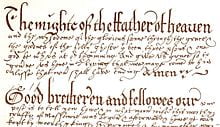
Introduction to the Manuscripts. A starting point for anybody interested in the History of the Craft
Promoting the Fraternity across the World
Introduction to the Manuscripts. A starting point for anybody interested in the History of the Craft
Elias Ashmole (1617 – 1692) was not the first Speculative Freemason. Nor was he the second, third or even tenth! The first Speculative Freemasons were William, Lord Alexander his brother Anthony Alexander (the King’s Maister o’ Wark – Master of Works) and Sir Alexander Strachan of Thornton
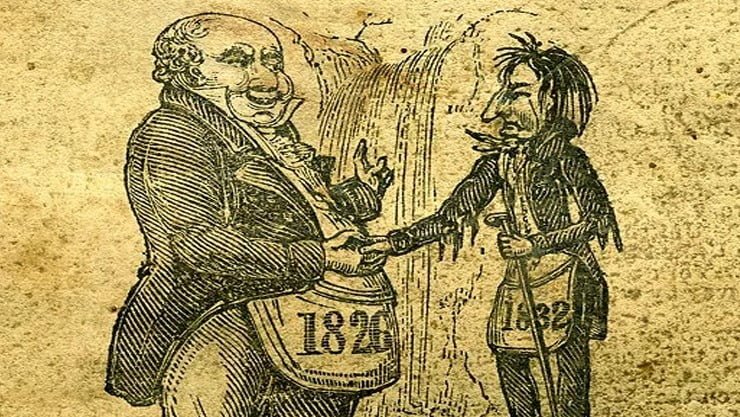
Worshipful Master, do you realize that by addressing you as “Worshipful” I am providing absolute proof in the minds of some credulous and ignorant religious zealots that this Lodge is in fact worshipping you?
EVER SINCE Heinrich Schurtz published his Altersklassen und Maennerbunde in 1902, anthropologists have become more and more interested in the part played by secret societies among primitive peoples
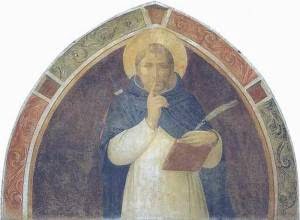
THREE CHALLENGING SIMILARITIES:AN EXPLORATION OF MONASTIC AND MASONIC ORDERS by Bro. Karel Musch, Middelpunt Lodge 280, Grand East of The Netherlands
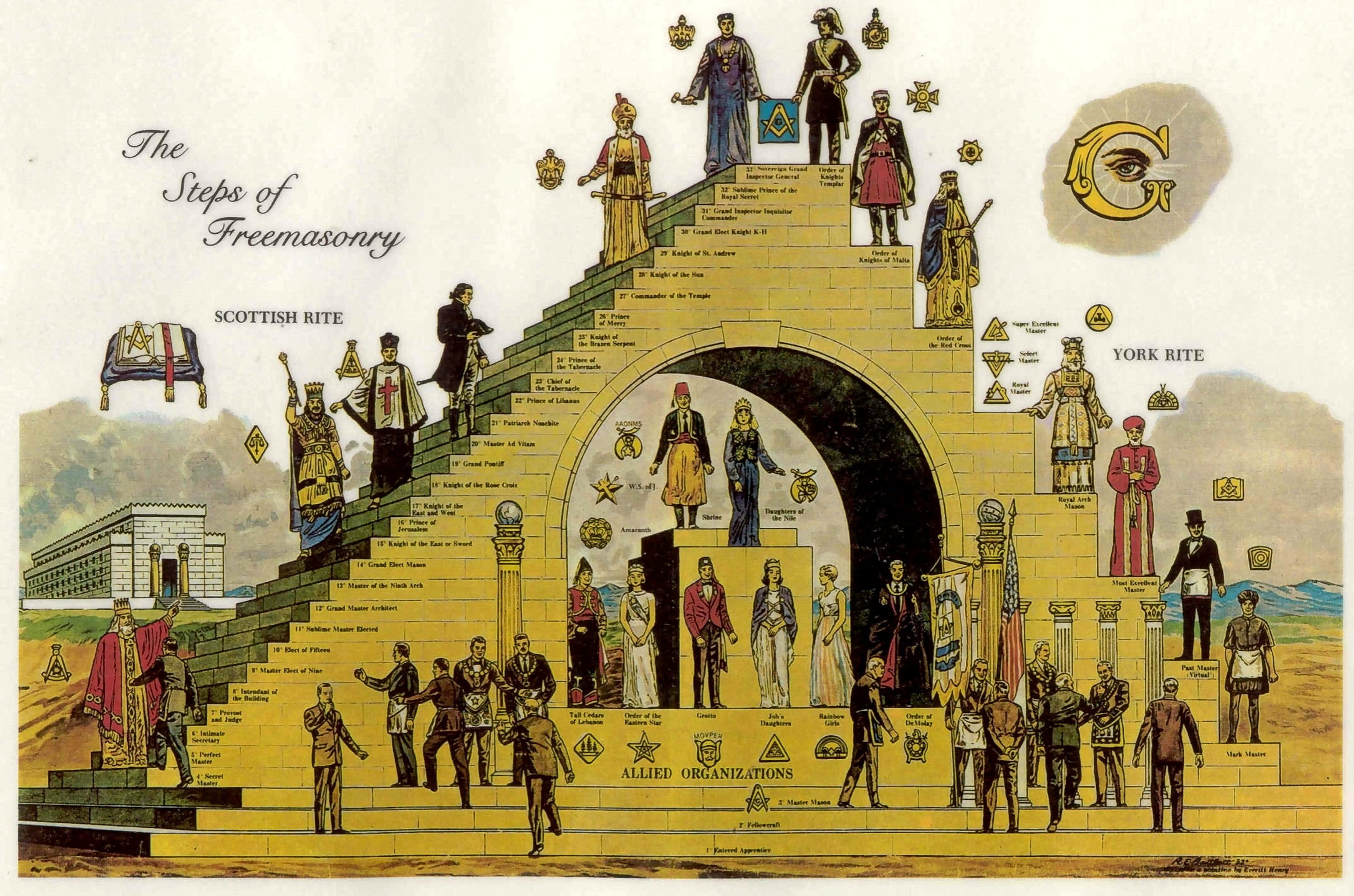
Over the years, there have been published several charts or plans of the degrees and orders of Freemasonry. Masonic editions of the Bible, presented to newly raised members, often include such a chart.

The story of The Magic Flute focuses on the triumph of reason and virtue over irrationality and the amoral. This concept was important in Freemasonry, which was popular during the Enlightenment of which Mozart was a card-carrying member
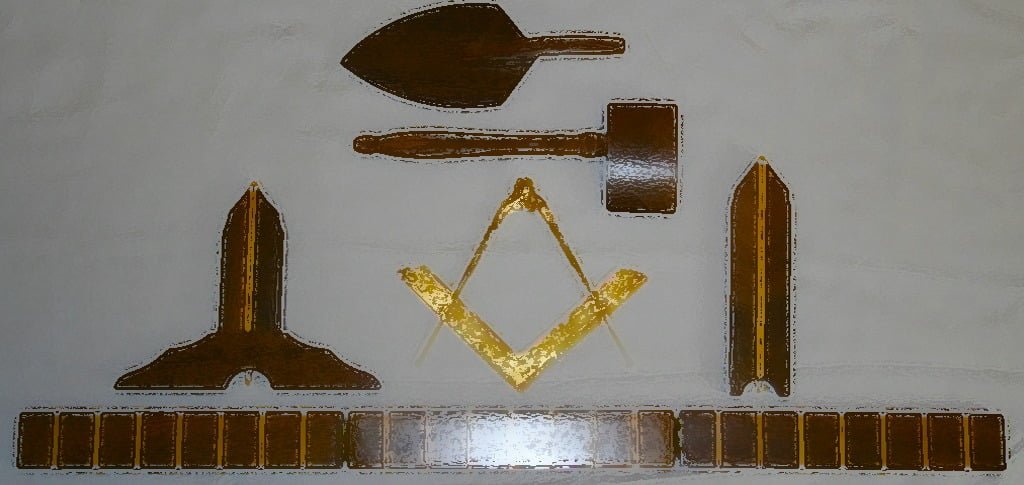
How did the “Working Tools” come into our ceremonies? Were all our present-day “W.T.s” used and moralized from the earliest times, or were they introduced gradually?
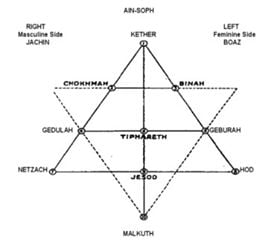
At one time the Dionysians referred to themselves as Sons of Solomon, and one of the most important of their symbols was the Seal of Solomon–two interlaced triangles
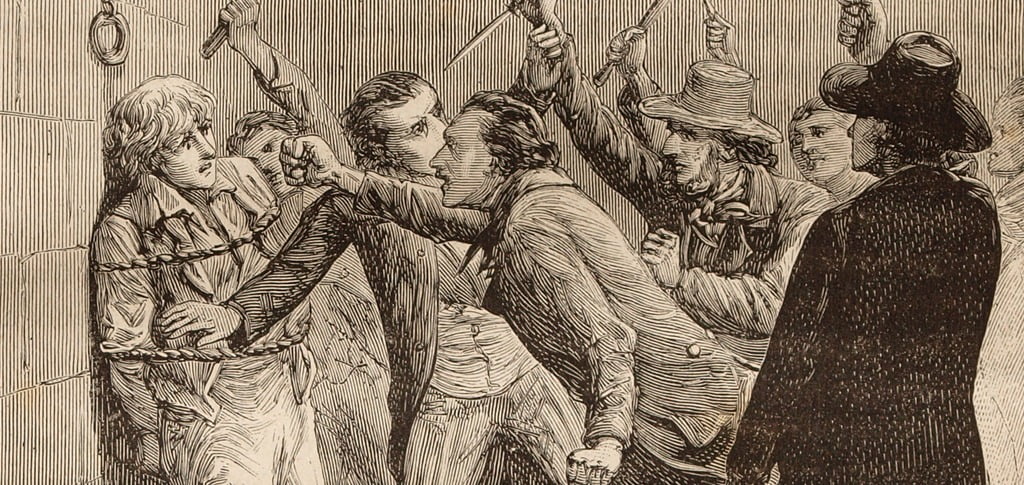
THE sombre side of history also serves its purpose, for it brings into sharp relief the high lights which would otherwise stand upon the horizon of past events without a distinguishing contrast. The story of Freemasonry is no exception, and is incomplete without a recital of the opposition directed against the institution by political and ecclesiastical adversaries