John McDouall Stuart: Freemason and Australia’s greatest inland explorer – Freemasonry Today
John McDouall Stuart: Freemason and Australia’s greatest inland explorer The heart of Australia Freemason John McDouall Stuart is considered to be…
Promoting the Fraternity across the World
John McDouall Stuart: Freemason and Australia’s greatest inland explorer The heart of Australia Freemason John McDouall Stuart is considered to be…
An account of his connection with the fraternity. by Bro. Adam Muir Mackay, PM., Lodge St. David No. 36, Edinburgh. Chapter I. Erection of Lodge…
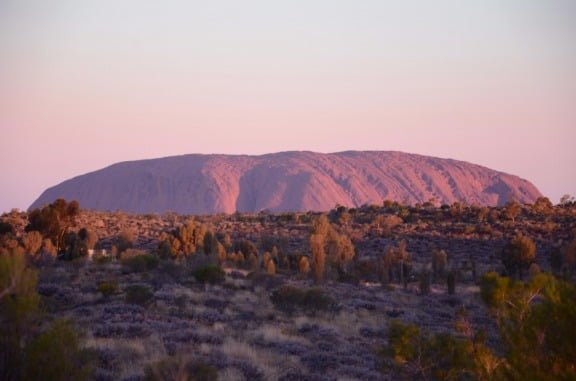
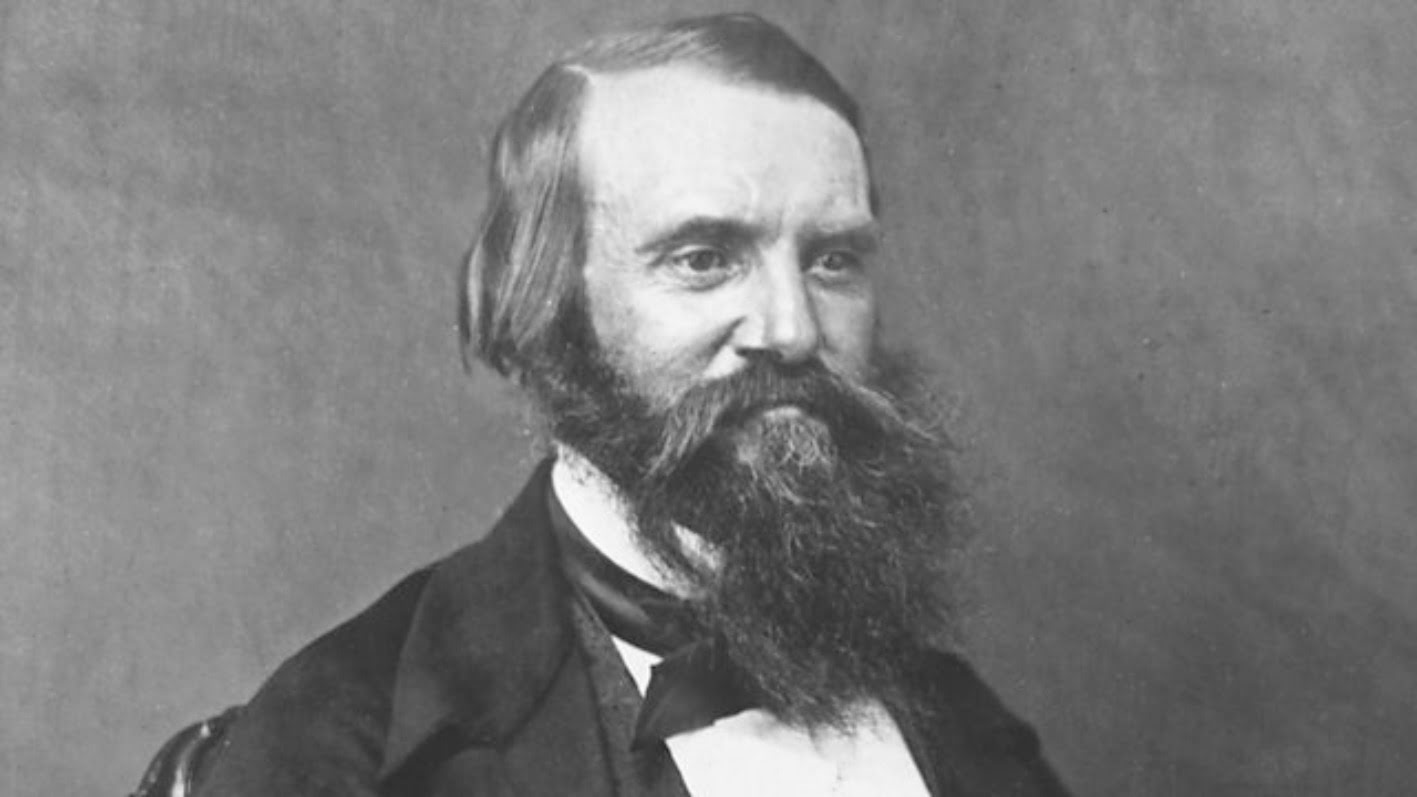
The heart of Australia Freemason John McDouall Stuart is considered to be Australia’s greatest inland explorer. Kevin L Gest uncovers his intrepid…
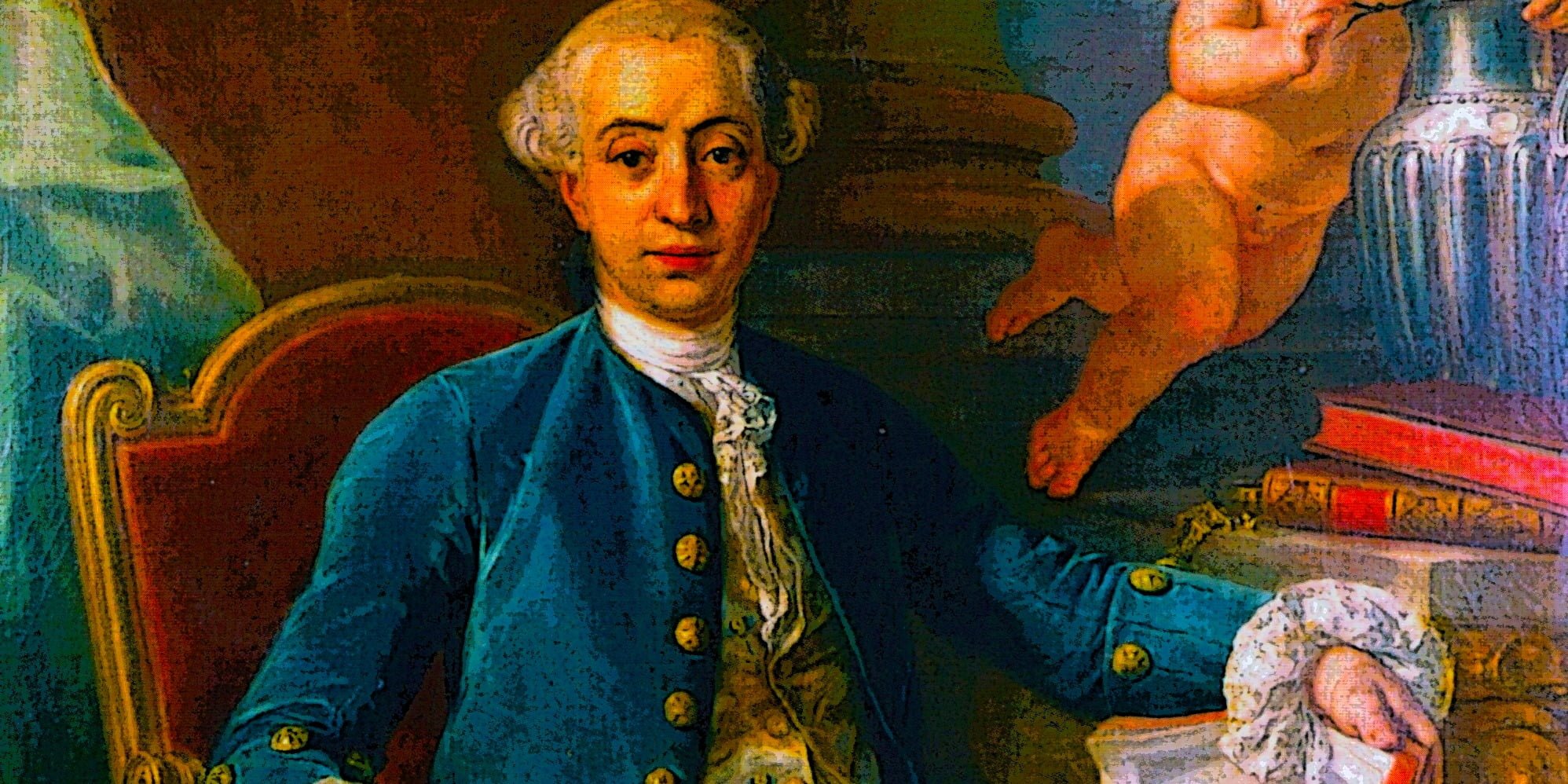
In 1783, Casanova met Benjamin Franklin in Paris. Franklin was not the only prominent man and mason that he would meet in his second round of travels. He would also meet Voltaire who he would eventually get into a philosophical battle with. He would also meet Mozart. At the time Casanova met Mozart, Mozart was composing his opera Don Giovanni, which was essentially like holding up a mirror to Casanova’s life. It is unknown how Casanova reacted to seeing what was essentially his life being shown as immoral, it is claimed that Casanova wrote lines for Don Giovanni but they were not used.
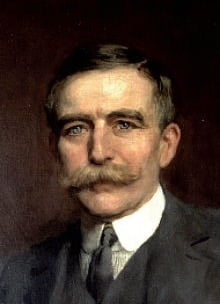
Henry Solomon Wellcome (1853–1936) was a remarkable man with many facets to his complex character: a scientist, businessman, philantropist,…
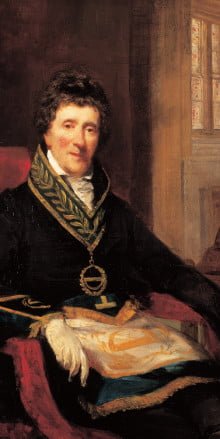
Sir John Soane (1753–1837) symbolises Britain’s architectural heritage of the late Georgian period at its best – the end of which coincided with his…
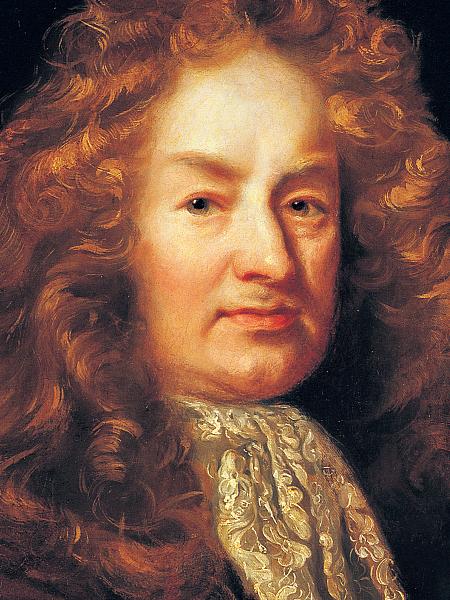
It may be said that never in the annals of Freemasonry has so much been attributed by so many to one man: Elias Ashmole. Yet Ashmole’s own direct…
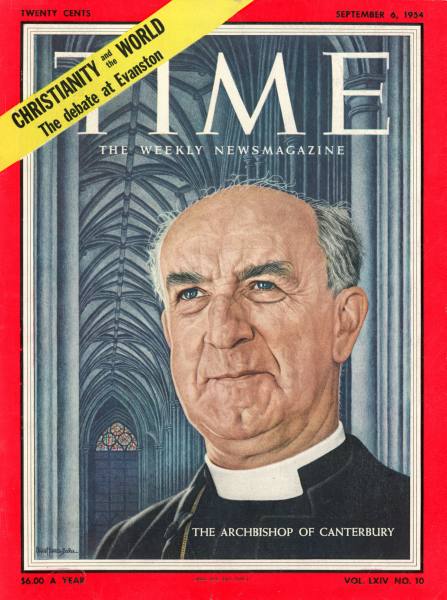
The designation of Archbishop of Canterbury is an ancient office tracing its origins to St Augustine in 597ad. He is the head of the Church of England and…
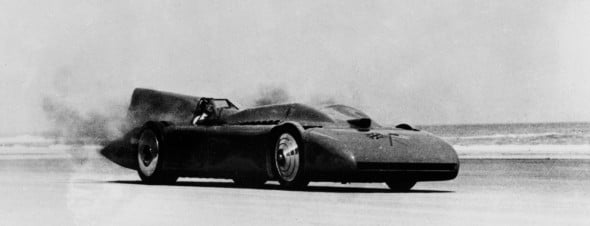
Sir Malcolm Campbell and his son Donald will forever be venerated as world famous speed record holders. They shared those characteristics manifest in all…
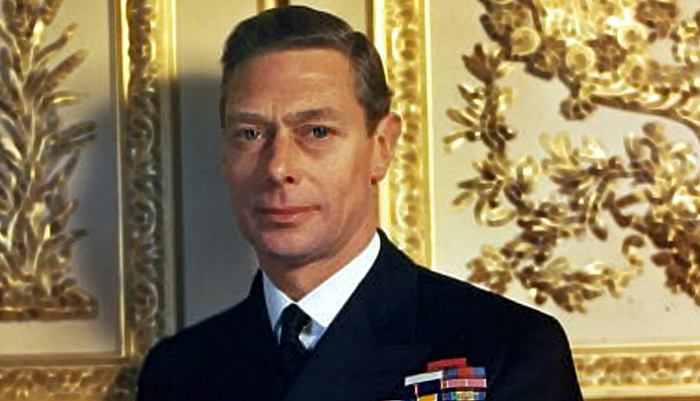
This document encapsulates the views of HM King George VI on the pivotal role of Freemasonry in fostering spiritual and moral regeneration within society. Drawing from a letter dated November 5, 1951, addressed to MW Bro Rt Hon the Earl of Scarbrough, King George VI articulates his long-standing belief in Freemasonry’s positive impact. Despite his inability to personally install Lord Scarborough as Grand Master due to his final illness, his message resonates with earlier sentiments expressed during his attendance at Grand Lodge events. Born in 1895 and initially destined for a supporting role within the Royal Family, King George VI’s active service during World War I and subsequent involvement in Freemasonry underscored his commitment to public service and philanthropy. This document explores his Masonic journey, highlighting his initiation into the Navy Lodge No. 2612, his reflections on Freemasonry’s charitable works, and his broader contributions to British society and the empire.